
In emergency preparedness, a bug out bag is a crucial element, serving as a portable kit that contains essential items to help individuals survive and thrive during disasters or emergencies.
The cost of a bug out bag can vary significantly based on several factors, including the quality of items, brand reputation, and the comprehensiveness of the kit.
Understanding the average prices of bug out bags and what influences their cost is essential for making informed purchasing decisions.
Key Takeaways
- Bug out bags vary widely in price based on quality and brand.
- The cost is influenced by the type and quality of items included.
- Pre-assembled bags offer convenience but may lack customization.
- Building your own bag can be cost-effective and tailored to your needs.
- Consider the durability and reliability of the bag and its contents.
Understanding Bug Out Bags
Understanding the concept of a bug out bag is the first step towards being prepared for any situation. A bug out bag, often abbreviated as BOB, is a portable kit that contains essential items needed to survive for at least 72 hours during emergencies or disasters.
What is a Bug Out Bag?
A bug out bag is designed to be a self-contained kit that includes various survival tools, food, water, and other critical supplies. The idea is to have everything you need to survive and potentially evacuate the area quickly. The contents of a bug out bag can vary greatly depending on individual needs, the type of emergencies likely to occur in your area, and personal preferences.
Key Considerations include the ability to carry the bag comfortably, the durability of the bag, and the relevance of the items included. It’s also crucial to consider the bug out bag cost factors when assembling or purchasing a bag, as the cost can vary widely based on the quality and brand of the items.
Key Items to Include
When it comes to assembling a bug out bag, certain items are considered essential. These include:
- Water and food supplies
- First aid kits
- Survival tools such as knives and multi-tools
- Communication devices like radios and whistles
- Extra clothing and personal hygiene items
- Important documents and cash
The best bug out bag value is achieved when the bag is well-stocked with these essentials without being overly expensive. It’s about striking a balance between cost and the quality of the items included.
| Item Category | Examples | Importance Level |
|---|---|---|
| Water and Food | Bottled water, non-perishable food | High |
| First Aid | Bandages, antiseptic wipes, pain relievers | High |
| Survival Tools | Multi-tool, fire starter, knife | Medium |
| Communication | Radio, whistle, mirror | Medium |
| Personal Items | Extra clothing, hygiene items | Low |
In conclusion, understanding what constitutes a bug out bag and the key items it should contain is crucial for emergency preparedness. By focusing on the essential items and considering bug out bag cost factors, individuals can assemble a bag that provides the best bug out bag value.
Factors Affecting Bug Out Bag Cost
When considering a bug out bag, it’s essential to understand the factors that affect its cost. The price of a bug out bag can be influenced by several elements, making it crucial to identify what contributes to its overall cost.
Quality of Materials
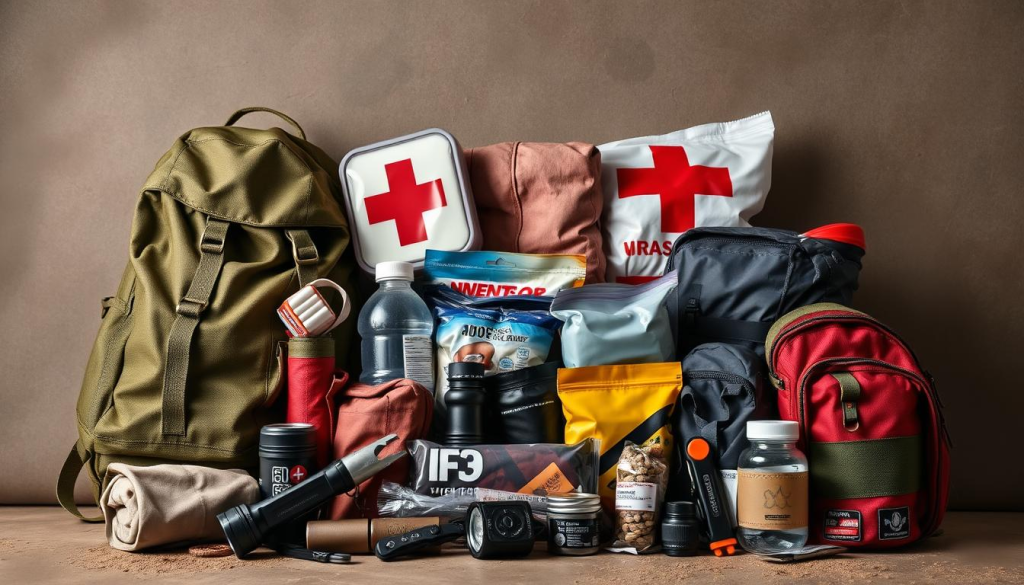
The quality of materials used in a bug out bag significantly impacts its cost. Bags made with durable, waterproof materials and reinforced stitching are more expensive than those made with lower-quality materials.
- Durable Fabrics: Bags made with heavy-duty nylon or polyester are more costly.
- Water Resistance: Waterproof zippers and treated fabrics increase the cost.
- Reinforced Stitching: Stronger stitching that can withstand heavy use adds to the expense.
Brand Reputation
The reputation of the brand manufacturing the bug out bag also affects its cost. Well-known brands that produce high-quality bags often charge more for their products due to their reputation for durability and performance.
“The best bug out bags are those that are made by companies with a proven track record of producing high-quality outdoor gear.”
Customization Options
Customization options can also drive up the cost of a bug out bag. Bags that allow for personalization, such as adding or removing compartments, can be more expensive due to the flexibility they offer.
- Modular Designs: Bags with modular designs that allow users to customize the layout.
- Personalized Components: Options for personalized components, such as monograms or custom colors, add to the cost.
Understanding these factors can help in making an informed decision when purchasing a bug out bag, ensuring that the chosen bag meets the required standards of quality and functionality within the budget.
Average Price Range for Bug Out Bags
Understanding the price range for bug out bags is crucial for making an informed purchase. The cost of these bags can vary widely based on factors such as quality, brand reputation, and customization options.
Budget-Savvy Options Under $100
For those on a tight budget, bug out bags are available for under $100. These bags may not have all the premium features but still offer essential functionality. Some key characteristics include:
- Basic materials and construction
- Simple design with fewer compartments
- Limited brand reputation
Examples of budget-friendly bug out bags include options from brands like Condor Outdoor and 5.11 Tactical, which offer reliable products at affordable prices.
Mid-Range Choices Between $100-$300
The mid-range category offers a balance between quality and affordability. Bug out bags in this range typically feature:
- Improved materials and durability
- More organized compartments and pockets
- Better brand reputation and customer support
Brands like Fjallraven and Maxpedition are known for their high-quality mid-range bug out bags, offering a good balance between cost and performance.
Premium Bags Over $300
For those willing to invest in the best, premium bug out bags are available at prices over $300. These bags often feature:
- High-quality, durable materials
- Advanced design with multiple compartments and customization options
- Strong brand reputation and warranty
Premium brands such as Arc’teryx and Black Diamond offer top-of-the-line bug out bags with exceptional quality and performance.
Breaking Down the Costs
The cost of a bug out bag can be broken down into several key components. Understanding these components is essential for budgeting and making informed purchasing decisions.
Backpack
The backpack is the foundation of a bug out bag, and its cost can vary significantly based on quality, brand, and size. A good quality backpack can range from $50 to over $200.
Key considerations for backpack costs include:
- Material durability
- Comfort and ergonomics
- Additional features like pockets and compartments
Survival Gear
Survival gear is a critical component of a bug out bag, including items like knives, fire starters, and first aid kits. The cost of survival gear can range widely, from under $20 for basic items to over $100 for high-quality gear.
Examples of survival gear and their estimated costs:
| Item | Low-End Cost | High-End Cost |
|---|---|---|
| Multi-tool | $10 | $50 |
| First Aid Kit | $20 | $100 |
| Fire Starter | $5 | $20 |
Food and Water Supplies
Food and water supplies are essential for survival and can significantly impact the overall cost of a bug out bag. The cost of these supplies can vary based on the duration of the intended use and the type of food and water purification methods chosen.
Estimated costs for food and water supplies:
- Non-perishable food: $50-$100 per person for a 3-day supply
- Water purification tablets or filter: $20-$100
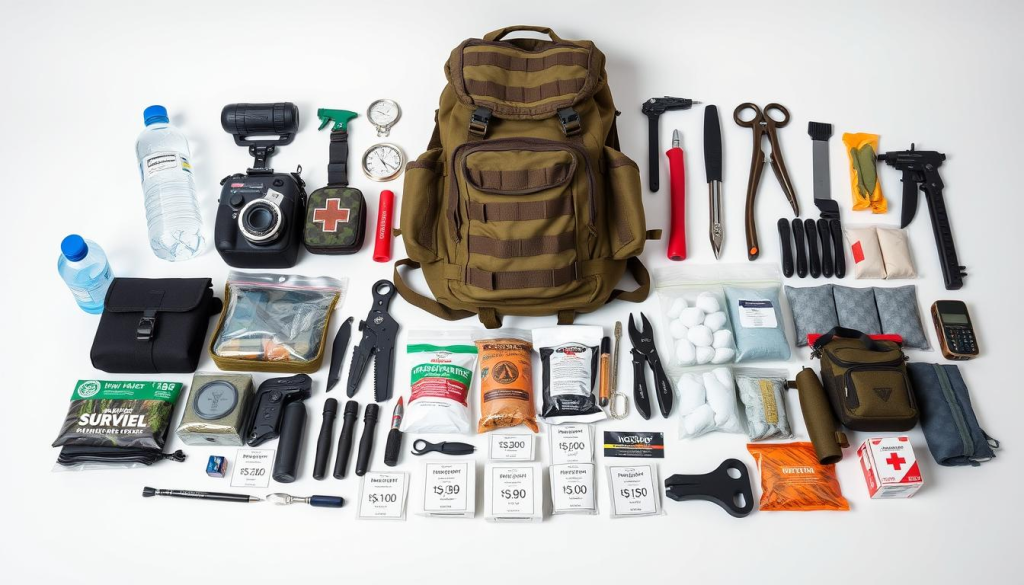
By understanding the costs associated with each component of a bug out bag, individuals can better budget and make informed decisions when purchasing or assembling their bug out bag.
DIY vs. Pre-Made Bug Out Bags
When it comes to preparing for emergencies, one crucial decision is whether to opt for a DIY bug out bag or purchase a pre-made one. This decision hinges on several factors including cost, customization, and convenience.
The DIY approach allows individuals to tailor their bug out bag to their specific needs, potentially saving money and ensuring that every item included is something they are familiar with and know how to use.
Advantages of DIY Bags
Creating a DIY bug out bag offers several advantages. Firstly, it allows for customization to fit personal needs and preferences. Individuals can choose exactly what to include, avoiding unnecessary items and focusing on gear that is relevant to their environment and situation.
- Personalization to specific needs
- Potential cost savings by selecting items à la carte
- Familiarity with every item in the bag
Moreover, a DIY bug out bag can be more cost-effective. By selecting items individually, one can often save money compared to buying a pre-made bag that may include items you don’t need.
Cost Comparison with Pre-Made Bags
When comparing the costs, it’s essential to consider not just the initial outlay but also the value for money. Pre-made bags often come with a premium due to brand reputation, marketing, and the convenience they offer.
| Features | DIY Bug Out Bag | Pre-Made Bug Out Bag |
|---|---|---|
| Customization | High | Limited |
| Initial Cost | Variable, potentially lower | Often higher due to brand and packaging |
| Convenience | Requires research and assembly | Ready to use |
In conclusion, while pre-made bug out bags offer convenience, DIY bags provide customization and potential cost savings. The best choice depends on individual priorities regarding budget, personalization, and readiness.
Essential Items That Impact Cost
Understanding the essential items in a bug out bag is crucial for estimating its total cost. The components that make up a bug out bag are vital for survival and can significantly vary in price.
First Aid Kits
A first aid kit is a critical component of any bug out bag. It should include supplies to treat wounds, such as bandages, antiseptic wipes, and pain relievers. The cost of a first aid kit can range from $20 to over $100, depending on its size and the quality of its contents.
For example, a basic first aid kit might include:
- Bandages and band-aids
- Antiseptic wipes and spray
- Pain relievers and antihistamines
- Medical tape and scissors
Water Filtration Systems
Access to clean drinking water is essential in a survival situation. Water filtration systems can vary greatly in cost, from simple filters to complex systems that can remove a wide range of contaminants.
The cost of water filtration systems can range from $50 to $300 or more. Some popular options include:
- Portable water filters like the LifeStraw
- Water purification tablets
- Gravity-fed water filtration systems
Emergency Tools
Emergency tools, such as multi-tools, fire starters, and flashlights, are also crucial components of a bug out bag. These tools can help in a variety of survival situations and their costs can vary based on quality and brand.
For instance, a high-quality multi-tool can cost between $20 to $100. Fire starters, such as lighters or ferrocerium rods, can range from $5 to $20.
In conclusion, the cost of a bug out bag is significantly influenced by the inclusion of essential items like first aid kits, water filtration systems, and emergency tools. Understanding the costs associated with these components can help in planning a reasonable bug out bag cost.
Where to Buy Bug Out Bags
Finding the right bug out bag involves exploring various retail options, both online and offline. Whether you’re looking for a budget-friendly option or a premium product, several sources can cater to your needs.
Online Retailers
Online retailers offer a convenient way to purchase bug out bags, providing a wide range of options and competitive pricing. Websites like Amazon, REI, and Moosejaw offer various bug out bags from different brands, allowing you to compare features and prices easily.
When buying online, it’s essential to check reviews and product descriptions carefully to ensure you’re getting the best bug out bag value. Look for retailers that offer customer reviews and ratings to help make an informed decision.
Outdoor Supply Stores
Outdoor supply stores are another excellent source for bug out bags. Stores like Bass Pro Shops, Cabela’s, and local outdoor gear shops typically carry a selection of high-quality bug out bags from reputable brands.
Visiting an outdoor supply store allows you to see and feel the product before purchasing, which can be beneficial in ensuring the bag meets your needs. The staff at these stores are often knowledgeable and can provide valuable advice on selecting the right bug out bag.
Thrift Shops
For those on a tight budget, thrift shops can be a viable option for finding a bug out bag. While the selection may be limited, and the quality can vary, it’s possible to find a good deal on a used bug out bag.
When shopping at thrift shops, inspect the bag carefully for any signs of wear or damage. Consider the potential for refurbishing or customizing the bag to suit your needs, which can be a cost-effective way to acquire a bug out bag when buying on a budget.
In conclusion, the best place to buy a bug out bag depends on your specific needs and budget. By considering online retailers, outdoor supply stores, and thrift shops, you can find a bug out bag that offers the right balance of quality and affordability.
Adding Extra Value to Your Bug Out Bag
Enhancing your bug out bag’s value involves incorporating multi-use gear and prioritizing quality over quantity. This approach not only improves the bag’s overall utility but also ensures that it remains cost-effective in the long run.
Multi-Use Gear
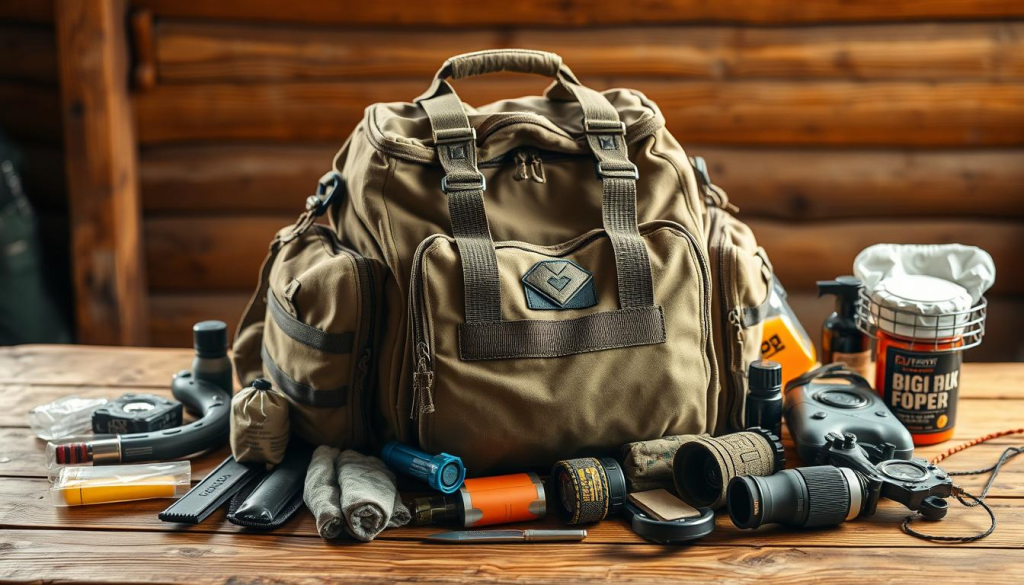
Incorporating multi-use gear into your bug out bag is a strategic way to enhance its value. Items such as a multi-tool or a water filtration system can serve multiple purposes, reducing the need for single-use items and thereby saving space and weight.
For instance, a multi-tool can be used for cutting, opening cans, and even tightening loose parts. Similarly, a water filtration system can purify water from various sources, making it safe for drinking. This reduces the need to carry large quantities of bottled water.
Investing in Quality Over Quantity
Investing in high-quality gear may seem expensive upfront, but it pays off in the long run. High-quality items are more durable and less likely to fail when needed most. For example, a well-made backpack can withstand harsh weather conditions and rough handling, ensuring that your gear remains safe and secure.
“The quality of your bug out bag is not just about the price; it’s about the value it brings to your survival. Investing in quality gear is investing in your safety.”
To illustrate the cost-effectiveness of quality gear, consider the following comparison:
| Item | Low-Quality Option | High-Quality Option |
|---|---|---|
| Backpack | $50 | $150 |
| Water Filtration System | $20 | $100 |
| Multi-Tool | $10 | $50 |
While the initial cost of high-quality gear is higher, its durability and performance make it a more reasonable choice in the long run, contributing to the best bug out bag value.
By focusing on multi-use gear and investing in quality, you can significantly enhance the value of your bug out bag, ensuring it provides reasonable bug out bag costs over time.
Maintenance and Updates
To stay prepared, it’s essential to regularly update your bug out bag. A well-maintained bug out bag ensures that you are always ready to face emergencies with the necessary supplies. Regular checks and updates are vital to guarantee the bag’s effectiveness.
Regularly Checking Supplies
Regularly checking the supplies in your bug out bag is crucial. This involves inspecting the condition of items, checking expiration dates of food and medical supplies, and ensuring that all equipment is functioning properly. It’s recommended to check your bug out bag every six months to ensure everything is in working order.
During these checks, consider the following:
- Are the batteries in your flashlights and radios still good?
- Is your first aid kit fully stocked and are the supplies still within their expiration dates?
- Are your food and water supplies still usable?
Cost Implications of Replacements
Replacing items in your bug out bag can have cost implications. It’s essential to budget for these replacements to maintain your bag’s effectiveness. The cost of replacements can vary widely depending on the items. For example, replacing a water filtration system can be more expensive than replacing batteries.
| Item | Average Cost | Replacement Frequency |
|---|---|---|
| Batteries | $5-$10 | Every 6-12 months |
| First Aid Kit Supplies | $20-$50 | Every 12-24 months |
| Water Filtration System | $50-$100 | Every 24-36 months |
By understanding the cost implications of maintaining your bug out bag, you can better plan and budget for the necessary updates, ensuring your bag remains effective and ready for use.
Budgeting for Your Bug Out Bag
Preparing for the unexpected doesn’t have to be expensive; a thoughtful budget can make all the difference. When assembling a bug out bag, it’s crucial to balance the need for quality gear with the cost. A well-planned budget helps ensure that you’re prepared for emergencies without overspending.
Setting a Realistic Budget
To set a realistic budget, start by identifying the essential items you need. Consider the types of emergencies you’re most likely to face and the gear required to address them. Prioritizing needs over wants is key to staying within budget.
Researching the market for bug out bags and their components can also help. Compare prices across different retailers to find the best value for your money. Consider the following table that outlines average costs for key components:
| Component | Average Cost | High-Quality Option |
|---|---|---|
| Backpack | $50-$100 | $150-$250 |
| Water Filtration System | $20-$50 | $100-$200 |
| First Aid Kit | $30-$70 | $100-$150 |
Tips for Saving Money on Gear
One effective way to save money is by opting for multi-use gear. Items that serve more than one purpose can reduce overall costs and minimize the space needed in your bug out bag. For example, a tool that can both cut and open cans is more valuable than a single-purpose knife.
Another strategy is to look for discounts and sales. Many outdoor and survival gear retailers offer periodic discounts on essential items. Signing up for newsletters or following social media can alert you to these opportunities. Additionally, consider purchasing last season’s models or floor displays at a discount.
By setting a realistic budget and being mindful of how to save money on gear, you can assemble a comprehensive bug out bag that meets your needs without breaking the bank.
Conclusion: Making the Right Investment
Determining how much to spend on a bug out bag can be challenging, but it’s essential to strike a balance between cost and the quality of gear that meets your specific needs.
Balancing Cost and Quality
When considering the best bug out bag value, it’s crucial to assess the quality of materials, brand reputation, and customization options. A well-invested bug out bag should include essential items like first aid kits, water filtration systems, and emergency tools.
Personalizing Your Budget
To make the right investment, personalize your bug out bag budget based on your individual circumstances and priorities. Consider factors like the number of people the bag needs to support, the environment you’ll be in, and any specific survival needs.
By doing so, you’ll be able to find a bug out bag that offers the best value for your money, ensuring you’re prepared for any situation without overspending.