
Understanding the ideal duration for a bug out bag is crucial for effective emergency preparedness. The conventional wisdom in the preparedness community is to plan for at least 72 hours, based on the typical duration for emergency services to restore critical infrastructure following major disasters.
The Denver Survival 2-Person 72-Hour Premium Bug Out Bag is an example that supports this guideline, emphasizing the importance of being prepared for at least 72 hours. However, the ideal duration can vary based on several factors, including the number of people, the climate of your area, and the types of emergencies you anticipate.
Key Takeaways
- Prepare for at least 72 hours with your bug out bag.
- The ideal bug out bag duration varies based on individual circumstances.
- Consider factors like climate and potential emergencies when planning.
- A well-prepared bug out bag is crucial for emergency preparedness.
- Customize your bug out bag according to the number of people it needs to support.
Understanding a Bug Out Bag’s Purpose
Understanding the purpose of a bug out bag is fundamental to creating an effective emergency evacuation plan. A bug out bag is designed to be a portable collection of essential items that can help individuals survive for a certain period when they are away from home.
What is a Bug Out Bag?
A bug out bag, often abbreviated as BOB, is a kit that contains vital supplies such as water, food, first aid materials, and shelter essentials. The primary goal of a bug out bag is to provide the necessary resources to sustain life and maintain comfort during emergency situations.
Key Situations for Use
Bug out bags are designed for use in various emergency scenarios, including natural disasters like hurricanes, earthquakes, and floods, as well as man-made crises. The ability to evacuate quickly with a pre-prepared bag can significantly enhance survival chances.
Key situations include:
- Natural disasters requiring immediate evacuation
- Man-made emergencies such as industrial accidents or terrorist attacks
- Other crises that necessitate rapid departure from one’s home or area
Essential vs. Non-essential Items
When packing a bug out bag, it’s crucial to differentiate between essential and non-essential items. Essentials include critical survival tools like water purification tablets, first aid kits, and non-perishable food. Non-essential items, while potentially comforting, should not compromise the bag’s portability or the individual’s ability to carry it.
“The key to a successful bug out bag is not just what you include, but also what you leave out. Prioritizing essentials ensures that the bag remains functional and lightweight.”
By focusing on bug out bag durability and optimizing bug out bag longevity, individuals can create a reliable means of survival during emergencies.
Recommended Duration for a Bug Out Bag
Determining the ideal duration for a bug out bag is crucial for effective emergency preparedness. The duration for which a bug out bag is designed to last can significantly impact its effectiveness in sustaining individuals during crises.
The 72-hour rule is a widely accepted standard for bug out bags, aiming to support individuals for at least three days. This timeframe is considered a minimum because it typically allows enough time for emergency responders to reach affected areas or for the situation to stabilize.
Short-Term Survival: 72 Hours
A 72-hour bug out bag is designed to provide essential supplies for short-term survival. This includes:
- Non-perishable food
- Water (at least 1 gallon per person per day)
- First aid kit
- Basic tools (e.g., multi-tool, flashlight)
- Communication devices
These items are critical for addressing immediate needs during emergencies.
Long-Term Survival: 1-2 Weeks
While the 72-hour rule is a good starting point, some experts recommend preparing for longer durations, such as 1-2 weeks. This extended duration requires additional supplies and considerations, including:
- Increased food and water supply
- Enhanced first aid supplies
- Personal hygiene items
- Means of shelter and warmth
Preparing for 1-2 weeks can significantly enhance survival chances in prolonged emergencies.
Factors Affecting Duration
Several factors can influence the ideal duration for a bug out bag, including:
- Climate and geographical location
- Potential emergencies (natural disasters, man-made crises)
- Size and needs of the group (children, elderly, pets)
As preparation expert notes, “The key to a successful bug out bag is not just the duration it covers, but also its relevance to the specific needs and circumstances of the individual or group.”
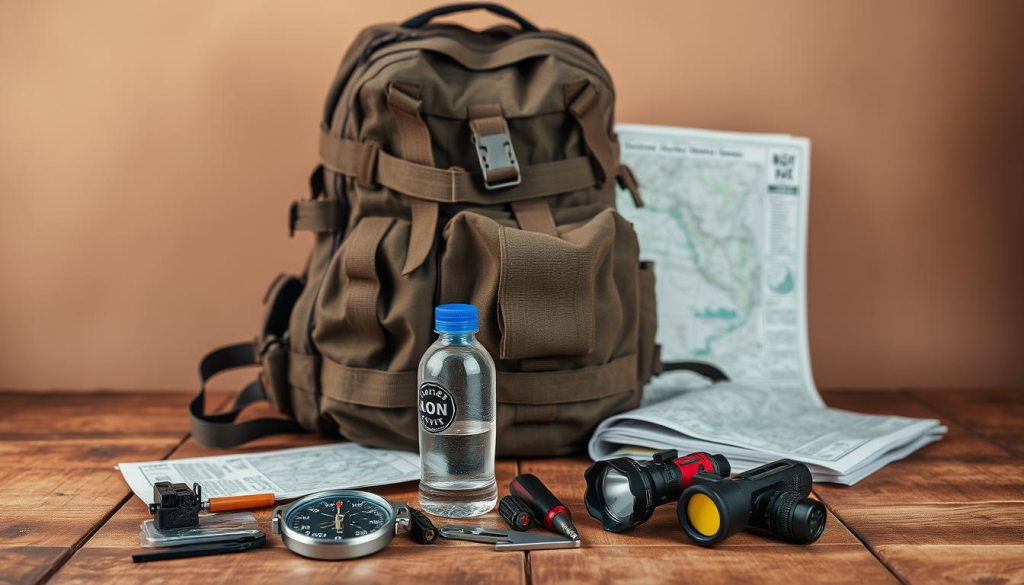
By considering these factors and adjusting the bug out bag accordingly, individuals can ensure they are better prepared for a wide range of scenarios.
Evaluating Supplies and Resources
Evaluating the supplies in your bug out bag is a critical step in emergency preparedness. A well-prepared bag can significantly enhance your ability to respond to emergencies effectively.
Food and Water Supply
The food and water supply is a fundamental component of your bug out bag. It’s essential to include non-perishable, high-calorie food items that can sustain you for an extended period. Consider the nutritional value and the ease of preparation of the food.
- Dried fruits and nuts
- Canned goods
- MREs (Meals Ready to Eat)
- Energy bars
Adequate water supply is also crucial. Aim to include at least one liter of water per person per day. Water purification tablets or a portable filter can be invaluable additions.
| Water Supply Guidelines | Minimum Requirement | Recommended |
|---|---|---|
| Daily Water per Person | 1 liter | 2-3 liters |
| Duration | 3 days | 1-2 weeks |
First Aid Essentials
A comprehensive first aid kit is vital for addressing injuries and preventing infections. Include a variety of bandages, antiseptic wipes, pain relievers, and any personal medications.
- Bandages and band-aids
- Antiseptic wipes and spray
- Pain relievers and antihistamines
- Prescription medications and necessary medical equipment
Personal Hygiene Items
Personal hygiene is often overlooked but is crucial for maintaining health and morale. Include items like toothbrushes, toothpaste, soap, and toilet paper.
- Toothbrush and toothpaste
- Biodegradable soap
- Toilet paper and hand sanitizer
- Moist towelettes and garbage bags
By carefully evaluating and maintaining the supplies and resources in your bug out bag, you can ensure it remains effective and supports your needs during emergencies.
Importance of Regular Maintenance
Maintaining your bug out bag regularly can significantly increase its lifespan and ensure it remains effective in survival situations.
A bug out bag is only as good as its maintenance. Regular checks and updates are crucial for guaranteeing that all supplies are usable and that the bag is ready when needed.
Rotating Food and Water
One of the critical aspects of bug out bag maintenance is rotating food and water supplies. This involves regularly checking expiration dates and replacing items before they expire.
- Check food and water expiration dates every 6 months.
- Replace expired or spoiled items immediately.
- Consider using a “first in, first out” rule for food supplies.
Checking Gear for Damage
Another vital maintenance task is inspecting the gear for any signs of damage or wear. This includes checking for torn seams, broken zippers, and malfunctioning equipment.
- Inspect all gear and equipment for visible damage.
- Test critical items like flashlights, radios, and first aid kits.
- Replace or repair damaged items as needed.
Updating Personal Information
It’s also essential to update personal information stored in or with your bug out bag. This includes contact information, medical records, and any other relevant personal data.
Regular maintenance not only extends the life of your bug out bag but also ensures that you are prepared for any situation that may arise.
By following these maintenance strategies, you can be confident that your bug out bag will be ready when you need it most.
Adapting Your Bug Out Bag for Family Needs
When disaster strikes, having a bug out bag tailored to your family’s diverse needs can be a lifesaver. A well-prepared bug out bag is not just about packing essentials; it’s about ensuring that every family member’s needs are met, from the youngest to the elderly, and including pets.
Children’s Supplies
For families with children, it’s crucial to include supplies that cater to their unique needs. This includes diapers, formula, baby food, and any medications they might need. Comfort items like a favorite toy or blanket can also provide emotional stability during stressful times.
Here is a list of essential items for children to include in your bug out bag:
- Diapers and wipes
- Formula or baby food
- Bottles and pacifiers
- Child-friendly medications
- Comfort items like favorite toys or blankets
Elderly Family Members
Elderly family members may have specific needs, such as medications, reading glasses, or walking aids. It’s essential to consider their comfort and health when packing a bug out bag. Including a list of their medications, along with dosages and any allergies, can be invaluable.
| Item | Description | Importance Level |
|---|---|---|
| Medications | Prescription medications and necessary documentation | High |
| Walking Aids | Canes, walkers, or wheelchairs | Medium |
| Personal Documents | ID, insurance cards, and medical history | High |
Pets and Their Needs
Pets are part of the family, and their needs should not be overlooked. Packing pet food, water, bowls, and any necessary medication is crucial. A pet carrier or leash can also be essential for keeping them safe and under control.
Here are key items to include for your pets:
- Pet food and water
- Bowls and a manual can opener
- Pet medication and vaccination records
- Pet carrier or leash
- Comfort items like a favorite toy or blanket
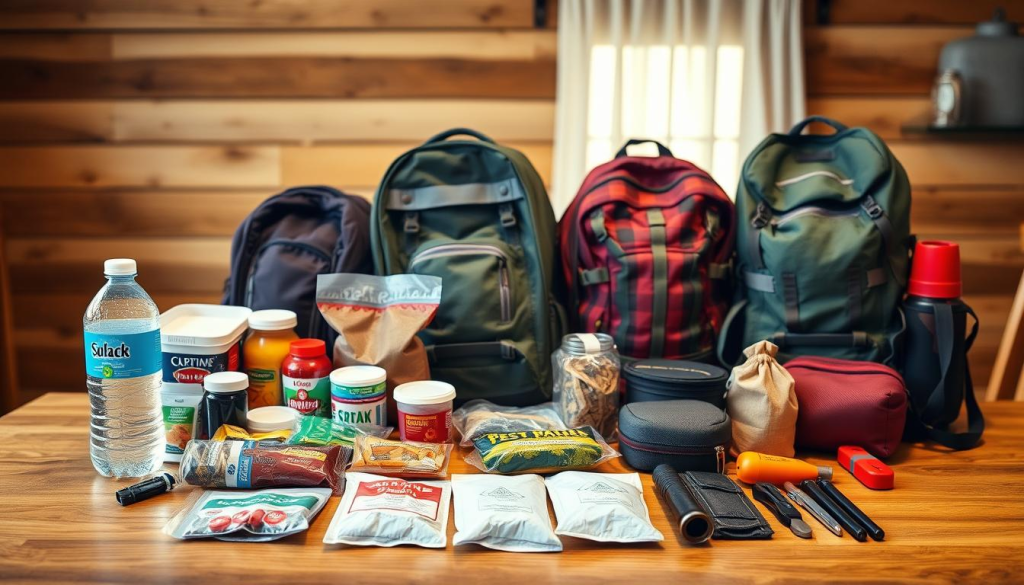
By carefully considering the needs of all family members, including children, the elderly, and pets, you can create a bug out bag that enhances your family’s chances of survival and comfort during emergencies. Regularly checking and updating the bag to ensure it remains relevant and effective is also crucial for optimizing bug out bag longevity.
Seasonal Considerations
Seasonal changes can significantly impact the effectiveness of your bug out bag, making it crucial to adjust its contents accordingly. Ensuring your bug out bag is prepared for the current season can be the difference between survival and struggle in an emergency.
Summer vs. Winter Preparations
When preparing your bug out bag for different seasons, it’s essential to consider the extreme temperatures and weather conditions associated with each. For summer, this means including items that protect against heat and dehydration, such as lightweight, breathable clothing, sun protection (sunscreen, sunglasses, hat), and a means to purify or cool water.
In contrast, winter preparations focus on cold-weather survival gear, including warm, layered clothing, insulated sleeping bags, hand and foot warmers, and a means to melt snow for water. Understanding these seasonal needs helps in customizing your bug out bag for optimal readiness.
Weather-Appropriate Gear
The gear in your bug out bag should be versatile and capable of withstanding various weather conditions. This includes waterproof matches, a waterproof phone case, and a tent that can handle both rain and wind. For cold weather, consider including a warm hat, gloves, and a scarf. In warm weather, prioritize sun protection and insect repellent.
| Season | Essential Gear | Recommended Supplies |
|---|---|---|
| Summer | Lightweight clothing, sun protection | Sunscreen, sunglasses, hat, water purification tablets |
| Winter | Warm, layered clothing, cold-weather gear | Insulated sleeping bag, hand and foot warmers, snow melting equipment |
Adjusting Food and Water
Seasonal changes also affect your food and water needs. In summer, it’s crucial to have an adequate supply of water and food that doesn’t spoil easily, such as dried fruits, nuts, and MREs. For winter, high-calorie foods can help maintain body heat, and a means to melt snow for water is essential.
Rotating your food and water supplies seasonally not only ensures they remain usable but also helps in maintaining a fresh stock. This practice is vital for best practices in bug out bag maintenance and readiness.
Sizing Up Your Bug Out Bag
Sizing up your bug out bag involves more than just picking a bag; it’s about ensuring it has the right capacity and comfort for long-term survival. A bug out bag is only as good as its ability to be carried comfortably while containing all the necessary items for survival.
Standard Carrying Capacity
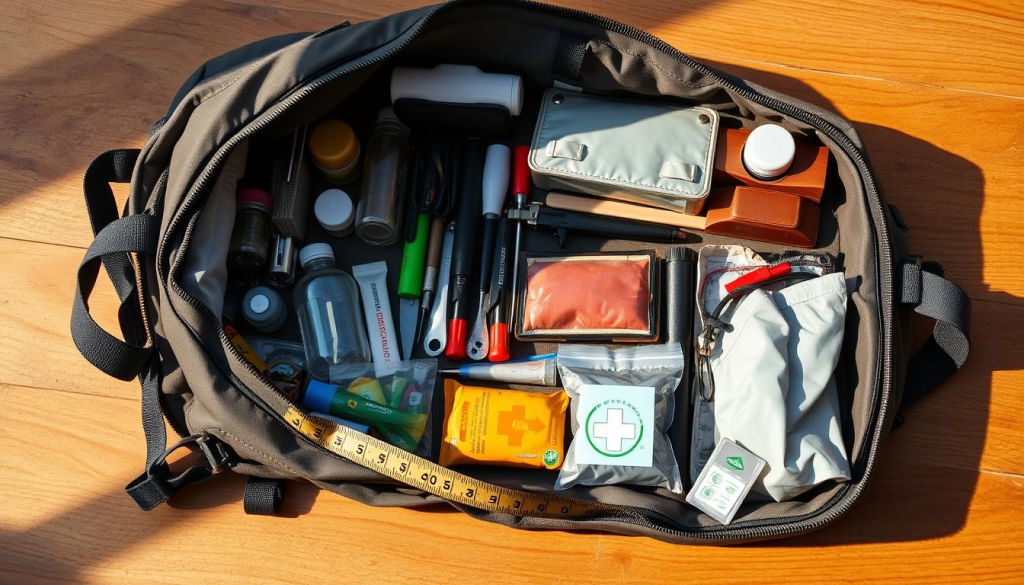
The standard carrying capacity of a bug out bag typically ranges between 20 to 30 liters for short-term emergencies and can go up to 40 liters or more for longer-term survival needs. It’s essential to pack only what is necessary to maintain mobility and comfort.
Light vs. Heavy Load
A bug out bag can either be a light load, focusing on the bare essentials, or a heavy load, including more comfort items and additional supplies. The choice between the two often depends on the individual’s survival goals and the anticipated duration of the emergency.
- Light Load: Ideal for short-term emergencies, focusing on essential items like water, non-perishable food, first aid kit, and basic shelter.
- Heavy Load: Suitable for longer-term survival, including additional comfort items, more extensive food supplies, and personal hygiene items.
Choosing the Right Backpack
Choosing the right backpack for your bug out bag is crucial. It should be durable, comfortable, and have multiple compartments for organization. Consider a backpack with weather-resistant material and reinforced stitching to ensure longevity.
When selecting a backpack, consider the following features:
- Comfort: Look for padded shoulder straps and a back panel for enhanced comfort during extended wear.
- Capacity: Ensure the backpack has enough space for your essential items without being too bulky.
- Durability: Choose a backpack made from high-quality, weather-resistant materials.
Planning for Different Scenarios
The effectiveness of a bug out bag hinges on its ability to adapt to various emergency situations. Planning for different scenarios is crucial to ensure that you are prepared for any eventuality.
Urban vs. Rural Bug Out Needs
When preparing a bug out bag, it’s essential to consider the differences between urban and rural environments. Urban areas may require more emphasis on navigating through crowded streets and avoiding potential hazards like traffic and civil unrest. In contrast, rural areas demand preparation for wilderness survival, including access to clean water, food, and shelter.
Urban Bug Out Considerations:
- Navigation tools like maps and compasses
- Personal defense items
- Communication devices
Rural Bug Out Considerations:
- Wilderness survival skills
- Water purification methods
- Food procurement strategies
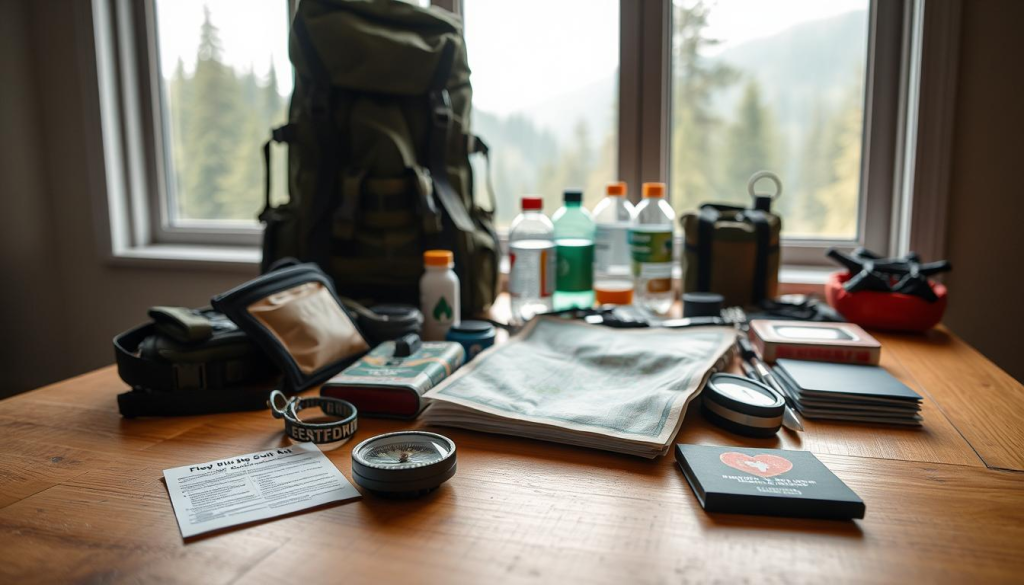
Natural Disasters vs. Man-made Crises
Different types of emergencies require distinct preparations. Natural disasters like hurricanes, earthquakes, and floods necessitate gear that can withstand or help you navigate through the disaster. Man-made crises, such as industrial accidents or social unrest, may require a different set of items, including protective gear and communication devices.
| Emergency Type | Required Gear | Survival Strategies |
|---|---|---|
| Natural Disasters | Waterproof bags, emergency shelter, first aid kits | Evacuation plans, weather monitoring |
| Man-made Crises | Protective gear, gas masks, communication devices | Staying informed, avoiding hazardous areas |
Travel Distance and Transportation
The distance you may need to travel during an emergency and the mode of transportation available can significantly impact your bug out bag’s contents. For longer distances, consider including items that can aid in transportation, such as bicycles or portable vehicles, and supplies that can sustain you over time.
Key Considerations for Travel Distance:
- Fuel or energy sources for vehicles or devices
- Navigation tools for long-distance travel
- Provisions for sustenance and hydration
By considering these different scenarios and tailoring your bug out bag accordingly, you can significantly increase its effectiveness and your chances of survival.
Creating a Bug Out Bag Checklist
A well-prepared bug out bag is crucial for survival during emergencies. To ensure your bag is effective, creating a comprehensive checklist is essential. This involves evaluating the bug out bag lifespan and durability to withstand various conditions.
Prioritizing Essential Items
Start by including vital items such as non-perishable food, clean water, first aid supplies, and a reliable means of communication. These essentials will form the foundation of your bug out bag.
Adding Optional Comfort Items
Consider adding items that can provide comfort and morale boosts, such as a portable stove, sleeping bag, or personal hygiene items. These can enhance the bug out bag’s overall effectiveness.
Customizing Your Checklist
Tailor your checklist to your specific needs, taking into account factors like climate, personal health, and the number of people the bag needs to support. Regularly reviewing and updating your checklist will help maintain your bug out bag’s relevance and bug out bag durability over time.