
Integrating natural remedies into standard first aid skills can significantly enhance overall well-being. Herbal supports can address a wide range of issues, from physical ailments to emotional trauma, promoting holistic healing.
By incorporating herbal first aid into daily life, individuals can benefit from a more comprehensive approach to health care. This method not only treats physical injuries but also considers the emotional and spiritual aspects of healing.
Key Takeaways
- Herbal first aid enhances standard first aid skills with natural remedies.
- It addresses both physical and emotional issues.
- Promotes holistic healing and overall well-being.
- Comprehensive approach to health care.
- Considers emotional and spiritual aspects of healing.
Understanding Herbal First Aid
As people increasingly seek out natural health remedies, understanding herbal first aid becomes crucial for emergency preparedness. Herbal first aid is an approach to treating common ailments and injuries using remedies derived from plants and herbs.
https://www.youtube.com/watch?v=De-Dxb8tTCQ
What is Herbal First Aid?
Herbal first aid involves using herbs to prevent, treat, and manage various health issues. It is based on the principle that nature provides effective solutions for many common medical problems. For instance, herbs like chamomile and ginger, commonly found in kitchens, are used in herbal first aid for their therapeutic properties.
Herbalista, an organization with over a decade of experience in running integrative first aid stations, has successfully utilized herbal remedies in both wilderness and urban settings. Their experience underscores the practicality and effectiveness of herbal first aid.
Benefits of Using Herbal Remedies
The benefits of using herbal remedies in first aid are multifaceted. Natural and Gentle: Herbal remedies are often gentler on the body compared to synthetic drugs, reducing the risk of adverse reactions. Accessible: Many herbs used in herbal first aid are easily accessible, even in remote areas, making them ideal for emergency preparedness.
- Promotes holistic health
- Can be used in conjunction with conventional medicine
- Often cost-effective
Common Misconceptions
Despite its growing popularity, herbal first aid is surrounded by misconceptions. One common myth is that herbal remedies are ineffective or lack scientific backing. However, many herbs have been studied and proven to have therapeutic benefits. For example, aloe vera is widely recognized for its soothing effects on burns.
Another misconception is that herbal first aid is a replacement for conventional medicine. In reality, it is meant to complement traditional medical practices, offering an additional layer of care.
Essential Herbs for First Aid
In the realm of first aid, certain herbs stand out for their potent healing properties and versatility. These natural remedies have been used for centuries to treat a variety of health issues, from minor cuts and bruises to more serious conditions. By incorporating these herbs into your first aid kit, you can provide effective care using plant-based healing methods.
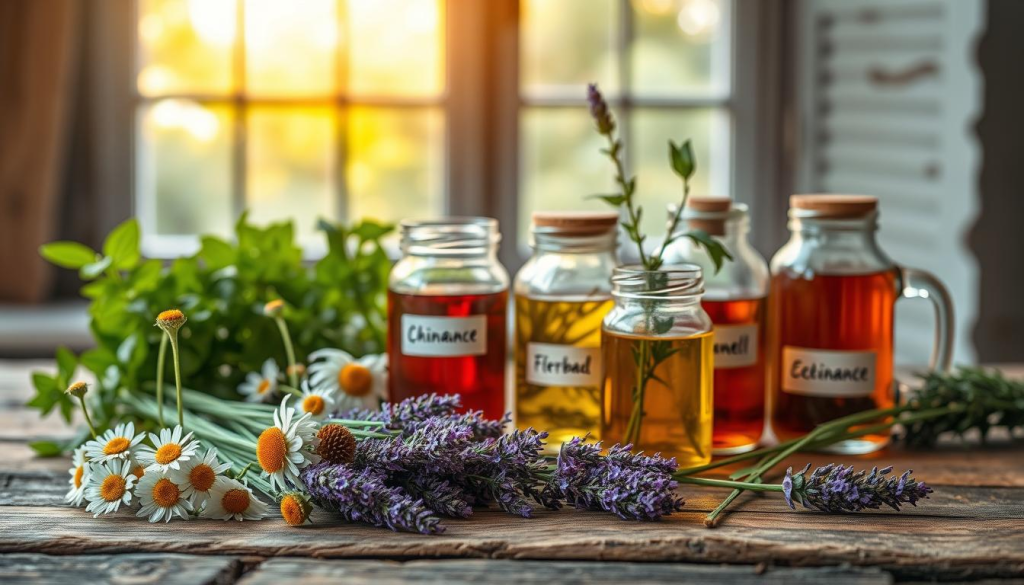
Aloe Vera for Burns and Cuts
Aloe vera is renowned for its soothing properties, making it an ideal remedy for burns and cuts. The gel inside the aloe vera leaf can be applied directly to the affected area to reduce inflammation and promote healing. Its antibacterial properties also help prevent infection, making it a staple in any natural first aid kit.
- Reduces inflammation and promotes healing
- Soothes burns and cuts
- Antibacterial properties help prevent infection
Arnica for Bruises and Sprains
Arnica is another herb that is highly effective in treating bruises and sprains. Its anti-inflammatory properties help reduce pain and swelling, making it easier to recover from injuries. Arnica can be applied topically in the form of creams or ointments.
- Reduces pain and swelling
- Promotes recovery from bruises and sprains
- Can be applied topically
Calendula for Skin Irritations
Calendula, also known as marigold, is a versatile herb used to treat various skin irritations, including rashes, minor cuts, and abrasions. Its anti-inflammatory and antimicrobial properties make it an excellent addition to any herbal remedies for health collection.
- Soothes skin irritations and rashes
- Promotes wound healing
- Antimicrobial properties prevent infection
Echinacea for Infections
Echinacea is widely recognized for its ability to boost the immune system and fight off infections. It can be used to prevent illness or to reduce the severity of colds and flu. Echinacea is available in various forms, including teas, tinctures, and capsules.
By understanding the benefits and uses of these essential herbs, you can create a comprehensive natural first aid kit that provides effective care for a variety of health issues.
Creating a Herbal First Aid Kit
Creating a herbal first aid kit requires careful consideration of the herbs and preparations included. A well-stocked kit can provide effective solutions for minor medical emergencies, leveraging the healing properties of herbal medicine.
Must-Have Herbs for Your Kit
When assembling your herbal first aid kit, there are several key herbs to include. These herbs are chosen for their versatility and the range of health benefits they offer.
- Calendula – Useful for skin irritations, cuts, and scrapes.
- Arnica – Effective for bruises, sprains, and strains.
- Ginger – Helps with digestive issues and nausea.
- Echinacea – Boosts immunity and can help fight off infections.
Tips for Storage and Shelf Life
Proper storage is crucial to maintaining the potency and shelf life of your herbal remedies. Here are some tips:
- Store herbs in a cool, dry place away from direct sunlight.
- Use airtight containers to preserve the freshness of dried herbs.
- Label each container with the herb’s name and the date it was prepared or acquired.
| Herb | Storage Method | Shelf Life |
|---|---|---|
| Dried Calendula | Airtight Container | 2 years |
| Arnica Tincture | Glass Bottle with Dropper | 5 years |
| Ginger Root | Refrigerator | 1 month |
DIY Herbal Infusions and Tinctures
Preparing your own herbal infusions and tinctures can be a rewarding process. Here’s a basic guide:
For infusions, use 1 tablespoon of dried herb per cup of boiling water. Steep for 5-10 minutes, then strain.
For tinctures, combine 1 part dried herb with 2 parts alcohol (such as vodka) in a jar. Store in a dark place for 2-4 weeks, shaking daily, before straining.
By following these guidelines, you can create a comprehensive herbal first aid kit that is tailored to your needs, utilizing the power of DIY herbal remedies to promote health and well-being.
Herbal Remedies for Common Ailments
Nature provides a wealth of herbal solutions for common health complaints. Herbal remedies have been used for centuries to treat a variety of everyday ailments, offering a natural alternative to conventional medicine.
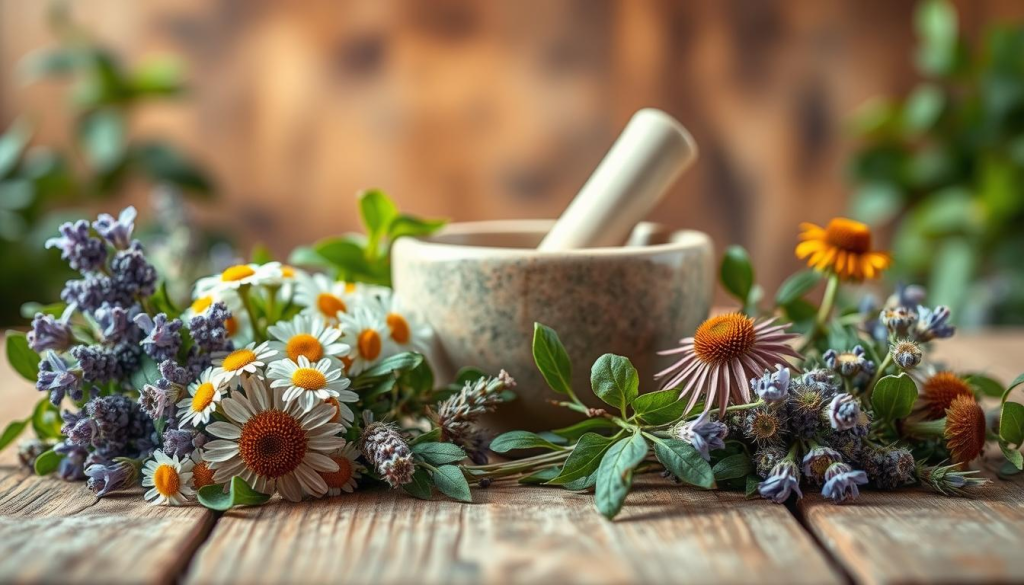
Treating Headaches Naturally
Headaches are a common issue that can be debilitating. Herbal teas, such as feverfew and ginger, have been traditionally used to alleviate headache symptoms. Feverfew, for instance, is known for its anti-inflammatory properties, while ginger has natural pain-relieving effects.
Relieving Digestive Issues
Digestive problems are another prevalent health concern. Ginger has been traditionally used to relieve digestive upset and nausea. Its anti-inflammatory properties help soothe the digestive tract, making it a popular remedy for indigestion and nausea.
Soothing Cold and Flu Symptoms
Cold and flu season brings a host of uncomfortable symptoms. Eucalyptus oil has been shown to relieve pain and reduce inflammation, making it a valuable addition to cold and flu remedies. It can be used in steam inhalation to help clear congestion.
These herbal remedies offer effective and natural solutions for managing common ailments, promoting overall health and well-being.
Herbal First Aid for Minor Injuries
When it comes to minor injuries, herbal first aid provides a gentle yet effective alternative to conventional treatments. Minor injuries such as sprains, cuts, and insect bites are common and can be quite bothersome. Fortunately, nature offers a variety of remedies that can help alleviate the discomfort and promote healing.
Sprains and Strains
Sprains and strains are among the most common minor injuries, often resulting from physical activity or accidents. Arnica oil is particularly effective in easing sore muscles and reducing inflammation due to sprains, bruises, and dislocations. It can be applied topically to the affected area to reduce pain and swelling.
As noted by herbalist Dr. Christopher Hobbs, “Arnica is one of the most well-researched herbs for its anti-inflammatory properties.” This makes it an invaluable addition to any herbal first aid kit.
Cuts and Scrapes
Cuts and scrapes are another type of minor injury that can be effectively treated with herbal remedies. Calendula is a herb that can be applied topically to minor cuts and scrapes to promote healing. Its antimicrobial properties help prevent infection, ensuring the wound heals quickly.
- Clean the wound with saline solution before applying calendula cream or ointment.
- Cover the wound with a bandage to protect it from further irritation.
- Reapply calendula cream several times a day to promote healing.
Insect Bites and Stings
Insect bites and stings can be quite painful and may cause allergic reactions in some individuals. Herbal remedies like plantain and tea tree oil can provide relief. Plantain has anti-inflammatory properties that can help reduce swelling, while tea tree oil’s antimicrobial properties can prevent infection.
| Herb | Use | Benefits |
|---|---|---|
| Arnica | Sprains and Strains | Reduces inflammation and pain |
| Calendula | Cuts and Scrapes | Promotes healing and prevents infection |
| Plantain | Insect Bites and Stings | Reduces swelling and itching |
By incorporating these herbal remedies into your first aid kit, you can be better prepared to handle minor injuries effectively. As Nature’s Medicine suggests, “Herbal remedies offer a holistic approach to health care, focusing on prevention and natural healing processes.”
Safety Considerations with Herbal Remedies
Understanding the safety aspects of herbal remedies is essential for their effective use. While these natural treatments can be highly beneficial, they are not without potential risks.
When to Seek Professional Help
It’s crucial to know when to consult a healthcare professional while using herbal remedies. Seek medical advice if you experience severe symptoms, have a pre-existing medical condition, or are taking other medications. Certain herbal remedies can interact with prescription drugs or exacerbate health issues.
- If you’re pregnant or breastfeeding, consult a healthcare provider before using herbal remedies.
- Children and pets may require special considerations; consult a professional for guidance.
- Monitor your body’s response to new herbal remedies and adjust as needed.
Understanding Allergies and Reactions
Allergic reactions to herbal remedies can occur, and it’s vital to recognize the signs. Common symptoms include skin rashes, itching, and difficulty breathing. If you suspect an allergic reaction, discontinue use and seek medical help if symptoms persist.
To minimize the risk of allergic reactions, start with small doses and observe your body’s response. Keeping a record of the herbal remedies you use and any reactions can be helpful.
Dosage Recommendations for Herbs
Following the correct dosage is critical for the safe and effective use of herbal remedies. Dosage recommendations vary based on factors like age, health status, and the specific herb being used. Always follow the recommended dosage on the product label or consult with a healthcare professional for personalized advice.
- Begin with a low dose to assess tolerance.
- Gradually increase the dosage as needed and under professional guidance.
- Be aware of the potential for interactions with other medications or health conditions.
By being mindful of these safety considerations, you can harness the benefits of herbal remedies while minimizing risks.
Integrating Herbal Remedies into Daily Health
The integration of herbal remedies into daily life is a holistic approach to health. By incorporating these natural remedies into your routine, you can enhance your overall well-being and prevent various health issues.
Daily Herbal Teas and Infusions
Drinking herbal teas and infusions is a simple and effective way to promote health. Herbs like peppermint, chamomile, and ginger can be used to make teas that aid digestion, reduce stress, and boost immunity.
For example, peppermint tea can be consumed after meals to aid digestion, while chamomile tea can be enjoyed before bed to promote relaxation.
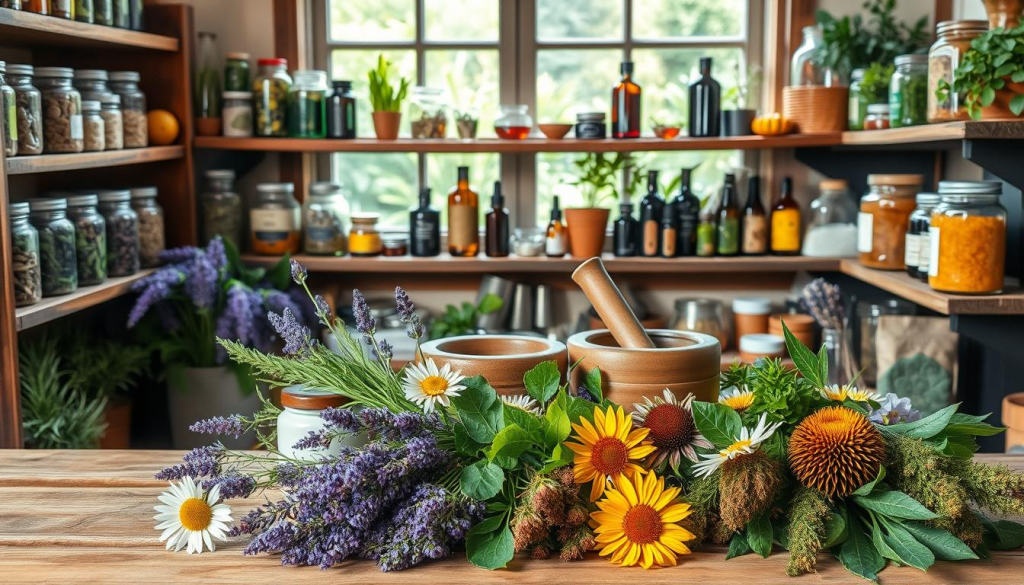
Cooking with Healing Herbs
Cooking with healing herbs is another way to integrate herbal remedies into your daily health routine. Herbs like turmeric, garlic, and oregano not only add flavor to dishes but also provide numerous health benefits.
- Turmeric contains curcumin, which has anti-inflammatory properties.
- Garlic is known for its cardiovascular benefits and immune-boosting properties.
- Oregano is rich in antioxidants and has antimicrobial properties.
Building Resilience and Immunity
Herbal remedies can play a significant role in building resilience and immunity. By using herbs like echinacea, elderberry, and ginseng, you can enhance your body’s natural defenses.
| Herb | Benefits |
|---|---|
| Echinacea | Boosts immune system, reduces severity of colds and flu |
| Elderberry | Rich in antioxidants, supports immune function |
| Ginseng | Enhances energy, improves mental clarity |
By incorporating these herbal remedies into your daily routine, you can take a proactive approach to your health and well-being.
The Role of Herbal Medicine in Chronic Conditions
Herbal medicine has been increasingly recognized for its potential in managing chronic conditions. Chronic conditions, by their nature, require long-term management, and herbal remedies can offer a natural and often effective approach to alleviating symptoms and improving quality of life.
Chronic conditions such as stress, heart disease, and joint pain affect millions of people worldwide. Herbal medicine provides a range of solutions that can be tailored to individual needs. For instance, herbal teas like lavender are known for their calming effects and can help reduce stress and promote relaxation.
Managing Stress with Herbal Solutions
Managing stress is crucial for overall health, and certain herbs are particularly effective in this area. Adaptogenic herbs like ashwagandha and rhodiola rosea help the body adapt to stress, promoting balance and well-being. These herbs can be consumed as teas, tinctures, or capsules, offering flexibility in how they are incorporated into daily routines.
Supporting Heart Health Naturally
Heart health is another critical area where herbal medicine can play a significant role. Herbs like hawthorn are traditionally used to support cardiovascular health. Hawthorn can help improve circulation, lower blood pressure, and strengthen heart function. It’s often consumed as a tea or tincture.
Herbal Aid for Joint Pain
Joint pain, often associated with arthritis, can be debilitating. Herbal remedies such as ginger and turmeric have anti-inflammatory properties, making them effective in managing joint pain. These herbs can be used in cooking, made into teas, or taken as supplements.
In conclusion, herbal medicine offers a valuable approach to managing chronic conditions. By understanding the specific herbs and their applications, individuals can make informed decisions about incorporating these natural remedies into their health regimens.
Research and Evidence in Herbal Medicine
As interest in alternative health grows, so does the need for rigorous research into herbal medicine. The integration of herbal remedies into modern healthcare practices necessitates a thorough understanding of their efficacy and safety, backed by scientific evidence.
Overview of Scientific Studies
Scientific studies on herbal medicine have proliferated in recent years, providing valuable insights into the potential benefits and risks associated with various herbs. These studies range from clinical trials assessing the therapeutic effects of specific herbs to pharmacological investigations into the bioactive compounds responsible for their medicinal properties.
For instance, turmeric and ginger have been subjects of numerous studies due to their anti-inflammatory properties. Turmeric, containing curcumin, has been shown to have potent anti-inflammatory and antioxidant effects, while ginger has been found to be effective in alleviating nausea and pain.
Popular Herbs Backed by Research
Several herbs have garnered significant attention in scientific literature due to their potential health benefits. These include:
- Ginkgo biloba for its potential cognitive-enhancing properties.
- St. John’s Wort for its antidepressant effects.
- Echinacea for its immune-boosting properties.
| Herb | Potential Benefit | Key Compound |
|---|---|---|
| Ginkgo biloba | Cognitive enhancement | Flavonoids, Terpenoids |
| St. John’s Wort | Antidepressant | Hyperforin |
| Echinacea | Immune system support | Polysaccharides |
Limitations and Cautions
While the body of research supporting the use of certain herbal remedies is growing, it’s crucial to acknowledge the limitations and potential risks. Variability in the quality of herbal products, potential interactions with conventional medications, and the need for standardized dosing are among the concerns that need to be addressed.
Furthermore, the efficacy of herbal remedies can vary significantly between individuals, and more research is needed to fully understand their mechanisms of action and potential side effects.
Combining Herbal and Conventional Medicine
Combining the best of herbal and conventional medicine can lead to more effective health outcomes, but it demands a thoughtful approach. As individuals seek to leverage the benefits of both systems, understanding how to integrate them safely is crucial.
Seeking Medical Advice
Before combining herbal remedies with conventional medicine, it is essential to seek medical advice. Healthcare professionals can provide guidance on potential interactions and help determine the best course of treatment.
- Discuss your current medications and health conditions with your healthcare provider.
- Inform your provider about any herbal remedies you are currently using.
- Seek advice on how to safely integrate herbal remedies into your treatment plan.
Communicating with Healthcare Providers
Effective communication with healthcare providers is key to successfully combining herbal and conventional medicine. Being open about your use of herbal remedies can help prevent adverse interactions.
- Keep a record of the herbal remedies you are using, including dosages.
- Discuss your health goals and how you hope herbal remedies will support your treatment.
- Ask questions about any potential risks or benefits associated with your treatment plan.
Balancing Approaches for Best Outcomes
Achieving the best health outcomes requires balancing herbal and conventional medicine. This involves being aware of the potential benefits and risks of each approach and working with healthcare providers to tailor a treatment plan that meets your individual needs.
By taking a comprehensive and informed approach, individuals can harness the strengths of both herbal and conventional medicine to achieve optimal health.
Resources for Learning More about Herbal First Aid
Exploring the world of herbal first aid can be a rewarding experience, and there are numerous resources available to deepen your understanding. Whether you’re a beginner or an experienced herbalist, continuing education is key to mastering the use of herbal remedies.
Recommended Reading
For those looking to expand their knowledge, several books on herbal medicine are highly recommended. Titles such as “The Herbal Medicine-Maker’s Handbook” by James Green and “The Encyclopedia of Herbal Medicine” by Andrew Chevallier provide comprehensive insights into herbal remedies and their applications.
Connecting with Online Communities
Online forums and communities dedicated to herbalism offer a platform to connect with like-minded individuals, share experiences, and learn from experts. Websites like the American Herbalists Guild and Herbal Academy provide valuable resources, including articles, webinars, and courses on herbal medicine.
Workshops and Local Herbalists
Engaging with local herbalists and attending workshops can provide hands-on experience and personalized guidance. Many communities host events and classes on herbalism, offering opportunities to learn about herbal first aid and its practical applications.