
For healthcare professionals, obtaining certification in CPR and first aid is crucial for ensuring patient safety and effective emergency response. According to Coast2Coast First Aid and Safety, CPR class durations vary by type, and their courses are designed to provide high-quality training.
The significance of CPR training for healthcare providers cannot be overstated, as it equips them with the skills necessary to respond to emergencies. By getting certified, healthcare professionals demonstrate their commitment to delivering high-quality patient care.
Key Takeaways
- CPR certification is essential for healthcare professionals to ensure patient safety.
- High-quality CPR training courses are available from providers like Coast2Coast First Aid and Safety.
- Certification demonstrates a commitment to delivering high-quality patient care.
- CPR class durations vary depending on the type of training.
- Effective CPR training enhances emergency response skills.
Understanding First Aid and CPR Certification for Providers
Certification in First Aid and CPR is not just a requirement, but a vital skillset for healthcare providers to respond effectively in emergencies. This certification ensures that providers are equipped with the necessary knowledge and skills to deliver immediate care in critical situations.
Pharma-Medical College offers comprehensive Standard First Aid and CPR training, covering a range of topics from muscle, bone, and joint injuries to cardiac arrest response. Such training programs are designed to enhance the capabilities of healthcare providers, ensuring they are prepared to handle various medical emergencies.
What is First Aid Certification?
First Aid certification involves training in basic life support techniques, wound care, and the management of various injuries. It is designed to equip healthcare providers with the skills necessary to provide immediate care until more definitive medical treatment can be accessed.
What is CPR Certification?
CPR (Cardiopulmonary Resuscitation) certification focuses on training individuals to respond to cardiac arrest by performing chest compressions and rescue breathing. AHA CPR certification is a well-recognized standard in the industry, emphasizing high-quality CPR techniques.
For those interested in obtaining CPR certification, cpr certification online courses offer a flexible and accessible option. These courses cover the essential skills and knowledge required to perform CPR effectively.
Importance of Certification for Healthcare Providers
Certification in First Aid and CPR is crucial for healthcare providers as it enhances patient safety and care. It ensures that providers are confident and competent in their ability to respond to emergencies.
| Certification Type | Description | Importance |
|---|---|---|
| First Aid Certification | Training in basic life support and wound care | Essential for immediate care in various injuries |
| CPR Certification | Training in cardiopulmonary resuscitation | Critical for responding to cardiac arrest |
Benefits of First Aid and CPR Certification
For healthcare providers, getting certified in First Aid and CPR is not just a requirement, but a vital skill that significantly impacts patient safety and emergency response. According to Toronto First Aid and CPR/AED, various training levels are available, including CPR/AED Level C and Standard First Aid & CPR/AED Level C, with a focus on hands-on training.
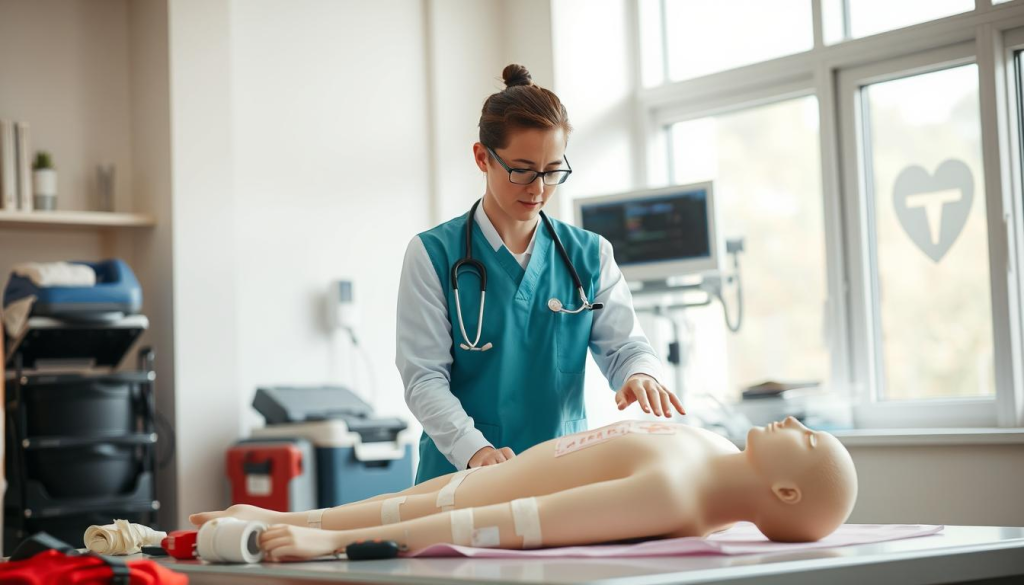
Enhanced Patient Safety
One of the primary benefits of First Aid and CPR certification is enhanced patient safety. By learning the latest techniques in first aid and CPR, healthcare providers can respond more effectively in emergency situations, potentially saving lives. As emphasized by experts, “The ability to respond appropriately in a medical emergency is crucial for patient survival and recovery.”
Boosting Confidence in Emergencies
Certification in First Aid and CPR also boosts the confidence of healthcare providers when dealing with emergencies. Knowing the correct procedures and having practiced them in training scenarios, professionals feel more assured in their ability to act swiftly and correctly. This confidence is crucial in high-pressure situations where every second counts.
Meeting Employer Requirements
Many healthcare employers require their staff to be certified in First Aid and CPR. By obtaining this certification, healthcare providers not only enhance their skills but also meet these employer requirements, making them more competitive in the job market. “Having First Aid and CPR certification is often a prerequisite for many healthcare roles,” highlighting its importance in career advancement.
In conclusion, First Aid and CPR certification offers numerous benefits for healthcare providers, from enhancing patient safety to boosting confidence in emergencies and meeting employer requirements. It is an essential investment in their professional development and patient care.
Course Format and Structure
Understanding the format and structure of First Aid and CPR certification courses is crucial for prospective students. The way a course is organized can significantly impact the learning experience.
Online vs. In-Person Training
Certification programs in First Aid and CPR are designed to be flexible, offering both online and in-person training options. Coast2Coast First Aid and Safety offers blended learning options for CPR certification, combining online learning with in-person skills sessions. This approach allows students to complete theoretical components at their own pace before attending practical sessions.
Online training provides the convenience of studying from anywhere, at any time, making it ideal for those with busy schedules. In contrast, in-person training offers hands-on experience and direct interaction with instructors, which can be beneficial for mastering practical skills.
Duration of Certification Programs
The duration of First Aid and CPR certification programs can vary. While some courses are designed to be completed in a few hours, others may span several days. The length often depends on the depth of the content and the level of certification being pursued.
For instance, a basic CPR certification might require a shorter training period compared to a comprehensive First Aid and CPR certification that covers a wider range of skills and knowledge.
Practical vs. Theoretical Components
A well-rounded First Aid and CPR certification program strikes a balance between theoretical knowledge and practical skills. Theoretical components cover the underlying principles of First Aid and CPR, while practical sessions provide hands-on experience in applying these principles.
The inclusion of both components ensures that students not only understand the concepts but are also able to perform the necessary skills effectively in real-life situations.
Key Skills Learned in Certification Programs
Certification in First Aid and CPR equips healthcare professionals with critical skills to manage life-threatening situations. The training programs are designed to impart comprehensive knowledge and practical skills necessary for handling emergencies.
Basic Life Support Techniques
One of the fundamental skills learned in these certification programs is Basic Life Support (BLS) techniques. This includes cardiopulmonary resuscitation (CPR), the use of automated external defibrillators (AEDs), and relief of choking. BLS is crucial for maintaining blood circulation and breathing in patients until advanced medical help arrives.
As emphasized by the American Heart Association, “High-quality CPR can double or triple a person’s chances of survival.” Effective BLS techniques are vital in saving lives during cardiac emergencies.
Control of Bleeding and Wound Care
Another critical skill covered is the control of bleeding and wound care. Participants learn how to apply direct pressure, use hemostatic agents, and manage wounds to prevent infection. Proper wound care is essential for promoting healing and minimizing complications.
Responding to Cardiac Arrest
Responding to cardiac arrest is a key component of First Aid and CPR certification. Trainees are taught to recognize the signs of cardiac arrest, call for emergency services, and perform CPR until professional help arrives. The ability to respond promptly and effectively can significantly improve patient outcomes.
According to the American Red Cross, “CPR can keep oxygen-rich blood flowing to the brain and other vital organs until emergency medical services (EMS) take over.” This highlights the importance of learning CPR as part of BLS training.
In conclusion, First Aid and CPR certification programs provide healthcare professionals with the essential skills to respond to emergencies, including BLS techniques, bleeding control, wound care, and responding to cardiac arrest. These skills are critical for enhancing patient safety and outcomes.
Who Should Get Certified?
Various professionals and individuals can benefit significantly from obtaining first aid and CPR certification. This training is not just for those in medical fields; it’s for anyone who wants to be prepared to handle emergencies.
Healthcare Professionals
Healthcare professionals, including doctors, nurses, and other medical staff, greatly benefit from first aid and CPR certification. This training ensures they are up-to-date with the latest techniques in patient care and emergency response. Certification is often a requirement for their roles and helps in providing high-quality care.
Emergency Responders
Emergency responders, such as firefighters and police officers, are often the first to arrive at the scene of an emergency. First aid and CPR training enables them to provide critical care before more advanced medical help arrives. Their ability to respond effectively can significantly impact outcomes in emergency situations.
Caregivers and Family Members
Caregivers, whether professional or family members caring for loved ones, can also greatly benefit from first aid and CPR certification. This training equips them with the skills to handle emergencies that may arise, providing peace of mind and potentially saving lives.
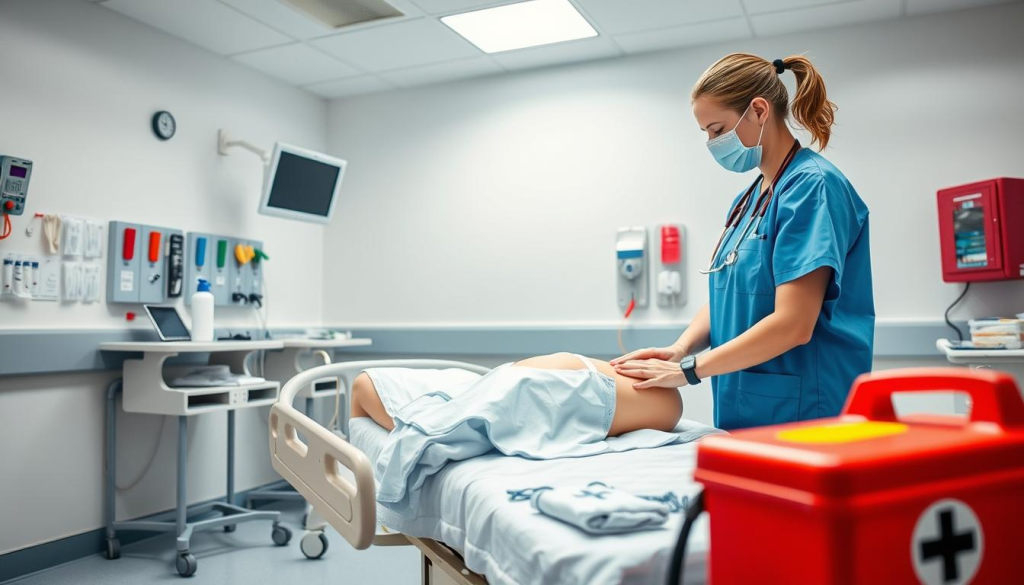
Toronto First Aid and CPR/AED training is designed for various audiences, including healthcare professionals, coaches, and childcare workers. By getting certified, individuals can ensure they are prepared to respond to emergencies effectively.
Selecting a Certification Provider
To ensure you receive a reputable certification, it’s essential to evaluate potential providers based on several key factors. When searching for CPR certification online, the choice of provider can significantly impact the validity and recognition of your certification.
Recognized Organizations
One of the critical factors in selecting a certification provider is their recognition by professional organizations. For instance, the American Heart Association (AHA) is a well-respected organization that offers AHA CPR certification programs. Providers accredited by such organizations ensure that their courses meet rigorous standards.
Coast2Coast First Aid and Safety is an example of an accredited provider that offers courses with experienced instructors and state-of-the-art equipment. Ensuring that your chosen provider is recognized by relevant professional bodies is vital for the credibility of your certification.
Course Validity and Standards
The validity and standards of the certification course are also crucial considerations. A reputable provider will offer courses that adhere to national and international standards, such as those set by the AHA or the Red Cross. These standards ensure that the training you receive is comprehensive and aligned with the latest medical guidelines.
It’s also important to verify that the provider’s courses are regularly updated to reflect the latest research and techniques in CPR and First Aid. This ensures that your certification remains relevant and valid over time.
Reviews and Testimonials
Another important factor is the feedback from previous participants. Reviews and testimonials can provide valuable insights into the quality of the courses offered by a certification provider. Look for providers with positive reviews that highlight their professionalism, the clarity of their instruction, and the overall learning experience.
By considering these factors, you can make an informed decision when selecting a certification provider for your CPR and First Aid needs. This careful selection process is essential for obtaining a certification that is both valid and recognized.
Course Requirements and Prerequisites
The journey to becoming certified in First Aid and CPR begins with understanding the prerequisites. Different certification programs may have varying requirements, but there are common criteria that most programs adhere to.
Age and Educational Requirements
Most First Aid and CPR certification courses do not have strict age limits, but participants are typically required to be at least 15 years old. The educational requirements are generally minimal, with some programs requiring a high school diploma or equivalent.
Previous Certifications
Some advanced First Aid and CPR courses may require previous certification in basic First Aid or CPR. For instance, a basic life support course might be a prerequisite for more advanced training. It’s essential to check with the certification provider for specific requirements.
Health Considerations
Certain health conditions might prevent individuals from participating fully in First Aid and CPR training, especially if the training involves physical exertion or exposure to certain environments. Participants are usually required to disclose any health concerns that could impact their ability to perform First Aid and CPR techniques.
For example, Pharma-Medical College has no prerequisites for their Standard First Aid and CPR course, making it accessible to a wide range of individuals. This flexibility is beneficial for those looking to get certified without prior qualifications.
| Certification Program | Age Requirement | Educational Requirement | Previous Certification |
|---|---|---|---|
| Basic First Aid & CPR | 15 years | High School Diploma | None |
| Advanced Life Support | 18 years | Basic Life Support Certification | Basic First Aid & CPR |
| Pediatric First Aid & CPR | 15 years | None | None |
Understanding these requirements is crucial for selecting the right certification program that aligns with your background and career goals. Whether you’re a healthcare professional or simply looking to be prepared for emergencies, knowing the prerequisites helps streamline the certification process.
Recertification and Continuing Education
Maintaining certification in First Aid and CPR is crucial for healthcare professionals to ensure they are equipped with the latest techniques and guidelines. As medical practices evolve, so too must the skills of those who provide care.
Timeline for Recertification
Typically, First Aid and CPR certifications are valid for two to three years, after which healthcare providers must undergo recertification. Toronto First Aid and CPR/AED offers recertification courses that are designed to update individuals on the latest guidelines and techniques.
The exact timeline can vary depending on the certifying organization and the specific certification held. It’s essential for healthcare professionals to check with their certifying body to determine the recertification schedule.
Ongoing Training Opportunities
Beyond recertification, healthcare providers can benefit from ongoing training opportunities. These may include workshops, seminars, and online courses that focus on advanced First Aid and CPR techniques.
- Advanced Cardiac Life Support (ACLS)
- Pediatric Advanced Life Support (PALS)
- Specialized wound care and management
Such training not only enhances patient care but also contributes to the professional development of healthcare providers.
Importance of Keeping Skills Updated
Staying current with the latest First Aid and CPR practices is vital for delivering high-quality patient care. Regular training and recertification ensure that healthcare professionals are prepared to respond effectively in emergencies.
The importance of being prepared cannot be overstated, as the ability to act swiftly and correctly can significantly impact patient outcomes.
In conclusion, recertification and continuing education are essential components of a healthcare professional’s career. By staying updated with the latest practices, healthcare providers can ensure they deliver the best possible care.
Cost of First Aid and CPR Certification
The cost of obtaining First Aid and CPR certification can vary significantly based on several factors.
Price Ranges for Different Programs
Different certification programs offer a range of pricing options. For instance, Coast2Coast First Aid and Safety offers courses at various price points depending on the format and content. Generally, the cost can range from $50 to over $200 per participant, depending on the level of certification and the duration of the course.
| Certification Type | Price Range | Duration |
|---|---|---|
| Basic Life Support (BLS) | $50-$100 | 4-8 hours |
| First Aid and CPR Certification | $100-$200 | 8-12 hours |
| Advanced Cardiovascular Life Support (ACLS) | $150-$300 | 12-16 hours |
Factors Affecting Certification Costs
Several factors can influence the cost of certification, including the type of certification, the provider, and the format of the course (online vs. in-person). Recognized organizations often charge more due to the credibility and validity of their certifications.
Online courses can be more cost-effective, as they eliminate the need for travel and accommodation. However, some in-person training may offer hands-on experience that is invaluable for certain certifications.
Insurance Reimbursements
In some cases, the cost of First Aid and CPR certification can be reimbursed by insurance, especially for healthcare professionals. It’s essential to check with your insurance provider to understand what is covered.
For healthcare providers, having bls and cpr certification is not only a requirement but also an investment in their career and patient safety.
Preparing for Your Certification Exam
Preparing for your healthcare provider CPR training certification exam requires a comprehensive approach. This involves understanding the exam format, utilizing the right study materials, and practicing with simulations or practice tests.
Study Resources and Materials
To start, it’s crucial to gather the right study resources and materials. Pharma-Medical College provides a comprehensive course that includes both theoretical knowledge and practical skills training. Utilize textbooks, online resources, and study guides that are recommended by your certification program.
Key study materials include:
- Textbooks and study guides specific to healthcare provider CPR training
- Online resources, such as video tutorials and interactive modules
- Practice tests and quizzes to assess your knowledge
Practice Tests and Simulations
Practice tests and simulations are vital components of your preparation. They help you become familiar with the exam format and timing, reducing anxiety on the actual test day. Look for practice tests that mimic the real exam experience.
Benefits of practice tests include:
- Improved time management during the exam
- Enhanced understanding of the exam format
- Increased confidence in your knowledge and skills
Tips for Success
To succeed in your CPR certification online exam, it’s essential to stay focused and manage your study time effectively. Here are some tips:
- Create a study schedule and stick to it
- Review and practice regularly, using a variety of study materials
- Join a study group or find a study partner for support
By following these tips and utilizing the right study resources, you can confidently prepare for your certification exam and achieve success.
Real-Life Applications of First Aid and CPR
The application of First Aid and CPR skills in real-life scenarios can significantly impact patient outcomes. Training programs, such as those offered by Toronto First Aid and CPR/AED, include hands-on practice that prepares students for emergency situations.
Case Studies of Successful Interventions
Numerous case studies highlight the effectiveness of First Aid and CPR training in saving lives. For instance, a healthcare provider trained in CPR can respond to cardiac arrests by administering chest compressions and using an automated external defibrillator (AED).
Successful interventions often involve a combination of skills learned during healthcare provider first aid training, including wound care and basic life support techniques. These skills are crucial in emergency situations, where every minute counts.
- Prompt response to cardiac emergencies
- Effective management of bleeding and wounds
- Appropriate use of first aid equipment, such as AEDs
Common Emergency Scenarios
Emergency scenarios can range from cardiac arrests to severe injuries. Being prepared for such events is critical for healthcare providers and individuals alike. Common scenarios include:
- Cardiac arrests in public places or at work
- Severe allergic reactions requiring epinephrine administration
- Trauma injuries necessitating immediate first aid
Importance of Being Prepared
Being prepared is key to responding effectively in emergencies. Aha cpr certification and first aid training equip individuals with the confidence and skills needed to act swiftly.
The importance of being prepared cannot be overstated, as it directly influences the outcome of emergency situations. Regular training and practice ensure that skills are kept up to date, ready for when they are needed.
Conclusion: Start Your Certification Journey Today
Embarking on a First Aid and CPR certification journey is a crucial step for healthcare providers to enhance their skills and ensure patient safety. With the knowledge gained from certification programs, individuals can confidently respond to emergencies and make a significant difference in critical situations.
Enrolling in a Certification Course
To get started, individuals can visit the Coast2Coast First Aid and Safety website to register for their courses or contact them directly. The process is straightforward, and their team is available to guide you through the enrollment steps. When selecting a course, consider programs that offer cpr and first aid recertification options and are designed specifically for healthcare provider cpr classes.
Take the First Step
Don’t wait until an emergency arises to take action. Enroll in a certification course today and take the first step towards enhancing your skills and confidence in responding to emergencies. By obtaining First Aid and CPR certification, you will not only improve patient outcomes but also contribute to a safer environment for everyone.