Being prepared for medical emergencies is crucial. Knowing how to respond in emergency situations can significantly impact the outcome. Emergency medical assistance is not just about reacting to emergencies; it’s also about understanding how to prevent them.
Having knowledge in first aid and health questions can help individuals make informed decisions about their well-being. It’s essential to stay informed about the basics of medical emergencies and how to handle them effectively.
Key Takeaways
- Understanding emergency medical assistance is vital.
- Knowledge of first aid can help prevent health issues.
- Being prepared for medical emergencies saves lives.
- Staying informed is key to making informed health decisions.
- Basic knowledge of first aid techniques is essential.
Understanding Basic First Aid: What You Need to Know
In emergency situations, having a grasp of basic first aid techniques can make a significant difference. First aid is the immediate care given to someone who is injured or suddenly becomes ill. It’s crucial for addressing common health concerns and providing an injury treatment guide until professional medical help arrives.
The Importance of First Aid in Emergencies
First aid plays a vital role in emergency situations. It helps to:
- Save lives
- Prevent injuries from becoming worse
- Provide relief from pain
- Help in the recovery process
Understanding first aid techniques, such as CPR and wound care, is essential. For instance, knowing the SAMPLE questions used in assessing patients (Signs and symptoms, Allergies, Medications, Past medical history, Last oral intake, Events leading to the illness or injury) can be very helpful.
Common First Aid Techniques Everyone Should Learn
There are several first aid techniques that everyone should be familiar with. These include:
- CPR (Cardiopulmonary Resuscitation): A lifesaving technique that’s useful in many emergencies, such as heart attacks.
- Wound Care: Knowing how to clean, dress, and manage wounds is crucial for preventing infection.
- The ABCs of CPR: Understanding the airway, breathing, and circulation steps is vital for effective CPR.
By learning these basic first aid techniques, individuals can be better prepared to handle emergencies and provide the necessary care until medical professionals arrive.
First Aid Supplies: What You Should Keep on Hand
In the event of an accident or injury, having the appropriate first aid supplies readily available can make a significant difference. A well-prepared first aid kit is essential for providing immediate care and can help prevent minor injuries from becoming more serious.
Essential Items for Your First Aid Kit
A basic first aid kit should include a variety of supplies to address different types of injuries and conditions. Some of the essential items to include are:
- Bandages and band-aids in various sizes
- Gauze pads and rolls
- Medical tape
- Antiseptic wipes and spray
- Gloves
- CPR mask
- Scissors and tweezers
- First aid manual or guide
It’s also a good idea to include any personal medications or items that might be needed for specific conditions, such as an EpiPen for severe allergic reactions.
Tips for Maintaining Your Supplies
Simply having a first aid kit is not enough; it’s equally important to ensure that your supplies are up to date and easily accessible. Here are some tips for maintaining your first aid supplies:
- Regularly check the expiration dates of your supplies and replace any items that are past their expiration date.
- Restock any items that have been used or are running low.
- Keep your first aid kit in an easily accessible location, known to all household members or employees.
- Consider having multiple first aid kits in different locations, such as at home, in your vehicle, and at your workplace.
By following these guidelines, you can ensure that you are prepared to provide effective first aid when it’s needed. For more information on first aid and healthcare inquiries, consider consulting reputable sources or seeking medical advice online.
Recognizing Common Health Issues: Know the Signs
Recognizing the symptoms of serious health concerns is crucial for timely medical intervention. Common health issues such as allergic reactions and strokes can have severe consequences if not addressed promptly.
Symptoms of Allergic Reactions and Anaphylaxis
Allergic reactions occur when the body’s immune system reacts to a foreign substance. Symptoms can range from mild to severe and include:
- Itching or tingling in the mouth
- Hives or itchy skin
- Swelling of the face, lips, tongue, or throat
- Stomach cramps
- Diarrhea
- Constriction of the airways, leading to wheezing or difficulty breathing
Anaphylaxis is a severe, life-threatening allergic reaction that requires immediate medical attention. Symptoms include:
- Constriction of the airways, leading to difficulty breathing
- Rapid heartbeat
- Dizziness or fainting
- Confusion or loss of consciousness
“Anaphylaxis is a medical emergency that requires immediate treatment with epinephrine.”
Identifying Signs of a Stroke
A stroke occurs when the blood supply to the brain is interrupted or reduced, depriving the brain of oxygen and nutrients. Recognizing the signs of a stroke is crucial for timely medical intervention.
The American Heart Association recommends the FAST method to identify stroke symptoms:
- Face: Ask the person to smile. Does one side of their face droop?
- Arm: Ask the person to raise both arms. Does one arm drift downward?
- Speech: Ask the person to repeat a simple sentence. Is their speech slurred or difficult to understand?
- Time: Time is crucial. If the person shows any of these symptoms, call for emergency medical services immediately.
| Signs of a Stroke | Description |
|---|---|
| Face Drooping | One side of the face droops when the person smiles |
| Arm Weakness | One arm drifts downward when the person raises both arms |
| Speech Difficulty | Speech is slurred or difficult to understand |

Being aware of these common health concerns and knowing how to respond can significantly impact outcomes in emergency situations. Prompt recognition and appropriate response can be lifesaving.
First Aid for Cuts and Scrapes: An Easy Guide
Treating cuts and scrapes effectively is crucial for preventing infection and promoting healing. Whether you’re at home, at work, or outdoors, knowing how to properly care for minor injuries can make a significant difference in your recovery.
Cleaning and Dressing Wounds
The first step in treating a cut or scrape is to clean the wound thoroughly. Rinse the affected area with cool or lukewarm water to remove any debris. Use mild soap and a clean cloth to gently clean around the wound. Avoid using harsh soap, hydrogen peroxide, or iodine, as these can irritate the skin.
After cleaning, dry the area and apply an antibiotic ointment to help prevent infection. Cover the wound with a bandage or dressing to protect it from dirt and bacteria. For minor cuts and scrapes, this simple care can promote healing and reduce the risk of scarring.
- Stop any bleeding by applying gentle pressure with a clean cloth.
- Clean the wound as described.
- Apply antibiotic ointment.
- Cover with a bandage.
When to Seek Medical Attention
While many cuts and scrapes can be treated at home, there are times when medical attention is necessary. If you notice signs of infection, such as increased redness, swelling, or pus, seek healthcare. Deep wounds, those that won’t stop bleeding, or cuts on the face or near joints also require medical evaluation.
- If the wound is deep or jagged.
- If you can’t stop the bleeding.
- If there are signs of infection.
- If the cut is on the face or near a joint.
For healthcare inquiries or if you’re unsure about the severity of an injury, consulting a healthcare professional is always the best course of action. They can provide guidance on the appropriate treatment and ensure that you’re on the path to recovery.
CPR and AED: Life-Saving Techniques Explained
In emergency situations, knowing how to perform CPR and use an AED can be lifesaving. These techniques are crucial for providing emergency medical assistance and can significantly impact the outcome of a medical emergency.
Cardiopulmonary resuscitation (CPR) and automated external defibrillators (AEDs) are lifesaving tools that can help restore a person’s heartbeat and breathing when they are in cardiac arrest. Understanding how to use these devices effectively is vital.
Steps to Perform CPR Effectively
Performing CPR involves a series of steps that help maintain blood circulation and oxygenation to vital organs until medical help arrives. The steps include:
- Checking the scene for safety and the person’s responsiveness
- Calling 911 or your local emergency number
- Starting chest compressions at a rate of 100-120 per minute
- Giving rescue breaths after every 30 compressions
- Continuing CPR until emergency medical personnel arrive
Proper training is essential to perform CPR effectively. It is recommended to take a CPR course to learn the correct techniques and gain hands-on experience.
How to Use an AED Safely
An AED is a portable device that analyzes the heart’s rhythm and, if necessary, delivers an electric shock to help the heart re-establish an effective rhythm. To use an AED safely:
- Turn on the AED and follow the voice prompts
- Attach the electrode pads to the person’s bare chest as shown in the diagrams
- Ensure no one is touching the person when the AED analyzes the heart rhythm
- If advised by the AED, press the button to deliver a shock
- Continue CPR after the shock until emergency medical personnel arrive
It is crucial to follow the AED’s instructions carefully and ensure the device is used in a safe and dry environment.
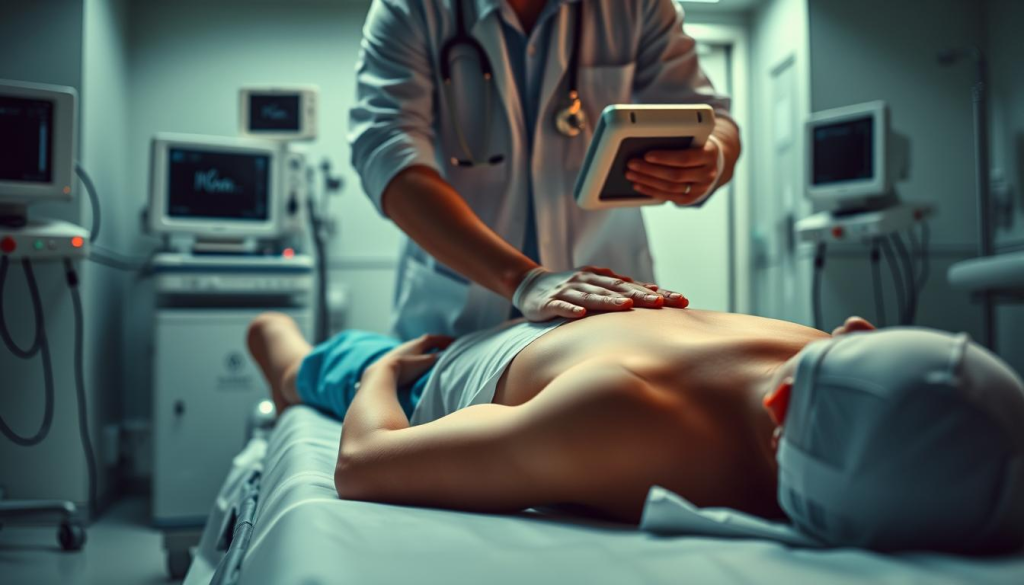
Both CPR and AED techniques are critical in responding to cardiac emergencies. By understanding and practicing these lifesaving skills, individuals can provide effective emergency medical assistance and potentially save lives.
First Aid for Burns: Treating Various Degrees
Treating burns effectively requires understanding the different degrees of burns and the appropriate first aid response. Burns are classified into three main categories: first-degree, second-degree, and third-degree, each requiring distinct treatment approaches.
First, Second, and Third-Degree Burns
First-degree burns affect only the outer layer of the skin, causing redness, swelling, and pain. These burns are typically minor and can be treated with basic first aid. Second-degree burns extend into the second layer of skin, leading to blisters, in addition to redness and swelling. They require more careful treatment to prevent infection. Third-degree burns are severe, penetrating through all layers of the skin and potentially damaging underlying tissues. They necessitate immediate medical attention.
It’s crucial to identify the degree of the burn to provide the appropriate care. While first-degree burns can often be managed at home, second and third-degree burns may require professional medical help.
Cooling the Burn and Proper Aftercare
For minor burns, cooling the burn is the first step in treatment. Run cool tap water over the burn for about 10 minutes or until the pain subsides. Avoid using ice or ice water, as this can cause further damage. After cooling, cover the burn with a non-stick, sterile bandage or dressing to protect it from infection.
For more severe burns, or if you’re unsure about the severity, it’s essential to seek medical help. Proper aftercare includes keeping the burn clean, applying topical antibiotic ointment, and changing the dressing daily. Monitoring for signs of infection, such as increased redness, swelling, or pus, is also vital.
In summary, understanding the degree of a burn and applying the correct first aid can significantly impact the healing process. Whether it’s a minor first-degree burn or a more severe third-degree burn, knowing how to respond can make all the difference.
Health Questions: Finding Reliable Answers
As people increasingly turn to the internet for health advice, the importance of verifying the credibility of online sources cannot be overstated. The abundance of health information online has made it both a blessing and a curse, providing a wealth of knowledge at our fingertips while also posing risks of misinformation.
Relying on credible sources is crucial when seeking answers to health questions. This involves understanding the difference between consulting healthcare professionals and using online resources.
Consulting Healthcare Professionals vs. Online Resources
Healthcare professionals offer personalized advice based on individual health conditions, medical history, and the latest clinical guidelines. In contrast, online resources can provide general information and support but may lack the specificity and reliability of professional medical advice.
When using online resources, it’s essential to evaluate the credibility of the source. Look for websites affiliated with reputable organizations, such as the American Heart Association or the Centers for Disease Control and Prevention (CDC).
| Criteria | Healthcare Professionals | Online Resources |
|---|---|---|
| Personalization | High | Low |
| Reliability | High | Variable |
| Accessibility | Moderate | High |
Importance of Trusted Sources for Health Information
Trusted sources are vital for ensuring that the health information you receive is accurate and reliable. These sources include government health websites, peer-reviewed journals, and information from established health organizations.

When searching for health information online, be cautious of sources with potential biases or those that are not supported by scientific evidence. Always verify information through multiple sources when possible.
Dealing with Sprains and Strains: A First Aid Approach
When it comes to sprains and strains, knowing the right first aid approach can make a significant difference in the recovery process. Sprains and strains are among the most common health concerns that individuals face, often resulting from physical activities, accidents, or even simple movements.
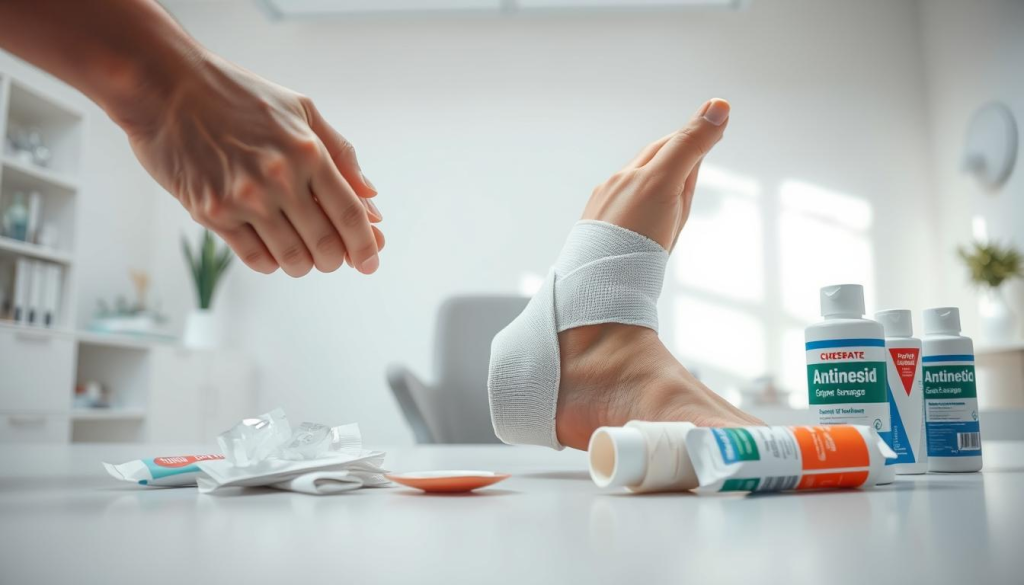
Understanding the initial steps to manage these injuries is crucial. The RICE method is a widely recommended injury treatment guide that stands for Rest, Ice, Compression, and Elevation.
Initial Treatment: RICE Method
The RICE method is a first aid technique used to treat sprains and strains. Here’s how to apply it:
- Rest: Stop activity and rest the injured area.
- Ice: Apply ice to reduce pain and swelling.
- Compression: Use a bandage or wrap to compress the area, which helps reduce swelling.
- Elevation: Elevate the injured limb above the level of the heart to reduce swelling.
When to Consult a Doctor
While the RICE method can be effective for minor sprains and strains, there are situations where medical attention is necessary. If you experience severe pain, significant swelling, or if the injury doesn’t improve with the RICE method, it’s essential to consult a healthcare professional.
Additionally, if you have a history of similar injuries or if the sprain or strain is accompanied by other symptoms such as numbness, tingling, or difficulty moving the affected limb, seeking medical advice is advisable.
Mental Health First Aid: Supporting Those in Need
Understanding how to support someone experiencing a mental health crisis can be lifesaving. Mental health first aid is about being prepared to help individuals who are struggling with their mental wellbeing, providing them with the support and resources they need during difficult times.
Recognizing Signs of Mental Health Crises
Identifying the signs of a mental health crisis is the first step in providing effective support. These signs can include withdrawal from social activities, significant changes in mood or behavior, and expressions of hopelessness or despair. It’s crucial to be aware of these indicators to offer timely assistance.
| Signs | Description | Action |
|---|---|---|
| Withdrawal | Avoiding social interactions and activities | Encourage communication |
| Mood Changes | Significant shifts in emotional state | Offer emotional support |
| Expressions of Hopelessness | Verbal cues indicating despair | Provide resources for professional help |
How to Offer Help and Resources
Once you’ve recognized the signs, it’s essential to know how to offer help. This can involve listening without judgment, encouraging professional help, and providing resources for emergency medical assistance. For healthcare inquiries, directing individuals to trusted sources of information is vital.
By being informed and prepared, we can make a significant difference in the lives of those experiencing mental health crises. It’s about creating a supportive environment where individuals feel comfortable seeking help.
Staying Informed: Keeping Your First Aid Knowledge Updated
First aid techniques and guidelines evolve over time, making it essential to stay updated on the latest medical advice online to provide effective care in emergencies.
Recommended Courses and Certifications
Organizations like the American Red Cross offer various first aid courses and certifications that cover a wide range of topics, from basic wound care to advanced life-saving techniques. These courses are designed to equip individuals with the knowledge and skills needed to respond to emergencies confidently.
Ongoing Learning Resources
For those looking to expand their knowledge beyond formal courses, numerous online resources and guides are available. Reputable health websites and injury treatment guides provide detailed information on various first aid topics, ensuring that individuals can continue learning and staying informed.
By regularly updating your first aid knowledge and skills, you can make a significant difference in your community and beyond.