
Behind the scenes of any restaurant, there’s a significant amount of work that goes into preparing the kitchen before the doors open to customers. A well-organized kitchen is crucial for a smooth service, and a key component of this organization is a prep list. This list serves as a guide, outlining all the tasks that need to be completed before service begins.
Using a prep list for kitchen template can streamline kitchen operations, ensuring that everything runs efficiently. By having a clear plan, kitchen staff can prioritize tasks, manage their time more effectively, and maintain a high level of productivity.
Key Takeaways
- A kitchen prep list is essential for organizing tasks before service.
- Using a prep list template can improve kitchen efficiency.
- A well-organized kitchen is crucial for a successful service.
- Prioritizing tasks is key to maintaining productivity.
- A clear plan helps in managing time effectively.
Why You Need a Kitchen Prep List Template
The importance of a kitchen prep list template cannot be overstated for efficient meal preparation. A well-structured template helps in maintaining kitchen organization, a crucial aspect for both home cooks and professional chefs.
Benefits of Staying Organized
Staying organized in the kitchen is fundamental to successful meal preparation. A kitchen prep list template aids in this by providing a clear outline of what needs to be prepared, thus streamlining the cooking process. The benefits include:
- Reduced Stress: Knowing exactly what needs to be done reduces kitchen stress.
- Time Efficiency: A prep list helps in allocating tasks effectively, saving time.
- Improved Productivity: By following a structured list, kitchen productivity is significantly enhanced.
Reducing Food Waste
One of the significant advantages of using a kitchen prep list template is the reduction of food waste. By having a clear inventory of ingredients and planning meals accordingly, kitchens can avoid overbuying and thus reduce waste. Key strategies include:
- Inventory Management: Regularly updating the inventory list to reflect what’s in stock.
- Meal Planning: Planning meals around what’s available to avoid last-minute purchases.
- Portion Control: Preparing the right amount of food to avoid excess.
Enhancing Meal Prep Efficiency
A kitchen prep list template also enhances meal prep efficiency by breaking down the preparation process into manageable tasks. This not only speeds up the cooking process but also ensures that meals are prepared consistently. Benefits include:
- Consistency: Ensuring that meals are prepared to the same standard every time.
- Speed: Streamlining the prep process to save time.
- Quality Control: Maintaining high-quality dishes by following a standardized prep list.
By incorporating a kitchen prep list template into daily kitchen routines, individuals can significantly improve their kitchen organization, reduce food waste, and enhance meal prep efficiency.
Essential Elements of a Kitchen Prep List
The foundation of a successful kitchen prep lies in its essential elements, which include inventory, tools, and prep steps. A comprehensive kitchen prep list is vital for kitchen organization ideas and efficient meal preparation. By incorporating these elements, home cooks and professional chefs alike can streamline their cooking processes.
Ingredients Inventory
An ingredients inventory is a critical component of a kitchen prep list, allowing cooks to keep track of the ingredients they have on hand. This inventory should include not only the quantity of each ingredient but also its expiration date to prevent food waste. By maintaining an up-to-date inventory, cooks can plan meals more effectively and make informed grocery lists.
For instance, a well-maintained inventory can help identify what’s missing for a particular recipe, ensuring that all necessary ingredients are procured before starting to cook. As celebrated chef, Julia Child, once said, “
The only time to eat diet food is while you’re waiting for the steak to cook.
” This emphasizes the importance of having the right ingredients on hand.
Cooking Tools Checklist
A cooking tools checklist is another essential element of a kitchen prep list, ensuring that all necessary equipment is available and in good condition. This checklist should include pots, pans, utensils, and appliances, helping cooks to prepare for meal prep without last-minute scrambles. By having the right tools, cooks can execute recipes more efficiently and safely.

Prep Steps Breakdown
The prep steps breakdown involves detailing the specific tasks required to prepare a meal, from chopping vegetables to marinating proteins. This breakdown helps cooks to stay organized and focused, ensuring that each step of the meal prep process is completed on time. By having a clear plan, cooks can reduce stress and enjoy a more streamlined cooking experience.
Utilizing a meal prep template can further enhance the prep steps breakdown, providing a structured format for outlining meal preparation tasks. This can be particularly helpful for complex recipes or large meal prep operations.
How to Create Your Own Kitchen Prep List
Creating a kitchen prep list is a straightforward process that can be tailored to your specific cooking needs. To get started, you’ll need to understand the core elements that make up an effective prep list.
Start with an Outline
Begin by analyzing your menu items and determining which steps and ingredients can be handled ahead of time. This involves:
- Identifying the ingredients needed for your recipes
- Breaking down complex recipes into simpler tasks
- Determining the cooking techniques required
This initial step helps you create a meal prep checklist that is both comprehensive and manageable.
Customize for Your Recipes
Customizing your kitchen prep list for your recipes is crucial. This means:
- Reviewing your favorite recipes to identify common ingredients and cooking methods
- Adjusting the list to accommodate different cooking techniques and ingredient quantities
- Incorporating kitchen organization tips to streamline your prep work
By tailoring your list to your specific recipes, you’ll be able to optimize your kitchen workflow.
Practical Tips for Effective Lists
To make your kitchen prep list effective, consider the following practical tips:
- Keep your list concise and focused on essential tasks
- Regularly update your list to reflect changes in your meal plans and ingredient availability
- Use your list to identify opportunities for batch cooking and meal prep
By implementing these strategies, you’ll be able to create a kitchen prep list that enhances your cooking efficiency.
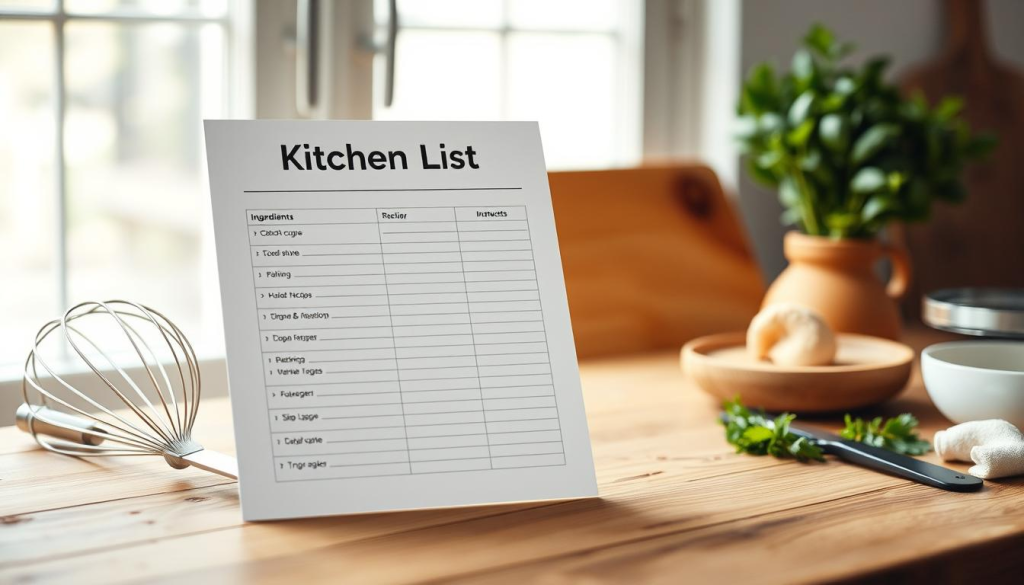
Downloadable Kitchen Prep List Template
Simplify your meal preparation with our free kitchen prep list template, available for download. This template is designed to help you stay organized, reduce food waste, and enhance your meal prep efficiency.
How to Access the Template
To access our prep list for kitchen template, simply click on the download link provided at the end of this section. You will be directed to a page where you can choose from various format options.
Format Options Available
Our kitchen pantry inventory tracker template is available in multiple formats to suit your needs:
- Printable PDF for a quick and easy reference
- Editable Excel for customization according to your recipes and preferences
Instructions for Use
Once you have downloaded the template, follow these simple steps to get started:
- Open the template in your chosen format
- Customize the list according to your meal plans and ingredients
- Regularly update your list to reflect changes in your pantry inventory and meal plans
By following these steps, you can effectively use our prep list for kitchen template to streamline your kitchen preparation process.
Customizing Your Kitchen Prep List
Effective kitchen organization starts with a customized prep list. By tailoring your list to your specific needs, you can streamline your meal preparation process, reduce waste, and enhance your overall cooking experience.
Choose Your Layout Style
The layout of your kitchen prep list can significantly impact its usability. Consider whether a digital or print format works best for you. Some people prefer the flexibility of a digital list on their tablet or smartphone, while others like the tangibility of a printed list on their kitchen counter.
Digital Lists: Offers the advantage of easy editing and access across multiple devices. You can quickly update your list and check it on your phone while cooking.
Printed Lists: Provide a tactile experience and can be easier to reference in a kitchen environment without worrying about device battery life.
Add Personal Touches
Personalizing your kitchen prep list involves more than just choosing a layout. You can add sections that are relevant to your cooking habits, such as a notes section for jotting down recipe variations or a favorites list for quick reference.
- Include space for meal planning notes to help you organize your weekly meals.
- Add a section for tracking pantry staples to ensure you’re not duplicating purchases.
- Customize the list to include your favorite recipes or cooking techniques.
Adjust Based on Meal Plans
Your kitchen prep list should be flexible enough to accommodate changes in your meal plans. Whether you’re planning meals a week in advance or cooking spontaneously, your list should adapt to your needs.
Review and Revise: Regularly review your kitchen prep list and revise it as needed. This ensures that it remains relevant and effective in supporting your meal preparation.
By customizing your kitchen prep list, you can improve your kitchen organization and enhance your meal planning process. This tailored approach helps in making meal preparation more efficient and enjoyable.
Tips for Using Your Kitchen Prep List
Making the most out of your kitchen prep list requires some insider knowledge. To get the most out of your meal prep template, it’s essential to implement a few strategic practices.
Regularly Update Your List
Keeping your kitchen prep list up-to-date is crucial for efficiency. Regular updates help you stay on top of what’s working and what’s not, allowing you to adjust your strategies accordingly. This practice is a key part of effective kitchen organization ideas.
Incorporate Seasonal Ingredients
Incorporating seasonal ingredients into your meal prep can enhance flavor, reduce costs, and support local farmers. By adjusting your meal prep template to include what’s in season, you can keep your meals exciting and varied.
Use It for Batch Cooking
Batch cooking is a great way to save time during the week. By using your kitchen prep list to plan and organize batch cooking sessions, you can ensure that you have healthy meals ready to go. This approach is a cornerstone of effective meal prep and kitchen organization.
| Tip | Benefit |
|---|---|
| Regularly Update Your List | Enhances efficiency and reduces waste |
| Incorporate Seasonal Ingredients | Improves flavor and supports local farmers |
| Use It for Batch Cooking | Saves time and ensures healthy meals |
By implementing these tips, you can maximize the benefits of your kitchen prep list and enjoy a more organized, efficient kitchen.
Organizing Your Kitchen for Prep Success
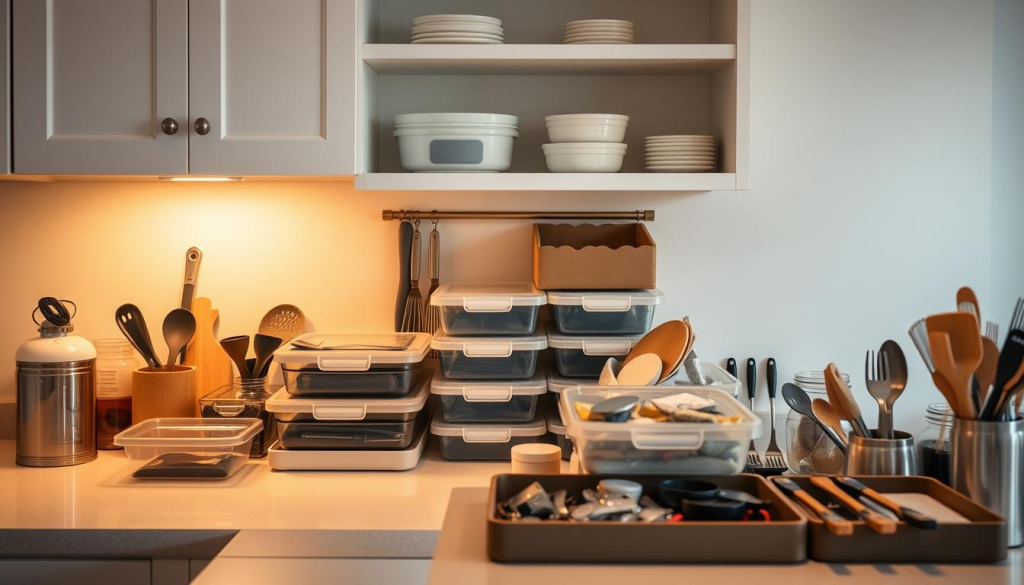
A clutter-free kitchen is the foundation of successful meal prep. To achieve prep success, it’s essential to organize your kitchen in a way that promotes efficiency and reduces stress. As Julia Child once said, “The only time to eat diet food is while you’re waiting for the steak to cook.” This quote emphasizes the importance of having a well-organized kitchen where you can focus on cooking rather than searching for ingredients or utensils.
Declutter and Simplify Spaces
Decluttering your kitchen is the first step towards creating a more organized space. Start by clearing off countertops and sorting items into categories. Get rid of any unnecessary gadgets or tools that you no longer use. As Marie Kondo suggests, “The purpose of a kitchen is not just to cook, but to bring joy to those who cook and eat there.” Simplifying your kitchen spaces will help you achieve this purpose.
- Sort kitchen items into categories (e.g., baking, cooking, utensils).
- Remove any unnecessary or duplicate items.
- Assign a home for each item to keep countertops clear.
Labeling Essentials for Easy Access
Labeling is a simple yet effective way to maintain your kitchen’s organization. By labeling storage containers, shelves, and drawers, you can quickly identify where items are stored. This is particularly useful when working with a kitchen inventory checklist. As Benjamin Franklin said, “An investment in knowledge pays the best interest.” Labeling your kitchen essentials is an investment in your cooking efficiency.
- Use labels on storage containers to identify contents.
- Label shelves and drawers to keep items organized.
- Consider using a label maker for a uniform look.
Keeping a Clean Work Area
Maintaining a clean work area is crucial for efficient meal prep. Clean as you go to avoid clutter buildup and make the cooking process more enjoyable. A clean kitchen also helps in reducing food waste and improving overall kitchen safety. “Cleanliness is next to godliness,” as the saying goes, and this is particularly true in the kitchen.
To keep your work area clean, adopt the following habits:
- Wipe down surfaces after each use.
- Clean utensils and tools immediately after use.
- Sweep or vacuum the floor regularly.
By implementing these kitchen organization tips, you’ll be well on your way to creating a kitchen that is both functional and enjoyable to cook in. Remember, a well-organized kitchen is key to successful meal prep and a stress-free cooking experience.
Meal Planning and Kitchen Prep Connection
Meal planning and kitchen prep are interlinked processes that can significantly enhance your cooking efficiency. By understanding how these two elements work together, you can create a more streamlined and effective cooking routine.
How Meal Planning Influences Prep
Meal planning directly influences kitchen prep by determining the ingredients and tools needed for each meal. A well-planned meal helps in creating a precise meal prep checklist, ensuring that you have everything required for cooking.
- Reduces last-minute grocery runs
- Helps in avoiding food waste
- Enhances cooking efficiency
Syncing Both for Time Management
Syncing meal planning with kitchen prep can significantly improve time management in the kitchen. By having a clear plan, you can allocate time more effectively for each task, ensuring a smoother cooking process.
To achieve this, consider the following steps:
- Plan your meals for the week ahead
- Create a comprehensive meal prep checklist based on your meal plan
- Allocate specific times for prep and cooking
Tools That Can Help
Several tools can aid in syncing meal planning and kitchen prep. These include meal planning templates, kitchen prep lists, and digital apps designed to streamline your cooking process.
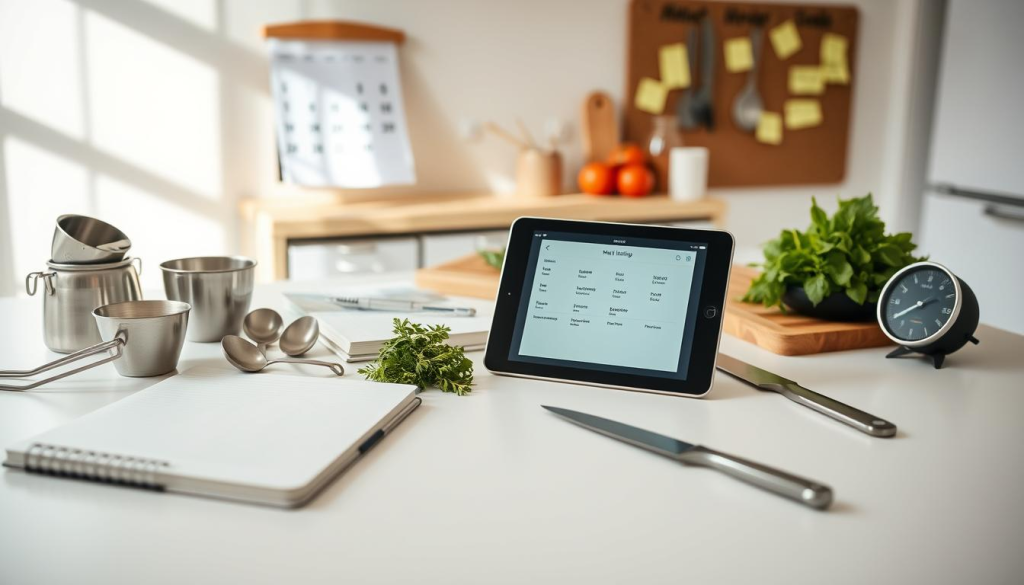
Some popular tools include:
- Meal planning apps like Plan to Eat or Yummly
- Kitchen prep list templates available online
- Digital calendars for scheduling meal prep
Common Mistakes to Avoid with Prep Lists
Effective meal preparation starts with avoiding common mistakes in your prep list. A well-organized kitchen and a thoughtful meal prep template can make all the difference in your cooking routine.
Overcomplicating Your List
One of the most common mistakes is overcomplicating your prep list. When you include too many details or steps, it can become overwhelming and difficult to follow. To avoid this, keep your list concise and focused on the essentials. Prioritize the tasks that are most important for your meal prep.
For example, instead of listing every single ingredient for a recipe, focus on the key components that require preparation. This will help you stay on track and make the cooking process more efficient.
Ignoring Leftover Ingredients
Another mistake is ignoring leftover ingredients. Failing to incorporate leftovers into your meal plan can lead to food waste and unnecessary grocery store trips. Make it a habit to review your fridge and pantry before planning new meals. This will help you identify what you already have and reduce waste.
By using leftover ingredients creatively, you can also save time and money. Consider adding a “leftover night” to your meal plan where you use up remaining ingredients from previous meals.
Not Reviewing Past Lists
Not reviewing past prep lists is another common pitfall. By not reflecting on your previous meal prep experiences, you miss out on opportunities to improve and refine your process. Take the time to review your past lists and identify areas for improvement.
For instance, you might notice that certain recipes consistently take longer to prepare than others. This insight can help you adjust your meal planning and prep schedule for more efficient cooking.
By avoiding these common mistakes and using a well-designed meal prep template, you can enhance your kitchen organization and streamline your meal preparation. This will not only save you time but also make cooking more enjoyable and less stressful.
Real-Life Examples of Successful Prep Lists
Effective kitchen preparation is not just a theoretical concept; it’s a practical reality for many home and professional chefs. By examining real-life examples of successful prep lists, we can gain insights into how meal planning, kitchen organization ideas, and inventory tracking contribute to a streamlined kitchen workflow.
Home Chef Experiences
Many home chefs have transformed their cooking routines by implementing prep lists. For instance, using a kitchen pantry inventory tracker helps them keep tabs on ingredients, reducing food waste and saving time during meal preparation. By integrating meal planning into their weekly routine, they can better organize their kitchen and cooking tasks.
Professional Insights
Professional chefs also rely on prep lists to manage their kitchens efficiently. They use these lists to plan menus, organize ingredients, and assign tasks to their team members. By adopting kitchen organization ideas, such as labeling and categorizing ingredients, they maintain a clean and functional kitchen environment.
Innovative Approaches
Some chefs take prep lists to the next level by incorporating technology, such as digital inventory management tools, to enhance their kitchen operations. By embracing innovative approaches to kitchen preparation, they can optimize their workflows, reduce waste, and improve overall efficiency.