
First responders are the backbone of our emergency services, facing traumatic and stressful situations daily. Their role is crucial, yet it comes with significant mental and physical health risks.
Initiatives like First Responder Wellness Week provide vital resources and support, helping public safety personnel understand and mitigate these risks. By acknowledging the challenges they face, we can work towards creating a healthier environment for those who serve our communities.
The importance of health and wellness strategies for first responders cannot be overstated. By prioritizing their well-being, we can improve their quality of life and enhance their ability to serve.
Key Takeaways
- First responders face unique mental and physical health challenges.
- Initiatives like First Responder Wellness Week offer critical support.
- Prioritizing health and wellness is crucial for their well-being.
- Strategies for well-being can improve their quality of life.
- Supporting first responders is essential for community safety.
Understanding the Importance of Health and Wellness for First Responders
First responders face unique challenges that impact their physical and mental health, making wellness strategies crucial for their overall well-being. The nature of their work exposes them to traumatic events, long hours, and physical demands, which can lead to both immediate and long-term health consequences.
Establishing habits that foster healthy living is crucial for the resiliency of first responders. This includes not only physical health but also mental health support, which is vital for coping with the stresses of their job. Mental health support can help mitigate the effects of trauma and stress, improving overall well-being.
The importance of health and wellness for first responders cannot be overstated. It is essential for maintaining their ability to perform their duties effectively and for ensuring their long-term health. Various factors contribute to their overall wellness, including physical fitness, mental resilience, and access to support resources.
| Health Aspect | Challenges | Wellness Strategies |
|---|---|---|
| Physical Health | Physical injuries, long hours | Regular exercise, healthy nutrition |
| Mental Health | Trauma exposure, stress | Mental health support, stress management techniques |
| Emotional Well-being | Emotional strain, burnout | Mindfulness practices, peer support |
By understanding the importance of health and wellness, first responders can take proactive steps to protect their health and maintain their ability to serve their communities effectively.
Common Health Challenges Faced by First Responders
First responders face a range of health issues stemming from their exposure to traumatic events and long working hours. The nature of their job exposes them to various physical and mental health risks that can have long-term consequences on their overall well-being.
Physical Health Risks and Concerns
First responders are at a higher risk of physical injuries due to the nature of their work. They are often exposed to hazardous environments, which can lead to conditions such as musculoskeletal disorders, cardiovascular disease, and other physical ailments. Regular physical fitness programs can help mitigate some of these risks by improving their overall physical health and resilience.
Common Physical Health Risks:
- Musculoskeletal injuries
- Cardiovascular diseases
- Infectious diseases

Mental Health Issues
The mental health of first responders is also a significant concern. Exposure to traumatic events can lead to mental health issues such as post-traumatic stress disorder (PTSD), depression, and anxiety. Stress management techniques are crucial in helping first responders cope with these challenges.
Mental Health Challenges:
| Mental Health Issue | Description |
|---|---|
| PTSD | A disorder that develops after a person experiences a traumatic event. |
| Depression | A mood disorder characterized by persistent feelings of sadness. |
| Anxiety | A condition marked by excessive worry or fear. |
Chronic Stress and Burnout
Chronic stress and burnout are prevalent among first responders due to the high-stress nature of their job and long working hours. Implementing stress management techniques and maintaining a healthy work-life balance are essential in preventing burnout.
By acknowledging these challenges and implementing strategies such as physical fitness programs and stress management techniques, first responders can better maintain their overall health and well-being.
Strategies for Physical Fitness
To optimize their performance, first responders need to focus on both exercise routines and nutrition. Maintaining a high level of physical fitness is crucial for them to carry out their duties effectively and safely.
Effective Exercise Routines
First responders can benefit from a variety of exercise routines that improve cardiovascular health, strength, and flexibility. Cardiovascular exercises such as running, cycling, or swimming are essential for enhancing endurance. For instance, incorporating a 30-minute jog into their daily routine can significantly boost their cardiovascular health.
- Strength training exercises help build muscle and improve overall physical performance.
- Flexibility exercises, such as yoga or stretching, can reduce the risk of injury and improve range of motion.
It’s also beneficial to incorporate high-intensity interval training (HIIT) into their fitness regimen, as it can improve cardiovascular health and increase stamina in a time-efficient manner.
Nutrition Tips for Optimal Performance
Nutrition plays a critical role in the physical fitness of first responders. A balanced diet that includes a variety of whole foods such as fruits, vegetables, lean proteins, and whole grains is essential. Proper nutrition helps in fueling their bodies for the demands of their job and aids in recovery after stressful events.
- Eating a meal rich in complex carbohydrates and proteins within an hour after a strenuous activity can help in muscle recovery.
- Avoiding processed foods and sugars can reduce the risk of chronic diseases and maintain energy levels.
Staying hydrated is also crucial; first responders should aim to drink plenty of water throughout the day, especially during and after their shifts.
Mental Health Strategies for First Responders
First responders face unique mental health challenges that require specialized strategies for maintaining well-being. The nature of their work exposes them to traumatic events, high-stress situations, and unpredictable environments, making mental health support crucial.

Importance of Mental Resilience
Mental resilience is the ability to withstand or recover quickly from difficult conditions. For first responders, building mental resilience is vital to handle the stresses of their job effectively. This can be achieved through practices such as mindfulness, which helps individuals stay present and focused, reducing the impact of stress.
Engaging in hobbies and activities outside of work can also contribute to mental resilience by providing a healthy distraction and promoting a sense of fulfillment. Furthermore, maintaining a strong support network of peers, family, and friends is essential for emotional support and understanding.
Stress Management Techniques
Effective stress management is critical for first responders to maintain their mental health. Techniques such as deep breathing exercises, progressive muscle relaxation, and meditation can help reduce stress levels. Regular physical activity is also a powerful stress reliever, as it releases endorphins that improve mood and reduce tension.
Additionally, learning to prioritize tasks and manage time effectively can help reduce workplace stress. First responders should be encouraged to take regular breaks and practice self-care during their shifts to maintain their mental well-being.
Seeking Professional Help
Despite the importance of personal resilience and stress management techniques, there are times when professional help is necessary. First responders should have access to mental health professionals who understand their unique challenges. Employee Assistance Programs (EAPs) can provide confidential counseling services, supporting first responders in managing their mental health.
It’s crucial for organizations to promote a culture that encourages seeking help without stigma. By doing so, first responders will feel more comfortable reaching out for support when they need it, ensuring they receive the help necessary to maintain their mental health and perform their duties effectively.
The Role of Sleep in First Responder Wellness
Sleep is a foundational element of wellness for first responders, affecting their physical health, mental resilience, and overall job performance. Despite the unpredictable nature of their work, maintaining a consistent sleep routine is vital for overall wellness.
First responders often face challenging schedules that can disrupt their sleep patterns. However, understanding the importance of sleep and implementing strategies to improve sleep quality can significantly enhance their well-being.
Effects of Sleep Deprivation
Sleep deprivation can have severe consequences on first responders, including impaired cognitive function, reduced reaction times, and increased risk of chronic diseases like diabetes and cardiovascular disease. Moreover, sleep deprivation can exacerbate mental health issues such as anxiety and depression.
“Sleep is essential for the brain to function properly, and chronic sleep deprivation can lead to significant cognitive impairments,” said Dr. Harvey R. Colten, a sleep expert.
The effects of sleep deprivation can be far-reaching, impacting not just the individual but also their team and the community they serve. It is crucial for first responders to prioritize sleep as part of their overall wellness strategy.
Tips for Improving Sleep Quality
Improving sleep quality involves a combination of lifestyle changes and sleep hygiene practices. Here are some tips:
- Establish a consistent sleep schedule, even on days off.
- Create a sleep-conducive environment, such as keeping the bedroom cool, dark, and quiet.
- Avoid caffeine and electronics before bedtime.
- Engage in relaxing activities before sleep, such as reading or meditation.
| Sleep Hygiene Practice | Benefit |
|---|---|
| Consistent Sleep Schedule | Regulates body’s internal clock |
| Dark, Quiet Bedroom | Improves sleep quality |
| Avoiding Caffeine Before Bed | Reduces sleep disturbances |
By implementing these strategies, first responders can improve their sleep quality, enhancing their overall wellness and job performance.
Additionally, some first responder departments are adopting wellness programs that include sleep education and resources to help manage sleep-related issues. Such initiatives underscore the growing recognition of sleep’s critical role in first responder wellness.
Building a Supportive Community
Building a supportive community is crucial for the well-being of first responders, who often face traumatic and stressful situations. A supportive community can provide emotional relief, practical help, and a sense of belonging, which are essential for managing the demands of their job.
Importance of Peer Support
Peer support groups are a vital component of a supportive community. They offer a safe space for first responders to share their experiences, receive support, and learn from others who have gone through similar situations. Peer support can be particularly effective in helping first responders cope with mental health issues, such as anxiety and depression.
Some benefits of peer support include:
- Emotional support and understanding from colleagues who have experienced similar traumas
- Practical advice on managing stress and improving mental health
- A sense of camaraderie and belonging, which can help reduce feelings of isolation
Creating a Wellness Network
Creating a wellness network involves establishing a comprehensive system of support that includes emotional wellbeing resources, self-care tips, and access to professional help. This network can be developed within departments, organizations, or communities to provide first responders with the tools and resources they need to maintain their physical and mental health.
| Component | Description | Benefits |
|---|---|---|
| Peer Support Groups | Regular meetings for sharing experiences and support | Emotional relief, practical advice, sense of community |
| Emotional Wellbeing Resources | Access to counseling, mental health professionals | Improved mental health, reduced stress |
| Self-Care Initiatives | Workshops, training on stress management, mindfulness | Enhanced resilience, better work-life balance |
By building a supportive community and creating a wellness network, first responders can receive the support they need to thrive in their roles. This not only improves their well-being but also enhances their ability to serve their communities effectively.
Accessing Resources for Health and Wellness
The well-being of first responders is supported by a range of resources designed to promote health and wellness. These resources are crucial in helping them manage the physical and mental demands of their job.
Employee Assistance Programs
Employee Assistance Programs (EAPs) are a valuable resource for first responders. These programs offer confidential counseling services, mental health support, and other resources to help manage personal and professional challenges. EAPs can provide:
- Counseling for stress, anxiety, and depression
- Support for substance abuse issues
- Assistance with financial and legal matters
- Referrals to community resources
By utilizing EAPs, first responders can access the help they need to maintain their mental health and overall well-being.
Wellness Workshops and Training
Wellness workshops and training programs are another essential resource for first responders. These initiatives focus on promoting physical and mental health through education and hands-on training. Some common topics covered include:
- Nutrition and meal planning
- Stress management techniques
- Physical fitness and injury prevention
- Mindfulness and resilience building
These workshops not only provide valuable information but also offer a supportive environment where first responders can connect with peers who understand their challenges.
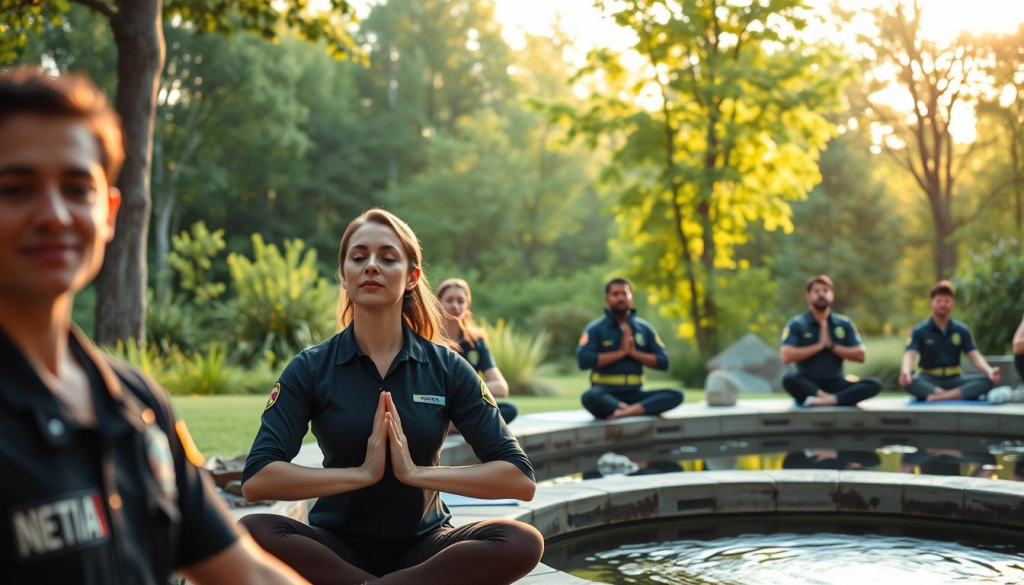
By taking advantage of these resources, first responders can enhance their overall health and wellness, leading to improved job performance and a better quality of life.
Integrating Mindfulness into Daily Routines
Mindfulness practices offer a powerful tool for first responders to manage stress and improve mental clarity. By incorporating mindfulness into their daily routines, first responders can enhance their overall well-being and resilience.

Benefits of Mindfulness Practices
Mindfulness has been shown to reduce stress, improve emotional regulation, and enhance cognitive function. For first responders, these benefits can translate into improved job performance and a better quality of life.
- Reduced Stress: Mindfulness practices help in managing stress by promoting relaxation and reducing anxiety.
- Improved Emotional Regulation: By being more mindful, first responders can better regulate their emotions, leading to more effective decision-making.
- Enhanced Cognitive Function: Mindfulness improves focus and concentration, which are critical for first responders in high-pressure situations.
Quick Mindfulness Exercises for Busy Schedules
First responders often have demanding schedules, making it challenging to fit in lengthy mindfulness practices. However, even brief mindfulness exercises can be beneficial.
- Deep Breathing: Take a few minutes to focus on deep, slow breaths, feeling the breath move in and out of the body.
- Body Scan: Quickly scan the body, noticing areas of tension or relaxation, and release any tension.
- Mindful Walking: Take a short walk, paying attention to the sensation of each step, the surroundings, and the rhythm of the breath.
By integrating these quick mindfulness exercises into their daily routines, first responders can experience the benefits of mindfulness even on the busiest of days.
The Impact of Nutrition on Performance
First responders require optimal nutrition to support their physical and mental performance. A well-balanced diet is crucial for maintaining energy levels, supporting overall health, and enhancing their ability to respond to emergencies effectively.
Balanced Diet Essentials
A balanced diet for first responders should include a mix of proteins, complex carbohydrates, and healthy fats. Proteins are essential for muscle repair and recovery, especially after physically demanding operations. Complex carbohydrates provide sustained energy, while healthy fats support heart health and provide additional energy.
It’s also important to include a variety of vitamins and minerals in the diet. These micronutrients play a crucial role in supporting immune function, reducing inflammation, and aiding in the recovery from injuries. Foods rich in antioxidants, such as fruits and vegetables, can help mitigate the oxidative stress associated with high-stress professions.
Meal Planning for Busy Shifts
Meal planning is a critical aspect of maintaining a healthy diet, especially for first responders with unpredictable and demanding schedules. Planning meals in advance can help ensure that nutritional needs are met even on the busiest of days.
- Prepare meals that are easy to consume on the go.
- Incorporate foods that are high in nutrients and low in processed ingredients.
- Stay hydrated by drinking plenty of water throughout the day.
By focusing on a balanced diet and effective meal planning, first responders can improve their nutritional intake, supporting their overall health and performance.
Coping with Trauma: Tools and Techniques
The impact of traumatic events on first responders cannot be overstated, highlighting the need for effective coping strategies. First responders are often exposed to life-threatening and disturbing situations, which can have a profound effect on their mental and emotional well-being.
Understanding PTSD and Its Effects
Post-Traumatic Stress Disorder (PTSD) is a significant concern for first responders. It is a mental health condition that can develop after a person experiences or witnesses a traumatic event. Symptoms of PTSD include flashbacks, severe anxiety, and uncontrollable thoughts about the trauma. Understanding PTSD is crucial for developing effective coping mechanisms.
The effects of PTSD can be far-reaching, impacting not only the individual but also their family and colleagues. It’s essential for first responders to recognize the signs of PTSD and seek help when needed. Early intervention can significantly improve the effectiveness of treatment.
Coping Mechanisms for Traumatic Events
Several coping mechanisms can help first responders manage the impact of traumatic events. These include:
- Stress Management Techniques: Techniques such as deep breathing, meditation, and yoga can help reduce stress and anxiety.
- Mental Health Support: Accessing mental health support, such as counseling or therapy, is crucial for managing PTSD and other mental health challenges.
- Peer Support Groups: Connecting with peers who have experienced similar traumas can provide a sense of community and understanding.
Implementing these coping mechanisms requires commitment and support. First responders should be encouraged to prioritize their mental health and seek help when needed. By doing so, they can better manage the impact of traumatic events and maintain their overall well-being.
Encouraging Work-Life Balance
Maintaining a work-life balance is essential for first responders to manage stress and improve their overall quality of life. The demanding nature of their job requires a clear distinction between work and personal life to prevent burnout and maintain mental and physical health.
Setting Boundaries in Personal and Professional Life
Setting clear boundaries is vital for first responders to separate their work and personal life effectively. This can involve establishing a routine that includes dedicated time for work, rest, and leisure activities. By doing so, first responders can reduce the risk of work-related stress affecting their personal life.
Strategies for Setting Boundaries:
- Establish a consistent daily routine
- Designate a workspace at home to separate work from personal life
- Learn to say “no” to work requests that encroach on personal time
Finding Time for Self-Care
Self-care is not a luxury, but a necessity for first responders. Engaging in self-care activities can help mitigate the effects of stress and trauma associated with their job. “Self-care is giving the world the best of you, instead of what’s left of you,” as emphasized by a wellness expert. Prioritizing self-care can significantly improve their overall well-being.
Effective self-care practices include:
- Physical exercise, such as running or yoga
- Mindfulness and meditation
- Spending quality time with family and friends
By incorporating these practices into their daily routine, first responders can better manage the stresses of their job and maintain a healthy work-life balance.
Creating Healthy Habits for Long-Term Wellness
Establishing a routine is crucial for first responders to maintain holistic wellness for emergency personnel. By incorporating regular exercise, healthy eating, and stress management into their daily schedules, they can improve their overall health and resilience.
Establishing a Consistent Routine
A consistent routine helps in developing healthy habits that contribute to long-term wellness. For first responders, this means prioritizing activities that promote physical and mental well-being, such as regular workouts and mindfulness practices.
Making Sustainable Lifestyle Changes
Sustainable changes are vital for maintaining first responder health and wellness. By making gradual adjustments to their lifestyle, such as improving sleep habits and nutrition, first responders can achieve a better work-life balance and enhance their overall quality of life.
By focusing on these strategies, first responders can cultivate a healthier lifestyle that supports their well-being and enables them to perform their duties effectively.