
Workplace injuries are a harsh reality in the United States, with the Bureau of Labor Statistics reporting over 7,300 incidents daily. The importance of being prepared cannot be overstated, as timely intervention can significantly reduce the severity of injuries.
Preparedness is key to preventing minor incidents from becoming serious outcomes. Effective workplace safety measures include having a well-planned first aid strategy in place.
This article will explore the critical aspects of occupational health, focusing on the role of first aid and strategies to enhance workplace safety.
Key Takeaways
- Understanding the importance of first aid in the workplace.
- Recognizing the frequency and impact of workplace injuries.
- Strategies for enhancing workplace safety measures.
- The role of preparedness in occupational health.
- Best practices for implementing effective first aid plans.
Understanding Occupational Health and Safety
Understanding occupational health and safety is fundamental to creating a safe and healthy workplace. It encompasses a broad range of practices and policies designed to prevent injuries and illnesses in the workplace.
Definition and Importance of Occupational Health
Occupational health focuses on the physical and mental well-being of employees within their work environment. It is crucial for organizations to prioritize occupational health to reduce absenteeism, improve productivity, and comply with legal regulations. As OSHA emphasizes, maintaining a safe work environment is not only a legal requirement but also a moral obligation towards employees.
“The goal of occupational health is to prevent work-related injuries and illnesses, ensuring a healthy and safe work environment for all employees,” as stated by occupational health experts. This underscores the importance of integrating health and safety measures into daily operations.
Common Occupational Health Issues
Common occupational health issues include musculoskeletal disorders, stress, and exposure to hazardous substances. These issues can arise from various workplace factors, such as poor ergonomics, inadequate safety training, and insufficient protective equipment. Employers must identify potential hazards and implement measures to mitigate risks.
- Musculoskeletal disorders due to manual handling or repetitive tasks
- Stress resulting from work overload or poor work environment
- Exposure to chemicals or biological agents without proper protection
Legal Regulations and Compliance
Legal regulations play a pivotal role in governing occupational health and safety. OSHA maintains specific requirements for workplace first aid under standard 29 CFR 1910.151, mandating trained first responders in workplaces not in close proximity to a hospital or medical facility. Compliance with these regulations is essential to avoid penalties and ensure a safe working environment.
Employers must stay updated with the latest regulations and standards to maintain compliance. This includes providing regular training to employees on emergency response procedures and first aid.
“Compliance with occupational health and safety regulations is not just about avoiding fines; it’s about creating a culture of safety that protects employees and enhances productivity.”
The Role of First Aid in the Workplace
First aid plays a crucial role in workplace safety, enabling employees to respond effectively in emergency situations. It is not just about compliance with regulations; it’s about creating a safe and responsive work environment.
Importance of First Aid Training
Employees trained in basic first aid can respond confidently in the critical minutes after an incident, potentially saving lives and preventing complications. First aid training is essential for all employees, as it empowers them to take immediate action when needed.
Key benefits of first aid training include:
- Enhanced workplace safety
- Reduced severity of injuries
- Increased employee confidence in responding to emergencies
Responding to Emergencies Effectively
Responding to emergencies effectively requires not just knowledge of first aid procedures but also the ability to remain calm and act swiftly. Employees should be trained to assess situations quickly and apply the appropriate first aid techniques.
| Emergency Situation | First Aid Response |
|---|---|
| Cardiac Arrest | CPR and use of Automated External Defibrillator (AED) |
| Severe Bleeding | Apply pressure, elevate the affected limb, and use a tourniquet if necessary |
| Burns | Cool the burn with cool water, cover with a non-stick dressing |
By understanding and implementing effective workplace first aid procedures, organizations can significantly enhance their safety culture and protect their most valuable asset: their employees.
Essential First Aid Supplies for Workplaces
First aid supplies are a critical component of workplace safety, enabling employees to respond effectively in case of an emergency. A well-prepared workplace not only complies with occupational health certifications but also significantly reduces the risk of workplace injury prevention by being prepared for any eventuality.
Recommended First Aid Kit Items
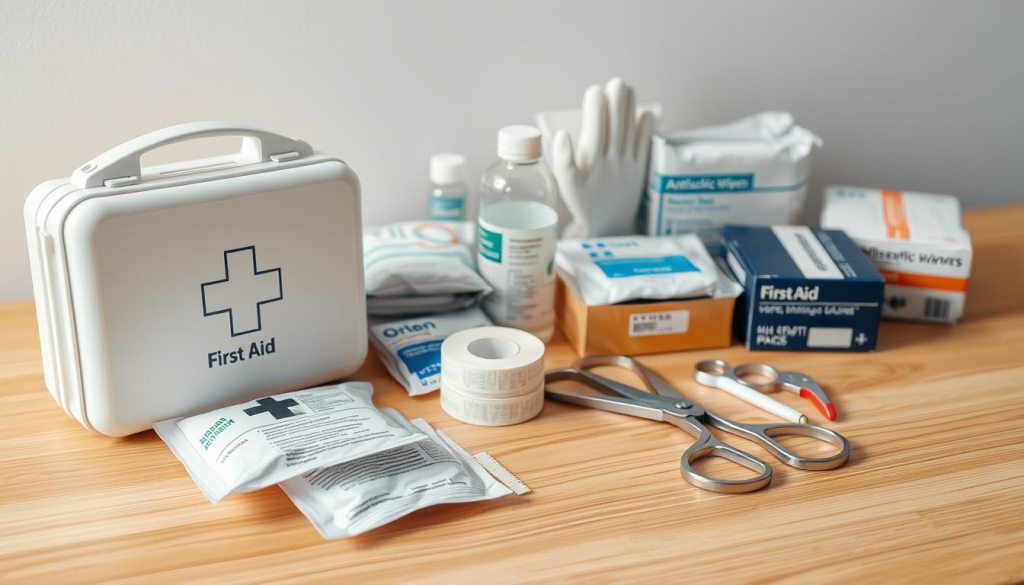
A standard first aid kit should include a variety of supplies to treat common workplace injuries. These include bandages, antiseptic wipes, pain relievers, and any medications specific to the workplace’s needs, such as epinephrine auto-injectors for severe allergic reactions.
- Bandages and band-aids in various sizes
- Antiseptic wipes and ointments
- Pain relievers such as acetaminophen or ibuprofen
- Prescription medications as needed (e.g., epinephrine auto-injectors)
- Medical gloves and CPR masks
Maintaining and Restocking Kits
Regularly checking and restocking first aid supplies ensures they are always ready when needed. This includes verifying the presence, condition, and expiration dates of items. A log should be kept to track when supplies are checked and restocked.
| Supply Item | Quantity | Expiration Date | Last Checked |
|---|---|---|---|
| Bandages | 20 | N/A | 2023-02-20 |
| Antiseptic Wipes | 50 | 2024-01-01 | 2023-02-20 |
| Pain Relievers | 30 | 2023-12-31 | 2023-02-20 |
By maintaining up-to-date first aid supplies and ensuring that all employees are aware of their location and use, workplaces can significantly enhance their workplace injury prevention strategies. Regular training and drills can also help ensure that employees are prepared to respond effectively in emergencies.
Basic First Aid Techniques Everyone Should Know
Basic first aid techniques are essential skills that everyone should possess to handle common workplace emergencies. These skills not only save lives but also prevent minor injuries from becoming more severe. Understanding and applying these techniques can significantly enhance workplace safety.
CPR Basics
Cardiopulmonary resuscitation (CPR) is a lifesaving technique that’s crucial in many emergencies, including heart attacks or near-drowning incidents. To perform CPR, one must first call for help and then begin chest compressions at a rate of 100 to 120 per minute, allowing for full chest recoil between compressions. Proper training is essential to perform CPR effectively, and it’s recommended to get certified through a reputable occupational health training course.
Treating Cuts and Scrapes
Treating minor cuts and scrapes involves cleaning the wound with soap and water, applying an antibiotic ointment, and covering it with a bandage. It’s crucial to wear gloves to prevent infection and to monitor the wound for signs of infection, such as redness, swelling, or increased pain. For more severe cuts, applying pressure to stop bleeding is the first step, followed by seeking medical attention if necessary.
Dealing with Burns
Burns can range from minor to severe. For minor burns, cooling the burn with cool (not cold) water for 10-15 minutes is recommended, followed by applying a topical antibiotic ointment and covering with a non-stick dressing. It’s essential to assess the burn’s severity and seek medical help for severe burns or if signs of infection occur. Conducting a first aid risk assessment can help identify potential burn hazards in the workplace.
In conclusion, knowing basic first aid techniques such as CPR, treating cuts and scrapes, and dealing with burns can significantly improve responses to workplace emergencies. Regular training and having the right equipment are key components of a safe work environment.
Training Employees in First Aid
Training employees in first aid is a vital component of workplace safety protocols. By educating staff on how to respond to emergencies, organizations can significantly reduce the risk of workplace injuries and enhance overall occupational health. Effective first aid training not only complies with legal regulations but also fosters a safer work environment.
The importance of first aid training cannot be overstated, especially when considering the role of ergonomics in the workplace. Proper ergonomic practices can prevent many injuries, and when combined with first aid training, they create a comprehensive approach to workplace safety.
Benefits of First Aid Training Programs
First aid training programs offer numerous benefits, including improved workplace safety and compliance with regulations. Some key advantages include:
- Enhanced ability to respond to emergencies effectively
- Reduced risk of workplace injuries and illnesses
- Increased employee confidence in handling medical emergencies
- Compliance with legal and regulatory requirements
| Benefit | Description |
|---|---|
| Improved Response Time | Employees can respond quickly and effectively in emergencies. |
| Reduced Injury Severity | Prompt first aid can reduce the severity of injuries. |
| Legal Compliance | Training ensures compliance with occupational health and safety regulations. |
Choosing the Right Training Provider
Selecting the right training provider is crucial for effective first aid training. When choosing a provider, consider factors such as:
- Accreditation and certification
- Experience and reputation
- Customization options for your workplace needs
- Quality of training materials and instructors
By carefully evaluating potential training providers and considering the specific needs of your workplace, you can ensure that your employees receive high-quality first aid training that enhances workplace safety and first aid occupational health.
Recognizing Common Injuries in the Workplace
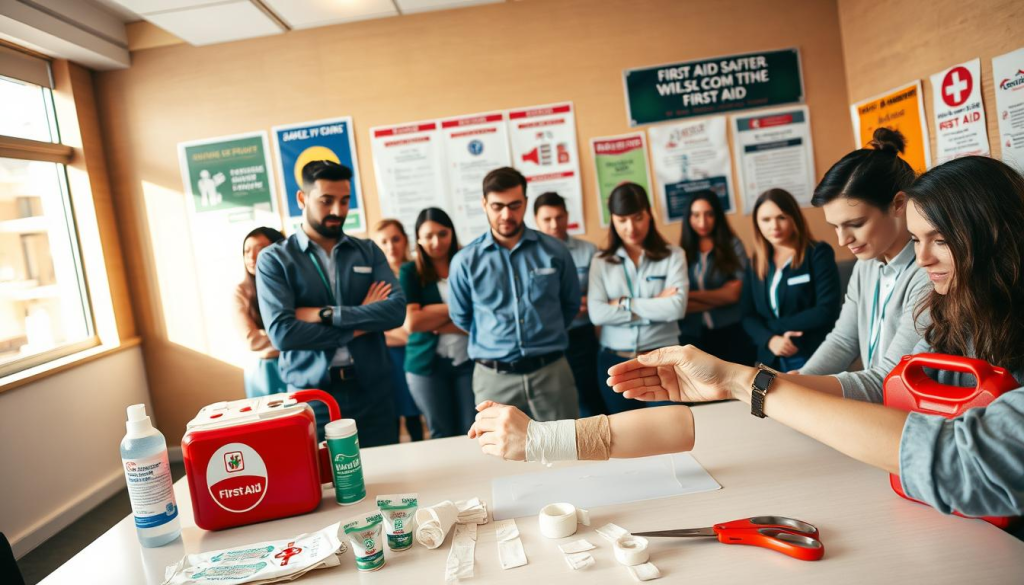
The ability to recognize common workplace injuries is a vital skill for ensuring employee safety and implementing effective workplace safety measures. Injuries can range from minor to severe, and being able to identify them is the first step in providing appropriate care.
Common Workplace Injuries
Workplace injuries can vary significantly depending on the nature of the work environment. Common types include:
- Cuts and lacerations from sharp objects or machinery
- Strains and sprains from lifting heavy objects or repetitive motions
- Falls from heights or due to slippery surfaces
- Burns from chemicals, electricity, or heat
Understanding these common injuries helps in preparing for potential hazards and training employees in emergency response training.
Signs and Symptoms to Look For
Recognizing the signs and symptoms of workplace injuries is crucial for providing timely and appropriate first aid. For instance:
- Cuts and lacerations may exhibit bleeding, pain, and swelling
- Strains and sprains often result in pain, stiffness, and limited mobility
- Falls can lead to a range of symptoms, including pain, swelling, or deformity
- Burns may cause redness, blistering, or charring of the skin
Being aware of these signs and symptoms enables employees to respond effectively and seek medical attention when necessary.
Creating a First Aid Response Plan
A well-structured first aid response plan is essential for effective emergency management in the workplace. This plan not only ensures compliance with occupational health and safety guidelines but also prepares employees to respond promptly and effectively in case of emergencies.
Steps to Develop a Workplace Plan
Developing a comprehensive first aid response plan involves several key steps:
- Identifying potential hazards and risks in the workplace.
- Assessing the level of first aid training required for employees.
- Designating first aid responders and their roles.
- Establishing communication protocols during emergencies.
- Regularly reviewing and updating the plan.

Importance of Communication During Emergencies
Effective workplace first aid procedures rely heavily on clear and efficient communication during emergencies. Employees should be trained on how to communicate effectively, using predefined protocols to alert others and provide critical information.
The importance of communication can be seen in several areas:
- Alerting others in the workplace about the emergency.
- Providing first responders with necessary information about the incident.
- Coordinating response efforts to ensure a swift and effective action.
In conclusion, a well-developed first aid response plan, coupled with effective communication strategies, is crucial for maintaining workplace safety and ensuring compliance with occupational health and safety standards.
Incorporating First Aid into Occupational Health Programs
By integrating first aid into occupational health initiatives, organizations can create a robust framework for managing workplace health and safety. This approach not only enhances the overall safety culture but also contributes to a proactive stance on workplace injury prevention.
Integrating First Aid with Health Initiatives
Integrating first aid training with broader health initiatives is crucial for creating a comprehensive occupational health program. This integration ensures that employees are equipped with the necessary skills to respond to emergencies effectively, thereby reducing the severity of injuries. Moreover, it fosters a work environment that prioritizes health and safety, potentially leading to improved employee morale and productivity.
To achieve this integration, organizations should consider the following strategies:
- Develop a cohesive training program that combines first aid with other health and safety protocols.
- Ensure that first aid training is accessible and mandatory for all employees, with regular refresher courses to maintain competency.
- Incorporate occupational health certifications into the training program to enhance credibility and compliance with regulatory standards.

Evaluating Program Effectiveness
Evaluating the effectiveness of first aid programs within occupational health initiatives is essential for identifying areas of improvement and ensuring that the programs meet their intended objectives. This evaluation can be achieved through various methods, including:
| Evaluation Method | Description | Benefits |
|---|---|---|
| Surveys and Feedback | Gathering insights from employees on the first aid training received. | Helps in understanding the perceived value and areas for improvement. |
| Incident Reporting and Analysis | Reviewing incidents where first aid was administered to assess response effectiveness. | Provides real-world data on the effectiveness of first aid training in actual emergencies. |
| Compliance Audits | Conducting audits to ensure that the first aid program complies with relevant regulations and standards. | Ensures legal compliance and identifies potential gaps in the program. |
By adopting a systematic approach to evaluating program effectiveness, organizations can refine their first aid and occupational health programs, ultimately enhancing workplace injury prevention and overall safety.
First Aid for Mental Health in the Workplace
The modern workplace is acknowledging the critical role of mental health support, integrating it into broader occupational health strategies. As workplaces evolve, the importance of addressing mental health crises through first aid training is gaining recognition. Employers are now more focused on providing a comprehensive approach to workplace health that includes mental health.
Recognizing Mental Health Crises
Recognizing the signs of a mental health crisis is crucial for providing timely support. Employees experiencing a mental health crisis may exhibit changes in behavior, such as withdrawal, irritability, or a decline in performance. It’s essential for colleagues and supervisors to be aware of these signs to offer appropriate assistance.
Providing Support and Resources
Once a mental health crisis is recognized, providing the right support and resources is vital. This can include access to counseling services, mental health days, and training for employees to understand and support their colleagues. Employers can also develop a mental health response plan as part of their overall occupational health training courses.
| Signs of Mental Health Crisis | Support Measures |
|---|---|
| Withdrawal from social interactions | Encourage open conversation, offer counseling services |
| Irritability or mood swings | Provide a calm and understanding environment, suggest stress management techniques |
| Decline in work performance | Offer support, adjust workload if necessary, provide resources for mental health days |
Continuing Education and Refresher Courses
Regular training and refresher courses are vital for maintaining a safe and healthy work environment. By keeping first aid skills up to date, employees can respond effectively in emergency situations, reducing the risk of workplace injuries and illnesses.
Staying Current with Best Practices
First aid techniques and guidelines evolve over time. Regular refresher courses help ensure that employees are aware of the latest best practices, including those related to
first aid risk assessment
and workplace ergonomics. This knowledge enables them to identify potential hazards and take proactive steps to mitigate risks.
Fostering a Culture of Lifelong Learning
Encouraging lifelong learning in health and safety promotes a culture of awareness and responsibility in the workplace. By investing in ongoing education and training, organizations demonstrate their commitment to employee well-being and safety. This, in turn, can lead to improved productivity and reduced absenteeism due to work-related injuries or illnesses. Incorporating principles of
ergonomics in the workplace
into training programs can also enhance overall workplace safety and efficiency.