
Administering immediate care during a medical emergency can significantly impact the outcome for an ill or injured person before Emergency Medical Services (EMS) arrive. Prompt action can help save a life.
In emergency situations, knowing the right techniques is crucial. Understanding basic first aid principles can make a difference in the effectiveness of the care provided.
By learning essential tips and techniques for emergency medical care, individuals can be better prepared to handle unexpected situations. This knowledge empowers people to act confidently and provide the necessary care until professional help arrives.
Key Takeaways
- Immediate care can significantly impact the outcome in medical emergencies.
- Understanding basic first aid principles is crucial.
- Learning essential tips and techniques for emergency medical care can save lives.
- Being prepared to handle unexpected situations is vital.
- Knowing how to provide necessary care until professional help arrives is essential.
Understanding the Importance of First Aid
Understanding first aid is essential for providing immediate care in health emergencies. First aid is a vital skill that can significantly impact the outcome of an emergency situation.
What is First Aid?
First aid refers to the immediate care given to someone who is injured or ill. It involves basic life support techniques that can help sustain life until professional medical help arrives. The primary goal of first aid is to preserve life, prevent the condition from worsening, and promote recovery.
When dealing with an injured or ill person, the first step is to check the scene for safety, form an initial impression, obtain consent, and use personal protective equipment (PPE). This initial assessment is crucial in determining the appropriate course of action.
The Role of First Aid in Health Care
First aid plays a critical role in health emergency response. It bridges the gap between the onset of an emergency and the arrival of professional medical services. By providing immediate care, first aid can help reduce the severity of the injury or illness, potentially saving lives.
- It helps in stabilizing the patient.
- It provides comfort and reassurance to the patient.
- It can prevent further injury or harm.
Common Scenarios Requiring First Aid
First aid is required in various situations, including accidents, natural disasters, and sudden illnesses. Some common scenarios where first aid is necessary include:
- Cardiac arrests and heart attacks.
- Severe injuries, such as cuts, burns, or broken bones.
- Allergic reactions, including anaphylaxis.
In conclusion, understanding the importance of first aid is crucial for everyone. By knowing what first aid is, its role in healthcare, and the common scenarios where it is required, individuals can be better prepared to respond effectively in emergencies.
Building Your First Aid Kit
A well-stocked first aid kit is essential for handling unexpected injuries and illnesses. It serves as the first line of defense in medical emergencies, providing the necessary tools to stabilize the condition of the injured or ill until professional medical help can be obtained.
Essential Items for Your Kit
Every first aid kit should include a set of basic supplies. These first aid kit essentials are crucial for treating common injuries and conditions. They include:
- Bandages and band-aids in various sizes
- Antiseptic wipes and ointment
- Gauze pads and rolls
- Medical tape
- Pain relievers and antihistamines
- Prescription medications and any necessary personal medical equipment
As emphasized by medical professionals, “A first aid kit is a collection of supplies and equipment that is used to provide immediate care for injuries or illnesses.” Having these essentials on hand can make a significant difference in the outcome of an emergency.
“The key to effective first aid is having the right equipment and knowing how to use it.”
Customizing Your Kit for Specific Needs
While the basic items form the foundation of any first aid kit, it’s also important to customize your kit based on specific needs. For example, if you have pets or young children, you may need to include additional supplies such as tweezers for tick removal or pediatric medications.
| Customization Factor | Additional Supplies to Consider |
|---|---|
| Pets | Tweezers, pet-safe antiseptic wipes |
| Children | Pediatric medications, child-friendly bandages |
| Outdoor Activities | Snake bite kit, blister care |
Maintenance and Regular Checks
Building a first aid kit is not a one-time task; it requires regular maintenance to ensure that all supplies are up-to-date and not expired. It’s recommended to check your kit every six months, restocking as necessary and verifying the expiration dates of any medications or supplies.
By following these guidelines and keeping your first aid kit well-maintained and tailored to your needs, you can ensure that you’re prepared to handle a wide range of medical emergencies.
Recognizing Common Health Emergencies
Recognizing the symptoms of common health emergencies is crucial for timely intervention. Health emergencies such as heart attacks, strokes, allergic reactions, and severe injuries like burns and cuts require immediate attention. Knowing how to identify these conditions can significantly impact the outcome.
Heart Attacks
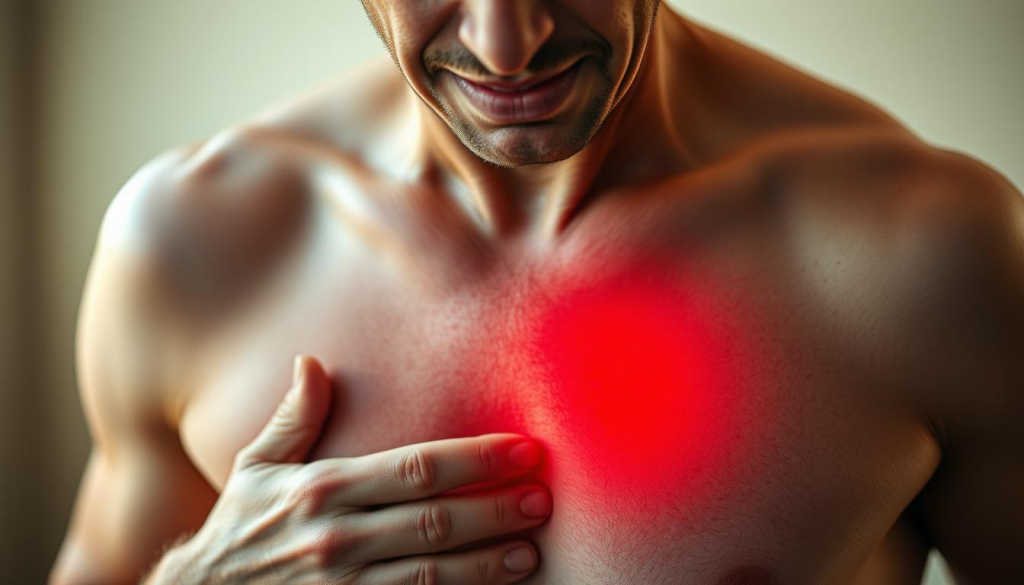
A heart attack occurs when the blood flow to the heart is blocked, causing damage to the heart muscle. Symptoms include chest pain or discomfort, shortness of breath, nausea, lightheadedness, and pain or discomfort in one or both arms, the back, neck, jaw, or stomach. If you suspect someone is having a heart attack, it’s crucial to call emergency services immediately.
Strokes
A stroke happens when the blood supply to part of the brain is interrupted or reduced, preventing brain tissue from getting oxygen and nutrients. Symptoms include face drooping, arm weakness, speech difficulties, and sudden severe headache. The acronym FAST is used to remember the signs: Face, Arm, Speech, Time.
Allergic Reactions
An allergic reaction occurs when the body’s immune system reacts to a foreign substance. Symptoms can range from mild to severe and include hives, itching, swelling, stomach cramps, diarrhea, and in severe cases, anaphylaxis, which is life-threatening. Administering epinephrine via an EpiPen, if available, and calling emergency services is crucial in cases of severe allergic reactions.
Burns and Cuts
Burns and cuts are common injuries that can sometimes be severe. Burns require careful assessment to determine their severity. For minor burns, cooling the burn with cool (not cold) water for 10-15 minutes can help. For cuts, applying pressure to stop bleeding and cleaning the wound are initial steps. Severe burns and deep cuts may require immediate medical attention.
Being prepared to recognize and respond to these common health emergencies can make a significant difference in outcomes. It’s essential to stay calm, act quickly, and seek professional medical help when needed.
Basic First Aid Techniques Everyone Should Know
Basic first aid techniques are essential skills that everyone should possess to handle emergencies effectively. These techniques can be the difference between life and death in critical situations.
CPR: Cardio-Pulmonary Resuscitation
Cardio-Pulmonary Resuscitation (CPR) is a lifesaving technique that is useful in many emergencies, such as heart attacks or near drowning, where someone’s breathing or heartbeat has stopped. To perform CPR, start with chest compressions: push the chest down 2 inches at a rate of 100-120 compressions per minute. After 30 compressions, give two breaths. Continue this cycle until medical help arrives.
Important: CPR training is crucial for learning the correct technique and sequence.
Heimlich Maneuver for Choking
The Heimlich maneuver is used to relieve choking caused by an object becoming stuck in the throat. To perform the Heimlich maneuver, stand behind the person and wrap your arms around their waist. Make a fist with one hand and place it just above the navel. Grasp your fist with your other hand and perform a quick upward thrust. Repeat until the object is dislodged.
Treating Minor Wounds and Cuts
For minor cuts and wounds, the first step is to stop the bleeding. Apply gentle pressure with a clean cloth or bandage for a few minutes. Once the bleeding stops, clean the wound with mild soap and water. Apply an antibiotic ointment and cover the wound with a bandage to protect it.
Here’s a summary of the basic first aid techniques in a tabular form:
| Technique | Description | Key Steps |
|---|---|---|
| CPR | Lifesaving technique for cardiac arrest | 30 chest compressions followed by 2 breaths |
| Heimlich Maneuver | Relieves choking by dislodging objects | Upward thrusts just above the navel |
| Wound Care | Treating minor cuts and wounds | Stop bleeding, clean, apply antibiotic ointment |
Mastering these basic first aid techniques can significantly enhance immediate health care and potentially save lives.
First Aid for Children: Special Considerations
First aid for children is a critical skill that every parent and caregiver should master to ensure timely and effective health emergency response. Children are more vulnerable to injuries and illnesses due to their developing physiology and natural curiosity, making it crucial to understand the unique needs of pediatric first aid.
Common Childhood Injuries
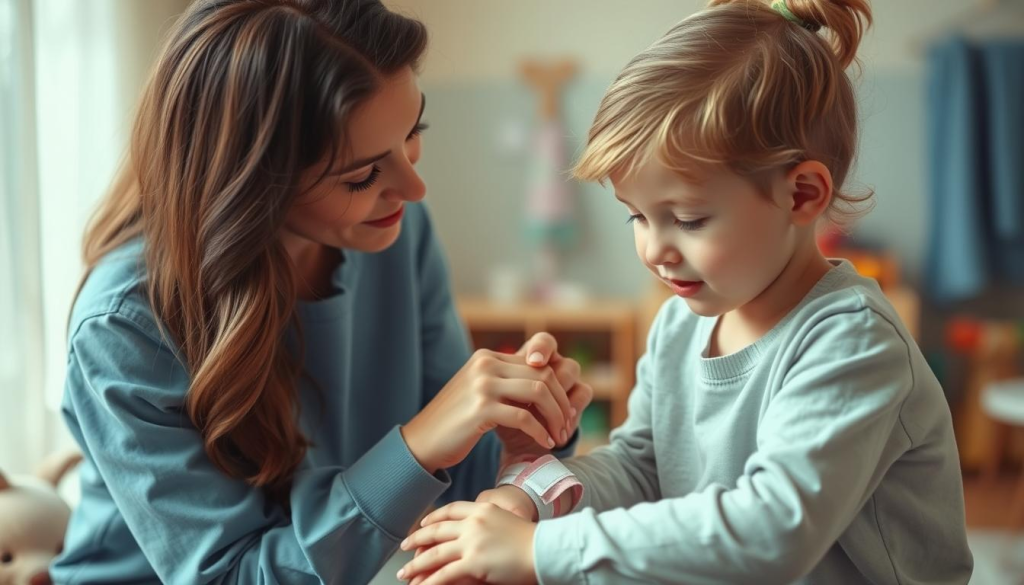
Children are prone to various types of injuries, including falls, cuts, burns, and choking. Understanding how to respond to these common incidents is vital. For instance, knowing how to clean and dress a wound properly can prevent infection, while being aware of the signs of a serious head injury can lead to timely medical intervention.
- Cuts and Scrapes: Cleaning with soap and water, applying antibiotic ointment, and covering with a bandage.
- Burns: Cooling the burn with cool (not cold) water, covering with a non-stick dressing, and seeking medical help for severe burns.
- Choking: Performing the Heimlich maneuver or back slaps as appropriate for the child’s age.
Preventative Measures
Prevention is a key aspect of first aid for health in children. By taking proactive steps, caregivers can significantly reduce the risk of accidents. This includes:
- Ensuring a safe environment by removing hazards and securing furniture and appliances.
- Supervising children during play and activities.
- Teaching children about safety rules and practices.
- Using safety gear such as helmets and seatbelts.
Comforting Children During Emergencies
During an emergency, it’s not only crucial to provide the right first aid but also to comfort the child. Staying calm, speaking reassuringly, and explaining what is happening can help reduce the child’s anxiety. Physical comfort, such as hugs or holding, can also be very reassuring, provided it does not interfere with any necessary first aid treatment.
By understanding the special considerations for first aid in children, caregivers can be better prepared to handle emergencies effectively, ensuring the best possible outcomes for the child’s health and well-being.
First Aid for Specific Health Conditions
First aid for specific health conditions demands a nuanced understanding of the appropriate medical emergency procedures. Certain health issues, such as asthma attacks, diabetic emergencies, and seizures, require immediate and tailored responses to prevent further complications.
Asthma Attacks
Asthma attacks can be frightening, but knowing how to respond can significantly improve outcomes. The first step is to help the person sit upright and remain calm. Loosen tight clothing around their neck to help them breathe more easily. If the person has an inhaler, assist them in using it according to the device’s instructions. Typically, this involves shaking the inhaler, having the person exhale, and then inhaling the medication. If symptoms persist or worsen, it’s crucial to seek emergency medical care immediately.
Diabetic Emergencies
Diabetic emergencies, such as hypoglycemia (low blood sugar) or hyperglycemia (high blood sugar), require prompt action. For hypoglycemia, if the person is conscious, provide a quick-acting carbohydrate like glucose tablets, juice, or regular soda. If they are unconscious, do not give them anything by mouth; instead, call for emergency services right away. For hyperglycemia, ensure the person stays hydrated by drinking water, but if they show signs of severe dehydration or confusion, seek medical help.
Seizures and Epilepsy
During a seizure, the priority is to keep the person safe. Clear the area around them of any hard or sharp objects that could cause injury. Gently turn them onto their side to help keep their airway clear. Do not restrain their movements or attempt to put anything in their mouth. After the seizure, provide a calm and comfortable environment until they are fully recovered. If the seizure lasts more than five minutes or is followed by another seizure, call for emergency medical care.
Understanding these specific health conditions and how to provide first aid can make a significant difference in the outcomes of these emergencies. It’s also important to be aware of the person’s medical history and any specific treatments they may require.
First Aid in Remote or Outdoor Settings
First aid in remote or outdoor settings demands a unique set of skills and knowledge. Unlike urban environments, wilderness areas often lack immediate access to medical facilities, making it crucial for individuals to be self-sufficient in handling emergencies.
Unique Challenges in the Wilderness
Providing first aid in the wilderness comes with its own set of challenges. The remote location, coupled with potential exposure to harsh weather conditions, can complicate the administration of first aid. Assessors must be aware of these factors and adapt their first aid techniques accordingly.
One of the primary challenges is the distance from medical facilities. In cases of severe injury or illness, stabilizing the patient and arranging for evacuation become top priorities. Understanding how to use basic life support techniques can be lifesaving in these situations.
Essential Gear for Outdoor First Aid
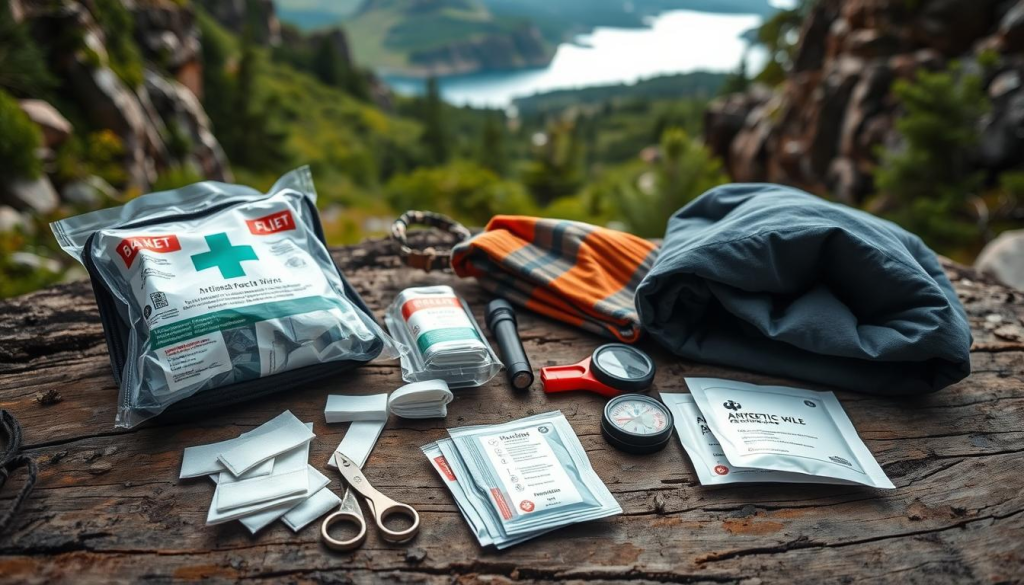
A well-stocked first aid kit is indispensable for outdoor adventures. The kit should include first aid kit essentials such as bandages, antiseptic wipes, pain relievers, and any medications that might be needed for specific conditions.
- Bandages and band-aids for wound care
- Antiseptic wipes for preventing infection
- Pain relievers and antihistamines
- Prescription medications and personal medical items
Techniques for Remote Locations
In remote locations, the ability to apply basic first aid techniques can significantly impact outcomes. Knowing how to perform CPR, treat burns, or stabilize fractures are critical skills. Regular training and practice are essential to ensure that these skills are readily available when needed.
Additionally, being aware of the environment and potential hazards such as wildlife, steep terrains, or extreme weather conditions can help in preventing accidents. Preparation and knowledge are key to managing emergencies effectively in outdoor settings.
Legal and Ethical Considerations in First Aid
The provision of first aid is not just about giving immediate health care; it also involves navigating a complex landscape of legal and ethical issues. When someone provides first aid, they are taking on a significant responsibility that can have legal and ethical implications.
First aid responders must be aware of the legal protections and limitations that apply to their actions. One of the key legal considerations is the Good Samaritan Laws, which vary by state but generally provide immunity from liability for individuals who provide reasonable assistance in good faith.
Good Samaritan Laws
Good Samaritan Laws are designed to protect individuals who provide first aid in good faith and without expectation of payment. These laws encourage bystanders to intervene in emergency situations without fear of legal repercussions.
Key aspects of Good Samaritan Laws include:
- Protection from civil liability for damages
- Requirement that the aid be given in good faith
- Expectation that the care provided is reasonable and prudent
Consent and Refusal of Treatment
Another critical aspect of providing first aid is obtaining consent from the injured or ill person before administering care. Consent can be expressed or implied, with implied consent typically assumed in emergency situations where the person is unable to give consent due to their condition.
| Type of Consent | Description | Example |
|---|---|---|
| Expressed Consent | Directly given by the person | A person verbally agrees to receive first aid |
| Implied Consent | Assumed based on the circumstances | An unconscious person is assumed to want emergency care |
Documenting the Incident: Why It Matters
After providing first aid, documenting the incident is crucial. This documentation can serve as a record of the care provided and can be invaluable in case of legal or medical follow-up.
Important details to document include:
- The nature of the injury or illness
- The first aid provided
- Any changes in the person’s condition
- Any subsequent medical care or instructions given
By understanding and adhering to these legal and ethical considerations, individuals can provide effective and responsible first aid, ensuring the best possible outcomes for those in need of immediate health care.
Continuing Education and Certification in First Aid
Effective first aid requires ongoing education and training. Staying updated on the latest techniques is crucial for responding to health emergencies. By investing in continuing education, individuals can enhance their ability to provide critical care.
Local Training Opportunities
Finding a first aid course near you is easier than ever. Many organizations, such as the American Red Cross, offer CPR training and certification programs. These courses cover a range of topics, from basic first aid to advanced health emergency response techniques.
Certification Benefits
Getting certified in first aid not only boosts your skills but also provides a recognized credential. This certification is often required for certain professions and can be a valuable addition to any resume. Moreover, certification demonstrates a commitment to health and safety.
Staying Current
First aid techniques and guidelines evolve over time. Regularly updating your skills ensures you remain proficient in health emergency response. You can sign up for a course to get First Aid/CPR/AED certified, where you’ll learn the latest techniques and earn a two-year certification.