
Being prepared for health emergencies is crucial for every household. According to the American Red Cross, having a well-stocked first aid kit is essential for emergency preparedness.
Keeping a first aid kit in your home and car can make a significant difference in responding to emergencies effectively. This article will guide you through the importance of having a well-stocked first aid kit at home and provide an overview of how to be prepared for health emergencies.
Key Takeaways
- Having a well-stocked first aid kit is crucial for emergency preparedness.
- Keep a first aid kit in your home and car.
- Being prepared can make a significant difference in responding to emergencies.
- A well-stocked first aid kit helps in providing immediate care.
- It is recommended to regularly check and update your first aid kit.
Understanding First Aid Basics
Knowing the basics of first aid can significantly impact how you respond during health emergencies. First aid is the immediate care given to someone who is injured or suddenly ill. It’s about providing the necessary help until professional medical assistance arrives.
What is First Aid?
First aid is not just about treating injuries; it’s also about preventing further harm. It involves a set of simple, lifesaving techniques that can be performed with minimal equipment. The goal is to keep the person safe and stable until they can receive proper medical care.
Key principles of first aid include:
- Assessing the situation quickly and safely
- Providing care for the injured or ill person
- Calling for professional medical help when needed
Importance of First Aid
The importance of first aid lies in its ability to save lives and prevent minor injuries from becoming major ones. According to the American Red Cross, having the knowledge and skills to provide first aid can make a significant difference in emergency situations.
| Benefits of First Aid | Description |
|---|---|
| Saves Lives | Prompt first aid can save lives in critical situations. |
| Reduces Recovery Time | Proper first aid can reduce the time it takes for an injured person to recover. |
| Prevents Further Injury | First aid helps prevent minor injuries from becoming more serious. |
Common First Aid Myths
There are several myths surrounding first aid that can lead to improper care. For instance, some believe that you should put butter or ice on a burn, which is not recommended. Understanding the facts can help you provide better care.
Debunking common myths:
- Using butter on burns is harmful and can cause infection.
- Not all injuries require immediate medical attention, but it’s always better to err on the side of caution.
Essential First Aid Supplies for Your Home
Being prepared for medical emergencies starts with having the right first aid supplies at home. A well-stocked first aid kit is the cornerstone of home health care, enabling you to respond effectively to minor injuries and potentially serious conditions.
Must-Have First Aid Kit Items
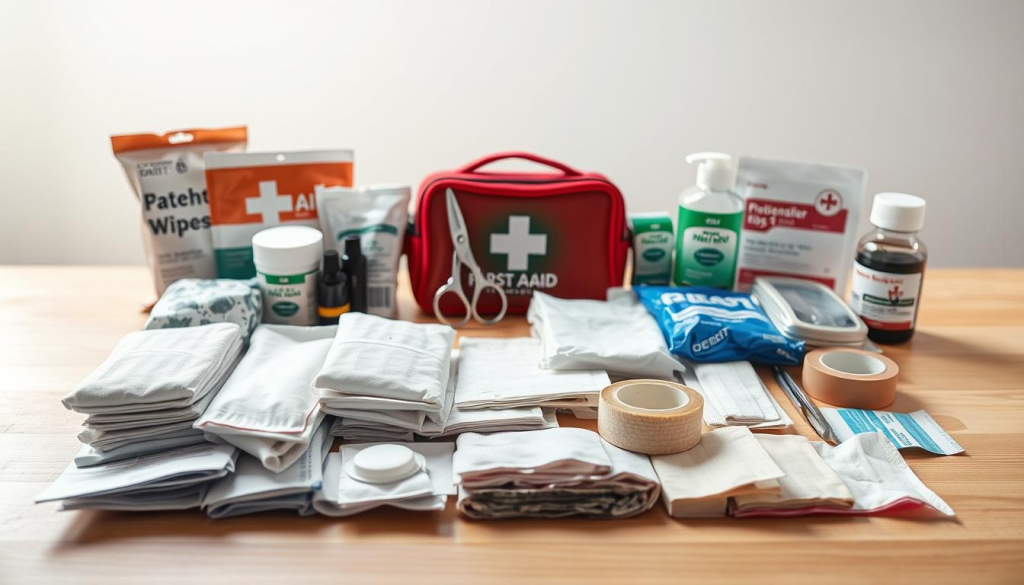
A basic first aid kit should include a variety of supplies to treat common injuries and conditions. Essential items include:
- Bandages and band-aids in various sizes
- Antiseptic wipes and ointment
- Gauze pads and rolls
- Medical tape
- Scissors and tweezers
- Personal medications and any necessary prescriptions
In addition to these basics, consider including items tailored to your family’s specific needs, such as antihistamines for allergic reactions or pain relievers.
Where to Store Your First Aid Kit
Once you have assembled your first aid kit, it’s crucial to store it in an accessible location known to all family members. Consider the following when choosing a storage spot:
- Easy to reach, especially for children and the elderly
- Away from extreme temperatures and moisture
- In a designated area, such as a kitchen or bathroom, where emergencies often occur
Maintaining Your First Aid Supplies
Maintaining your first aid kit is as important as assembling it. Regularly check your supplies to ensure they are not expired, damaged, or used. Replace items as needed and restock your kit to maintain its effectiveness.
| Supply Item | Check Interval | Action if Expired or Damaged |
|---|---|---|
| Bandages and Gauze | Every 6 months | Replace with new stock |
| Antiseptic Wipes | Every 12 months | Discard and restock |
| Medications | As per expiration dates | Dispose of properly and replace |
By following these guidelines, you can ensure your first aid kit remains a valuable resource for home health emergencies.
Recognizing Health Emergencies
Health emergencies can arise unexpectedly, making it vital to know the warning signs. Being prepared and informed is key to handling such situations effectively.
Signs of a Medical Emergency
A medical emergency can manifest in various ways. Common signs include severe chest pain, difficulty breathing, or sudden numbness or weakness. It’s crucial to stay calm and assess the situation quickly to provide the necessary assistance.
Other signs of a medical emergency may include severe injuries, such as deep cuts or broken bones, and conditions like severe allergic reactions or diabetic emergencies. Recognizing these signs early can significantly impact the outcome.
When to Call 911
Knowing when to call 911 is critical in a medical emergency. If someone is experiencing severe symptoms such as chest pain, severe injury, or difficulty breathing, call 911 immediately. It’s better to err on the side of caution when it comes to health emergencies.
When calling 911, be prepared to provide your location and a brief description of the emergency. Stay on the line until the operator hangs up, as they may need additional information.
Common Home Safety Hazards
Many health emergencies can be prevented by identifying and mitigating common home safety hazards. These include slippery floors, unsecured furniture, and electrical hazards. Regularly inspecting your home and taking corrective actions can significantly reduce the risk of accidents.
Additionally, being aware of potential hazards such as fire risks and ensuring that safety measures like smoke detectors are in place can further enhance home safety.
Responding to Cuts and Scrapes
When accidents happen at home, knowing how to respond to cuts and scrapes is crucial for preventing infection and promoting healing. Cuts and scrapes are among the most common injuries that can occur in the home, and proper care can make a significant difference in recovery.
How to Clean a Wound
Cleaning a wound is the first step in treating cuts and scrapes. Start by rinsing the wound with cool or lukewarm water and mild soap. Avoid using hot water, harsh soap, or other cleansers that can irritate the skin. Gently pat the area dry with a clean towel.
Steps for Cleaning a Wound:
- Rinse with cool or lukewarm water.
- Use mild soap.
- Avoid harsh cleansers.
- Gently pat dry.
When to Seek Medical Attention
Not all cuts and scrapes require medical attention, but certain signs indicate the need for professional care. If you notice any of the following, seek medical help: increased redness around the wound, pus or discharge, a fever, or if the wound doesn’t heal within a few days.
“It’s crucial to monitor wounds for signs of infection, as timely medical intervention can prevent serious complications.”
Signs that Require Medical Attention:
| Signs | Possible Indication |
|---|---|
| Increased redness | Infection |
| Pus or discharge | Infection |
| Fever | Systemic infection |
Preventing Infection
Preventing infection is key to ensuring that cuts and scrapes heal properly. Apply an antibiotic ointment to the cleaned wound and cover it with a bandage. Change the bandage daily or whenever it gets wet or dirty.
Tips for Preventing Infection:
- Apply antibiotic ointment.
- Cover the wound.
- Change the bandage daily.
Dealing with Burns and Scalds
Burns and scalds are common household accidents that can cause significant pain and potentially lead to serious complications if not managed properly. Understanding the different types of burns and the appropriate first aid response is crucial for effective burn care.
Types of Burns
Burns are classified into three main categories based on their severity: first-degree, second-degree, and third-degree burns.
- First-degree burns affect only the outer layer of the skin, causing redness, swelling, and pain.
- Second-degree burns extend into the second layer of skin, leading to blisters, redness, and swelling.
- Third-degree burns are the most severe, penetrating through all layers of the skin and potentially damaging underlying tissues.
Recognizing the type of burn is essential for determining the appropriate first aid steps.
First Aid Steps for Burns
The initial response to a burn injury is critical. Here are the first aid steps to follow:
- Cool the burn with cool (not cold) water for 10-15 minutes to reduce the temperature of the skin and ease the pain.
- Remove jewelry or clothing near the burned area to prevent constriction as the skin swells.
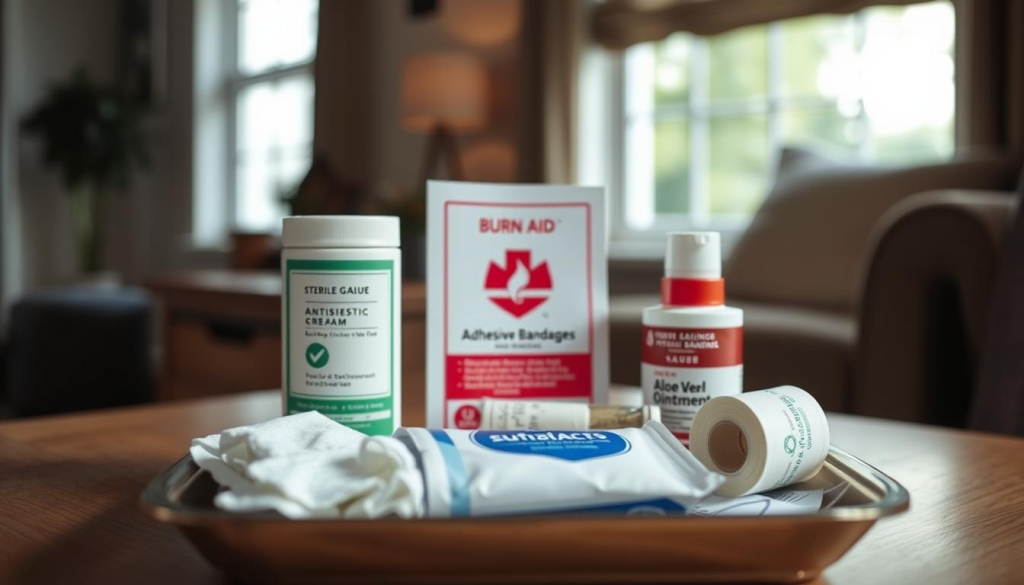
- Cover the burn with a non-stick, sterile bandage or dressing to protect it from further irritation and infection.
- Avoid breaking blisters to prevent infection.
Healing and Recovery Tips
After the initial first aid, proper wound care is vital for healing and recovery. Here are some tips:
- Keep the burn clean and covered to prevent infection.
- Apply topical creams or gels as recommended by a healthcare professional to aid in healing and reduce scarring.
- Monitor for signs of infection, such as increased redness, swelling, or pus, and seek medical attention if you notice any of these symptoms.
By following these guidelines for burn care and first aid, you can significantly improve the healing process and reduce the risk of complications.
First Aid for Allergic Reactions
Severe allergic reactions require immediate attention, and knowing the right first aid steps can make a significant difference. Allergic reactions occur when the body’s immune system reacts to a foreign substance, which can be anything from food to insect bites.
Identifying Allergies
Identifying an allergic reaction is the first step in providing effective first aid. Symptoms can range from mild, such as hives or itching, to severe, including swelling, difficulty breathing, and a drop in blood pressure. Recognizing these symptoms early is crucial for timely intervention.
Emergency Treatment for Reactions
When an allergic reaction is identified, administering emergency treatment promptly is vital. This may involve calling emergency services or administering an EpiPen if available. The EpiPen is designed to deliver a dose of epinephrine to help alleviate severe allergic reaction symptoms.
Using an EpiPen Effectively
Using an EpiPen effectively requires understanding the proper technique. First, remove the safety cap and place the tip against the middle of the outer thigh, at a right angle to the leg. Then, push the EpiPen firmly until it clicks, holding it in place for a few seconds to ensure the full dose is administered.
After administering epinephrine, it’s crucial to call emergency services immediately, even if the person seems to be recovering. Severe allergic reactions can sometimes have a second phase, known as a biphasic reaction, which can occur several hours after the initial reaction.
Managing Sprains and Strains
Managing sprains and strains effectively is crucial for a speedy recovery and preventing further injury. These common injuries can occur during physical activities, at home, or even at work, making it essential to know how to handle them properly.
The RICE Method Explained
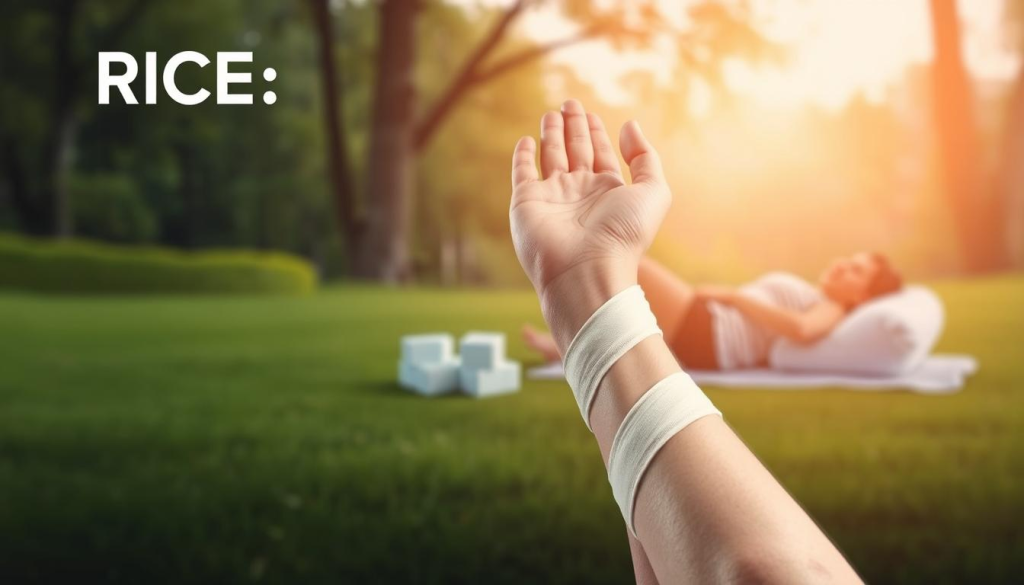
The RICE method, standing for Rest, Ice, Compression, and Elevation, is a widely recommended approach for managing sprains and strains. This technique helps reduce pain, swelling, and the risk of further injury.
- Rest: Stop activity and rest the injured area to prevent further injury.
- Ice: Apply ice to reduce pain and swelling. Ice should be wrapped in a cloth to avoid direct contact with the skin.
- Compression: Use a compression bandage to help reduce swelling.
- Elevation: Elevate the injured limb above the level of the heart to reduce swelling and promote blood flow.
Recognizing Symptoms
It’s vital to recognize the symptoms of sprains and strains to provide appropriate care. Common symptoms include pain, swelling, bruising, and limited mobility in the affected area.
Some specific signs to watch for include:
- Severe pain that worsens with movement
- Significant swelling or bruising
- Instability or weakness in the affected limb
- Difficulty moving the affected area
When to Seek Medical Attention
While many sprains and strains can be managed at home, there are times when medical attention is necessary. If you experience severe pain, significant swelling, or if the injury doesn’t improve with the RICE method, it’s time to consult a healthcare professional.
Additionally, if you have:
- Severe bruising or swelling
- Instability in the joint
- Deformity of the limb
- An open wound or signs of infection
you should seek immediate medical care.
First Aid for Choking
When someone is choking, every second counts, and knowing the right first aid can make all the difference. Choking occurs when an object becomes stuck in the throat, blocking airflow. It’s a life-threatening emergency that requires immediate action.
Recognizing Choking Symptoms
Identifying the signs of choking is crucial. A person who is choking may:
- Be unable to speak or make sounds
- Clutch at their throat
- Turn red or blue from lack of oxygen
- Make high-pitched sounds while trying to breathe
Heimlich Maneuver Steps
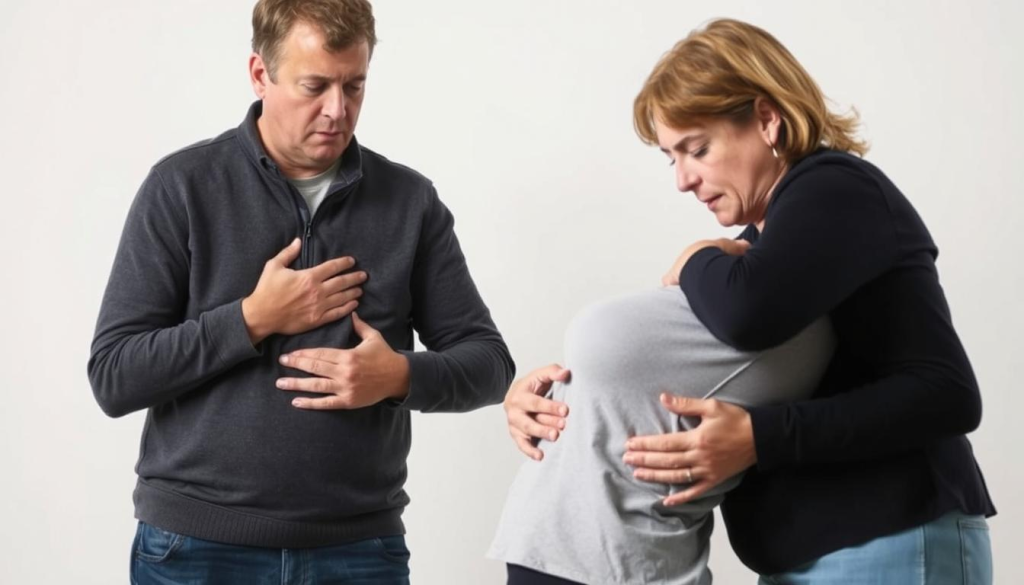
The Heimlich maneuver is a first aid procedure used to relieve choking. To perform it:
- Stand behind the person and wrap your arms around their waist.
- Make a fist with one hand, placing it just above the navel.
- Grasp your fist with your other hand and perform a quick upward thrust.
- Continue until the object is dislodged.
How to Help Infants and Children
For infants (0-12 months), the approach differs:
- Support the infant’s head and back, turning them face down on your forearm.
- Give five back slaps between the shoulder blades.
- If the object doesn’t dislodge, turn the infant over and give five chest thrusts.
For children (1-8 years), you can use a modified Heimlich maneuver or back slaps, depending on their size and your ability to perform the maneuver effectively.
| Age Group | First Aid Technique |
|---|---|
| Infants (0-12 months) | Back slaps and chest thrusts |
| Children (1-8 years) | Modified Heimlich maneuver or back slaps |
| Adults | Heimlich maneuver |
Knowing these techniques can help save lives. It’s essential to stay calm and act quickly when someone is choking.
Training and Resources for First Aid
Effective first aid requires proper training and access to reliable resources. By investing time in learning first aid techniques, individuals can significantly improve their ability to respond to emergencies.
Learning Through Courses
Enrolling in a first aid course is an excellent way to gain hands-on experience and in-depth knowledge. Organizations like the American Red Cross offer comprehensive training programs that cover a wide range of first aid scenarios. These courses are designed to equip participants with the skills needed to handle emergencies confidently.
Utilizing Online Resources and Apps
In addition to formal courses, numerous online resources and mobile apps provide valuable first aid information. Websites and apps often include step-by-step guides, videos, and interactive quizzes to help learners understand and retain first aid techniques. Some reputable sources include the American Heart Association’s website and first aid apps like First Aid by American Red Cross.
Staying Updated
First aid guidelines and techniques evolve over time. Staying informed about the latest developments is crucial for maintaining proficiency. Regularly reviewing first aid resources, attending refresher courses, and practicing skills are essential for keeping first aid knowledge up to date.