Medical emergencies can occur at any moment, and knowing how to respond is crucial. Administering immediate care during an emergency can significantly impact the outcome for an ill or injured person before Emergency Medical Services (EMS) arrive.
Understanding health tips and first aid techniques can empower individuals to take action in critical situations, potentially saving lives. It’s essential to be prepared and know how to provide care until professional help arrives.
Key Takeaways
- Immediate care is crucial in medical emergencies.
- Knowing health tips and first aid techniques can save lives.
- Being prepared for emergencies is essential.
- Understanding the role of EMS is vital.
- Empowering individuals with first aid knowledge can make a significant difference.
Understanding Emergency Situations
When emergencies occur, having the knowledge to identify and respond appropriately can save lives. The first step in managing any medical emergency is to assess the situation quickly and accurately.
Recognizing an Emergency
Recognizing an emergency is crucial because it allows for timely intervention. Signs of an emergency can include severe injuries, difficulty breathing, chest pain, or severe allergic reactions. It’s essential to stay calm and assess the situation to determine the severity of the emergency.
Some common indicators of an emergency situation include:
- Unusual noises or smells
- Unresponsiveness or confusion
- Severe bleeding or burns
Being aware of these signs can help in taking prompt action. As the American Heart Association emphasizes, “Early recognition of cardiac arrest is key to survival.”
The Golden Hour Concept
The “Golden Hour” is a critical concept in emergency response, referring to the first hour following a traumatic injury. During this time, prompt medical treatment can significantly improve survival chances and reduce the severity of injuries.
| Timeframe | Action | Impact |
|---|---|---|
| Within the first hour | Prompt medical treatment | Improved survival chances |
| Delayed treatment | Increased risk of complications | Higher mortality rates |
Understanding the importance of the Golden Hour can motivate individuals to seek immediate medical help in emergency situations. As Dr. Peter T. Morrow notes, “The first hour after injury is the most critical for determining the outcome.”
Essential First Aid and Health Preparation
Preparing for emergencies is crucial for ensuring the safety and well-being of individuals and their families. Effective health preparation involves several key components that can significantly impact how well one responds to emergencies.
Creating a Family Emergency Plan
A family emergency plan is vital for ensuring everyone knows what to do in case of an emergency. This plan should include identifying emergency escape routes, a meeting point outside the home, and contact information for a family member or friend. It’s also essential to practice this plan regularly to ensure all family members are familiar with it.
Consider including details such as emergency contact numbers and a plan for pets or individuals with special needs. By having a well-thought-out plan, families can reduce panic and respond more effectively during emergencies.
Assembling a Comprehensive First Aid Kit
An essential part of health preparation is assembling a comprehensive first aid kit. This kit should include basic supplies such as bandages, antiseptic wipes, pain relievers, and any medications family members may need. It’s also a good idea to include a first aid manual or guide.
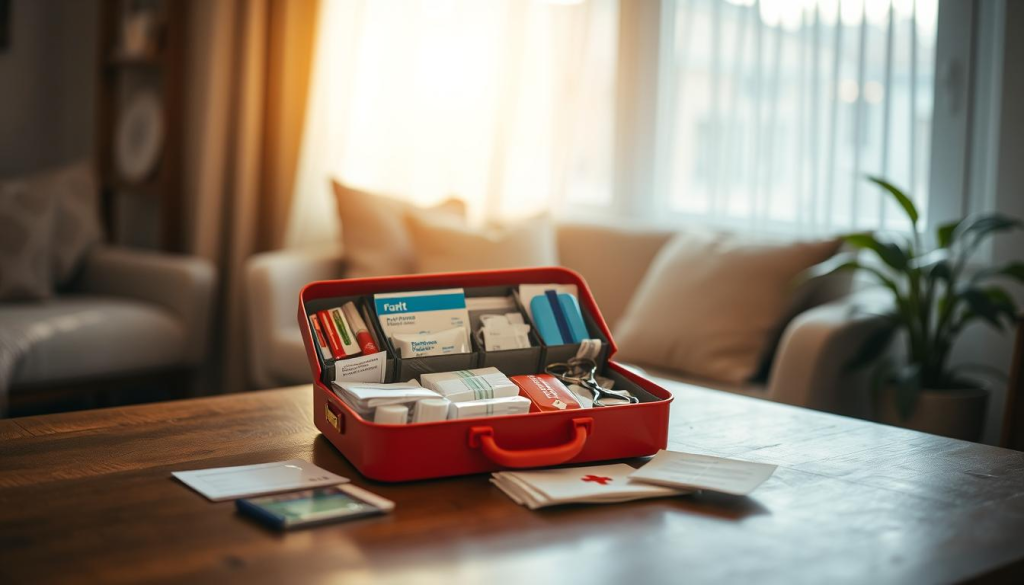
Regularly checking and updating the first aid kit is crucial to ensure it remains relevant and fully stocked. Consider taking a first aid/CPR/AED certification course, such as those offered by the American Red Cross, to learn the latest techniques and earn a two-year certification.
By focusing on these aspects of health preparation, individuals can significantly enhance their ability to respond to emergencies effectively.
Basic Life-Saving Techniques
Basic life-saving techniques are crucial for responding effectively in emergencies. These techniques can help save lives until professional medical help arrives.
CPR Fundamentals
Cardiopulmonary resuscitation (CPR) is one of the most critical emergency medical procedures. It involves chest compressions and rescue breaths to maintain blood circulation and oxygenation to vital structures of the body, especially the brain, until further medical treatment can be provided. To perform CPR, start with chest compressions at a rate of 100 to 120 per minute, ensuring each compression is at least 2 inches deep. After 30 compressions, give two breaths. Continue this cycle until emergency medical personnel arrive.
Proper CPR technique is essential to avoid causing harm. It’s recommended to take a CPR training course to learn the correct method and stay updated on the latest guidelines.
Heimlich Maneuver for Choking
The Heimlich maneuver is a lifesaving technique used to relieve choking caused by an object becoming stuck in a person’s throat. To perform the Heimlich maneuver, stand behind the person and wrap your arms around their waist. Make a fist with one hand, placing it just above the navel. Grasp your fist with your other hand and perform a quick upward thrust. Repeat until the object is expelled.
It’s crucial to act quickly when someone is choking, as the situation can become life-threatening within minutes.
Recovery Position
The recovery position is used to maintain a person’s airway clear when they are unconscious but breathing. To place someone in the recovery position, turn them onto their side with the upper leg bent at a right angle. Tilt their head back to keep the airway open. This position helps prevent the tongue from falling back and blocking the airway and reduces the risk of aspiration.
By mastering these basic life-saving techniques, individuals can significantly improve their ability to respond to emergencies effectively.
Responding to Traumatic Injuries
Understanding how to manage traumatic injuries is essential for providing immediate and effective care. Traumatic injuries can range from minor to life-threatening, and the response to such injuries can significantly impact the outcome. Knowing the basics about blood and how it works can be particularly helpful when dealing with bleeding injuries.
Controlling Severe Bleeding
Severe bleeding is a life-threatening condition that requires immediate attention. To control severe bleeding, apply firm and steady pressure to the wound using a clean cloth or bandage. Elevating the injured area above heart level can also help reduce blood flow to the wound. It’s crucial to avoid removing any objects that are deeply embedded in the wound, as this can cause further damage.
Managing Fractures and Sprains
Fractures and sprains are common types of traumatic injuries. A fracture is a break in a bone, while a sprain is an injury to the ligaments surrounding a joint. To manage fractures and sprains, immobilize the affected area using a splint or sling to prevent further injury. Applying ice to the affected area can help reduce swelling and pain.
Head Injury Assessment and Care
Head injuries can be particularly dangerous due to the risk of brain damage. When assessing a head injury, check for signs of concussion, such as confusion, dizziness, or loss of consciousness. It’s essential to monitor the injured person closely and seek medical attention immediately if any severe symptoms develop. Providing a calm and quiet environment can help reduce the risk of further injury.
In conclusion, responding to traumatic injuries effectively requires knowledge of how to control severe bleeding, manage fractures and sprains, and assess and care for head injuries. By understanding these key principles, individuals can provide critical care in emergency situations.
Handling Burns and Wounds
When dealing with emergencies, it’s crucial to know how to handle burns and wounds effectively. Burns and wounds are common injuries that can occur in various situations, and proper care can significantly impact recovery outcomes.
Burn Classification and Treatment
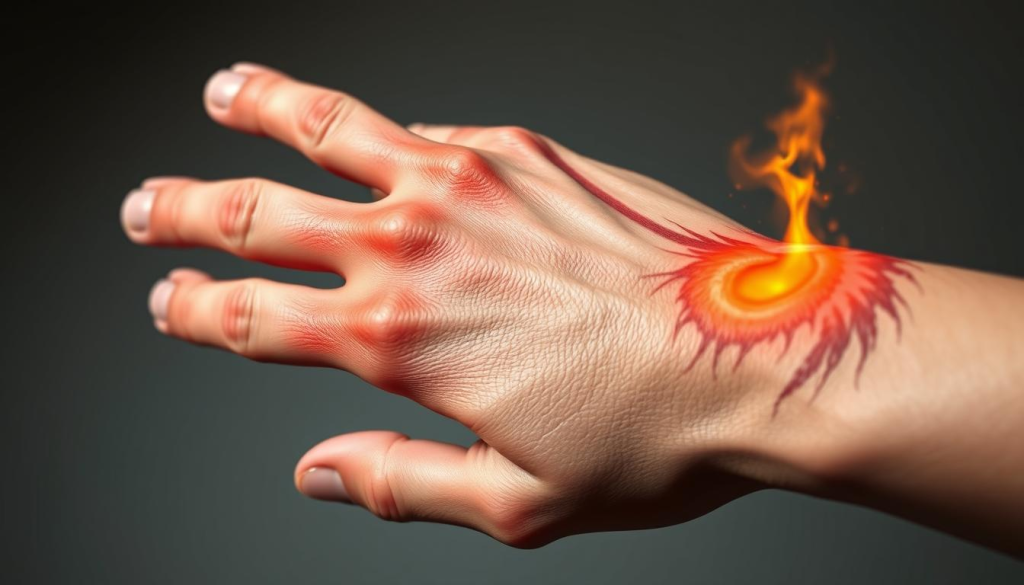
Burns are classified into three degrees based on their severity. First-degree burns affect only the outer layer of skin, causing redness and pain. Second-degree burns extend into the second layer, causing blisters and more severe pain. Third-degree burns are the most severe, penetrating through all layers of skin and potentially into underlying tissues.
The first step to treating a burn is to stop the burning process. Cool the burn with cool (not cold) water for 10-15 minutes or apply a cool compress. Avoid using ice or ice water, as this can cause further damage. For severe burns, especially third-degree burns, immediate medical attention is crucial.
Wound Cleaning and Dressing
Proper wound cleaning and dressing are vital to prevent infection and promote healing. Begin by rinsing the wound with cool or lukewarm water and mild soap. Avoid using harsh soap, hydrogen peroxide, or iodine, as these can irritate the wound.
Gently pat the wound dry with a clean towel. Apply an antibiotic ointment to help prevent infection, and cover the wound with a sterile bandage or dressing. Change the dressing daily or whenever it gets wet or dirty.
- Stop the bleeding by applying gentle pressure with a clean cloth.
- Clean the wound with mild soap and water.
- Apply antibiotic ointment and cover with a sterile dressing.
First Aid and Health Approaches for Medical Emergencies
Knowing how to respond to medical emergencies such as heart attacks, strokes, and seizures is essential for effective first aid. Medical emergencies can be life-threatening and require immediate attention. Understanding the appropriate first aid approaches can significantly improve outcomes.
https://www.youtube.com/watch?v=7CXB7yEnt40
Heart Attack Response
A heart attack occurs when the blood flow to the heart is blocked, causing damage to the heart muscle. Recognizing the signs of a heart attack, such as chest pain, shortness of breath, and nausea, is crucial. If someone is experiencing a heart attack, call emergency services immediately. While waiting for help, have the person sit or lie down in a comfortable position, and loosen tight clothing. If the person is conscious, give them an aspirin to chew, if advised by the emergency operator.
Stroke Recognition and Action
A stroke occurs when the blood supply to part of the brain is interrupted or reduced, preventing brain tissue from getting oxygen and nutrients. The signs of a stroke can be remembered using the acronym FAST: Face drooping, Arm weakness, Speech difficulty, and Time to call emergency services. If someone is having a stroke, act F.A.S.T. and call for emergency help right away. Keep the person comfortable and calm while waiting for medical assistance.
Seizure Management
A seizure is a sudden surge of electrical activity in the brain that can cause changes in behavior, sensation, or sometimes no noticeable symptoms. During a seizure, it’s essential to keep the person safe by gently turning them onto their side to prevent choking, clearing the area around them of any hard or sharp objects, and loosening tight clothing around their neck.
“The key to managing seizures is to ensure the person’s safety until the seizure passes and they are fully recovered.”
After the seizure, provide a calm and comfortable environment until they are fully recovered.
In conclusion, being prepared to respond to medical emergencies like heart attacks, strokes, and seizures can make a significant difference in outcomes. By understanding the appropriate first aid approaches, individuals can provide critical care until professional medical help arrives.
Managing Environmental Emergencies
Understanding how to manage environmental emergencies is crucial for saving lives and reducing the risk of long-term health issues. Environmental emergencies, such as extreme weather conditions, can lead to serious health problems if not addressed promptly and properly.
Heat-Related Illnesses
Heat-related illnesses occur when the body is unable to cool itself properly, often due to high temperatures or intense physical activity. Symptoms can range from mild heat exhaustion to life-threatening heatstroke. Recognizing the signs early is critical for effective intervention.
- Heavy sweating
- Pale, cool, and clammy skin
- Fast and weak pulse
- Nausea or vomiting
- Dizziness or fainting
Cold Exposure and Hypothermia
Cold exposure can lead to hypothermia, a condition where the body’s core temperature drops below 95°F (35°C). Frostbite is another risk, occurring when the body’s tissues freeze deeply in the cold. Prompt treatment involves gradual warming and, in severe cases, medical attention.
| Condition | Symptoms | First Aid |
|---|---|---|
| Hypothermia | Shivering, confusion, slurred speech | Gradual warming, medical help |
| Frostbite | Numbness, pale skin, hard tissue | Soak in warm water, avoid rubbing |
Drowning Response
Drowning can happen quickly and silently. If someone is drowning, call for emergency help immediately. While waiting for assistance, attempt to reach the person with a flotation device or a long object if it’s safe to do so.

By understanding how to respond to environmental emergencies, we can significantly reduce the risk of serious health consequences. Being prepared and knowledgeable is key to managing these situations effectively.
First Aid for Allergic Reactions and Poisoning
Emergencies involving allergic reactions or poisoning require immediate and appropriate first aid. Allergic reactions can range from mild to severe, with the most severe form being anaphylaxis, a life-threatening condition that demands prompt recognition and response.
Anaphylaxis Recognition and Response
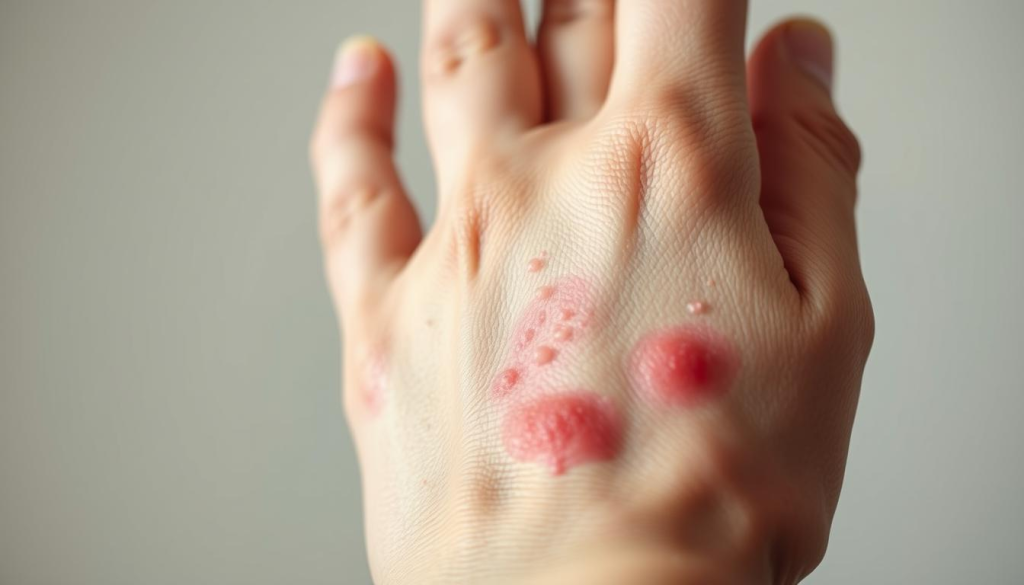
Anaphylaxis is characterized by widespread release of histamine, leading to symptoms such as difficulty breathing, rapid heartbeat, and a drop in blood pressure. Recognizing these symptoms early is crucial. Administering epinephrine via an EpiPen or other auto-injector is the first line of treatment. It’s essential to call emergency services immediately after administering epinephrine.
Some common triggers for anaphylaxis include:
- Peanut or tree nut allergies
- Insect stings
- Certain medications
For instance, an allergy can develop at any time—that’s why it’s essential to always watch for an allergic reaction after a bee sting.
Poison Exposure Management
Poison exposure can occur through ingestion, inhalation, or skin contact. The key to managing poison exposure is identifying the poison and understanding the severity of the exposure. Call the Poison Help hotline at 1-800-222-1222 for guidance. This service is available 24/7 and provides critical advice on how to proceed.
Some steps to follow in case of poison exposure include:
| Exposure Type | Immediate Action |
|---|---|
| Ingestion | Do not induce vomiting unless instructed by the Poison Help hotline |
| Inhalation | Move to fresh air immediately |
| Skin Contact | Wash the affected area with soap and water |
Being prepared and knowing how to respond to allergic reactions and poisoning can significantly impact outcomes in emergency situations.
Special Considerations for Vulnerable Populations
In emergency situations, it’s crucial to consider the specific needs of vulnerable populations, including pediatric and geriatric individuals. These groups have unique physiological and psychological characteristics that require tailored emergency care approaches. Understanding these differences is key to providing effective care.
Pediatric Emergency Care
Children have different anatomical and physiological characteristics compared to adults, which affects their response to emergencies. For instance, pediatric CPR guidelines differ from those for adults, emphasizing the need for tailored training. As soon as they can retain the information, kids can learn CPR, making early education crucial.
Pediatric emergency care also involves understanding child-specific conditions such as febrile seizures and the importance of using appropriate pediatric-sized equipment.
Geriatric Emergency Considerations
Older adults often have multiple chronic conditions and may be on various medications, complicating emergency care. Geriatric emergency considerations include being aware of potential drug interactions and the increased risk of falls and fractures. Caregivers should be prepared to provide detailed medical histories during emergencies.
Geriatric care also involves recognizing signs of elder abuse and understanding the legal and ethical implications of caring for older adults.
Mental Health First Aid in Crisis Situations
Crisis situations often demand more than just physical first aid; mental health support is equally vital. In the midst of emergencies, individuals may experience panic attacks, acute distress, or other mental health challenges. Understanding how to provide mental health first aid can significantly impact the outcome of these situations.
Panic Attack Management
Managing a panic attack involves staying calm and providing reassurance. It’s essential to help the individual find a quiet, safe space and encourage them to breathe deeply and slowly. Reassuring them that panic attacks are not life-threatening can also help alleviate their distress.
Supporting Someone in Acute Distress
When supporting someone in acute distress, active listening is crucial. Allow them to express their feelings without interruption, and provide comfort without being dismissive of their concerns. Encouraging them to seek professional help after the immediate crisis has passed is also important.
Self-Care After Providing Emergency Assistance
After providing mental health first aid, it’s vital to practice self-care. This can include taking time to relax, engaging in activities that bring comfort, and seeking support if needed. Recognizing the impact of providing emergency assistance on one’s own mental health is crucial for maintaining well-being.
By understanding and applying mental health first aid principles, individuals can better navigate crisis situations and support those in need while also taking care of their own mental health.
When and How to Seek Professional Medical Help
Recognizing the need for professional medical assistance is a critical skill in handling emergencies effectively. In the heat of the moment, it’s essential to remain calm and assess the situation accurately to determine the level of care required.
Emergency vs. Urgent Care Situations
Distinguishing between emergency and urgent care situations is vital. Emergency care is required for life-threatening conditions such as severe injuries, heart attacks, or strokes. On the other hand, urgent care is needed for less severe conditions that still require prompt attention, such as minor injuries or acute illnesses.
| Condition | Emergency Care | Urgent Care |
|---|---|---|
| Severe Injuries | Yes | No |
| Minor Injuries | No | Yes |
| Heart Attack/Stroke | Yes | No |
| Acute Illness | No | Yes |
Effective Communication with Emergency Services
When calling emergency services, it’s crucial to remain calm and provide clear, concise information. This includes stating the location, describing the emergency, and providing any relevant details about the condition of the person in need.
Effective communication ensures that the right help is dispatched promptly, improving the chances of a positive outcome in emergency situations.
Building Long-Term Emergency Preparedness
Effective emergency preparedness is a multifaceted approach that includes education, training, and community networks. It is essential for individuals and communities to be proactive in preparing for emergencies to minimize risks and ensure a swift response.
First Aid Training and Certification
One of the critical components of emergency preparedness is first aid training and certification. By acquiring first aid skills, individuals can provide immediate care in emergency situations, potentially saving lives. Organizations like the American Red Cross offer comprehensive training programs that cover various first aid techniques, including CPR and AED usage. You can also sign up for a get First Aid/CPR/AED certified, where you’ll learn the latest techniques and earn a two-year certification in first aid.
| Training Program | Certification Duration | Key Skills Covered |
|---|---|---|
| First Aid/CPR/AED | 2 years | CPR, AED usage, wound care |
| Basic Life Support | 2 years | CPR, AED, relief of choking |
Creating Community Emergency Networks
Building community emergency networks is another vital aspect of long-term emergency preparedness. These networks enable communities to come together, share resources, and support each other during emergencies. By fostering a sense of community and cooperation, neighborhoods can enhance their resilience to disasters and emergencies.
To create effective community emergency networks, consider organizing neighborhood meetings, establishing communication channels, and identifying local resources and volunteers. This proactive approach can significantly improve a community’s ability to respond to and recover from emergencies.
Conclusion
Emergency situations can arise unexpectedly, and being prepared is crucial. By understanding emergency situations, creating a family emergency plan, and assembling a comprehensive first aid kit, individuals can respond effectively.
Basic life-saving techniques, such as CPR and the Heimlich maneuver, can be the difference between life and death. Responding to traumatic injuries, managing burns and wounds, and handling medical emergencies like heart attacks and strokes require prompt and informed action.
By incorporating first aid and health tips into daily life, individuals can build long-term emergency preparedness. This includes staying informed, seeking professional medical help when needed, and supporting vulnerable populations.
In conclusion, first aid is a vital skill that can save lives. By applying the health tips and techniques outlined, individuals can make a significant difference in emergency situations.