
Being prepared for emergencies is crucial in saving lives and providing effective emergency medical assistance. According to the American Red Cross, having a well-stocked first aid kit in your home and car can significantly enhance your ability to respond to common injuries and emergencies.
Having the right knowledge and tools is essential in delivering first aid and health care during critical situations. It’s not just about having a kit; understanding how to use the items in it is equally important.
Key Takeaways
- Having a well-stocked first aid kit is crucial for emergency preparedness.
- Knowledge of how to use first aid kit items is essential.
- The American Red Cross emphasizes the importance of being prepared.
- Effective first aid can significantly impact emergency outcomes.
- Being prepared can save lives and reduce injury severity.
Understanding First Aid Basics
Understanding the basics of first aid is essential for responding effectively in medical emergencies. First aid is the initial assistance given to someone suffering from an acute injury or illness, and it can be lifesaving when administered promptly and properly.
What is First Aid?
First aid refers to the immediate care given to someone who is injured or ill. According to the Cleveland Clinic, it is the initial assistance provided to help the person recover or stabilize until professional medical attention is available. First aid can range from simple procedures like treating minor cuts and scrapes to more complex actions like performing CPR.
The primary goal of first aid is to preserve life, prevent the condition from worsening, and promote recovery. It involves assessing the situation, calling for professional help when needed, and providing the necessary care until medical professionals take over.
Importance of First Aid Training
First aid training is crucial because it equips individuals with the skills needed to respond effectively in emergency situations. By knowing how to provide injury treatment, individuals can make a significant difference in the outcome of an emergency. First aid training covers a wide range of topics, including CPR, treating wounds, and recognizing the signs of serious medical conditions.
Having first aid training can also reduce the risk of further injury and promote a safer environment. It empowers individuals to take control in emergency situations, providing them with the confidence to act quickly and effectively.
Moreover, first aid training is not limited to individuals; it’s also beneficial for workplaces and communities. Many organizations require their employees to undergo first aid training as part of their workplace safety protocols. By doing so, they ensure that their employees are prepared to handle emergencies and provide the necessary care until professional help arrives.
Essential First Aid Supplies
Being prepared with essential first aid supplies can make a significant difference in emergency situations. A well-stocked first aid kit is fundamental to providing immediate care for injuries and illnesses.
Understanding the components of a first aid kit is crucial. The kit should be tailored to the specific needs of the household or workplace, ensuring that it includes supplies for treating common injuries and conditions.
Must-Have Items for Your First Aid Kit
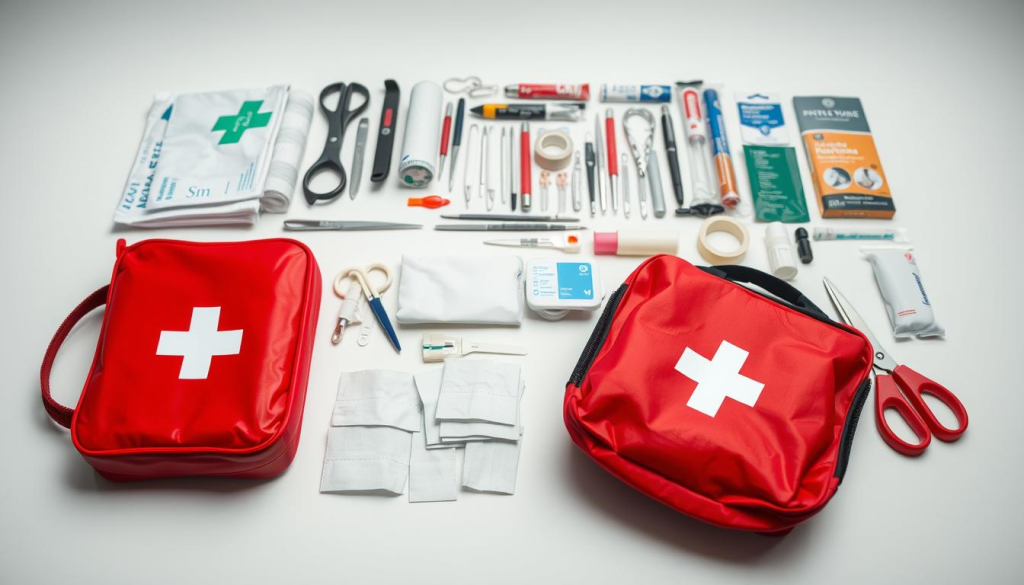
A first aid kit should include a variety of supplies to treat different types of injuries. According to the Mayo Clinic, a well-stocked first-aid kit should include items like adhesive tape, elastic wrap bandages, and antiseptic wipes. Other essential items include bandages, antiseptic solutions, and pain relievers.
It’s also important to consider the specific needs of your household or workplace. For example, if you have pets, including supplies for pet first aid is a good idea. Similarly, workplaces may need to include supplies relevant to their specific hazards.
Where to Buy First Aid Supplies
First aid supplies can be purchased at various retailers, both online and in-store. Pharmacies, online marketplaces, and specialty safety stores typically carry a range of first aid kits and supplies. When purchasing, ensure that the products are from reputable manufacturers and meet the necessary standards for first aid care.
Additionally, consider the convenience of online shopping, which allows you to compare products and prices easily. Some retailers also offer pre-assembled first aid kits, which can be a convenient option for those who are unsure about what to include.
Basic Techniques in First Aid
Basic first aid techniques are essential skills that everyone should possess to handle emergencies. These techniques can significantly improve the outcome in medical emergencies, potentially saving lives.
CPR: Life-Saving Skills Everyone Should Know
Cardiopulmonary resuscitation (CPR) is a critical skill that can help restore blood circulation and breathing in a person who has stopped breathing or whose heart has stopped beating. The American Red Cross emphasizes the importance of CPR training, as it can be lifesaving in cardiac emergencies. To perform CPR, one should start with chest compressions, followed by rescue breaths.
Step-by-Step CPR Guide:
- Check the scene for safety and call 911 or your local emergency number.
- Start chest compressions at a rate of 100-120 per minute.
- Give rescue breaths after every 30 compressions.
- Continue until emergency medical personnel arrive.
How to Treat Cuts and Scrapes
Treating cuts and scrapes properly can prevent infection and promote healing. First, stop the bleeding by applying gentle pressure with a clean cloth or bandage. Once the bleeding has stopped, clean the wound with mild soap and water.
Tips for Wound Care:
- Apply an antibiotic ointment to reduce the risk of infection.
- Cover the wound with a bandage to protect it.
- Monitor the wound for signs of infection, such as redness, swelling, or increased pain.
By mastering these basic first aid techniques, individuals can respond effectively in emergencies, potentially saving lives and reducing the severity of injuries.
Recognizing Medical Emergencies
Knowing how to recognize the signs of a medical emergency can be lifesaving. Medical emergencies, such as heart attacks, require immediate attention to prevent serious outcomes.
Common Signs of a Heart Attack
According to the American Heart Association, recognizing the signs of a heart attack is crucial for timely medical intervention. Common signs include chest pain or discomfort, shortness of breath, and pain or discomfort in one or both arms, the back, neck, jaw, or stomach.
- Chest pain or discomfort that feels like pressure, squeezing, fullness, or pain
- Shortness of breath or difficulty breathing
- Lightheadedness or dizziness
- Cold sweats
- Nausea or vomiting
When to Call for Help
If you or someone else is experiencing symptoms of a heart attack, it’s crucial to call for emergency medical assistance immediately. Don’t hesitate or try to drive to the hospital yourself. Emergency responders can provide life-saving care on the way to the hospital.
“Acting F.A.S.T. is key when dealing with a potential stroke or heart attack: Face drooping, Arm weakness, Speech difficulty, Time to call 911.”
Timely medical intervention can significantly improve outcomes in medical emergencies. Always err on the side of caution and seek medical assistance when in doubt.
First Aid for Children
The American Red Cross emphasizes the importance of age-appropriate first aid techniques for children. Providing first aid to children requires a different approach compared to adults, as their bodies are smaller and still developing.
Tailoring First Aid for Kids
When it comes to administering first aid to children, it’s crucial to use techniques that are suitable for their age and size. For instance, CPR on children involves using one hand or two hands for chest compressions depending on the child’s age and size, and the ratio of chest compressions to rescue breaths may differ from that for adults.
Key considerations for first aid in children include:
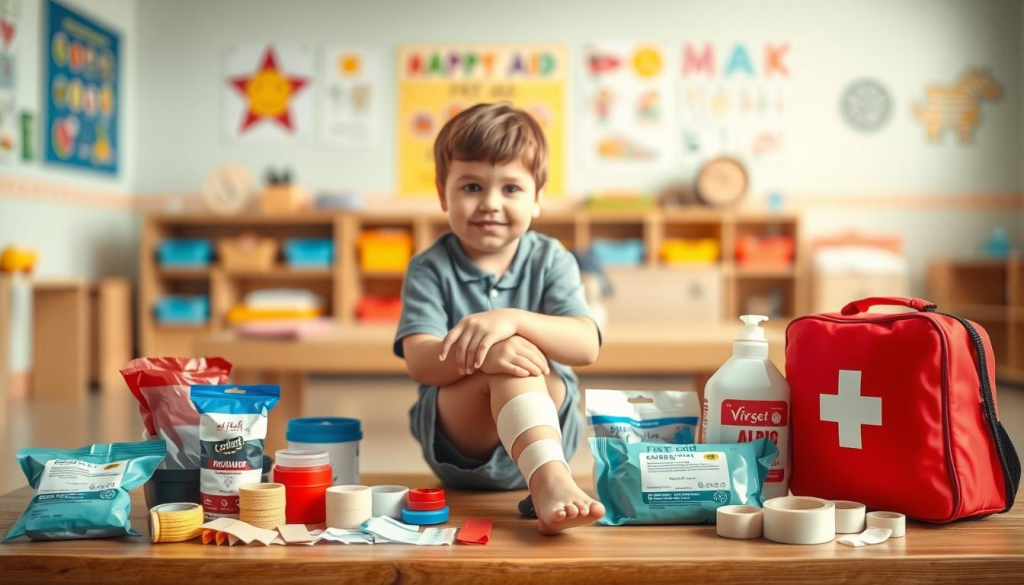
- Using appropriate-sized equipment, such as pediatric-sized first aid kits.
- Adjusting the force and technique of CPR according to the child’s age.
- Being aware of the common types of injuries or illnesses in children, such as choking or allergic reactions.
Keeping Kids Safe: Prevention Tips
Prevention is a critical aspect of keeping children safe. By taking proactive measures, parents and caregivers can significantly reduce the risk of accidents and injuries.
Some effective prevention strategies include:
| Prevention Strategy | Description | Benefits |
|---|---|---|
| Supervision | Always keep a watchful eye on children, especially in potentially hazardous environments. | Reduces the risk of accidents and allows for quick intervention. |
| Safety Equipment | Use safety gear such as helmets, car seats, and outlet covers. | Protects children from serious injuries. |
| Education | Teach children about safety rules and how to respond in emergencies. | Empowers children to make safe choices. |
By combining proper first aid training with effective prevention strategies, we can create a safer environment for children to grow and thrive.
First Aid in the Workplace
A well-prepared workplace can significantly reduce the impact of medical emergencies through effective first aid training. Ensuring that employees are equipped with the knowledge and skills to respond to emergencies is crucial for maintaining a safe and healthy work environment.
Importance of Workplace First Aid Training
Workplace first aid training is not just a regulatory requirement; it’s a vital component of employee safety and health. The Occupational Safety and Health Administration (OSHA) emphasizes the importance of having trained personnel who can respond to medical emergencies. Effective first aid training can save lives, reduce the severity of injuries, and minimize downtime due to accidents.
OSHA guidelines recommend that workplaces have a first aid program in place, which includes trained first aid responders and readily available first aid supplies. The specific requirements may vary depending on the workplace size, industry, and hazards present.
| Workplace Size | Recommended Number of First Aid Trained Employees | First Aid Kit Requirements |
|---|---|---|
| 1-50 employees | At least 1 trained employee | Basic first aid kit with bandages, antiseptic wipes, etc. |
| 51-100 employees | At least 2 trained employees | Standard first aid kit with additional supplies for wounds and injuries |
| More than 100 employees | At least 3 trained employees | Comprehensive first aid kit with supplies for various emergencies |
Creating a Safe Work Environment
Creating a safe work environment goes beyond just having first aid training; it involves identifying potential hazards and implementing measures to mitigate risks. Regular safety audits and employee training on safety procedures are essential components of a comprehensive workplace safety program.
Employers should also ensure that first aid supplies are easily accessible and that employees know where to find them. Displaying clear signs and providing regular training can enhance the effectiveness of the first aid response.
https://www.youtube.com/watch?v=7CXB7yEnt40
By prioritizing workplace first aid training and creating a safe work environment, employers can protect their employees’ health and well-being, reduce the risk of workplace accidents, and comply with regulatory requirements.
Health Care: A Comprehensive Overview
Health care is a multifaceted system that encompasses various aspects of medical treatment and prevention. It is designed to promote overall well-being, prevent diseases, and treat medical conditions effectively.
According to the World Health Organization, primary care is essential for overall health, while emergency care is critical in life-threatening situations. Understanding the distinction between these two aspects of health care is vital for navigating the health care system.
Primary Care vs. Emergency Care
Primary care focuses on preventive measures, routine check-ups, and managing chronic conditions. It is the first point of contact for most medical concerns and plays a crucial role in maintaining overall health.
Emergency care, on the other hand, is designed for acute, life-threatening conditions that require immediate attention. Knowing when to seek emergency care can be a matter of life and death.
| Aspect | Primary Care | Emergency Care |
|---|---|---|
| Purpose | Preventive care, routine check-ups | Life-threatening emergencies |
| Services | General health check-ups, chronic disease management | Immediate care for acute injuries or conditions |
| Setting | Outpatient clinics, primary care offices | Emergency departments, hospitals |
The Role of Health Care Professionals
Health care professionals, including doctors, nurses, and other specialists, play a crucial role in providing quality care. Their expertise and training enable them to diagnose, treat, and manage a wide range of medical conditions.
A healthcare provider is essential for delivering basic life support and other critical services. They work together as a team to ensure that patients receive comprehensive care.

Knowing Your Health Care Options
Understanding your health care options is crucial in today’s complex medical landscape. With the myriad of choices available, from various health insurance plans to a wide range of health care providers, making informed decisions can be overwhelming.
To navigate this complex system effectively, it’s essential to start by understanding the basics of health insurance and the different types of health care providers available.
Navigating Health Insurance Plans
Navigating health insurance plans can be challenging due to the variety of options and the technical terminology used. However, resources like Healthcare.gov provide valuable guidance on understanding the different types of plans, including HMOs, PPOs, and EPOs, and how to choose the one that best suits your needs.
When selecting a health insurance plan, it’s crucial to consider factors such as premium costs, deductible amounts, copays, and the network of health care providers. Creating a comparison table can help simplify this process.
| Plan Type | Premium Cost | Deductible | Network |
|---|---|---|---|
| HMO | $300/month | $1,000 | Limited to specific providers |
| PPO | $350/month | $1,200 | Flexible, includes out-of-network providers |
| EPO | $320/month | $1,100 | Exclusive network, no out-of-network coverage |
Choosing the Right Health Care Provider
Choosing the right health care provider is equally important as selecting the appropriate health insurance plan. Factors to consider include the provider’s specialty, location, and patient reviews. It’s also crucial to check if the provider is part of your insurance network to avoid unexpected medical bills.
Healthcare.gov and other health care rating websites can provide valuable insights into the quality of care offered by different providers. By doing thorough research, you can make an informed decision that meets your health care needs.
In conclusion, understanding your health care options involves a thorough evaluation of both health insurance plans and health care providers. By leveraging resources like Healthcare.gov and carefully considering your choices, you can ensure that you receive the best possible medical attention and health services.
Preparing for Health Emergencies
Health emergencies can arise at any moment, making it essential to be prepared with the right knowledge and resources. Being prepared not only ensures timely emergency medical assistance but also reduces the risk of complications from various health issues.
Creating a Health Emergency Plan
Creating a health emergency plan is a critical step in preparing for unexpected medical situations. The American Red Cross recommends having a clear plan that includes contact information for emergency services, nearby hospitals, and important family contacts. It’s also vital to identify potential health risks in your home and community.
To create an effective plan, follow these steps:
- Identify emergency contact numbers and ensure all family members know them.
- Map out the nearest hospitals and clinics that offer first aid training.
- Prepare a list of medications and medical conditions for each family member.
Importance of Health Records
Maintaining accurate and up-to-date health records is another crucial aspect of being prepared for health emergencies. Health records should include medical history, allergies, medications, and any previous surgeries or hospitalizations. Having this information readily available can significantly impact the quality of care received during an emergency.
It’s also recommended to keep both physical and digital copies of health records. Physical copies can be kept in a secure, easily accessible location, while digital copies can be stored securely online or on a personal device. Ensuring that health care providers have access to these records can further enhance emergency preparedness.
In conclusion, preparing for health emergencies involves a combination of creating a comprehensive emergency plan and maintaining accurate health records. By taking these steps, individuals can ensure they are better equipped to handle unexpected medical situations and access the necessary emergency medical assistance when needed.
Community Resources for First Aid and Health Care
Being aware of the community resources for first aid and health care can make a significant difference in emergency situations. Communities across the United States offer a variety of resources to support the health and well-being of their residents.
Local health departments are often at the forefront of providing resources for first aid training and health care services. These resources are designed to educate the public and provide medical assistance when needed.
Local First Aid Classes and Training
First aid classes are available in many communities, offering training in CPR, wound care, and other life-saving skills. These classes are typically provided by local health organizations or community centers.
- Red Cross First Aid/CPR/AED Training
- Community Health Worker Training Programs
- Local Hospital or Health Department Workshops
To find a class near you, it’s recommended to check with local health departments or community centers for upcoming training sessions.
Health Care Services Available in Your Area
In addition to first aid training, communities offer various health care services. These services include access to healthcare providers, clinics, and specialized care facilities.
- Community Health Clinics
- Primary Care Physician Offices
- Specialty Care Services (e.g., cardiology, pediatrics)
Understanding what services are available can help individuals choose the right healthcare provider for their needs.
By taking advantage of these community resources, individuals can be better prepared to handle medical emergencies and maintain their overall health.
Staying Informed About New Health Care Practices
Staying up-to-date with the latest advancements in health care is crucial for providing effective injury treatment and accessing quality health services. Recent studies and medical journals have published updates on first aid techniques, highlighting the importance of continued education in this field.
Advances in First Aid
New techniques and methodologies are being developed to improve first aid practices. For instance, research has shown that certain methods of CPR can significantly improve survival rates. Staying informed about these developments can help individuals provide better care in emergency situations.
Innovations in Health Care
The health care landscape is constantly evolving, with innovations in medical technology and treatment options. Understanding these advancements can help individuals make informed decisions about their health care and access the best available health services.
By staying informed, individuals can take a proactive approach to their health and well-being, ensuring they receive the most effective treatment available.