
Emergency preparedness is crucial for families to ensure their safety during unexpected disasters or evacuations. A well-prepared emergency preparedness kit can save valuable time and provide essential items for survival.
According to Premier Body Armor, a family emergency kit is a vital element in emergency preparedness, providing essential items for survival. For a family of four, it’s essential to pack the right items to ensure everyone’s safety.
A bug out bag for a family of four should include essential items such as food, water, first aid supplies, and communication devices. Having a well-stocked emergency kit can make a significant difference in a crisis situation.
Key Takeaways
- A well-prepared emergency kit is crucial for family safety during disasters or evacuations.
- A bug out bag for a family of four should include essential items such as food, water, and first aid supplies.
- Having a well-stocked emergency kit can save valuable time and provide essential items for survival.
- It’s essential to pack the right items to ensure everyone’s safety in a family of four.
- A family emergency kit should be a vital element in emergency preparedness.
What is a Bug Out Bag and Why You Need One
Preparing a bug out bag is a proactive step families can take to ensure their safety during emergencies. A bug out bag, as defined by Ready To Go Survival, is a portable emergency kit that contains essential items for survival. This kit is designed to help families quickly respond to and survive various emergency scenarios.
Definition of a Bug Out Bag
A bug out bag is essentially a collection of disaster survival gear that is easily accessible and portable. It includes items necessary for survival, such as food, water, first aid supplies, and shelter materials. The idea is to have everything needed to survive for at least 72 hours in case of an emergency.
Importance for Families
For families, having a bug out bag is crucial because it ensures that all members are prepared for emergencies. It allows families to quickly grab their essentials and leave dangerous areas. As “A well-prepared family is a safe family” emphasizes the importance of readiness. A bug out bag is not just about survival; it’s about being prepared to face various challenges together as a family unit.
Scenarios for Use
Bug out bags are designed for use in a variety of emergency scenarios, including natural disasters like hurricanes, earthquakes, and floods, as well as civil unrest or other crises. According to experts, having a well-prepared bug out bag can significantly enhance a family’s ability to respond to and survive such events. Some key scenarios include:
- Natural disasters requiring evacuation
- Civil unrest or political instability
- Power outages or infrastructure failures
In conclusion, a bug out bag is a vital component of family bug out essentials, providing a practical means to ensure family safety during emergencies.
Essential Items for a Family of Four
For a family of four, assembling a bug out bag involves selecting the right prepper supplies to ensure everyone’s safety and comfort. The goal is to be prepared for any situation with the essentials that will sustain and protect your family.
Food and Water Supplies
A crucial aspect of any bug out bag is the inclusion of adequate food and water supplies. According to The Ultimate Bug Out Bag Checklist, a family of four requires at least one gallon of water per person per day. This means you’ll need to store at least four gallons of water for a day’s supply. For food, focus on non-perishable items that are high in calories and nutrients, such as energy bars, canned goods, and dried fruits.
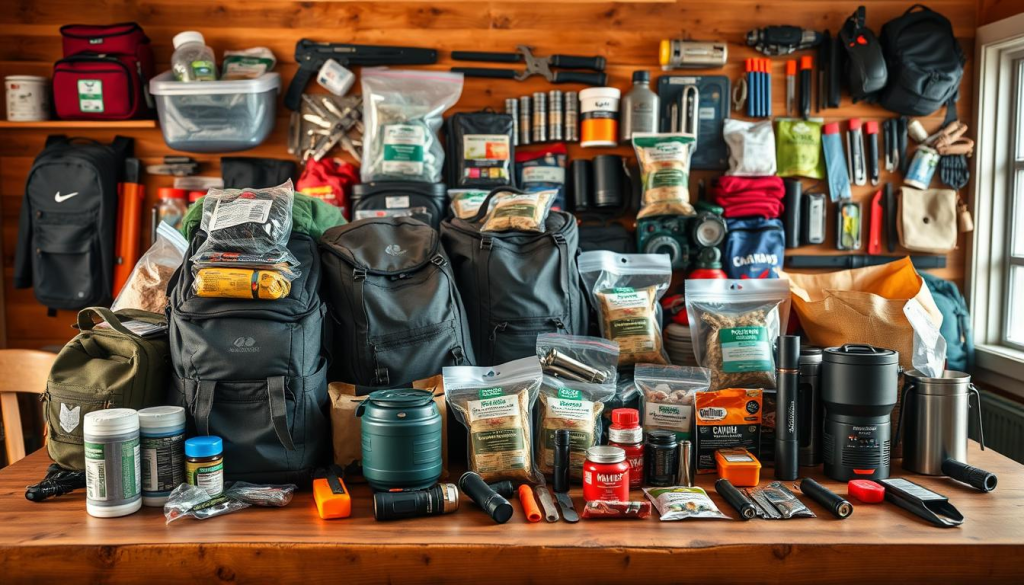
When selecting food, consider the dietary needs and preferences of your family members. It’s also essential to include a manual can opener and utensils for eating. Don’t forget to pack a water filtration or purification system to ensure access to safe drinking water.
First Aid Kit Essentials
A well-stocked first aid kit is vital for treating injuries and preventing infections. Your kit should include bandages, antiseptic wipes, pain relievers, and any prescription medications your family members may need. It’s also a good idea to include a first aid manual or guide.
Consider the specific needs of your family when assembling your first aid kit. For example, if you have a family member with a severe allergy, be sure to include an EpiPen or other emergency medication.
Shelter and Warmth Items
In addition to food and water, your bug out bag should include items to provide shelter and warmth. This can include a tent, sleeping bags, blankets, and a portable heater or warm clothing. The goal is to keep your family dry and warm in case you need to evacuate.
When choosing shelter items, consider the climate and weather conditions you may face. For warmth, include a mix of clothing and gear that can be layered to maintain body heat.
Building a Customized Bug Out Bag
Understanding the unique needs of your family members is key to building a bug out bag that truly matters. A disaster readiness pack is not just about throwing some supplies together; it’s about creating a tailored kit that addresses the specific requirements of each family member.
Consider Family Members’ Needs
When building your bug out bag, it’s essential to consider the individual needs of your family members. This includes medications, comfort items, and any special requirements for children, elderly, or pets. For instance, Premier Body Armor suggests considering the individual needs of family members when building a customized bug out bag.
- Medications and medical equipment
- Comfort items for children and elderly
- Pet supplies
Weight and Portability Considerations
The bug out bag should be portable and not too heavy for family members to carry. It’s a balance between packing essential items and maintaining mobility. Consider the weight distribution and comfort when choosing a bag.
| Item | Weight Consideration | Portability Tip |
|---|---|---|
| Water | Heavy | Use a hydration bladder for easier carrying. |
| Food | Varied | Choose lightweight, high-calorie foods. |
| First Aid Kit | Moderate | Pack only essentials and consider a compact kit. |
Personalization Tips
Personalizing your bug out bag involves more than just packing the right gear; it’s about making sure it fits your family’s lifestyle and needs. Consider emergency evacuation gear that is easy to use and accessible.
By following these guidelines, you can create a customized bug out bag that is both effective and practical for your family’s needs.
Food: What to Include for Four People
When preparing a bug out bag for a family of four, it’s crucial to pack the right food to sustain everyone during an emergency. The goal is to include a variety of non-perishable items that are both nutritious and easy to prepare.
Non-Perishable Food Options
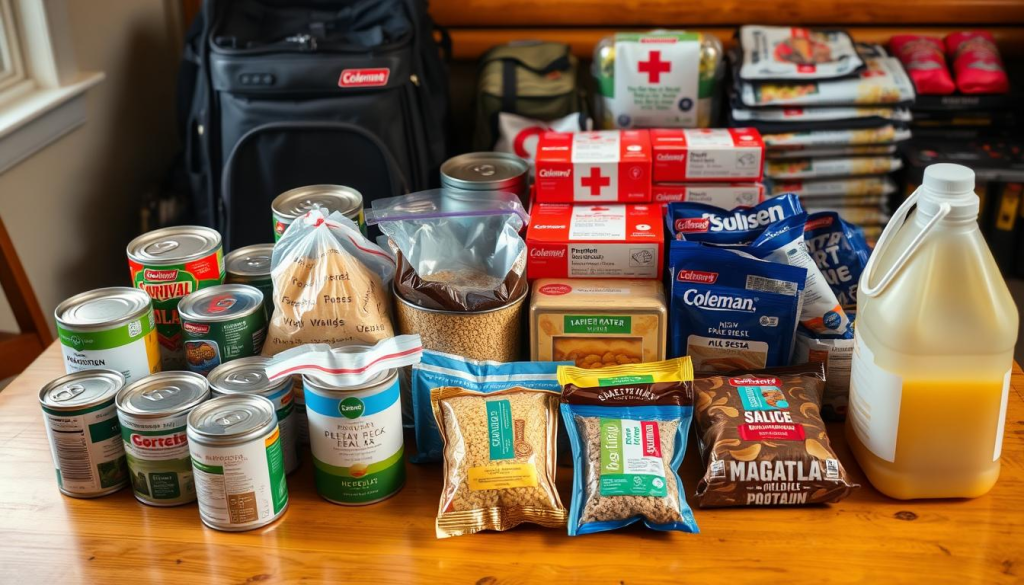
Non-perishable foods are the backbone of any emergency food supply. They have a long shelf life and can withstand various environmental conditions. Some excellent options include:
- Canned goods (vegetables, fruits, meats)
- Dried legumes (beans, lentils)
- Nuts and seeds
- Dried fruits
- Energy bars
- MREs (Meals Ready to Eat)
These foods are not only rich in nutrients but also provide a good balance of calories to keep your family energized.
Meal Planning and Preparation
Effective meal planning is crucial to ensure that your family has enough to eat during an emergency. Consider the following:
- Plan meals that are easy to prepare with minimal equipment.
- Incorporate a variety of foods to maintain nutritional balance.
- Consider the dietary needs and preferences of your family members.
It’s also essential to include a manual can opener and utensils if you’re packing canned goods.
Snacks and Treats for Energy
Snacks and treats can boost morale and provide quick energy. Some good options include:
| Snack Type | Examples | Benefits |
|---|---|---|
| Nuts and Seeds | Almonds, Walnuts, Sunflower Seeds | High in Protein and Healthy Fats |
| Dried Fruits | Dried Apples, Apricots, Mangoes | Rich in Fiber and Vitamins |
| Energy Bars | Granola Bars, Clif Bars | Convenient and Calorie-Dense |
By including a mix of these snacks, you can keep your family’s energy levels up and maintain a positive outlook during challenging times.
Water: Hydration Solutions for the Family
Water is a fundamental necessity for survival, and having the right hydration solutions can make all the difference in emergency situations. Ensuring that your family has access to clean drinking water is crucial for maintaining health and energy during disasters.
Filtration and Purification Methods
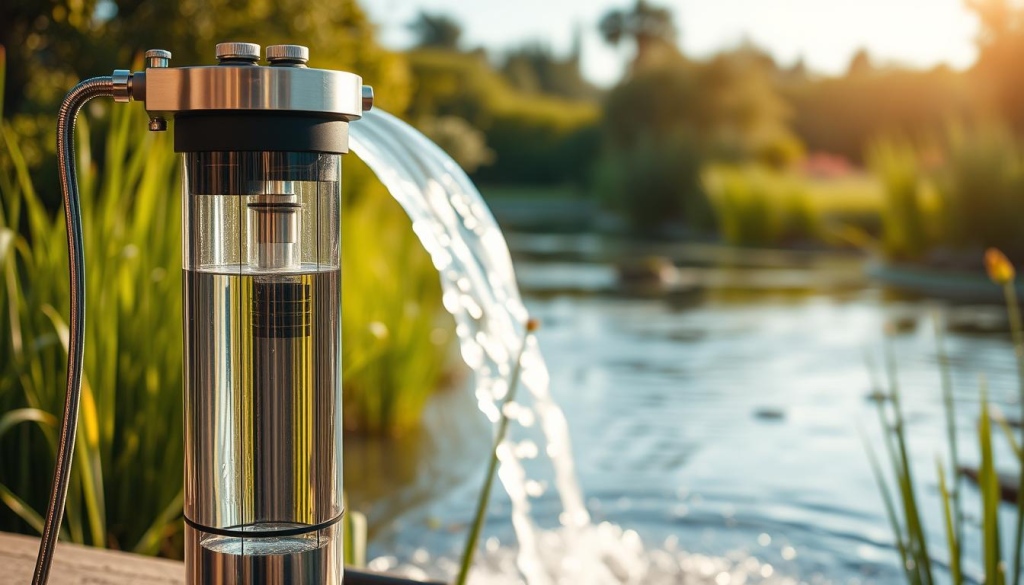
Having a reliable water filtration or purification system is crucial for ensuring access to clean drinking water. According to Ready To Go Survival, such systems are vital components of disaster survival gear. There are several methods to purify water, including:
- Boiling: Boiling water is one of the simplest and most effective methods to kill bacteria and viruses.
- Water Filters: Using water filters like those from LifeStraw can remove particulate matter and some bacteria and viruses.
- Chemical Purification: Chemical purification tablets or bleach can be used to kill pathogens in water.
- UV Purification: UV light devices can also purify water by killing bacteria and viruses.
Storage Options for Water
Once you have purified your water, it’s essential to store it properly. Storage options include:
- Water Bottles: Durable, BPA-free water bottles are ideal for storing drinking water.
- Water Containers: Larger water containers or bladders can store more significant quantities of water.
- Collapsible Containers: Collapsible water containers are convenient for storage when not in use.
Recommended Quantities to Pack
The general recommendation is to store at least one gallon of water per person per day for drinking, cooking, and hygiene. For a family of four, this means storing at least four gallons of water per day. Consider the duration you need to prepare for and the activities your family will be doing.
Key Considerations:
- Daily Needs: Calculate the daily water needs based on the number of family members.
- Activity Level: Increase the water quantity for families with members who will be physically active.
- Climate: Consider the climate you will be in; hotter climates require more water.
By focusing on these aspects, you can ensure that your family has an adequate supply of clean drinking water during emergencies, making your bug out bag more effective with the right disaster survival gear.
First Aid Kit Essentials for Families
A well-stocked first aid kit is crucial for any family’s bug out bag, providing the necessary medical supplies to handle emergencies. When disaster strikes, having the right medical supplies can make a significant difference in treating injuries and preventing further complications.
Essential Medications
It’s vital to include a variety of essential medications in your first aid kit. These should include:
- Prescription medications: Ensure you have a sufficient supply of any prescription medications your family members need.
- Over-the-counter medications: Include pain relievers like acetaminophen and ibuprofen, antihistamines for allergic reactions, and anti-diarrheal medication.
- Antibiotic ointments: For treating minor cuts and scrapes to prevent infection.
Bandaging and Dressing Supplies
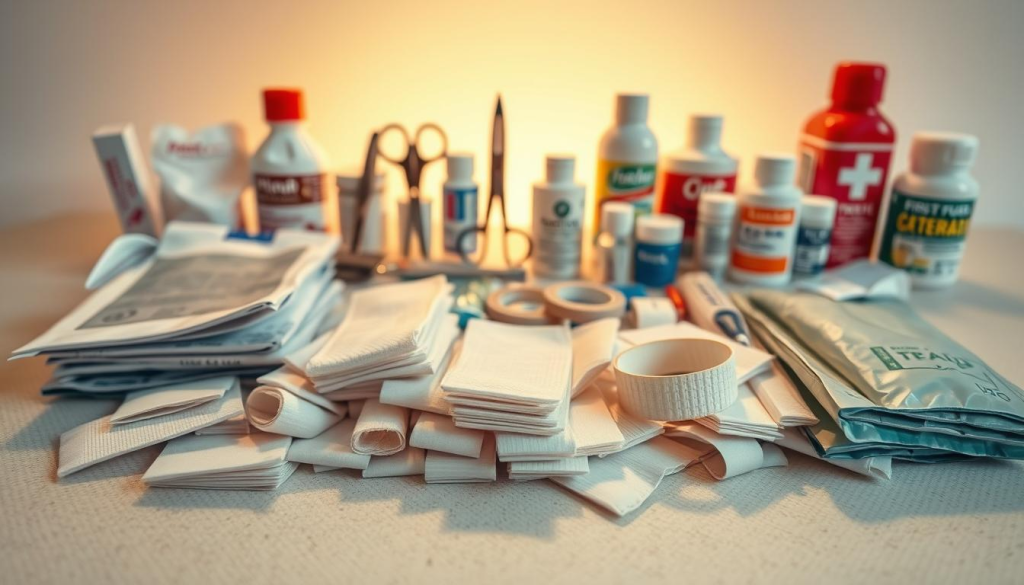
Bandaging and dressing supplies are critical for treating wounds. Your kit should include:
- Band-Aids: In various sizes to cover different types of cuts and scrapes.
- Gauze pads and rolls: For dressing larger wounds.
- Medical tape: To secure bandages and dressings.
- QuikClot: For severe bleeding.
Emergency Contact Information
In addition to medical supplies, it’s crucial to include emergency contact information in your first aid kit. This should include:
- Contact details for family members: Including names, phone numbers, and any relevant medical information.
- Emergency contact numbers: Such as your local emergency services number.
- Medical alert information: If any family member has a medical condition, include this information.
Organizing this information in a clear and accessible format is key. Consider creating a table to keep this information concise:
| Family Member | Contact Number | Medical Conditions |
|---|---|---|
| John Doe | 555-1234 | Diabetic |
| Jane Doe | 555-5678 | Allergic to Penicillin |
| Child’s Name | 555-9012 | Asthma |
By including these essentials in your family’s bug out bag, you’ll be better prepared to handle medical emergencies when they arise.
Shelter and Warmth: Staying Comfortable
A well-prepared bug out bag includes essential items for shelter and warmth, ensuring your family’s comfort during emergencies. When assembling these critical components, consider the needs of all family members to ensure everyone’s safety and comfort.
Types of Shelter Options
Choosing the right shelter is crucial for protection against the elements. Options include:
- Tents: Lightweight and compact, ideal for emergency situations.
- Tarp or Plastic Sheeting: Versatile and can be used in multiple ways to create a shelter.
- Bivy Sacks: Compact and designed for individual use, providing warmth and protection.
When selecting a shelter, consider factors like durability, ease of setup, and capacity for your family size.
Sleeping Gear for Four
Adequate sleeping gear is essential for a comfortable rest. This includes:
- Sleeping Bags: Rated for low temperatures to keep everyone warm.
- Sleeping Pads: Providing insulation from the ground and added comfort.
- Blankets or Emergency Blankets: Additional warmth and can be used in multiple layers.
Ensure that the sleeping gear is suitable for the expected climate conditions and that there’s enough for each family member.
Warmth Solutions for Cold Nights
Staying warm is vital, especially during cold nights. Consider including:
- Portable Heaters: Safe, battery-operated options for warmth.
- Hand Warmers: Compact and providing instant heat.
- Thermal Insulation: Materials like foam or reflective insulation to keep warmth in.
It’s also important to have a plan for starting a fire safely, as it can be a reliable source of warmth and light.
| Shelter and Warmth Item | Description | Quantity for Family of Four |
|---|---|---|
| Lightweight Tent | Compact, easy to set up | 1 |
| Sleeping Bags | Rated for low temperatures | 4 |
| Portable Heater | Battery-operated, safe | 1-2 |
| Hand Warmers | Compact, instant heat | 8-12 |
By carefully selecting shelter and warmth items, you can ensure your family’s comfort and safety during an emergency evacuation. Remember, the key to a successful disaster readiness pack is preparation and consideration of all family members’ needs.
Clothing and Personal Items to Pack
A well-prepared bug out bag for a family should include a thoughtful selection of clothing and personal items tailored to various weather conditions and needs. This ensures that every family member stays comfortable and safe during emergencies.
Clothing Essentials for Varying Weather
Packing clothing that can adapt to different weather conditions is crucial. Include a mix of lightweight and breathable clothing for warm weather, as well as insulating layers for colder climates. Moisture-wicking fabrics and quick-drying clothes are excellent choices as they help maintain comfort and can be easily washed and dried.
For a family of four, consider packing:
- Undergarments and socks for each family member
- 2-3 tops and bottoms per person
- 1-2 insulating layers (fleeces or sweaters)
- Waterproof jackets or ponchos
- Warm hats and gloves for cold weather
- Sturdy shoes or boots suitable for hiking
Personal Hygiene Supplies
Maintaining personal hygiene is vital for health and morale. Pack a supply of:
- Toothbrushes, toothpaste, and dental floss
- Biodegradable soap and toilet paper
- Any necessary prescription hygiene items
- Moist towelettes or baby wipes for cleaning
- Feminine hygiene products if applicable
These items should be stored in a waterproof container to keep them dry.
Items for the Kids
For families with children, it’s essential to include items that provide comfort and meet their specific needs. Consider packing:
| Item | Quantity | Notes |
|---|---|---|
| Diapers | At least a week’s supply | Disposable diapers or cloth diapers with necessary accessories |
| Formula or baby food | Enough for the duration of expected stay | Check expiry dates regularly |
| Comfort items | 1-2 per child | Favorite toys or blankets that can provide emotional comfort |
| Children’s medications | As prescribed | Ensure you have enough for the expected duration plus extra |
By carefully selecting and packing these clothing and personal items, you can ensure that your family is better prepared to face emergencies.
Tools and Gear: What’s Important
Prepper supplies for four must include a variety of tools and gear to tackle different challenges that may arise during a crisis. A well-equipped bug out bag can be the difference between safety and danger. The right tools can help your family navigate, find shelter, and signal for help when needed.
Multi-tools and Flashlights
Multi-tools are versatile instruments that can perform a variety of tasks, from cutting and opening cans to fixing equipment. Including a high-quality multi-tool in your survival backpack family set is essential. Flashlights are another critical item, providing light during nighttime or in dark environments. Opt for LED flashlights as they are energy-efficient and have a longer battery life.
When selecting a multi-tool, consider one that includes a knife, scissors, pliers, and screwdrivers. For flashlights, look for models that are waterproof and have adjustable brightness settings.
Rope, Duct Tape, and Other Handy Tools
Rope and duct tape are simple yet incredibly useful items to include in your bug out bag. Rope can be used for creating shelter, securing gear, or even as a tow line. Duct tape is handy for repairing broken items, sealing wounds, and more.
- Rope (or twine) for various tasks
- Duct tape for repairs and makeshift fixes
- Fire starters (e.g., lighters, matches)
- Paracord for its versatility and strength
Safety and Signaling Devices
Safety and signaling devices are crucial for alerting others to your presence and ensuring your family’s safety. Whistles are simple, effective tools for signaling distress. Mirrors can also be used to signal for help by reflecting sunlight towards any aircraft or potential rescuers.
Other safety devices to consider include:
- Personal alarms or safety flares
- Reflective materials or signaling mirrors
- GPS devices or compasses for navigation
By including these tools and gear in your prepper supplies for four, you’ll be better equipped to handle emergencies and keep your family safe.
Creating a Family Emergency Plan
A well-structured emergency plan can be the difference between chaos and calm when disaster strikes. It’s essential for families to have a comprehensive plan in place to ensure everyone’s safety during unexpected events.
Discussing the Plan with Family
Discussing the emergency plan with all family members is crucial. It ensures that everyone understands their roles and responsibilities, knows what to do in case of an emergency, and is aware of the meeting points and communication strategies. Involving children in the planning process can also help reduce their anxiety during emergencies.
To effectively communicate the plan, consider the following steps:
- Hold a family meeting to discuss the plan.
- Explain the plan in a way that’s easy for children to understand.
- Assign tasks to each family member based on their capabilities.
Meeting Points and Check-ins
Identifying safe meeting points is a critical component of an emergency plan. These points should be easily accessible and known to all family members. Designate both a primary and secondary meeting point in case the primary location is inaccessible during an emergency.
| Meeting Point | Location | Contact Information |
|---|---|---|
| Primary | Home | Family Member’s Phone Number |
| Secondary | Local Park | Neighbor’s Phone Number |
Practice Drills and Scenarios
Conducting regular emergency drills is vital to ensure that all family members are prepared. Practice different scenarios, such as evacuating the home or responding to a natural disaster, to keep everyone alert and knowledgeable about the procedures.
To make drills effective:
- Schedule drills at least twice a year.
- Include various scenarios to keep the drills realistic.
- Debrief after each drill to identify areas for improvement.
By following these steps and maintaining an emergency preparedness kit and disaster survival gear, families can significantly enhance their readiness for emergencies. Regular updates and practice will ensure that the plan remains effective and that all family members are prepared to respond in case of a disaster.
Regular Maintenance of Your Bug Out Bag
Regular checks on your bug out bag can make a significant difference in emergency situations. A bug out bag that is not regularly maintained can become useless when you need it most.
To keep your bug out bag in good condition, it’s essential to perform regular checks and updates. This includes checking the expiry dates of the supplies, rotating out old stock, and updating the bag to reflect the changing needs of your family.
Check Expiry Dates
One of the critical tasks in maintaining your bug out bag is checking the expiry dates of the food, water purification tablets, medications, and other perishable items. Expired supplies can be ineffective or even harmful, so it’s crucial to regularly inspect these items and replace them as needed.
For example, food supplies should be checked for expiration dates and any signs of spoilage. Water purification tablets and filters should also be checked for their expiration dates to ensure they remain effective.
Rotate Supplies Annually
Rotating your supplies annually is a good practice to ensure that older items are used before they expire. This can be done by incorporating the bug out bag supplies into your family’s daily or weekly routine. For instance, you can use the food supplies for camping trips or special meals, ensuring that they are consumed before they expire.
This not only helps in maintaining the freshness of the supplies but also provides an opportunity to check the condition of the packaging and the items themselves. Any damaged or expired items can be replaced, keeping your bug out bag up-to-date.
Update Based on Family Needs
Family needs can change over time due to various factors such as the addition of new family members, changes in health conditions, or updates in personal preferences. It’s essential to update your bug out bag to reflect these changes.
For example, if a family member develops a new medical condition, the first aid kit and medications in the bug out bag should be updated accordingly. Similarly, if there are changes in the family’s size or composition, the quantities of food, water, and other supplies should be adjusted.
By regularly maintaining your bug out bag, you can ensure that it remains a reliable resource for your family in case of an emergency. This involves not just checking and updating the supplies but also ensuring that every family member knows what to do in an emergency and how to use the items in the bug out bag.
Conclusion: Preparing Together as a Family
Preparing an emergency preparedness kit and disaster readiness pack is a crucial step in ensuring family safety during unexpected events. By involving all family members in the preparation process, you can build trust and confidence.
Building Family Unity
Premier Body Armor suggests that preparing together as a family helps create a sense of unity and cooperation. This collaborative approach enables family members to understand their roles and responsibilities, making them more effective in emergency situations.
Making Preparedness a Habit
To maintain readiness, it’s essential to regularly inspect and update your emergency preparedness kit. This includes checking expiry dates, rotating supplies, and updating the kit based on changing family needs.
Resources for Further Preparedness
For additional guidance on creating a comprehensive disaster readiness pack, families can consult reputable sources such as the American Red Cross. These resources provide valuable information on emergency preparedness, helping families stay informed and prepared.