
Winter storms can be particularly harsh in the Central United States, Great Lakes, and the East Coast, according to the National Severe Storms Laboratory. Being prepared is crucial to ensure safety during these events.
A comprehensive preparation plan can make a significant difference in navigating through the challenges posed by snow storms. It is essential to have a well-thought-out prep list to ensure safety and comfort.
Key Takeaways
- Create a family emergency plan.
- Stock up on supplies, including food and water.
- Keep your vehicle winter-ready.
- Stay informed about weather updates.
- Have a backup power source.
Understand the Forecast
Knowing the weather forecast in advance is key to winter storm preparedness. Understanding the forecast helps you prepare your home, family, and vehicle for the impending storm.
How to Check Local Weather Reports
Checking local weather reports is crucial for staying informed about the snow storm’s trajectory and intensity. The National Weather Service (NWS) issues various alerts to inform the public of impending winter weather. You can check local weather reports through:
- Local news channels
- NWS website or mobile app
- Weather radios
Using Weather Apps Effectively
Weather apps can provide real-time updates and detailed forecasts. When choosing a weather app, look for features such as:
| Feature | Description | Benefit |
|---|---|---|
| Real-time Updates | Provides current weather conditions and alerts | Stay informed about sudden changes in weather |
| Detailed Forecasts | Offers hour-by-hour or day-by-day forecasts | Plan your day or week accordingly |
| Customizable Alerts | Allows you to set alerts for specific weather conditions | Receive notifications relevant to your needs |
By understanding the forecast and using the right tools, you can ensure you’re well-prepared for a snow storm.
Basic Supplies for Snow Storm Preparedness
Stocking up on essential supplies is crucial before a snow storm arrives. Having the right items on hand can help ensure your safety and comfort during the storm.
Non-Perishable Food Items
One of the most critical aspects of snow storm preparedness is having a stockpile of non-perishable food items. These should include canned goods, dried fruits, nuts, and energy bars. It’s also a good idea to have a manual can opener available.
- Canned vegetables and fruits
- Dried legumes like beans and lentils
- Nuts and dried fruits
- Energy bars
- MREs (Meals Ready to Eat)
Clean Drinking Water
Having access to clean drinking water is vital. The American Red Cross recommends storing at least one gallon of water per person per day for drinking, cooking, and hygiene. It’s essential to have a reliable source of clean water in case your regular supply is disrupted.
“In the event of a snow storm, having a sufficient supply of clean drinking water is crucial for survival.”
Battery-Powered Radio
A battery-powered radio is another essential item to include in your snow storm emergency kit. This will allow you to stay informed about weather updates, news, and emergency instructions even if the power goes out.
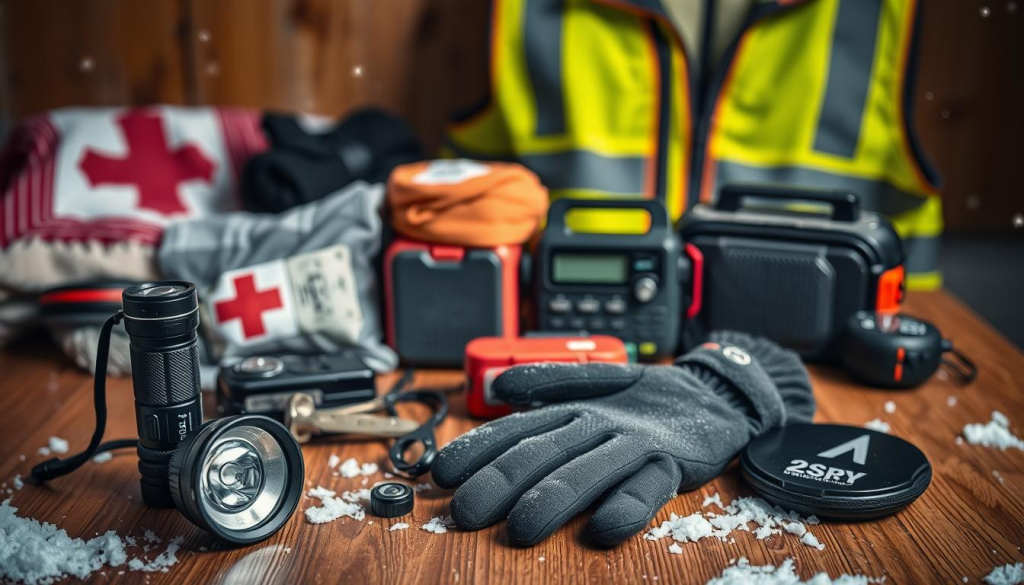
By focusing on these basic supplies, you can ensure that you and your family are well-prepared to face a snow storm. Remember to check your supplies regularly to ensure they are still usable and not expired.
Home Safety Measures
Before the snow storm hits, it’s essential to take steps to secure your home and prevent potential hazards. Ensuring your home is safe and warm is crucial for your family’s well-being during extreme weather conditions.
Inspecting Your Heating System
A properly functioning heating system is vital for maintaining a warm and safe home environment. Have your heating system inspected by a professional to ensure it’s in good working condition. This inspection should include checking for any leaks, ensuring that all vents are clear, and testing the system’s overall performance.
Key components to inspect:
- Heating unit condition
- Vent and duct cleanliness
- Thermostat functionality
Checking Windows and Doors
Drafts from windows and doors can significantly increase your heating costs and make your home less comfortable. Inspect your windows and doors for any gaps or cracks, and seal them appropriately. Consider using weatherstripping or caulk to seal any openings.
| Area to Check | Recommended Action |
|---|---|
| Windows | Apply weatherstripping or replace seals |
| Doors | Use door sweeps or threshold seals |
| Frames | Caulk any gaps or cracks |
Safe Use of Generators
Generators can be a lifeline during a power outage, but they must be used safely to avoid carbon monoxide poisoning. Always follow the manufacturer’s instructions for installation and operation. Ensure your generator is placed in a well-ventilated area, away from windows and doors.
“Never use a generator indoors, including in garages or basements. The carbon monoxide produced can be deadly.”
By taking these home safety measures, you can help ensure your family’s safety and comfort during a snow storm. Remember, preparation is key to weathering the storm.
Preparing Your Vehicle
With snow storms on the horizon, getting your vehicle ready is a top priority. Ensuring your car is in good condition can be the difference between being safely at home and being stranded on the road.
Winter Tire Check
One of the most critical steps in preparing your vehicle for snow storms is checking your tires. Winter tires are designed to provide better traction on snowy and icy roads. Make sure your tires have adequate tread depth and are properly inflated. You can use a penny test to check the tread depth: insert a penny into the tire groove with Lincoln’s head facing down; if you can see the top of Lincoln’s head, your tread is worn out.
Emergency Kit Essentials
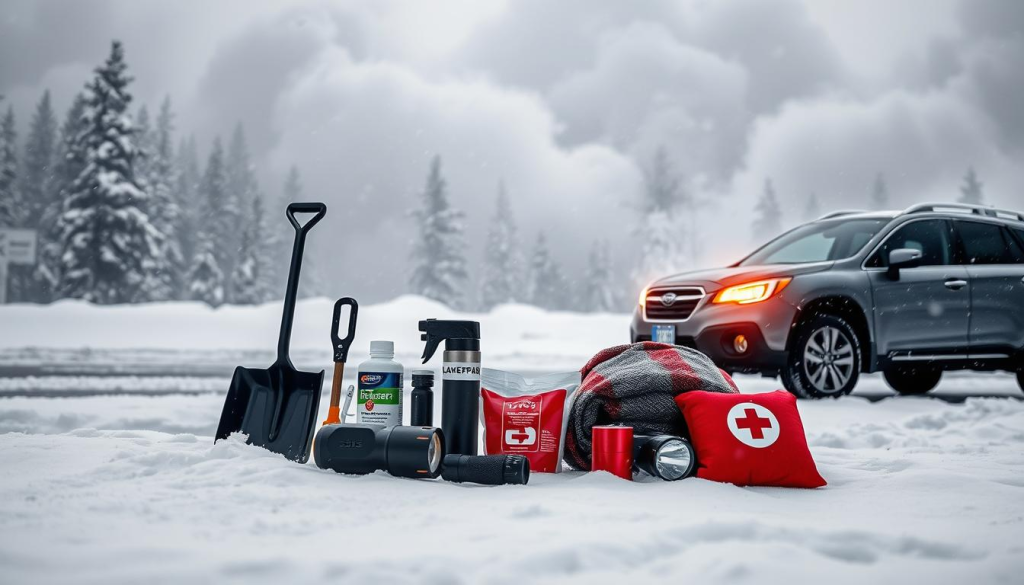
Assembling an emergency kit for your vehicle is crucial. This kit should include essentials like jumper cables, a flashlight, a first-aid kit, and warm blankets. It’s also a good idea to include non-perishable snacks and a battery-powered radio. These items can help you stay safe and comfortable if you become stranded.
Keeping Gas Tank Full
Keeping your gas tank full is another vital step in preparing for snow storms. A full tank ensures you have enough fuel to keep your car running if you’re stuck in traffic or need to keep your engine running to stay warm. Additionally, a full tank helps prevent fuel line freeze-up.
By taking these steps, you can significantly reduce the risks associated with driving during snow storms. Being prepared is key to staying safe on the roads.
Importance of Communication
Snow storms can be isolating, but with the right communication strategies, you can stay connected with family and friends. Effective communication is key to ensuring everyone’s safety during such events.
Establishing Emergency Contacts
Having a list of emergency contacts is crucial. This includes family members, neighbors, and local emergency services. Make sure everyone knows who to call in case you get separated.
Setting Up Group Texts or Emails
Setting up group texts or emails can help keep everyone informed about your status. This is particularly useful if you’re unable to make phone calls. Consider creating a group chat with your emergency contacts to share updates and coordinate plans.
By prioritizing communication, you can navigate snow storms with greater ease and safety. Stay connected, stay informed, and stay safe.
Creating a Family Emergency Plan
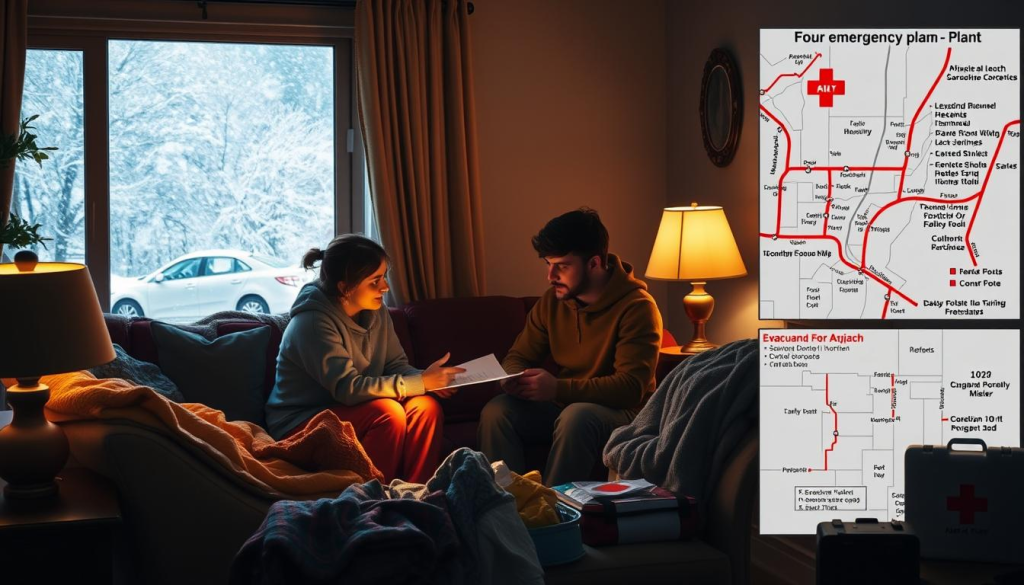
Preparing for a snow storm involves more than just stocking up on supplies; it requires a detailed family emergency plan. This plan is crucial for ensuring the safety and well-being of all family members, including pets, during the storm and in its aftermath.
Designating Safe Spaces
One of the key components of a family emergency plan is designating safe spaces within your home. These are areas that are protected from the potential hazards associated with snow storms, such as falling objects or broken glass. Identify rooms without windows or with minimal windows, such as basements or bathrooms, as potential safe spaces.
Ensure that all family members know where these safe spaces are located and understand when to use them. It’s also a good idea to stock these areas with emergency supplies, such as flashlights, first aid kits, and non-perishable snacks.
Planning for Pets
Planning for pets is another critical aspect of a family emergency plan. Pets should not be left behind or forgotten during an emergency. Create a pet emergency kit that includes essential items like food, water, medication, and a carrier or crate.
Consider the specific needs of your pets, such as dietary requirements or medical conditions, when preparing their emergency kit. It’s also a good idea to identify pet-friendly shelters or hotels in case you need to evacuate your home.
By creating a comprehensive family emergency plan that includes designating safe spaces and planning for pets, you can help ensure the safety and well-being of your loved ones during a snow storm.
Clearing Snow and Ice
Ensuring your property is clear of snow and ice is vital after a snowstorm. This task not only involves removing snow from walkways and driveways but also ensuring that the surfaces are safe to walk on. Clearing snow and ice requires the right tools and knowledge of safe shoveling techniques to prevent injuries.
Tools You’ll Need
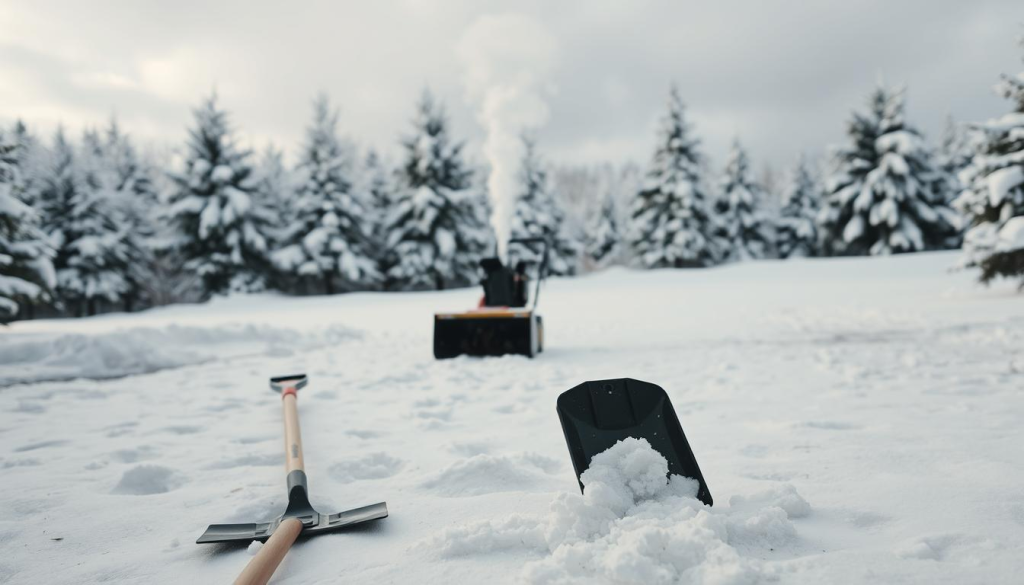
To clear snow and ice effectively, you’ll need the right tools. These include:
- A sturdy snow shovel with a comfortable grip
- Ice melt or rock salt to lower the freezing point of water
- A snow blower for larger areas
- Ice scrapers for windshields and windows
Safe Techniques for Snow Shoveling
Shoveling snow can be physically demanding and may lead to injuries if not done properly. Here are some safe techniques to follow:
- Lift Correctly: Bend at the knees, not the back, to avoid straining your back muscles.
- Take Breaks: Shoveling can be strenuous; take regular breaks to rest.
- Push Snow: When possible, push snow instead of lifting it to reduce strain.
- Stay Hydrated: Drink plenty of water to stay hydrated while working outdoors.
By following these techniques, you can minimize the risk of injury.
Entertainment During Storms
Preparing for a snow storm isn’t just about supplies; it’s also about staying entertained. Having a list of indoor activities can help keep family members engaged and excited during prolonged snow storms.
Indoor Activity Suggestions
There are numerous ways to stay entertained indoors. You can start by organizing indoor games that are suitable for all ages. Board games, card games, and puzzles are excellent options. You can also consider indoor crafts like knitting, drawing, or building models.
For those who enjoy reading, having a collection of books or even an e-reader can be a great way to pass the time. Additionally, you can create a cozy reading nook with blankets, pillows, and a good reading light.
Fun Games for the Whole Family
When it comes to games, there are many options that can be enjoyed by the whole family. Classic board games like Monopoly, Scrabble, and Clue are always a hit. You can also consider video games that are suitable for all ages.
For a more interactive experience, you can create a treasure hunt around the house or even have a family dance-off to your favorite music. These activities not only provide entertainment but also help create lasting memories.
Staying Informed During the Storm
During a snow storm, having the right information can be a lifesaver. Staying informed involves more than just knowing the storm is coming; it’s about understanding its progression and the actions you need to take.
Reliable News Sources
One of the primary ways to stay informed is by relying on credible news sources. These can include local news channels, national weather services, and reputable online news websites. It’s essential to identify trustworthy sources to avoid misinformation.
- Local news channels often provide detailed, area-specific weather updates and emergency instructions.
- National weather services, such as the National Weather Service (NWS), offer comprehensive forecasts and warnings.
- Reputable online news websites can provide real-time updates and analysis.
Local Community Alerts
In addition to news sources, signing up for local community alerts can provide timely updates directly to your phone or email. These alerts can include evacuation orders, power outage information, and other critical updates.
- Check your local government’s website for emergency alert sign-up options.
- Many communities use systems like Emergency Alert System (EAS) or Wireless Emergency Alerts (WEA).
- Ensure your contact information is up-to-date to receive these critical alerts.
By combining reliable news sources with local community alerts, you can stay ahead of the storm and make informed decisions to keep you and your loved ones safe.
Staying informed is not just about receiving information; it’s about taking action based on that information. By staying updated and following the guidance of credible sources, you can navigate the challenges of a snow storm effectively.
After the Snow Storm: Next Steps
Once the snow storm has passed, it’s essential to assess the damage and review your emergency preparedness plan to improve readiness for future storms. Checking your property for damage and reviewing your snow storm emergency kit can help you identify areas for improvement.
Damage Assessment
Inspect your property for any damage caused by the storm, such as downed power lines, broken branches, or structural issues with your home. Documenting this damage can be helpful for insurance purposes and to prioritize repairs.
Future Preparations
Reviewing your blizzard prep tips and emergency kit can help you prepare for the next storm. Consider restocking supplies, updating your emergency plan, and practicing safe snow removal techniques to ensure you’re better prepared for future snow storms.