
Having a well-stocked emergency preparedness checklist is crucial for families to stay safe during unexpected events.
In today’s uncertain world, being prepared is key to survival. A prepper list should include vital supplies such as non-perishable food, clean water, first aid kits, and safety gear.
A well-prepared family can make a significant difference in survival situations. By having essential supplies on hand, families can ensure their safety and well-being.
Key Takeaways
- Create a comprehensive emergency preparedness checklist
- Stock up on non-perishable food and clean water
- Include first aid kits and safety gear in your prepper list
- Review and update your list regularly
- Stay informed about potential emergencies and threats
Introduction to Preparedness for Families
In today’s unpredictable world, family preparedness is more important than ever. Ensuring that your family is ready for any emergency or disaster can make a significant difference in their safety and well-being.
Why Preparing Matters for Families
Preparing for emergencies is crucial for families because it helps them respond effectively during unexpected events. Having a well-thought-out emergency preparedness checklist can ensure that no critical step is overlooked. This preparation not only enhances safety but also reduces the stress and anxiety associated with emergencies.
Families who are prepared are better able to protect their homes, ensure their health and safety, and recover more quickly from disasters. A comprehensive disaster readiness plan includes knowing evacuation routes, having a communication plan, and stockpiling essential supplies.
Key Challenges Families Face
Families often face several challenges when preparing for emergencies, including identifying potential risks, creating effective plans, and maintaining preparedness over time. One of the main challenges is staying informed about the types of disasters that could occur in their area and understanding how to mitigate their impact.
Another significant challenge is ensuring that all family members are aware of and understand their roles in the emergency plan. This includes knowing how to use emergency equipment and having a clear understanding of the family emergency preparedness guide.
| Challenge | Description | Solution |
|---|---|---|
| Identifying Risks | Understanding potential emergencies | Research local hazards |
| Creating Plans | Developing an effective emergency plan | Include evacuation routes and communication strategies |
| Maintaining Preparedness | Keeping emergency supplies and plans up-to-date | Regularly review and update emergency kits and plans |
Benefits of Being Prepared
Being prepared for emergencies offers numerous benefits for families, including enhanced safety, reduced anxiety, and faster recovery times. When families are prepared, they can respond more effectively to emergencies, minimizing potential harm.
A well-prepared family is also better able to support each other during stressful times, fostering a sense of security and stability. Moreover, having a family emergency preparedness guide in place can help ensure that everyone knows what to do in case of an emergency.
By understanding the importance of preparedness and taking steps to create a comprehensive emergency plan, families can significantly enhance their resilience to disasters and emergencies.
Creating a Family Emergency Plan
A well-structured family emergency preparedness guide can make a significant difference in how effectively your family responds to emergencies. It’s not just about having a plan; it’s about ensuring that every family member knows their role and what to do in case of an emergency.
Steps to Develop an Effective Plan
Developing a disaster survival checklist for a family of four involves several key steps:
- Identify potential risks and hazards in your area.
- Determine the safest routes for evacuation.
- Designate a meeting point outside the home where family members can gather if they get separated.
- Choose an out-of-town contact person that family members can call to report their status.
Importance of Family Communication
Effective family communication is the backbone of any emergency plan. Ensure that all family members understand the plan and know how to communicate with each other during an emergency. This includes having a family emergency pack with essential communication devices.
Practice Drills and Updates
Once your plan is in place, it’s crucial to conduct regular practice drills to ensure that everyone remembers what to do. Update your plan as necessary to reflect changes in your family’s needs or the potential risks in your area.
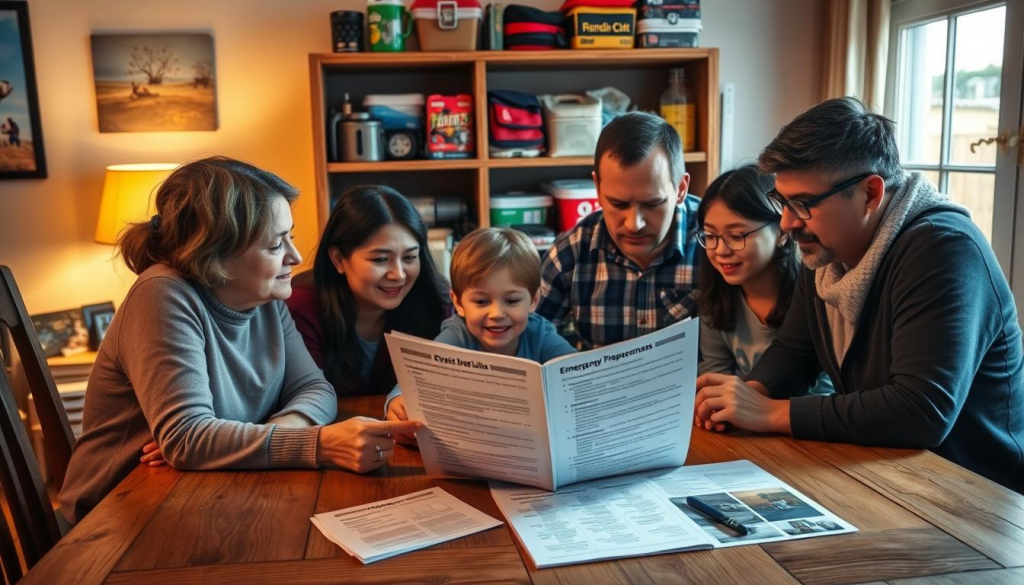
By following these steps and maintaining a proactive approach to emergency planning, you can significantly enhance your family’s resilience to unexpected events.
Food Storage Essentials
Families who stockpile food effectively can significantly enhance their resilience to emergencies. A well-organized food storage system ensures that a family of four has access to nutritious meals even during prolonged disasters or crises.
Types of Food to Stockpile
When it comes to stockpiling food, it’s essential to focus on non-perishable items that are rich in nutrients. Canned goods such as vegetables, fruits, and meats are excellent choices. Additionally, dried legumes like beans and lentils provide a good source of protein. Whole grains, nuts, and seeds are also valuable for their nutritional content and long shelf life.
It’s also crucial to consider the dietary needs and preferences of your family members. For instance, if someone has a gluten intolerance, you’ll want to stock up on gluten-free alternatives. Similarly, if you have infants or young children, having a supply of baby food or formula is vital.
How to Properly Store Food
Proper food storage is critical to maintaining the quality and safety of your stockpiled food. Store food in a cool, dry place, away from direct sunlight and moisture. Use airtight containers to keep food fresh and protect it from pests.
It’s also a good practice to rotate your stock every six months to ensure that older items are consumed before they expire. Keep a first-in, first-out inventory system to manage your stock effectively.
Recommended Shelf Life of Foods
Understanding the shelf life of different foods is vital for effective food storage. Canned goods, for example, can last for up to 30 years if stored properly. Dried goods like beans and rice can last for 20-30 years, while nuts and seeds typically have a shelf life of 1-2 years.
Regularly check your stock for any signs of spoilage, such as off smells, slimy texture, or mold. Discard any expired or spoiled food to maintain the quality of your stockpile.
Water Supply Needs
A reliable water supply is a cornerstone of emergency preparedness for families of four. Ensuring that your family has access to clean water is crucial for survival during disasters or emergencies.
Calculating Daily Water Requirements
To determine your family’s daily water needs, consider the following factors: drinking water, cooking, hygiene, and other uses. The general recommendation is to store at least one gallon per person per day.
For a family of four, this means storing approximately 4 gallons of water per day. However, this amount can vary based on age, activity level, and climate.
| Family Member | Daily Water Needs (gallons) |
|---|---|
| Adult | 1 |
| Child | 0.5 |
| Total for Family of Four | 4 |
Best Ways to Store Water
Proper water storage is essential to maintain the quality and safety of your water supply. Use food-grade water containers or store water in clean, sanitized plastic bottles.
- Use airtight containers to prevent contamination.
- Label containers with the date and contents.
- Store water in a cool, dark place.
Water Purification Methods
In situations where your stored water is depleted or contaminated, knowing how to purify water is vital. Several methods can be employed, including boiling, using water purification tablets, or filtering through a water filtration system.
Boiling is one of the most effective methods to purify water. Bring the water to a rolling boil for 1-3 minutes to kill bacteria and viruses.

By understanding your family’s water needs, storing water properly, and knowing how to purify water, you can ensure a reliable supply of clean water during emergencies.
First Aid and Medical Supplies
For a family of four, assembling a comprehensive first aid kit is a vital component of their prepper list. A well-stocked first aid kit can help treat minor injuries and prevent more serious conditions from developing.
Essential First Aid Kit Supplies
A basic first aid kit should include supplies to treat wounds, such as bandages, antiseptic wipes, and gauze. It’s also important to have medical tools like tweezers, scissors, and thermometers.
- Bandages and band-aids in various sizes
- Antiseptic wipes and ointment
- Gauze pads and rolls
- Medical tape
- Tweezers and scissors
- Thermometers (oral and digital)
Over-the-Counter Medications to Include
In addition to basic first aid supplies, it’s essential to include over-the-counter medications that can help alleviate symptoms and treat common conditions.
- Pain relievers (acetaminophen and ibuprofen)
- Antihistamines (for allergic reactions)
- Anti-diarrheal medication
- Cough and cold medications
Prescription Medications to Consider
For family members with specific medical needs, it’s crucial to include prescription medications in your first aid kit. Ensure you have a sufficient supply to last during an emergency.
- Maintain a list of family members’ prescription medications
- Store medications in a cool, dry place
- Rotate medications to ensure they remain effective
By including these essential first aid and medical supplies, families can be better prepared to handle emergencies and maintain their health and safety.
Shelter and Safety Gear
Ensuring your family’s safety during emergencies requires a thorough understanding of shelter options and safety equipment. A well-prepared family can significantly reduce risks associated with natural disasters or other crises.
Types of Emergency Shelters
Emergency shelters provide a safe haven during disasters. There are several types, including:
- Tent shelters: Lightweight and portable, ideal for temporary use.
- Inflatable shelters: Quick to set up and provide good insulation.
- Pre-fabricated shelters: More durable and can be installed relatively quickly.
Choosing the right shelter depends on your family’s specific needs, including the size of your family and the types of emergencies you might face.
Essential Safety Gear for the Family
Safety gear is vital for protecting your family during emergencies. Essential items include:
- First aid kits: For treating minor injuries.
- Flashlights and extra batteries: To provide light during power outages.
- Personal protective equipment (PPE): Such as masks and gloves to protect against hazardous materials.
Having the right safety gear can make a significant difference in your family’s ability to respond to emergencies effectively.
Tools to Have on Hand for Safety
In addition to shelter and safety gear, having the right tools is crucial. Some essential tools include:
- Multi-tool or pocket knife: For various tasks.
- Rope or twine: For securing shelters or creating makeshift solutions.
- Duct tape: For repairs and other uses.
These tools can help your family adapt to challenging situations and improve your overall safety and preparedness.
Communication Tools for Emergencies
In times of crisis, reliable communication devices are essential for families to stay connected and informed. Effective communication can be a lifeline during emergencies, helping families to coordinate their response and make informed decisions.
Reliable Devices for Staying Connected
When it comes to emergency communication, having the right devices is crucial. Consider the following options:
- Cell Phones: Ensure that all family members have cell phones with fully charged batteries and consider investing in backup power sources like portable chargers.
- Two-Way Radios: Two-way radios are invaluable for real-time communication, especially when cellular networks are down.
- Satellite Phones: For families living in or traveling to areas with unreliable cellular coverage, satellite phones can be a vital tool.

Establishing Contact During Emergencies
Having a plan for how to establish contact is just as important as having the devices themselves. Here are some steps to follow:
- Designate a Meeting Point: Choose a safe location where family members can gather if you get separated.
- Choose a Contact Person: Identify a trusted family friend or relative who can act as a point of contact for family members to check in with.
- Practice Your Plan: Regularly practice your communication plan with all family members to ensure everyone knows what to do.
Emergency Contact List Essentials
An emergency contact list is a critical component of any family emergency preparedness plan. Ensure your list includes:
- Important Phone Numbers: Include numbers for emergency services, your designated contact person, and any other relevant contacts.
- Medical Information: Note any medical conditions, allergies, or special needs for each family member.
- Contact Information for Neighbors and Friends: Including neighbors and friends in your contact list can be helpful in case you need assistance during an emergency.
By having the right communication tools and a well-thought-out plan, families can significantly enhance their ability to respond to emergencies effectively.
Personal Defense and Security
In today’s uncertain world, personal defense and security measures are vital for family safety. Ensuring that your family is equipped to handle emergencies and threats is a critical aspect of preparedness.
Self-Defense Methods for Families
Teaching family members self-defense techniques can significantly enhance their ability to protect themselves. Consider enrolling in a reputable self-defense course that caters to all ages.
Basic Home Security Measures
Securing your home is fundamental to family safety. This includes installing robust locks, considering a home security system, and ensuring that all family members know how to use these systems effectively.
Community Support and Safety Networks
Building a network of trusted neighbors and community members can provide an additional layer of security. Participating in or forming a community watch program can be highly beneficial.
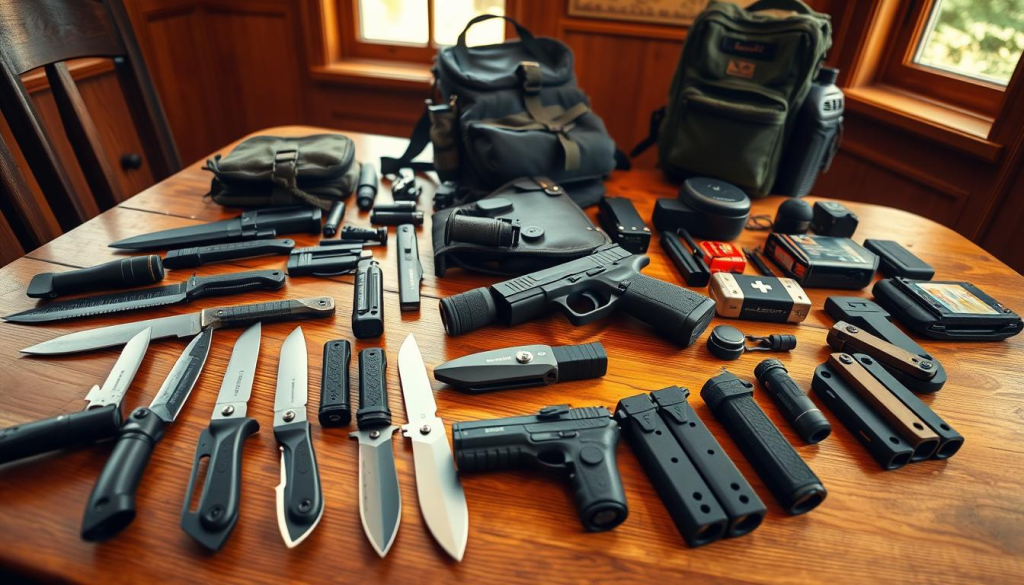
| Prepper Gear | Description | Quantity for Family of 4 |
|---|---|---|
| First Aid Kit | Basic medical supplies | 1 |
| Flashlights | Reliable light sources | 4 |
| Self-Defense Tools | Personal defense equipment | 4 |
| Emergency Whistle | Signaling device | 1 |
Financial Preparedness
Financial preparedness is a cornerstone of family emergency planning. It involves having the necessary financial resources to weather a crisis, ensuring that your family’s well-being is maintained even in challenging times.
Essential Financial Resources
Identifying essential financial resources is the first step towards financial preparedness. This includes:
- Emergency funds to cover at least 3-6 months of living expenses
- Insurance policies (health, home, auto) to mitigate potential losses
- Access to credit or lines of credit for unexpected expenses
Building a Financial Safety Net
Building a financial safety net requires careful planning and discipline. Key strategies include:
- Creating a budget that allocates funds for emergency savings
- Reducing debt to minimize financial strain during emergencies
- Investing in assets that can be liquidated if needed
By implementing these strategies, families can build a robust financial safety net that enhances their resilience to disasters.
Preparing Important Documents
Preparing important documents is a critical aspect of financial preparedness. This includes:
- Insurance policies
- Identification documents (IDs, passports)
- Financial records (bank statements, investment accounts)
These documents should be stored securely, preferably in a fireproof safe or a secure online storage service.
In conclusion, financial preparedness is a multifaceted approach that involves identifying essential financial resources, building a financial safety net, and preparing important documents. By taking these steps, families can significantly enhance their ability to cope with emergencies.
Education and Skill Development
Education and skill development play a vital role in enhancing family preparedness. By acquiring the right skills and knowledge, families can effectively respond to emergencies and disasters, ensuring their safety and well-being.
Skills to Learn for Self-Reliance
To achieve self-reliance, families should focus on learning essential skills such as:
- First Aid and Medical Care: Understanding how to treat injuries and illnesses is crucial.
- Food Preservation: Learning methods like canning, freezing, and dehydrating can help stockpile food.
- Water Purification: Knowing how to purify water ensures access to safe drinking water.
- Basic Repair Skills: Being able to repair household items and equipment can save resources.
- Navigation and Orienteering: Understanding how to navigate using maps and compasses is vital.
Resources for Family Preparedness Training
Several resources are available to support family preparedness training, including:
- Online Courses: Websites like Coursera, Udemy, and edX offer courses on emergency preparedness and survival skills.
- Community Workshops: Local community centers and organizations often host workshops on preparedness and self-reliance.
- Preparedness Guides: Government websites and organizations like the American Red Cross provide comprehensive guides.
- Books and Documentaries: There are numerous books and documentaries that offer insights into preparedness and survival techniques.
Encouraging Kids to Participate
It’s essential to involve children in the preparedness process to educate them on safety and responsibility. Activities can include:
- Preparedness Drills: Conduct regular drills to practice emergency response.
- Skill Building: Teach children basic skills like first aid, food preparation, and basic repair.
- Family Meetings: Hold regular family meetings to discuss preparedness plans and updates.
By engaging kids in preparedness activities, families can foster a culture of safety and resilience.
Review and Maintenance of Your Prepper List
To ensure your family’s safety, regularly reviewing your prepper list is essential. This process involves more than just checking off items; it’s about ensuring that your family remains prepared for any situation that may arise.
How to Regularly Update Your Supplies
Updating your supplies is a critical component of maintaining your prepper list. Start by checking the expiration dates of food and medical supplies. Replace any items that are near or past expiration. Additionally, review your water storage to ensure it’s clean and sufficient for your family’s needs. Consider rotating your stock to keep items fresh and usable.
Tips for Updating Supplies:
- Check expiration dates regularly
- Rotate stock to maintain freshness
- Ensure sufficient water storage
Importance of Family Meetings on Preparedness
Family meetings play a vital role in preparedness. These meetings provide an opportunity to discuss the prepper list, address any concerns, and ensure everyone is on the same page. It’s also a chance to educate family members on how to use certain equipment or supplies.
During these meetings, consider discussing:
- The importance of each item on the prepper list
- Roles and responsibilities in case of an emergency
- Any updates or changes to the prepper list
Making it a Family Affair
Involving the entire family in the preparedness process not only distributes the workload but also fosters a sense of responsibility and teamwork. Assign tasks to family members based on their capabilities and interests. This approach helps ensure that everyone is invested in the family’s preparedness.
By regularly reviewing and maintaining your prepper list, you can ensure that your family is always ready to face any challenge. Make preparedness a family effort and stay safe.
Conclusion: Building a Resilient Family
Creating a resilient family requires more than just stockpiling prepper gear for a family of 4; it demands a comprehensive family emergency preparedness guide that encompasses a disaster readiness plan, adaptability, and a proactive mindset.
Adaptability in Emergency Situations
Adaptability is crucial in the face of emergencies. By being flexible and able to adjust your disaster readiness plan as needed, you can ensure your family’s safety and well-being. This involves regularly reviewing and updating your prepper gear and emergency strategies.
Fostering a Preparedness Mindset
Encouraging a preparedness mindset within your family is vital. This involves educating all members on the importance of emergency preparedness and involving them in the planning and preparation process. By doing so, you can create a cohesive unit that is better equipped to handle emergencies.
Celebrating Progress and Staying Vigilant
Celebrating your progress in building a resilient family is important, but it’s equally crucial to stay vigilant and continually assess and improve your family emergency preparedness guide. By doing so, you can ensure that your family remains prepared for any situation that may arise.