
In emergency situations, having a well-prepared emergency survival kit can be a lifesaver. A Bug Out Bag is a portable collection of essential items that can help individuals survive for a short period, typically 72 hours, during a disaster or emergency situation.
This bag should be easily accessible and contain the basic necessities for survival. Having the right bug out bag essentials is crucial for emergency preparedness.
Key Takeaways
- Understand the importance of a Bug Out Bag in emergency preparedness.
- Learn the essential items to include in your Bug Out Bag.
- Discover how to prepare a portable emergency survival kit.
- Know the basic necessities for survival during a disaster.
- Create a checklist for your Bug Out Bag essentials.
What is a Bug Out Bag?
Understanding what a Bug Out Bag is, is crucial for effective emergency planning. A Bug Out Bag, often abbreviated as BOB, is a portable collection of essential items that an individual or family can quickly grab in case of an emergency or disaster, enabling them to survive for a certain period.
Definition and Purpose
The primary purpose of a Bug Out Bag is to provide the necessary tools and supplies to help individuals survive and stay safe until they can reach a safe location or until help arrives. It’s designed to be deployed quickly, at a moment’s notice, making it essential to have it prepared ahead of time and stored in easily accessible locations.
Importance of Being Prepared
Being prepared is crucial in the face of natural disasters or other emergencies. A well-prepared Bug Out Bag can provide the necessary tools to survive, including food, water, first aid supplies, and means of communication. It’s not just about having the right items; it’s about having a plan and being ready to execute it at a moment’s notice.
Having a Bug Out Bag ready is a proactive step towards disaster preparedness. It ensures that you and your loved ones are equipped to handle unexpected situations, reducing reliance on immediate rescue and enhancing your chances of survival.
Key Features of a Bug Out Bag
The effectiveness of a Bug Out Bag depends on several key features that ensure it serves its purpose. When selecting a Bug Out Bag, it’s crucial to consider aspects that enhance its functionality and durability.
Durability and Size
A Bug Out Bag should be durable and spacious enough to carry all essential items. Look for a bag made from water-resistant materials with heavy stitching and reinforced straps, buckles, and zippers. The size of the bag is also critical; it should be large enough to hold necessary supplies without being too bulky to carry comfortably.
Some key considerations for durability and size include:
- Material: Water-resistant nylon or polyester
- Stitching: Heavy-duty stitching for added strength
- Straps and Buckles: Reinforced for heavy loads
- Size: Roomy enough for essentials, yet portable
Accessibility and Organization
A well-organized Bug Out Bag is essential for quickly accessing supplies during an emergency. Multiple compartments and pockets can help keep items organized and within reach. Consider a bag with:
- Multiple pockets for different categories of supplies
- Clear compartments for easy identification of contents
- External pockets for frequently used items
By focusing on these key features, you can create a survival backpack checklist that meets your needs and enhances your preparedness for emergencies.
Basic Supplies for Your Bug Out Bag
The foundation of any Bug Out Bag lies in its basic supplies, which include food, water, first aid essentials, shelter, and warmth. These fundamental items are crucial for survival during emergencies and should be carefully selected to ensure they meet your needs.
Food and Water
Packing the right food and water supplies is vital. Non-perishable food items such as canned goods, dried fruits, and nuts are recommended. It’s also essential to include a water filtration system or purification tablets to ensure access to safe drinking water. As “In a survival situation, having clean drinking water is as crucial as having food.” – a principle that underscores the importance of water purification.
First Aid Essentials
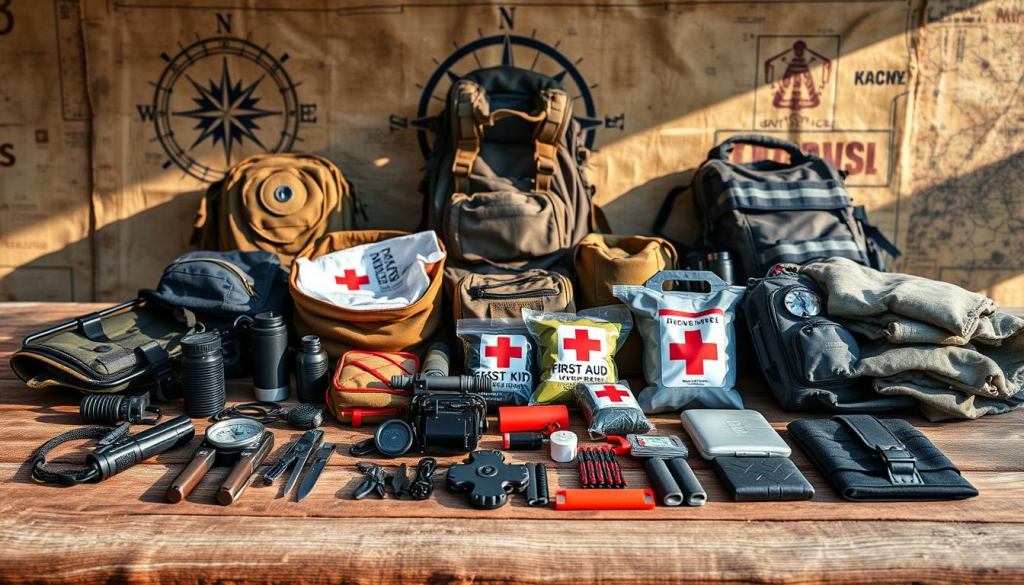
A well-stocked first aid kit is indispensable in a Bug Out Bag. It should include bandages, antiseptic wipes, pain relievers, and any medications that you or your family members might need. Regularly checking the kit to ensure that all items are still usable and not expired is crucial.
Shelter and Warmth
Having adequate shelter and warmth provisions can be lifesaving. This includes a lightweight tent, a sleeping bag, and emergency blankets. Additionally, including fire-starting gear such as matches or a lighter can provide warmth and a means to cook food.
As noted by survival experts,
“Shelter and warmth are key to surviving the elements.”
Ensuring you have these basics covered can significantly enhance your chances of survival.
Tools and Equipment to Consider
The right tools and equipment can make a significant difference in a survival situation, making them a vital part of any Bug Out Bag. When disaster strikes, having the right gear can be the difference between life and death.
Multi-tools and Knives
A multi-tool or pocket knife is an indispensable item in any Bug Out Bag. These tools can be used for a variety of tasks, from cutting branches to opening cans. Look for a multi-tool with a sturdy construction and multiple functions, such as pliers, scissors, and a knife blade.
When selecting a knife, consider one with a fixed blade and a comfortable grip. A good knife can be used for self-defense, hunting, and other essential tasks.
Flashlights and Headlamps
A reliable light source is crucial in a survival situation. Flashlights and headlamps provide hands-free lighting, allowing you to navigate and perform tasks in the dark. Look for LED lights, which are energy-efficient and have a longer battery life.
When choosing a flashlight or headlamp, consider one with adjustable brightness and a red light mode to preserve night vision.
Fire-starting Gear
Fire-starting gear is another essential component of a Bug Out Bag. Fire can provide warmth, light, and a way to cook food. Consider including a lighter, waterproof matches, or a fire starter kit.
As stated by a survival expert, “Fire is a fundamental element of survival. It provides warmth, light, and a way to cook food, making it a crucial component of any Bug Out Bag.”
“The ability to start a fire can be a lifesaver in a survival situation. It’s essential to have a reliable fire-starting method in your Bug Out Bag.”
When assembling your Bug Out Bag, remember to check your tools and equipment regularly to ensure they are in good working condition. By including these essential tools and equipment, you can increase your chances of survival in a disaster scenario.
Personal Items and Documents
Personal items and documents are vital components of a Bug Out Bag, serving as a means of identification and a key to accessing crucial services during emergencies. These items can significantly impact your ability to receive help, access medical care, and maintain a sense of normalcy in the face of disaster.
Identification
Having proper identification is crucial. Include a valid government-issued ID, such as a driver’s license or passport, to help authorities verify your identity. This can be particularly important in scenarios where infrastructure is damaged, and normal identification methods are not available.
Emergency Contacts
It’s also essential to include a list of emergency contacts. This should include names, phone numbers, and addresses of family members, close relatives, or friends who should be notified in case of an emergency. Consider including a physical copy of this information, as digital means may not be accessible.
Health Records
Health records are another critical component. Include copies of your medical history, known allergies, and any medications you’re currently taking. This information can be lifesaving if you need medical attention during an emergency. Consider using a waterproof container to protect these documents.
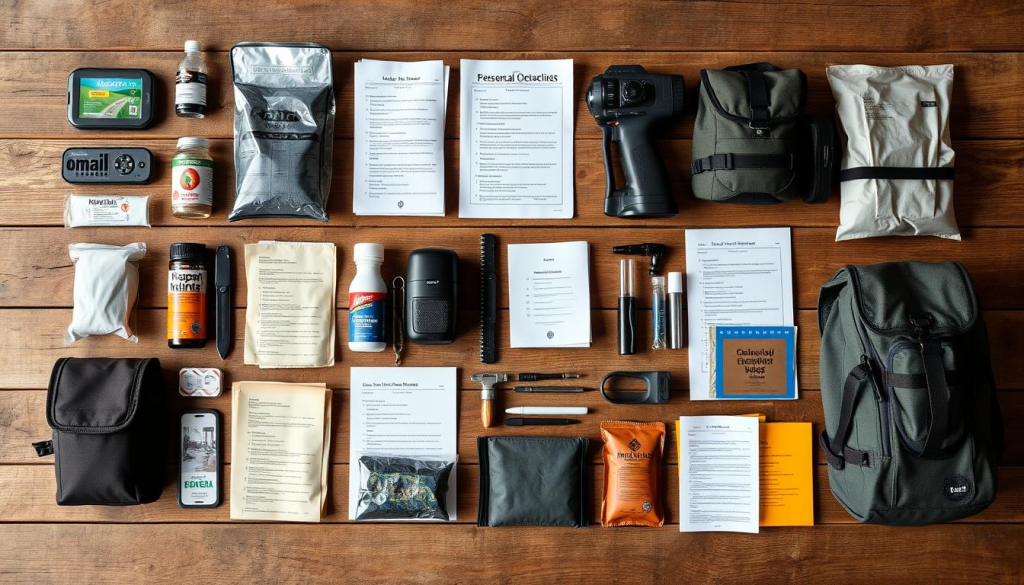
By including these personal items and documents in your Bug Out Bag, you can ensure that you’re better prepared to handle emergencies and receive the help you need in a timely manner.
Clothing Considerations for Your Bug Out Bag
When assembling a Bug Out Bag, it’s crucial to consider the clothing you’ll need to survive in various environmental conditions. The right clothing can be the difference between comfort and distress, or even safety and danger, during an emergency evacuation.
Weather-Appropriate Attire
Packing clothing that is suitable for different weather conditions is vital. This includes moisture-wicking base layers for warm weather, insulating mid-layers for cold conditions, and waterproof outer layers to protect against rain and wind.
- Include lightweight, quick-drying shirts and pants for warm weather.
- Pack thermal layers such as fleeces or down jackets for cold conditions.
- Choose waterproof and breathable outerwear like Gore-Tex or similar technology.
Footwear and Accessories
Footwear is a critical component of your Bug Out Bag. Sturdy, waterproof boots that are comfortable for long walks are essential. Additionally, consider packing extra socks, hats, and gloves to maintain body heat and comfort.
- Select boots that are both waterproof and have good ankle support.
- Include several pairs of socks to change into if your feet get wet.
- Don’t forget hats and gloves for cold weather conditions.
By carefully selecting the clothing for your Bug Out Bag, you can ensure you’re prepared for a wide range of scenarios, enhancing your chances of staying safe and comfortable during an emergency.
Self-Defense Items: What to Include
Self-defense is a critical aspect of survival, and including the right items in your Bug Out Bag can make a significant difference. When preparing for emergencies, it’s essential to consider the tools that can help protect you and your loved ones.
Personal safety should be a top priority, and there are several items you can include in your Bug Out Bag to enhance your security. These items can range from simple deterrents to more advanced protective gear.
Personal Safety Devices
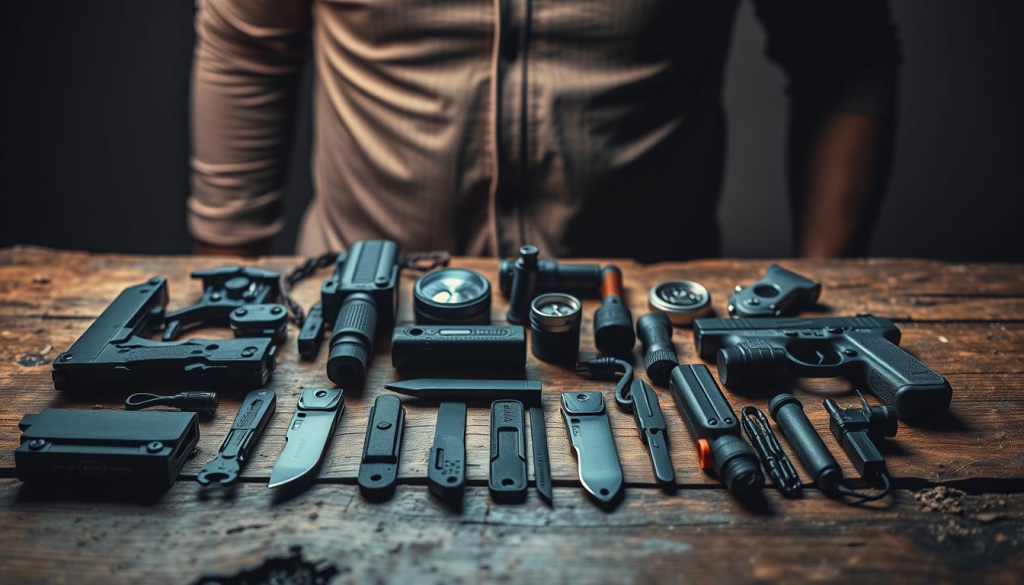
Personal safety devices are designed to provide an added layer of protection. Some effective options include:
- Personal alarms that emit a loud noise to deter potential threats
- Stun guns or tasers that can incapacitate an attacker
- Smart devices that can alert friends or family in case of an emergency
Pepper Spray and Other Options
Pepper spray is a popular self-defense tool due to its effectiveness and ease of use. When selecting pepper spray, consider factors such as:
- Concentration: Look for sprays with a high oleoresin capsicum (OC) concentration
- Range: Opt for sprays with a decent range to keep you safe from a distance
- Ease of use: Choose sprays with simple, intuitive mechanisms
Other self-defense options to consider include tactical flashlights, which can disorient an attacker, and self-defense classes to improve your personal safety skills.
By incorporating these self-defense items into your Bug Out Bag, you can enhance your personal safety and be better prepared for emergency situations. Remember, the key to effective self-defense is being prepared and knowing how to use your tools effectively.
Navigation and Communication Tools
Effective navigation and communication are key to survival, making the right tools essential for your Bug Out Bag. In an emergency, being able to navigate through unfamiliar terrain and stay in touch with the outside world can significantly improve your chances of safety.
Maps and Compasses
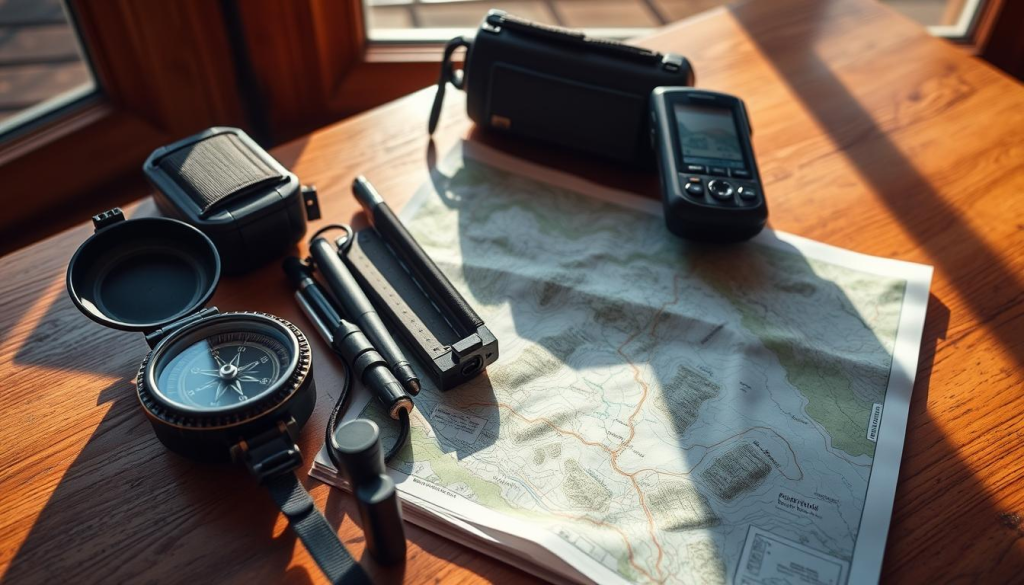
Traditional navigation tools like maps and compasses are indispensable. A detailed topographic map can help you identify safe routes, water sources, and potential hazards. Pair this with a reliable compass, and you have a robust navigation system that doesn’t rely on batteries or signal reception.
- Maps: Look for waterproof, tear-resistant maps that cover your area of interest.
- Compasses: Choose a compass with a built-in declination adjustment and a clear, stable base.
Portable Chargers and Radios
In addition to traditional navigation tools, modern technology can provide critical support. Portable chargers can keep your devices powered, while radios can keep you informed about the situation on the ground.
- Portable Chargers: Select a charger with a high capacity and multiple USB ports to charge several devices at once.
- Radios: A hand-crank or solar-powered radio can provide vital information without the need for batteries.
By including these navigation and communication tools in your Bug Out Bag, you’ll be better equipped to handle emergencies and stay connected. Remember, the key to survival is being prepared with the right gear.
Health and Hygiene Supplies
Health and hygiene supplies are a critical component of any Bug Out Bag, ensuring you stay healthy and safe during crises. These supplies play a vital role in maintaining personal health and preventing the spread of diseases, which is especially important when access to medical facilities and clean water may be limited.
Personal Care Items
Personal care items are essential for maintaining hygiene and comfort. These may include:
- Toothbrush and toothpaste
- Soap or hand sanitizer
- Moist towelettes or baby wipes
- Feminine hygiene products (if applicable)
- Any personal hygiene items you use daily
As Dr. Emily Chen, a survival expert, notes, “Personal hygiene is not just about comfort; it’s about preventing infections and maintaining overall health during stressful conditions.”
Sanitation and Cleaning Products
Sanitation and cleaning products are crucial for maintaining a clean environment, which is vital for health. Consider including:
| Product | Purpose |
|---|---|
| Biodegradable soap | For washing hands and body |
| Disinfectant wipes | For cleaning surfaces |
| Trash bags | For waste disposal |
Including these health and hygiene supplies in your Bug Out Bag is a proactive step towards ensuring your well-being during emergencies. As part of your emergency survival kit checklist, these items can significantly enhance your ability to cope with challenging situations.
When preparing your Bug Out Bag, remember to check the expiration dates of your health and hygiene supplies regularly and update them as necessary. This ensures that your supplies remain effective and ready for use when needed.
Optional Items for Specialized Needs
When preparing a Bug Out Bag, it’s essential to consider the needs of all family members, including pets and children. Including specialized supplies can make a significant difference in emergency situations.
Pet Supplies
For pet owners, a Bug Out Bag should include essential supplies for their pets. These may comprise food and water for at least three days, a portable bowl, and any necessary medication. It’s also a good idea to include a pet carrier or leash to ensure your pet’s safety and comfort.
Don’t forget to pack your pet’s medical records and a recent photo in case you need to prove ownership or identify your pet.
Baby and Child Necessities
For families with babies or young children, additional items should be included in the Bug Out Bag. These may include diapers, formula, and child-friendly food. It’s also crucial to pack comfort items like a favorite toy or blanket to help reduce stress.
Other essential items for children include child-specific medications, extra clothing, and entertainment items like books or games.
By incorporating these optional items into your Bug Out Bag, you can ensure that you’re better prepared to handle emergencies with the needs of all family members in mind.
Regular Maintenance of Your Bug Out Bag
A Bug Out Bag is only as effective as its maintenance. Regular checks are crucial to ensure that the contents remain relevant and usable.
Expiration Dates and Supplies
Checking expiration dates of food, water, and medical supplies is vital. Expired items can be ineffective or even hazardous in emergency situations. Replace any expired or soon-to-expire supplies to maintain the bag’s effectiveness.
Updating Contents
As personal circumstances change, so too should the contents of the Bug Out Bag. For example, if a family member has a new medical condition, the bag should be updated with the necessary medications and equipment. Reviewing the bag’s contents regularly ensures it remains tailored to the individual’s or family’s needs.
Using a bug out bag contents checklist or survival backpack checklist can simplify the maintenance process. These checklists help ensure that all essential items are included and that nothing is overlooked.