
In times of crisis, having a well-prepared emergency kit can be a lifesaver. A bug-out bag is a portable collection of essential items that can help individuals survive during disasters or emergencies.
Being prepared for the unexpected is crucial. A well-stocked emergency kit can provide the necessary tools to navigate through challenging situations, ensuring the safety and well-being of individuals and their loved ones.
Having a plan and the right equipment is vital for disaster survival. By understanding the importance of emergency preparedness and having the necessary tools, individuals can face unexpected situations with confidence.
Key Takeaways
- Understand the concept of bug-out bags and their significance.
- Learn the importance of emergency preparedness.
- Discover essential items for disaster survival.
- Know how to create a well-stocked emergency kit.
- Be prepared for unexpected situations with confidence.
Understanding Bug-Out Bags: Your Lifeline in Emergencies
Bug-out bags have become an essential tool for survival in unexpected situations. These bags are designed to help individuals quickly evacuate from dangerous environments with the necessary supplies to sustain them until they reach safety.
Definition and Purpose of Bug-Out Bags
A bug-out bag, also known as a 72-hour kit or emergency kit, is a portable collection of essential items that can help a person survive for at least three days in case of a disaster or emergency. The primary purpose of a bug-out bag is to provide the necessary tools and supplies to help an individual navigate through the initial critical period following a disaster.
Historical Context and Modern Relevance
The concept of bug-out bags has its roots in military practices. Understanding this history can provide insights into the modern application and relevance of these bags.
Military Origins
The term “bug-out” originated in the military, referring to a rapid departure from a combat zone or dangerous situation. Military personnel were often required to have a ready-to-go bag with essential supplies, enabling them to quickly exit and regroup or reposition as needed.
Civilian Adaptation
Civilians have adapted the military concept of bug-out bags for personal emergency preparedness. This adaptation involves tailoring the contents to address a wide range of potential emergencies, from natural disasters like hurricanes and earthquakes to personal safety threats. Modern bug-out bags are designed to be versatile, containing items such as food, water, first aid supplies, and communication tools.
Key components of a bug-out bag typically include:
- Water and hydration solutions
- Non-perishable food
- First aid kit
- Flashlight and extra batteries
- Multi-tool or pocket knife
- Emergency shelter and warmth items
By understanding the definition, purpose, and historical context of bug-out bags, individuals can better prepare themselves for emergencies, ensuring they have the necessary tools to survive and thrive in challenging situations.
Why Every American Household Needs a Bug-Out Bag
As natural disasters become more frequent and intense, the need for emergency preparedness, starting with a bug-out bag, cannot be overstated. A bug-out bag is a portable collection of essential items that can help individuals and families survive and thrive during emergencies.
The Increasing Frequency of Natural Disasters
The world is experiencing an upsurge in natural disasters, from hurricanes and wildfires to floods and earthquakes. This trend is partly attributed to climate change.
Climate Change Impact on Emergency Situations
Climate change is not just an environmental issue; it’s also a significant factor in the increasing frequency and severity of natural disasters. As global temperatures rise, weather patterns become more unpredictable, leading to more frequent emergencies.
Government Recommendations for Emergency Preparedness
Government agencies, such as FEMA, recommend that households have a plan and the necessary supplies to last at least 72 hours during an emergency. A bug-out bag is a critical component of this plan.
“Having a plan and being prepared can make all the difference in a disaster. It’s not just about having the right gear, but also knowing how to use it.”
Real-Life Survival Stories
There are numerous survival stories that highlight the importance of being prepared. For instance, during Hurricane Katrina, many people who had prepared with emergency supplies fared better than those who didn’t.
- Having a bug-out bag can save lives.
- It’s essential for emergency preparedness.
- Real-life survival stories demonstrate its importance.
Types of Bug-Out Bags for Different Scenarios
Bug-out bags are not one-size-fits-all; different scenarios require different types of bags. Emergency preparedness demands flexibility and the right equipment to handle various situations effectively.
72-Hour Emergency Bags
A 72-Hour Emergency Bag is designed to sustain individuals for three days in the event of a disaster. These bags typically contain essentials like food, water, first aid supplies, and communication tools. They are ideal for short-term emergencies and are often recommended by government agencies.
Get-Home Bags
Get-Home Bags are smaller, portable kits intended to help individuals return home safely in case they are stranded away from home. They contain minimal essentials like snacks, a water bottle, a first aid kit, and a means of communication.
Long-Term Survival Bags
For extended emergencies, Long-Term Survival Bags are equipped with more comprehensive supplies, including food for longer periods, water purification tablets, and shelter materials. These bags are designed for survival over several weeks or even months.
Vehicle Emergency Kits
Vehicle Emergency Kits are tailored for car-related emergencies, including breakdowns or being stranded. They typically include items like jumper cables, spare tires, flashlights, and basic first aid supplies.
Workplace Emergency Kits
Workplace Emergency Kits are designed to address emergencies that may occur at work, such as natural disasters or medical emergencies. These kits are usually stored in the workplace and contain essentials like first aid supplies, emergency food, and communication devices.
In conclusion, having the right type of bug-out bag for different scenarios can significantly enhance your chances of survival and comfort during emergencies. It’s essential to assess your specific needs and choose a bag that is tailored to your situation.
Selecting the Perfect Bag: Materials, Size, and Durability
The key to a successful evacuation lies in selecting the perfect bug-out bag. With numerous options available, the task can be daunting. However, by focusing on materials, size, and durability, you can make an informed decision.
Backpack vs. Duffel vs. Tactical Bags
When it comes to bug-out bags, the type you choose depends on your specific needs. Backpacks are ideal for long-distance travel, offering comfort and support. Duffel bags provide ample space and are often used for shorter trips or when you have access to a vehicle. Tactical bags, on the other hand, are designed for rugged use and often feature MOLLE systems for attaching additional gear.
Weight Considerations and Carrying Capacity
The weight and carrying capacity of your bug-out bag are critical factors. A bag that is too heavy can be a hindrance, while one that is too light may not carry enough supplies. Aim for a bag with a comfortable weight distribution and sufficient capacity for your needs.
Weather Resistance and Durability Features
Weather resistance and durability are crucial for a bug-out bag. Look for bags made from water-resistant materials and featuring reinforced stitching. A durable bag will withstand the rigors of emergency situations.
Comfort and Ergonomic Design Elements
Comfort is essential for a bug-out bag, as you may need to carry it for extended periods. Ergonomic design elements such as padded shoulder straps and a waist belt can make a significant difference.
| Bag Type | Material | Durability | Comfort |
|---|---|---|---|
| Backpack | Nylon | High | Excellent |
| Duffel | Canvas | Medium | Good |
| Tactical | Cordura | Very High | Good |
By considering these factors and choosing a bag that meets your needs, you can ensure a successful evacuation in emergency situations.
Essential Bug-Out Bags: The Core Components
The effectiveness of a bug-out bag lies in its core components, which are designed to sustain you during emergencies. A well-stocked bug-out bag should include essentials that cater to your basic needs: water, food, shelter, warmth, and medical care.
Water and Hydration Solutions
Access to clean drinking water is crucial. Your bug-out bag should contain water containers and filters to ensure hydration.
Water Containers and Filters
Collapsible water containers are ideal due to their lightweight and space-saving design. Water filters, such as those using activated carbon or ceramic elements, can purify water from any source, making it safe to drink.
Water Purification Methods
In addition to filters, water purification tablets or UV light purifiers can be used to make water safe. These methods are effective against bacteria, viruses, and other contaminants.
Food and Nutrition Essentials
Calorie-dense foods that have a long shelf life are vital for sustaining energy. Include non-perishable items like nuts, dried fruits, and energy bars.
Calorie-Dense Options
Look for foods that are high in calories but low in weight, such as peanut butter, dried meat, and canned goods. These provide the necessary energy without taking up too much space.
Long-Shelf-Life Considerations
Ensure that your food supplies have a long shelf life and are easy to prepare. MREs (Meals Ready to Eat) are a popular choice due to their convenience and long shelf life.
Shelter and Warmth Items
A lightweight tent, sleeping bag, and emergency blanket can provide shelter and warmth. These items are crucial for maintaining body heat and protecting against the elements.
First Aid and Medical Supplies
A comprehensive first aid kit should include bandages, antiseptic wipes, pain relievers, and any personal medications. It’s also important to include a guide to basic first aid procedures.
By focusing on these core components, you can ensure that your bug-out bag is equipped to handle a variety of emergency situations, keeping you safe and prepared.
Navigation and Communication Tools
In emergency situations, having the right navigation and communication tools can be the difference between safety and peril. These tools are essential for finding your way, staying informed, and calling for help when needed.
Maps, Compasses, and GPS Devices
A good map, compass, and GPS device are fundamental navigation tools. A detailed topographic map helps you understand the terrain, while a compass provides direction. Modern GPS devices offer precise location information, even without cellular connectivity. “A GPS device can be a lifesaver in unfamiliar territory,” says survival expert Les Stroud.
Emergency Radios and Communication Equipment
Staying informed is crucial during emergencies. An emergency radio can receive critical updates and broadcasts. Two-way radios allow for communication with family members or group members. Consider a satellite phone for areas with no cellular coverage.
Signal Devices and Attention Getters
Signal devices are vital for attracting attention in emergency situations. Flares, signal mirrors, and whistles are simple yet effective tools. “A signal mirror can reflect sunlight towards any aircraft or potential rescuers, increasing your visibility,” notes survival guide author, Cody Lundin.
Backup Power Solutions for Electronics
Backup power is essential for keeping your navigation and communication devices operational. Portable power banks, solar chargers, and hand-crank generators are reliable options. Ensuring you have multiple ways to power your devices can be a significant advantage during prolonged emergencies.
By incorporating these navigation and communication tools into your bug-out bag, you significantly enhance your ability to navigate through and communicate during emergencies, increasing your chances of safety and rescue.
Tools and Multi-Purpose Equipment
The inclusion of versatile tools and multi-purpose equipment in your bug-out bag is crucial for tackling various survival challenges. These items can significantly enhance your ability to adapt to different situations, from basic survival needs to complex problem-solving.
Essential Survival Tools
Survival tools are the backbone of any bug-out bag. They enable you to perform a variety of tasks, from cutting and piercing to fixing and constructing.
Knives and Multi-tools
A good quality knife or multi-tool is indispensable. Multi-tools like the Leatherman Wave or Gerber Suspension offer multiple functions in one device, making them highly versatile.
- Knives for cutting and self-defense
- Pliers for gripping and bending
- Screwdrivers for repairing equipment
Rope and Cordage
Rope and cordage are essential for creating shelter, securing gear, and even aiding in rescue situations. Paracord, in particular, is a popular choice due to its durability and versatility.
Lighting Options and Power Sources
Having reliable lighting is crucial for navigating and performing tasks in the dark. Options include LED flashlights, headlamps, and solar-powered lights.
Repair Kits and Utility Items
A repair kit can help you fix damaged gear, ensuring you stay prepared. Utility items like duct tape, safety pins, and multi-purpose wire can also be incredibly useful.
“A good repair kit is like having a second chance at survival.”
Fire-Starting Methods
Fire can provide warmth, light, and a means of cooking food. Including multiple fire-starting methods, such as lighters, matches, and ferrocerium rods, is advisable.
- Lighters for convenience
- Waterproof matches for reliability
- Ferrocerium rods for a spark source
In conclusion, the right tools and multi-purpose equipment can make a significant difference in survival situations. By carefully selecting and maintaining these items, you can enhance your preparedness and adaptability.
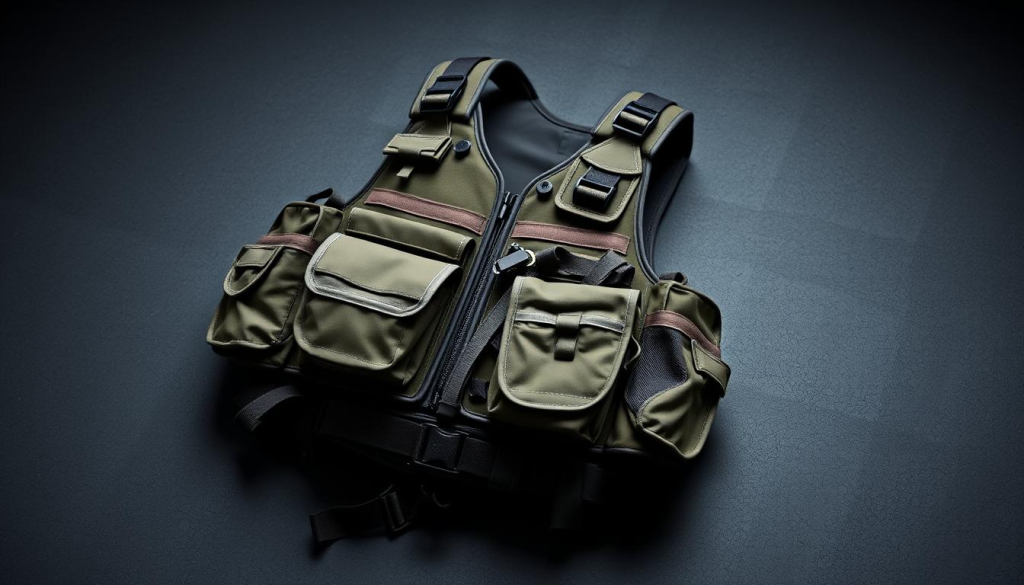
Personal Protection and Self-Defense Items
Personal safety is paramount when preparing for unexpected emergencies. A well-stocked bug-out bag should include items that not only aid in survival but also provide personal protection and self-defense.
Legal Self-Defense Options
Understanding the legal implications of self-defense is crucial. It’s essential to familiarize yourself with local laws regarding self-defense tools and techniques. Non-lethal options such as pepper spray or stun guns are popular choices for personal defense.
Protection from Elements and Wildlife
In addition to human threats, protection from wildlife and harsh elements is vital. Wildlife deterrents like bear spray can be effective against aggressive animals. Moreover, including items like emergency blankets can protect against extreme weather conditions.
Personal Safety Considerations
Personal safety also involves being aware of your surroundings and potential threats. Whistles and other signaling devices can help deter potential threats and signal for help when needed.
Emergency Whistles and Alarms
Emergency whistles are simple yet effective tools for signaling distress. They are lightweight, easy to use, and can be heard from great distances. Including a high-decibel whistle in your bug-out bag can be a lifesaver.
| Self-Defense Item | Purpose | Legal Considerations |
|---|---|---|
| Pepper Spray | Non-lethal deterrent against humans and animals | Check local laws regarding possession and use |
| Stun Gun | Non-lethal incapacitating device | Regulated in some states; check local laws |
| Bear Spray | Deterrent against wildlife | Generally legal; check local regulations |
Documentation and Financial Preparedness
When disaster strikes, the importance of having essential documents and emergency funds cannot be overstated. A bug-out bag is not just about survival gear; it’s also about being prepared with the right documents and financial resources.
Essential Documents to Include
Having the right documents can make a significant difference in emergency situations. These documents can help verify identity, provide medical history, and facilitate access to vital services.
Personal Identification
Personal identification documents are crucial. These include:
- Driver’s License or State ID: Verifies your identity and age.
- Passport: Essential for international travel and identification.
Medical Records
Medical records can be lifesaving in emergencies. Include:
- Summary of Medical Conditions: Lists allergies, chronic conditions, and medications.
- Prescription Information: Details about your prescriptions, including dosage and contact information for your pharmacy.
Emergency Cash and Financial Tools
Financial preparedness is as important as having the right gear. In an emergency, access to cash and financial tools can be critical.
- Cash and Coins: Having some cash on hand, especially in small denominations, can be very useful.
- Credit Cards and Debit Cards: Include cards with high credit limits or emergency funds.
- Traveler’s Checks: Though less common, they can still be useful in certain situations.
Identity Protection Measures
Protecting your identity is crucial, especially in the aftermath of a disaster when fraud can be more common.
- Shredding Documents: Regularly shred documents that contain sensitive information.
- Monitoring Credit Reports: Keep an eye on your credit reports for any suspicious activity.
By including these essential documents and financial tools in your bug-out bag, you can ensure you’re better prepared for any situation. Remember, preparation is key to navigating emergencies effectively.
Customizing Bug-Out Bags for Family Members
Customizing bug-out bags for each family member is crucial for effective emergency preparedness. This approach ensures that everyone’s specific needs are met, whether it’s for children, the elderly, or pets.
Children’s Bug-Out Bags
When it comes to children, a bug-out bag should be both practical and comforting. Age-appropriate contents are essential.
Age-Appropriate Contents
For children, include items like:
- Child-friendly snacks and hydration solutions
- Extra clothing and layers for varying weather conditions
- First aid supplies tailored to children’s needs, such as pediatric medications
- Entertainment items like books or small toys to keep them calm
Comfort Items and Psychological Support
Including comfort items can provide psychological support:
- A favorite toy or blanket
- Family photos or a small comfort object
These items can help reduce stress and anxiety during an emergency.
Elderly and Disabled Considerations
For elderly or disabled family members, bug-out bags should be tailored to their specific needs, including:
- Medications and medical equipment
- Personal care items and hygiene supplies
- Comfortable clothing and walking aids if necessary
Pet Emergency Preparedness
Pets are part of the family, too. A pet emergency kit should include:
- Food, water, and bowls
- Pet medications and a first aid kit
- A carrier or leash, and comfort items like a favorite toy
Family Communication Plans
A crucial aspect of family preparedness is having a communication plan in place. This includes:
- Designating a meeting spot outside the home
- Choosing a contact person outside the immediate area for family members to check in with
- Ensuring all family members know important phone numbers and have a plan for staying in touch
By customizing bug-out bags and having a solid communication plan, families can be better prepared for emergencies.
Regional Considerations for Bug-Out Bags
Regional considerations play a significant role in customizing bug-out bags for emergency preparedness. The effectiveness of a bug-out bag is highly dependent on its ability to address the specific challenges posed by the region in which it will be used.
Cold Climate Adaptations
In cold climates, the bug-out bag should include items that provide warmth and protection against the elements. This includes insulated clothing, hand warmers, and cold-weather sleeping bags. “In extreme cold, the right gear can be the difference between life and death,” as noted by survival experts.
Hot Climate and Desert Considerations
For hot and desert climates, the focus should be on hydration and sun protection. Include extra water bottles, solar stills, and sun protection items like hats and sunscreen. It’s crucial to stay hydrated in desert environments, where dehydration can set in quickly.
Urban vs. Rural Emergency Planning
The distinction between urban and rural areas dictates different bug-out bag contents. Urban environments may require more emphasis on personal defense and communication devices, while rural areas might necessitate hunting gear and water purification tablets.
Coastal Region Specifics
Coastal regions require preparations for potential flooding and saltwater exposure. Include waterproof bags, flotation devices, and emergency signaling devices to address these challenges.
Wildfire-Prone Area Preparations
In areas prone to wildfires, the bug-out bag should be equipped with fire-resistant clothing, N95 masks, and emergency shelter that can protect against heat and flames. Quick evacuation plans are also essential.
By tailoring your bug-out bag to the specific regional challenges you might face, you can significantly enhance your chances of survival and comfort during emergencies.
Seasonal Updates and Maintenance Schedule
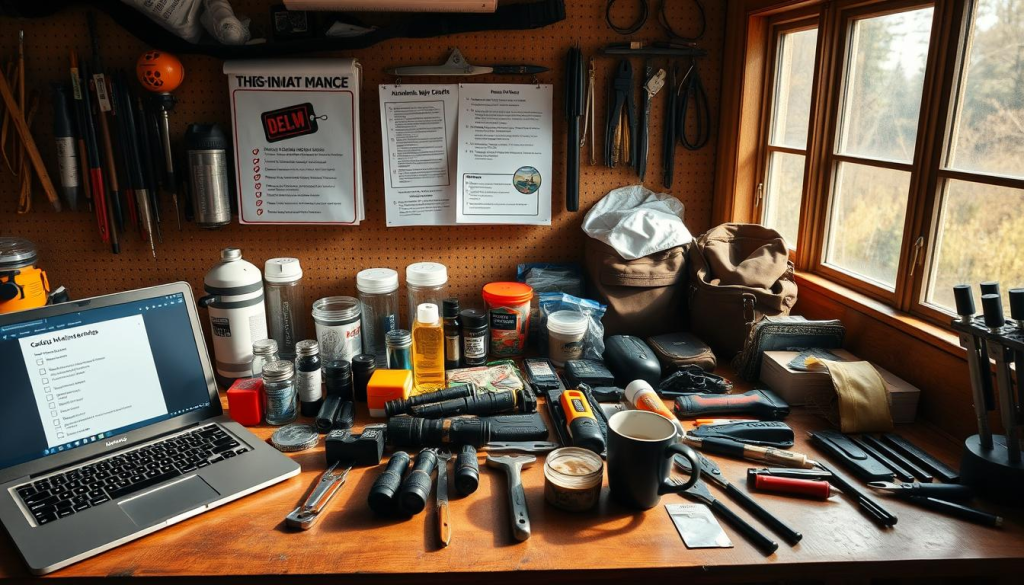
Maintaining a bug-out bag is not a one-time task, but an ongoing process that requires regular updates and checks. Ensuring your bag is always ready for an emergency involves several key steps.
Food and Water Rotation
One of the critical aspects of bug-out bag maintenance is rotating food and water supplies. Expired or spoiled items can render your bag useless when you need it most. Check expiration dates regularly and replace items as needed. Consider the dietary needs of your family members and adjust your supplies accordingly.
Battery and Equipment Checks
Regularly inspect the batteries in your flashlights, radios, and other devices. Dead batteries can leave you in the dark or without a means of communication. Replace batteries seasonally, and consider investing in rechargeable options.
Seasonal Gear Adjustments
Adjust your bug-out bag according to the season. For example, include warmer clothing and insulation in winter, and hydration packs and sunscreen in summer. This ensures you’re prepared for the specific challenges of each season.
Documentation Updates
Keep your important documents up to date, including insurance policies, identification, and emergency contact information. Outdated documents can complicate your response to an emergency.
Creating a Maintenance Calendar
To stay on track, create a maintenance calendar specifically for your bug-out bag. Schedule regular checks and updates to ensure your bag is always ready. As one expert notes, “A well-maintained bug-out bag is a critical component of emergency preparedness.” Regular maintenance not only ensures your bag is functional but also gives you peace of mind.
Storage and Accessibility Strategies
Strategic storage of your bug-out bag is essential for a swift response during emergencies. Effective storage ensures that your bag is both accessible and ready for use at a moment’s notice.
Strategic Placement in Home and Vehicle
Place your bug-out bag in easy-to-reach locations, such as near exits or in your vehicle. This allows for quick access when time is of the essence.
Climate-Controlled Storage Options
Consider storing your bug-out bag in a climate-controlled environment to protect the contents from extreme temperatures and moisture.
Quick-Access Solutions
Use bags or containers with quick-access features, such as zippered compartments or easily opened closures, to expedite retrieval of essential items.
Multiple Bug-Out Bag Locations
| Location | Purpose |
|---|---|
| Home | Primary storage for family members |
| Vehicle | For emergencies requiring evacuation by car |
| Workplace | For office or workplace emergencies |
Testing Your Bug-Out Bag: Practice Makes Perfect
A bug-out bag is only as good as its ability to perform under stress. Testing your bug-out bag is essential to ensure that it serves its purpose during an emergency. As Mark Twain once said, “The more you know, the more you realize you don’t know.” This quote emphasizes the importance of being prepared and knowledgeable about your emergency gear.
Conducting Family Drills and Exercises
Conducting family drills and exercises is a critical step in testing your bug-out bag. This involves simulating emergency scenarios and having all family members participate in using the bag. By doing so, you can identify any weaknesses or areas for improvement. As
“The will to prepare is more important than the will to win.” –
Weight Testing and Mobility Assessments
Weight testing and mobility assessments are crucial to ensure that your bug-out bag is comfortable and manageable. You should test the bag’s weight distribution, strap comfort, and overall mobility. This will help you make necessary adjustments to the bag’s contents and design.
Functionality Checks in Various Conditions
Functionality checks in various conditions involve testing the bag’s contents and equipment in different environments. This includes checking the functionality of electronic devices, testing the water resistance of the bag, and ensuring that all equipment is working properly.
Simulating Emergency Scenarios
Simulating emergency scenarios is the final step in testing your bug-out bag. This involves creating hypothetical emergency situations and testing the bag’s effectiveness in responding to those situations. By doing so, you can identify areas for improvement and make necessary adjustments to the bag’s contents and design.
Common Bug-Out Bag Mistakes to Avoid
A well-prepared bug-out bag can be your lifeline in emergency situations, but common mistakes can render it useless. When assembling your bug-out bag, it’s crucial to avoid several pitfalls to ensure you’re truly prepared.
Overpacking and Weight Issues
One of the most common bug-out bag mistakes is overpacking. While it’s essential to be prepared, carrying too much weight can be detrimental. Focus on the essentials and remember that you can always return for more supplies if needed.
Neglecting Skills Training
Having the right gear is only half the battle; knowing how to use it is equally important. Neglecting skills training can turn even the best bug-out bag into a useless collection of items. Make sure to practice using your equipment and learn relevant survival skills.
Forgetting Psychological Comfort Items
In emergency situations, psychological comfort can be just as important as physical supplies. Including items like family photos, a favorite book, or a cherished memento can provide emotional sustenance during difficult times.
Failing to Customize for Individual Needs
Every family member has unique needs, and your bug-out bag should reflect this. Whether it’s medication, specific dietary requirements, or comfort items for children, customization is key to ensuring everyone’s safety and comfort.
Ignoring Family Coordination
A bug-out bag is only effective if all family members know how to use it and are coordinated in their emergency plan. Regular drills and discussions about the bug-out bag and emergency procedures can help ensure everyone is on the same page.
By avoiding these common bug-out bag mistakes, you can significantly enhance your preparedness and the effectiveness of your bug-out bag.
Conclusion: Peace of Mind Through Preparation
Preparing a bug-out bag is a crucial step in emergency preparedness, providing peace of mind in the face of uncertainty. By assembling a well-planned bug-out bag, individuals can ensure their safety and the safety of their loved ones during emergencies.
A well-stocked bug-out bag is more than just a collection of supplies; it’s a lifeline that can make a significant difference in critical situations. The process of creating and maintaining a bug-out bag encourages individuals to think critically about their needs and the potential challenges they may face.
By following the guidelines outlined in this article, individuals can create a bug-out bag that meets their specific needs, providing a sense of security and confidence. Emergency preparedness is key to navigating unexpected events, and a bug-out bag is an essential tool in this endeavor.
Ultimately, the peace of mind that comes with being prepared is invaluable. By investing time and effort into creating a comprehensive bug-out bag, individuals can face the future with greater assurance, knowing they are ready to respond to emergencies effectively.