
In today’s uncertain world, being prepared for emergencies is crucial. A well-prepared emergency survival kit can be the difference between life and death. According to Ready To Go Survival, a vital component of emergency preparedness is having a portable collection of essential items that can help individuals or families survive for at least 72 hours.
A disaster preparedness checklist can help guide the creation of this kit, ensuring that it includes all necessary items. The contents may vary depending on personal needs, environmental considerations, and the type of emergencies that are most likely to occur in a given area.
Key Takeaways
- A well-prepared emergency kit is crucial for survival.
- A disaster preparedness checklist can guide the creation of the kit.
- The kit’s contents should be tailored to personal needs and environmental considerations.
- Regular maintenance and updates are necessary.
- A 72-hour kit can help individuals or families survive in case of an emergency.
Understanding the Importance of a Bug Out Bag
In today’s unpredictable world, having a bug out bag is crucial for emergency preparedness. A bug out bag, also known as a 72-hour kit, is designed to provide individuals with the necessary supplies to survive for at least three days in the event of a disaster or emergency.
What is a Bug Out Bag?
A bug out bag is essentially a portable collection of essential items that can help individuals or families survive and thrive during emergencies. According to Mountain House, it includes basic supplies such as water, non-perishable food, a first aid kit, and means of communication, aligning with the Federal Emergency Management Agency (FEMA) recommendations.
Why You Need One
Having a bug out bag is vital because it enables you to respond effectively in emergency situations. The bag’s contents are carefully curated to address basic needs such as shelter, food, and safety. By having such a bag ready, individuals can significantly improve their chances of navigating through crises with minimal disruption.
Key reasons to have a bug out bag include:
- Immediate response to emergencies
- Enhanced personal safety
- Ability to provide for family needs during a crisis
Situations That May Require a Bug Out Bag
Bug out bags are designed to be useful in a variety of emergency situations, including natural disasters like hurricanes, earthquakes, and floods, as well as man-made crises such as power outages or chemical spills. Being prepared with a bug out bag can make a significant difference in how well one copes with unexpected events.
Some common situations that may require a bug out bag include:
- Natural disasters (e.g., hurricanes, wildfires)
- Power outages or grid failures
- Man-made disasters (e.g., industrial accidents)
Core Components of a Bug Out Bag
The core components of a bug out bag are designed to address the basic survival needs of individuals in crisis situations. These essentials are categorized into shelter and warmth, water filtration and storage, and food supply considerations.
Shelter and Warmth Essentials
A bug out bag should include items that provide adequate shelter and warmth. A lightweight tent and a sleeping bag are crucial for protection against the elements. An emergency blanket or a space blanket can also be vital in maintaining body heat.
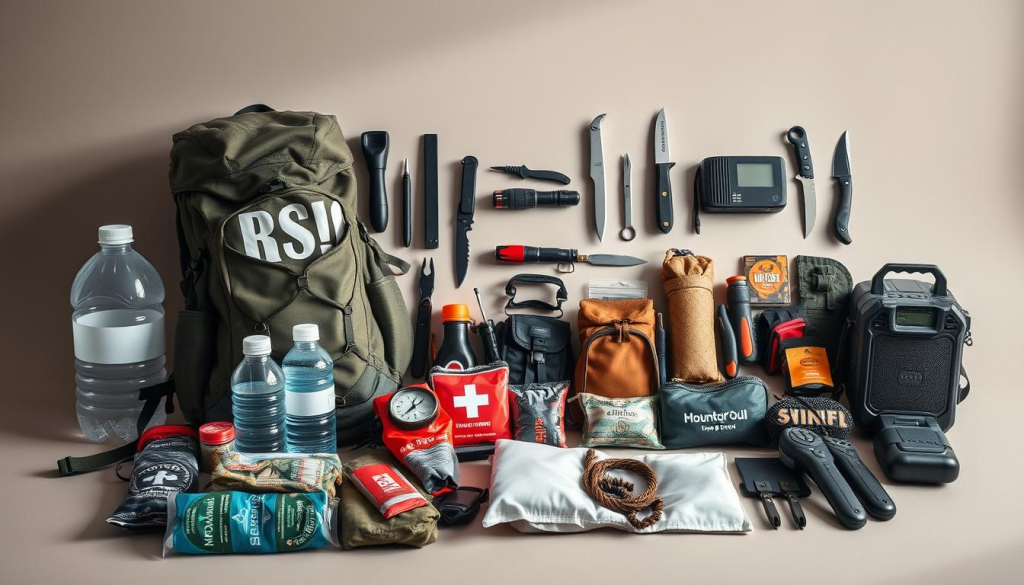
Water Filtration and Storage
Access to clean drinking water is critical. A bug out bag should contain a water filtration system or purification tablets to ensure safe drinking water. Additionally, collapsible water containers can be used to store water, making it easier to carry.
Food Supply Considerations
Packing the right food is essential for sustaining energy during emergencies. Non-perishable, high-calorie foods that are easy to prepare should be included. Examples include energy bars, dried fruits, and canned goods.
By focusing on these core components, individuals can ensure they are well-prepared to face various emergency situations.
Personal Safety Gear for Your Bug Out Bag
Personal safety gear is a vital component of any bug out bag, ensuring you’re prepared for the unexpected. In emergency situations, having the right equipment can significantly enhance your ability to respond to threats and injuries.
First Aid Kit Essentials
A well-stocked first aid kit is crucial for treating injuries and preventing infections. According to Adventure Medical Kits, a comprehensive first aid kit should include trauma control supplies, essential first aid items, and medications. Some of the key items to include are bandages, antiseptic wipes, pain relievers, and any personal medications.
It’s also important to consider the specific needs of your family members, such as infants or individuals with chronic conditions, when assembling your first aid kit.
Tools for Self-Defense
While not everyone may be comfortable with carrying tools for self-defense, they can provide an added layer of security in dangerous situations. Options range from non-lethal deterrents like pepper spray to more serious tools like firearms. It’s essential to choose a tool that you are comfortable using and have received proper training for.
Fire Starting Materials
Fire starting materials are another critical component of personal safety gear. Fire can provide warmth, a means of cooking food, and a way to signal for help. Common fire starting tools include lighters, matches, and ferrocerium rods. It’s a good idea to include multiple methods in your bug out bag to ensure you have a reliable way to start a fire in various conditions.
By including these personal safety gear items in your bug out bag, you’ll be better prepared to handle emergencies and stay safe until help arrives.
Clothing Considerations for Emergency Situations
The right clothing can be a lifesaver in emergency situations, making it a vital component of any bug out gear list. Clothing that is versatile, durable, and suitable for various weather conditions is essential.
Layering Strategies
Layering is a key strategy in maintaining comfort across a range of temperatures. It involves wearing multiple layers of clothing that can be added or removed as needed. A good layering system includes a base layer for moisture management, a mid-layer for insulation, and an outer layer for protection against the elements.
Moisture-wicking fabrics are ideal for base layers as they help keep the skin dry. For mid-layers, materials like fleece or wool provide excellent insulation. The outer layer should be waterproof and windproof, making a breathable shell jacket an excellent choice.
Weather-Appropriate Clothing
Weather-appropriate clothing is critical for survival. This includes rain gear to keep you dry and warm layers to maintain body heat. Including a survival kit essentials checklist can help ensure you don’t forget critical items like a rain poncho or insulated jacket.
For cold weather, consider clothing with insulating properties like down or synthetic insulated jackets. In hot weather, prioritize lightweight, breathable clothing that protects against the sun.
Footwear Recommendations
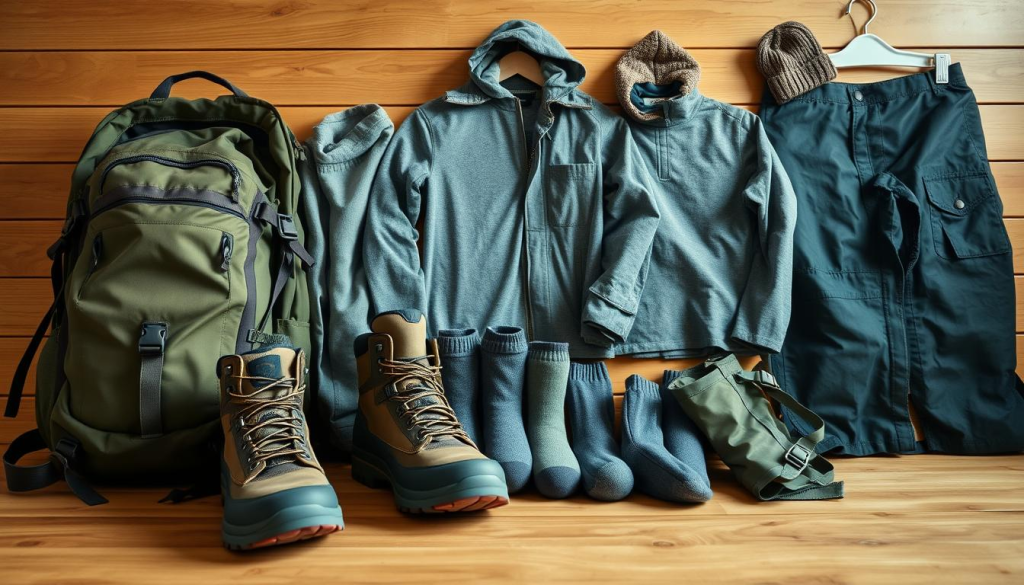
Footwear is a crucial aspect of your disaster preparedness checklist. Sturdy, comfortable boots that are waterproof can protect your feet from harsh conditions. Consider boots with good ankle support to prevent injuries during travel.
In addition to boots, packing extra socks made of moisture-wicking materials can help keep your feet dry and blister-free. For warmer conditions, lightweight sandals with a good grip can be a useful addition.
Navigation and Communication Tools
Navigation and communication tools are vital components of a bug out bag, ensuring you can find your way and call for help when needed. These tools are essential for survival during emergencies, allowing you to navigate through unfamiliar territories and stay in touch with family members or emergency services.
Maps and Compasses
Maps and compasses are fundamental navigation tools. A detailed topographic map can help you understand the terrain, while a compass provides direction. It’s advisable to include a compass with a mirror for signaling purposes and a map that covers your area of operation.
Portable GPS Devices
In addition to traditional maps and compasses, portable GPS devices offer precise location information. These devices can be crucial in unfamiliar territories where satellite signals are available. Ensure your GPS device is durable, water-resistant, and has a long battery life.
Emergency Communication Options
Effective communication is key during emergencies. Include a cell phone with a backup battery and consider a two-way radio for staying in touch with family members or group members. Satellite phones are also an option for areas with no cell service.
To further enhance your navigation and communication capabilities, consider the following table summarizing key tools and their benefits:
| Tool | Purpose | Benefits |
|---|---|---|
| Maps | Navigation | Detailed terrain information, no battery required |
| Compasses | Direction | Reliable, simple, and durable |
| GPS Devices | Precise Location | Accurate positioning, easy to use |
| Cell Phones | Communication | Wide coverage, multifunctional |
| Two-way Radios | Group Communication | Real-time communication, no network required |
By including these navigation and communication tools in your bug out bag, you significantly enhance your chances of navigating through emergencies effectively and staying connected with loved ones or emergency responders.
Hygiene and Sanitation Supplies
Sanitation and hygiene supplies are often overlooked but are vital components of a bug out bag. These essentials help maintain health and prevent the spread of diseases during emergency situations.
Personal Hygiene Products
Personal hygiene products are crucial for maintaining individual health. These include toothbrushes, toothpaste, biodegradable soap, and hand sanitizer. Using these products regularly can prevent the spread of infections and keep you healthy.
Waste Disposal Solutions
Proper waste disposal is essential to prevent disease. Including biodegradable bags, a small shovel for digging catholes, and other waste disposal solutions in your bug out bag can help maintain a clean environment.
Portable Toilets and Toilet Paper
In some emergency situations, having a portable toilet can be indispensable. Additionally, including a supply of toilet paper and moist towelettes can add to personal hygiene and comfort.
| Product | Description | Importance |
|---|---|---|
| Toothbrush and Toothpaste | For oral hygiene | High |
| Biodegradable Soap | For personal cleaning | High |
| Hand Sanitizer | For germ protection | High |
| Portable Toilet | For sanitation | Medium |
By including these hygiene and sanitation supplies in your bug out bag, you can ensure a healthier response to emergencies. Regularly check and update these supplies to maintain their effectiveness.
Essential Tools and Equipment
The right tools and equipment are vital components of a bug out bag, enabling individuals to respond effectively in crisis situations. A well-stocked bug out bag should include a variety of tools that can help with survival, self-defense, and navigation.
Multi-Tools and Knives
Multi-tools and knives are indispensable in a bug out bag, offering versatility and utility in a range of situations. They can be used for cutting, opening cans, and even self-defense if necessary. When selecting a multi-tool or knife, consider one that is durable and has multiple functions.
Flashlights and Headlamps
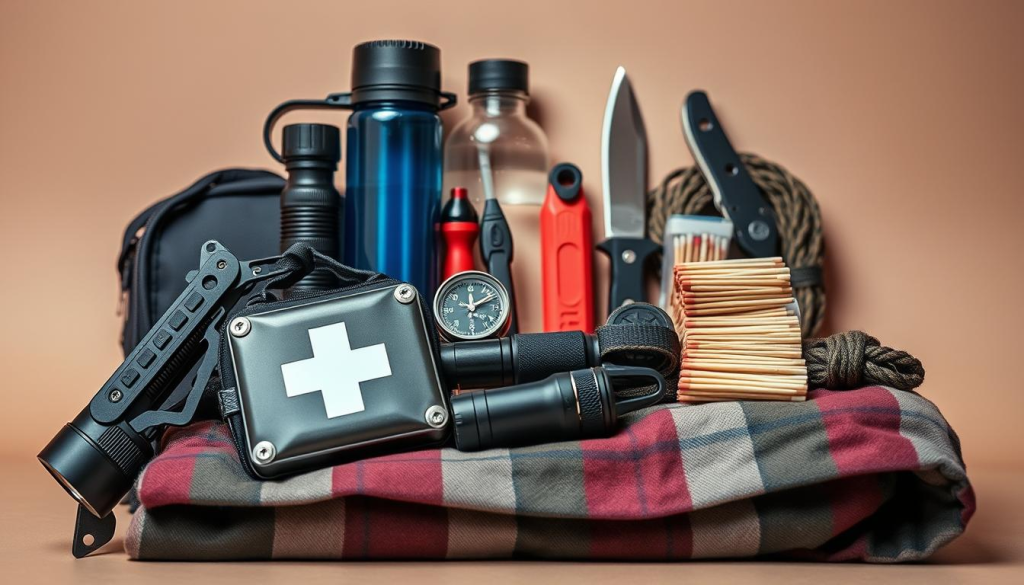
Flashlights and headlamps provide essential light after dark, allowing individuals to navigate, perform tasks, and signal for help if needed. When choosing a flashlight or headlamp, look for one that is energy-efficient, waterproof, and has a red light mode to preserve night vision.
Rope and Cordage
Rope and cordage are critical for a variety of tasks, including shelter construction, creating a makeshift tow line, and securing gear. Durable, versatile rope and cordage can significantly enhance survival capabilities. Consider including a variety of lengths and types to cover different needs.
By incorporating these essential tools and equipment into your bug out bag, you can significantly enhance your preparedness for emergencies and disasters, ensuring a more effective response to crisis situations.
Tracking and Security Items
In the realm of emergency preparedness, incorporating tracking and security items into your bug out bag is essential for maintaining personal security and ensuring access to vital documents. These items can make a significant difference in your ability to navigate through and respond to emergency situations effectively.
Identification and Important Documents
Having the right identification and important documents is crucial. These documents should include insurance papers, identification cards, and any other critical documents that may be necessary during an emergency. It’s advisable to store these documents in a waterproof container to protect them from damage.
Backup Power Sources
Backup power sources, such as portable chargers, are vital for keeping your devices operational. This is particularly important for communication and navigation tools that rely on battery power. Ensuring you have a reliable means to charge your devices can be a significant advantage during prolonged emergencies.
Security Measures for Your Pack
Incorporating security measures into your bug out bag can enhance your personal safety. Items like pepper spray can serve as a deterrent or defense against potential threats. It’s essential to choose security measures that are legal and appropriate for your situation.
| Item | Description | Importance Level |
|---|---|---|
| Waterproof Document Container | Protects important documents from water damage | High |
| Portable Charger | Keeps devices charged during emergencies | High |
| Pepper Spray | Serves as a self-defense mechanism | Medium |
Tailoring Your Bug Out Bag for Family Needs
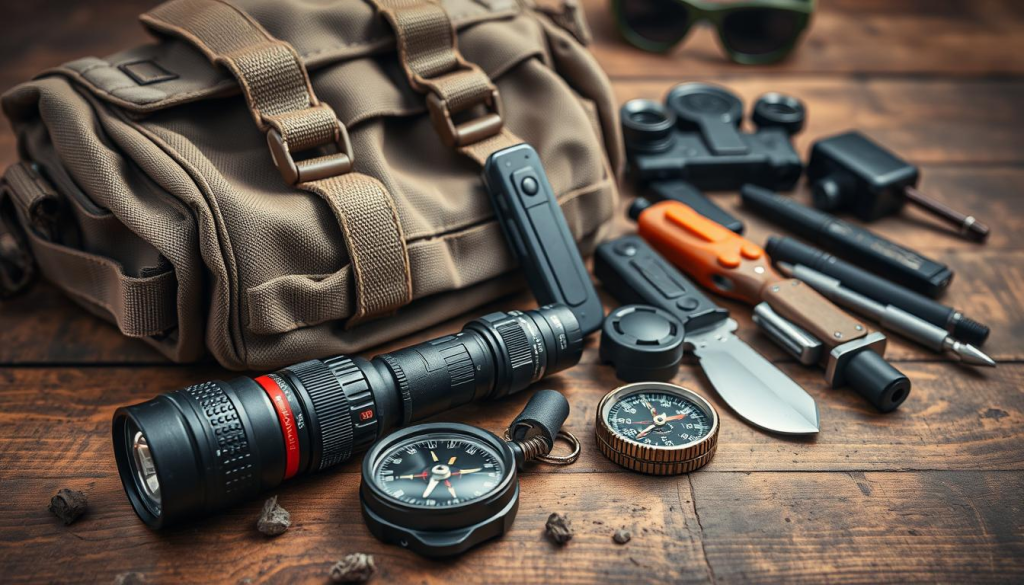
Tailoring your bug out bag to meet the specific needs of your family members is essential for survival. A well-prepared bug out bag can make a significant difference in emergency situations, ensuring that everyone’s needs are met.
Kids’ Essentials
When preparing a bug out bag for families, it’s crucial to include items that cater to the needs of children. These may include:
- Diapers and formula
- Child-friendly entertainment such as books or games
- Comfort items like a favorite toy or blanket
- Child-specific medications and first aid supplies
Childcare essentials can quickly add bulk to your bug out bag, so it’s essential to pack them efficiently. Consider using compact or multi-use items to save space.
Supplies for Pets
Pets are part of the family, and their needs should not be overlooked. Essential supplies for pets include:
| Pet Supply | Description |
|---|---|
| Pet Food | Enough non-perishable food for at least 3 days |
| Water | A portable water bowl and enough water for 3 days |
| Medications | Any necessary prescription medications and vaccination records |
Don’t forget to include a pet first aid kit and consider a portable pet carrier for safe transport.
Group Coordination Supplies
In emergency situations, staying together as a family is crucial. Group coordination supplies can help achieve this:
- A two-way radio or other communication device
- A pre-arranged meeting point in case you get separated
- Maps of the area
- A list of emergency contact numbers
Effective communication is key to ensuring that family members can reunite or stay informed. Make sure to include batteries or a portable charger for your communication devices.
Regular Maintenance and Updates for Your Bug Out Bag
A well-maintained bug out bag is crucial for effective emergency preparedness. Regular checks and updates ensure that your kit remains relevant and functional.
Checking Expiration Dates
Regularly inspect your bug out bag packing list for expired items, such as food, water, and medical supplies. Replace these items to maintain the effectiveness of your emergency survival kit contents.
Seasonal Adjustments
Update your bug out bag seasonally to account for varying weather conditions. Include clothing and gear suitable for the upcoming season to ensure you’re prepared for any situation.
Training and Preparedness Drills
Conduct regular training and preparedness drills to enhance your ability to respond effectively in emergency situations. This will help you stay familiar with your disaster preparedness checklist and ensure a swift response when needed.
By following these maintenance tips, you can trust that your bug out bag is ready to support you and your family during an emergency.