
In emergency situations, having the right gear can be the difference between life and death. A bug out bag is a portable emergency kit that contains essential items to help individuals survive during disasters or emergencies.
This kit is also known as a 72-hour kit or a survival kit, and its primary purpose is to provide vital supplies during the initial stages of a disaster. The importance of having such a kit cannot be overstated, as it enables individuals to respond effectively to emergencies.
Key Takeaways
- A bug out bag is crucial for emergency preparedness.
- It should contain essential items for survival.
- A well-prepared kit can sustain individuals for at least 72 hours.
- It’s also known as a 72-hour kit or survival kit.
- Having the right gear can significantly improve survival chances.
What is a Bug Out Bag?
Understanding the concept of a bug out bag is essential for effective disaster preparedness. A bug out bag, often abbreviated as BOB, is a portable collection of essential items that an individual can quickly grab in case of an emergency or disaster, enabling them to survive for at least 72 hours.
Definition and Purpose
A bug out bag is designed to be a short-term survival kit that provides individuals with the necessary tools to survive during emergencies. Its primary purpose is to ensure that one has the essential supplies and tools needed to respond to a disaster effectively.
The contents of a bug out bag typically include emergency preparedness gear such as food, water, first aid supplies, and communication tools. The specific items may vary based on the anticipated emergencies in one’s area, personal needs, and the number of people the bag is intended to support.
Importance in Emergency Situations
In emergency situations, having a bug out bag ready can be crucial. It allows individuals to evacuate quickly and safely, providing them with the necessary resources to survive until help arrives or until they can reach a safe location.
- A bug out bag helps in responding to natural disasters such as hurricanes, earthquakes, and floods.
- It provides essential supplies during man-made emergencies like power outages or chemical spills.
- Having a BOB ensures that one is prepared for unexpected events, reducing reliance on external aid during the initial response.
By including a well-thought-out bug out bag checklist in one’s emergency preparedness plan, individuals can significantly enhance their ability to cope with disasters. It’s a proactive step towards ensuring personal and family safety.
Key Items to Include in Your Bug Out Bag
To ensure you’re ready for any situation, your bug out bag should be stocked with essential supplies. A well-prepared bag can be the difference between survival and peril in emergency situations.
Food and Water Supplies
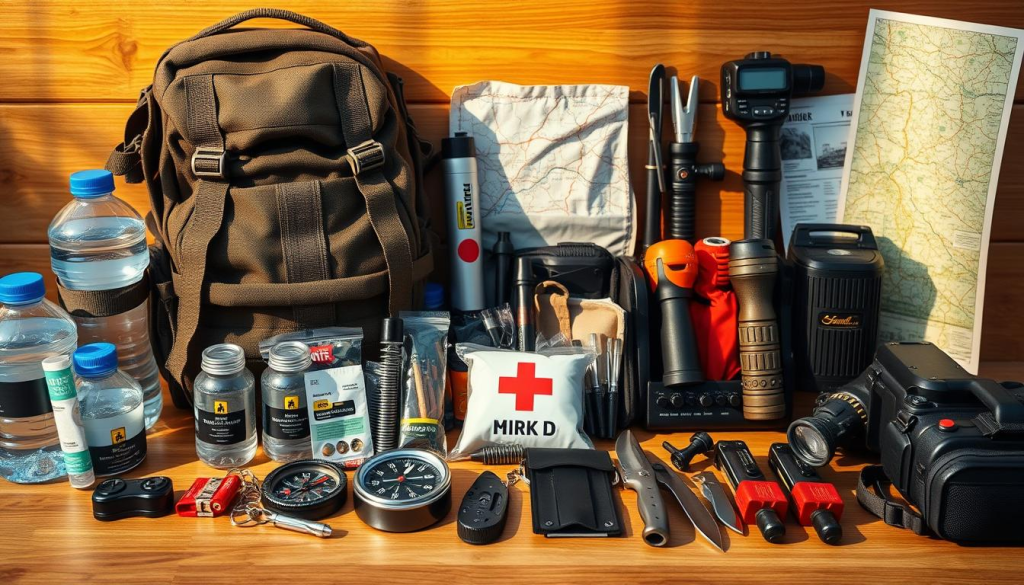
Non-perishable food items are crucial for sustaining energy and nutrition. Consider including canned goods, dried fruits, and nuts. It’s also vital to have a reliable means of accessing clean water, such as water purification tablets or a portable filter.
Having at least three days’ worth of food and water is recommended. This should be enough to sustain you while you navigate to a safer location or until help arrives.
First Aid Kit
A comprehensive first aid kit is indispensable in a bug out bag. It should include bandages, antiseptic wipes, pain relievers, and any personal medications. This kit will help you treat minor injuries and prevent infections.
Regularly check and update your first aid kit to ensure all items are still usable and not expired.
Clothing Essentials
Packing the right clothing can help you adapt to various environmental conditions. Include moisture-wicking clothing, a waterproof jacket, and sturdy boots. These items will help keep you dry and comfortable.
Consider the climate and region you are in and adjust your clothing accordingly. Layering is key to maintaining body heat and staying cool.
Choosing the Right Bag for Your Needs
When it comes to emergency preparedness, the bag you choose is just as important as the gear you pack. A bug out bag is more than just a container; it’s a critical component of your survival strategy.
Size and Capacity
The size of your bug out bag is a crucial factor. It should be large enough to hold all your essential items but not so large that it becomes cumbersome. A good rule of thumb is to consider the length of time you are preparing for and the amount of gear you need.
- Small Bags (20-30 liters): Suitable for short trips or minimalist packers.
- Medium Bags (30-50 liters): Ideal for most bug out scenarios, offering a balance between capacity and mobility.
- Large Bags (50+ liters): Best for extended survival situations or for those who need to carry a lot of gear.
Durability and Material Options
The durability of your bug out bag depends on the materials used. Look for bags made from heavy-duty, water-resistant materials like nylon or polyester.
Key Features to Consider:
- Reinforced stitching for added durability.
- Water-resistant zippers to protect your gear.
- MOLLE webbing for attaching additional gear.
Additional Features to Consider
Modern bug out bags come with a variety of features that can enhance their functionality. Consider a bag with multiple compartments to keep your gear organized, or one with a hydration sleeve for easy access to water.
- Padded Back and Straps: For comfort during extended wear.
- Reflective Materials: To increase visibility in low light conditions.
- External Attachment Points: For securing additional gear.
By carefully considering these factors, you can choose a bug out bag that meets your needs and enhances your emergency preparedness.
Food and Water Solutions for Your Loadout
In the face of a disaster, having the right food and water solutions in your bug out bag can be a lifesaver. When emergencies arise, access to nutritious food and clean water becomes a top priority.
Selecting the appropriate non-perishable foods is crucial. Options like energy bars, freeze-dried meals, and MREs (Meals Ready to Eat) are highly recommended due to their long shelf life, nutritional value, and lightweight characteristics.
Types of Non-Perishable Foods
When choosing non-perishable foods, consider the caloric needs, dietary restrictions, and the ease of preparation. Some of the best options include:
- Dried fruits and nuts
- Canned goods (vegetables, fruits, and meats)
- Ready-to-eat meals like MREs
- Energy bars for quick energy boosts
In addition to food, having a reliable means of accessing clean drinking water is vital. This is where water filtration and purification methods come into play.
Water Filtration and Purification Methods
There are several effective methods for ensuring access to safe drinking water:
- Water filters that can remove particulate and biological contaminants
- Purification tablets or liquids that kill bacteria and viruses
- Boiling water, which is a simple yet effective method to purify water
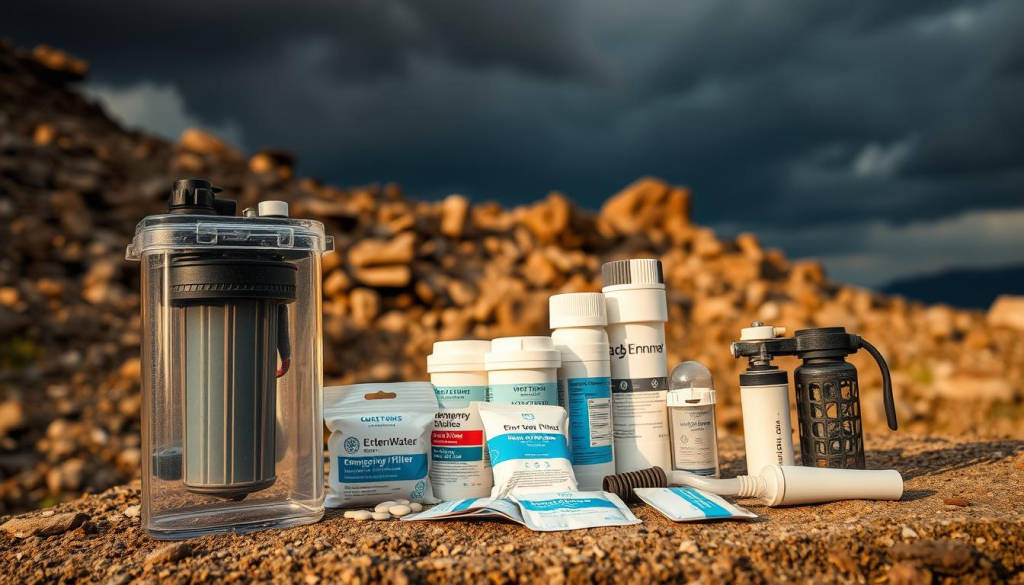
By incorporating these food and water solutions into your bug out bag, you can significantly enhance your chances of survival during emergencies. It’s about being prepared with the survival kit essentials that matter most.
First Aid and Medical Supplies
First aid and medical supplies are vital components of a bug out bag, enabling you to respond to emergencies and maintain health. In any crisis, the ability to treat injuries and manage medical conditions can be the difference between recovery and serious health complications.
Essential First Aid Items
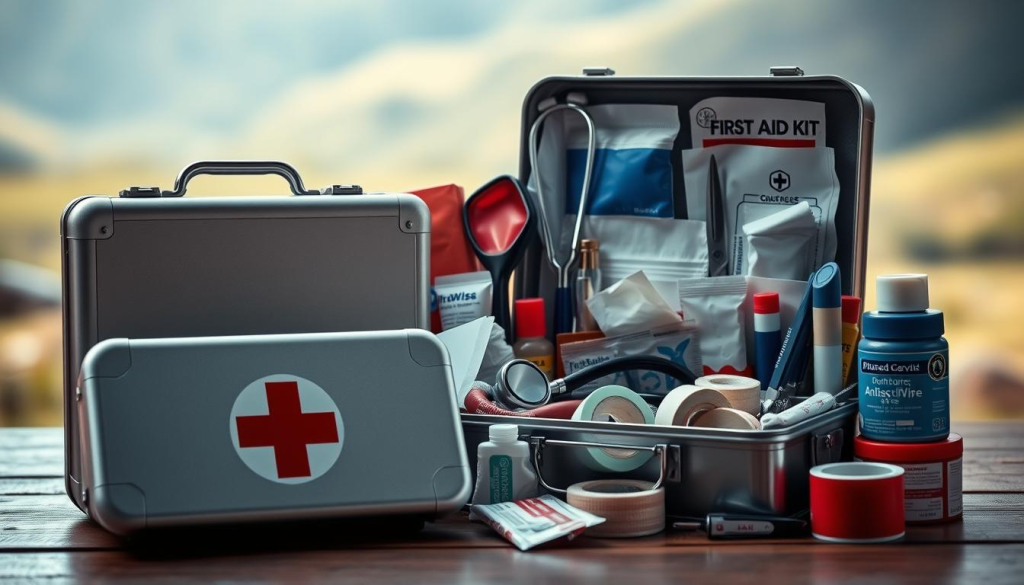
A basic first aid kit should include a variety of bandages and wound care supplies, such as adhesive bandages, gauze pads, and rolled gauze. Antiseptic wipes and ointments are also crucial for preventing infection in wounds.
Other essential items include pain relievers like acetaminophen or ibuprofen, antihistamines for allergic reactions, and any medications needed for specific medical conditions.
Medications and Personal Health Needs
It’s equally important to consider personal health needs and pack accordingly. This includes any prescription medications, along with supplies for managing chronic conditions, such as diabetes or asthma.
Don’t forget to include a first aid manual or guide, which can provide valuable instructions on how to treat various injuries and conditions.
By focusing on first aid and medical supplies, you can ensure that your bug out bag is equipped to handle a wide range of emergencies, enhancing your overall emergency preparedness gear and survival kit essentials.
Clothing and Protective Gear
Clothing and protective gear are vital components of a bug out bag loadout, providing the necessary protection against the elements. When assembling your emergency supplies list, it’s crucial to consider the types of clothing and gear that will best suit your needs in various survival scenarios.
Weather-Appropriate Clothing
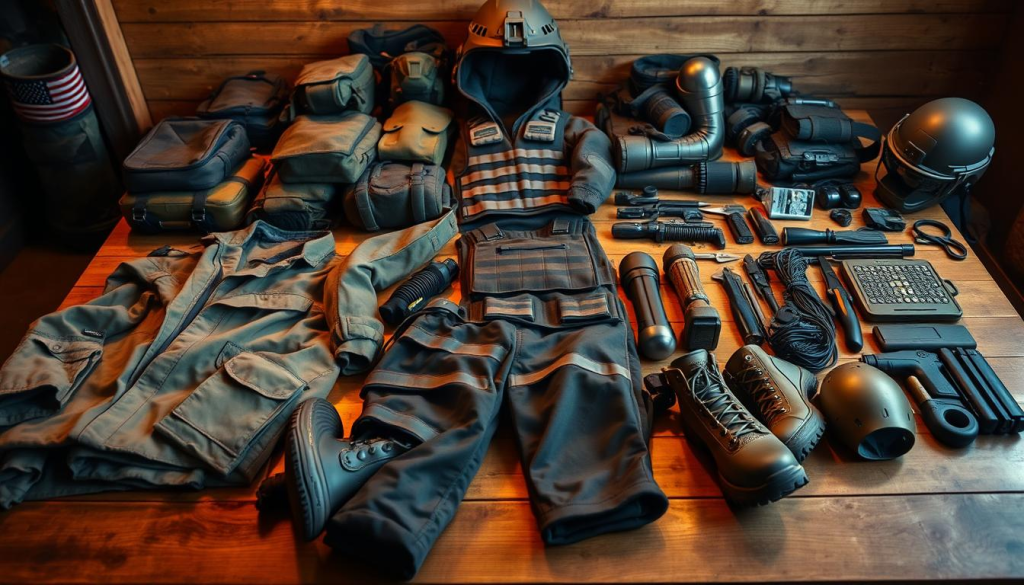
Weather-appropriate clothing is a cornerstone of any effective bug out bag. Including a mix of lightweight, breathable items and warmer, insulating layers can help you adapt to different environmental conditions. Moisture-wicking fabrics are particularly useful as they help keep you dry and comfortable. Consider packing clothing that can be layered, such as fleece jackets and waterproof ponchos, to ensure you’re prepared for changing weather conditions.
Footwear Considerations
Footwear is another critical aspect of your bug out bag loadout. Sturdy, comfortable boots or shoes that are suitable for hiking and walking long distances are essential. Look for footwear with good ankle support and waterproofing to protect your feet from the elements and potential hazards like sharp rocks or thorns. Including extra socks and foot care items like moleskin for blisters can also enhance your comfort and mobility.
Emergency Gear and Tools
In addition to clothing, incorporating emergency gear and tools into your bug out bag can significantly enhance your survival capabilities. Items like multi-tools, fire starters, and emergency blankets can provide critical assistance in a variety of situations. A portable shelter or lightweight tent can also offer protection from the elements. When organizing your tactical backpack, ensure that these items are easily accessible and that you are familiar with their use.
By carefully selecting and organizing your clothing and protective gear, you can create a bug out bag loadout that is well-prepared to handle a range of emergency situations. Regularly reviewing and updating your gear will help ensure that you remain prepared for whatever challenges you may face.
Navigation and Communication Tools
The ability to navigate and communicate effectively is a cornerstone of disaster preparedness, making these tools indispensable in a bug out bag. In emergency situations, being able to find your way and stay informed can significantly impact your safety and survival.
Maps and Compasses
Maps and compasses are fundamental navigation tools. Even with advanced GPS technology, these traditional methods remain reliable and essential for navigating through unfamiliar or challenging terrains.
- Maps: Detailed topographic maps can help identify safe routes, water sources, and potential hazards.
- Compasses: A compass provides direction, which is critical when visibility is low or when electronic devices fail.
Emergency Radios
Staying informed about the situation on the ground is crucial. Emergency radios can receive critical updates, weather alerts, and news, helping you make informed decisions.
“In the event of a disaster, a reliable radio can be your lifeline to the outside world, providing vital information and updates.”
Personal Locator Beacons
For those venturing into remote areas, Personal Locator Beacons (PLBs) can be a lifesaver. These devices send a distress signal to emergency responders in case of a serious emergency.
- PLB Functionality: PLBs use satellite networks to send your location to rescue teams, ensuring a quicker response.
- Considerations: When choosing a PLB, consider battery life, durability, and registration requirements.
Shelter and Warmth Essentials
In emergency situations, shelter and warmth are crucial for survival, making them key components of your bug out bag. A well-prepared bug out bag should include items that provide protection from the elements and help maintain body heat.
Portable Shelters and Tents
A portable shelter or tent is a vital component of your bug out bag loadout. It provides immediate protection from weather conditions such as rain, wind, and sun exposure. When selecting a tent, consider its durability, water resistance, and ease of setup. Look for tents made from lightweight, high-quality materials that can withstand various environmental conditions.
Sleeping Bags and Blankets
Sleeping bags and blankets are essential for maintaining warmth during cold nights. Choose a sleeping bag with a comfort temperature rating suitable for the climate you expect to be in. Consider a bag that is compact, lightweight, and has a waterproof outer layer. Emergency blankets, such as those made from Mylar, are also valuable for retaining body heat and can be a compact addition to your emergency supplies list.
Fire Starting Tools
Fire starting tools are critical for warmth, cooking, and signaling. Include a reliable fire starter such as waterproof matches, a lighter, or a ferrocerium rod in your survival kit essentials. These tools will help you start a fire even in damp or wet conditions, ensuring you can stay warm and cook food.
By incorporating these shelter and warmth essentials into your bug out bag, you’ll be better prepared to face unexpected situations and survive in challenging environments.
Self-Defense and Safety Equipment
A well-prepared bug out bag includes essential self-defense and safety equipment to protect you in crisis situations. In emergencies, the ability to defend oneself can be crucial. Personal safety items and defensive tools are vital components of this category.
Personal Safety Items
Personal safety items are designed to deter or distract potential threats, giving you time to escape or seek help. Examples include:
- Pepper spray, a non-lethal deterrent effective against attackers.
- Whistles, which can signal for help or distract an assailant.
- Personal alarms that emit a loud noise to deter attackers.
These items are compact, easy to use, and can be crucial in emergency situations. As James Smith, a survival expert, notes, “The key to personal safety is being prepared and knowing how to use your equipment effectively.”
Defensive Tools for Emergencies
In addition to personal safety items, defensive tools can provide an added layer of protection. These can range from:
- Firearms, for those trained in their use.
- Less lethal options like batons or stun guns.
It’s essential to understand the legal implications and proper use of these tools.
“The right to self-defense is fundamental, but it must be exercised responsibly,”
according to
.
When selecting self-defense and safety equipment for your bug out bag, consider the following:
- Legal restrictions on certain items.
- Your personal comfort and proficiency with the equipment.
- The potential for the item to be used effectively in a crisis.
By carefully choosing and understanding how to use self-defense and safety equipment, you can enhance your personal safety during emergencies. This equipment, combined with other essentials in your bug out bag, can significantly improve your chances of navigating a crisis successfully.
Maintenance and Regular Updates for Your Loadout
A bug out bag is only effective if it’s properly maintained and updated. Regular checks and inventory are crucial to ensure that all items are still usable and not expired.
Checking Your Supplies
Schedule routine checks every 6 months to inspect your emergency supplies list, including food, water, and medical supplies. Check expiration dates and replace items as needed to maintain a reliable bug out bag checklist.
Replacing Items and Adapting to Needs
Replace batteries, update medications, and refresh your survival kit essentials as necessary. Consider seasonal needs, such as warm clothing in winter or insect repellent in summer, to ensure your loadout remains relevant.
By regularly updating your bug out bag, you’ll be better prepared to face unexpected emergencies and ensure your survival kit essentials are always ready.