
Being prepared for emergencies is crucial, as highlighted during the COVID-19 pandemic. Having a well-stocked emergency survival kit can make a significant difference in critical situations.
A bug out kit typically includes essential items that can help individuals survive for a certain period. The key is to have the right bug out kit essentials that cater to basic needs such as food, water, first aid, and communication.
To simplify the preparation process, a comprehensive bug out bag list is available for download in PDF format, providing a checklist of necessary items to include.
Key Takeaways
- Understand the importance of having a bug out bag.
- Learn the essential items to include in your emergency kit.
- Access a downloadable PDF checklist for your bug out bag.
- Prepare for emergencies with a well-stocked survival kit.
- Ensure you have the necessary items for basic needs.
What is a Bug Out Bag?
Understanding what a bug out bag is and its significance in emergency preparedness is vital for individuals looking to safeguard themselves and their loved ones. A bug out bag, also known as a 72-hour kit, is a disaster preparedness backpack that contains essential items needed to survive during a crisis.
The concept of ‘bugging out’ refers to the decision to abandon one’s home in response to an unexpected emergency situation, whether it’s a natural disaster or a man-made crisis. In such scenarios, having a well-prepared bug out bag can be lifesaving.
Definition and Purpose
A bug out bag is designed to provide individuals with the necessary tools and supplies to survive for at least 72 hours. The purpose of a bug out bag is to enable quick evacuation and sustain life during the initial stages of an emergency. It typically includes must-have bug out items such as food, water, first aid supplies, and communication tools.
Importance in Emergency Preparedness
The importance of a bug out bag in emergency preparedness cannot be overstated. It serves as a critical component of a comprehensive emergency plan, allowing individuals to respond effectively in the face of disaster. By having a bug out bag ready, individuals can minimize risks and enhance their chances of survival.
To further emphasize the importance of being prepared, consider the following key aspects:
- Having a printable bug out bag checklist can help ensure that all essential items are included.
- Regularly updating and checking the contents of the bug out bag is crucial.
- Understanding the specific needs of family members, including pets, is vital when assembling a bug out bag.
By understanding the definition, purpose, and importance of a bug out bag, individuals can take proactive steps towards enhancing their emergency preparedness.
Key Considerations When Assembling Your Bag
Creating an effective bug out bag involves more than just throwing supplies into a backpack; it demands a thoughtful approach. When preparing for emergencies, it’s essential to consider several key factors that will influence the contents and structure of your bug out bag.
Size and Weight
The size and weight of your bug out bag are critical factors that determine its portability and comfort. A bag that is too large or too heavy can be cumbersome, making it difficult to move quickly in emergency situations. Conversely, a bag that is too small may not hold all the necessary supplies.
Tips for Choosing the Right Size:
- Consider the duration you need to survive: A 72-hour emergency kit list might require less space than a bag intended for longer-term survival.
- Assess your personal needs: Individuals with specific medical conditions may need more space for their supplies.
- Balance between size and weight: Aim for a bag that is large enough to hold essentials but light enough to carry comfortably.
Personal Needs Assessment
Understanding your personal needs is vital when assembling a bug out bag. This involves considering your health, the climate you might be in, and any specific requirements you or your family members might have.
Key Considerations:
- Medical needs: Include any necessary medications and first aid supplies tailored to your health conditions.
- Climate and environment: Pack clothing and gear suitable for the expected weather conditions and terrain.
- Family and pets: If you have family members or pets, their needs should also be taken into account, including diapers, formula, or pet food.
By carefully considering these factors, you can create a bug out bag that is tailored to your needs, ensuring you’re better prepared for emergencies. Refer to a bug out bag contents PDF or a bug out bag supplies checklist to help guide your preparations.
Essential Bug Out Bag Items
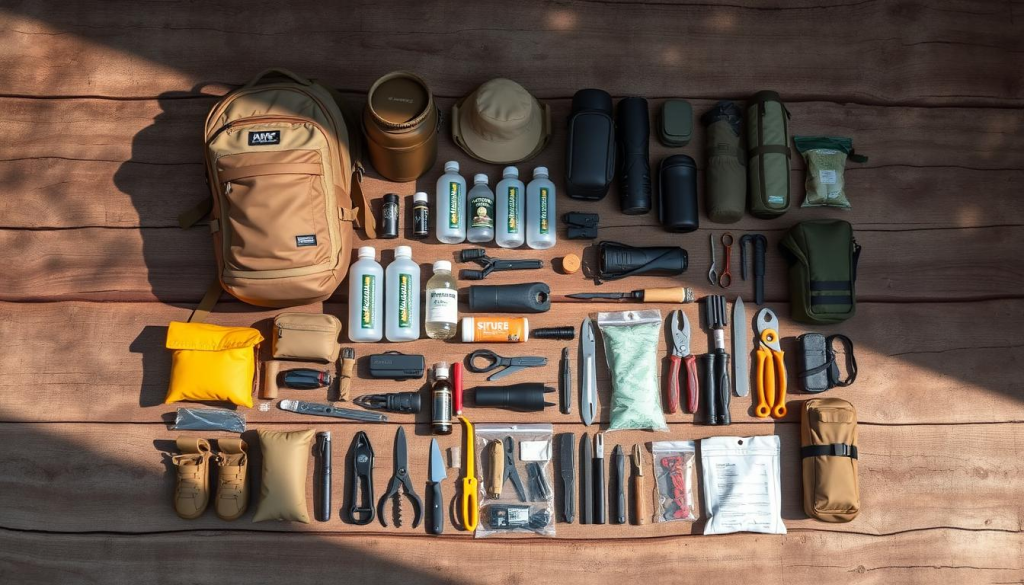
When assembling a bug out bag, it’s crucial to include essential items that can significantly increase your chances of survival during emergencies. The right equipment can make a substantial difference in your ability to respond to and recover from a disaster.
Water and Water Filtration
Having access to clean drinking water is paramount. Water purification tablets or a portable water filter can ensure that you have a reliable source of drinking water. Consider including a water storage container to carry and store water.
- Water purification tablets
- Portable water filter
- Water storage container
According to survival experts, having at least one liter of water per person per day is recommended. In addition, a water filtration system can be a lifesaver in case you need to source water from questionable sources.
Food and Nutrition
Packing the right food is critical for sustaining energy and nutrition. Non-perishable, high-calorie foods are ideal. Consider including a portable stove or camping equipment for cooking.
- Non-perishable food items (e.g., energy bars, canned goods)
- Portable stove or camping equipment
- Utensils and cooking pot
As noted by emergency preparedness guides, “having a reliable food source can significantly boost morale and energy levels during a crisis.”
First Aid Supplies
A well-stocked first aid kit is indispensable in treating injuries and preventing infections. Include bandages, antiseptic wipes, pain relievers, and any personal medications.
- Bandages and band-aids
- Antiseptic wipes and ointment
- Pain relievers and antihistamines
- Personal medications
Regularly check your first aid supplies to ensure they are not expired and are still usable. As emphasized by first aid experts, “a well-maintained first aid kit can be the difference between a minor injury and a serious condition.”
By focusing on these essential items, you can create a bug out bag that is well-equipped to handle a variety of emergency situations. Remember, the key to survival is being prepared.
Tools and Gear to Include
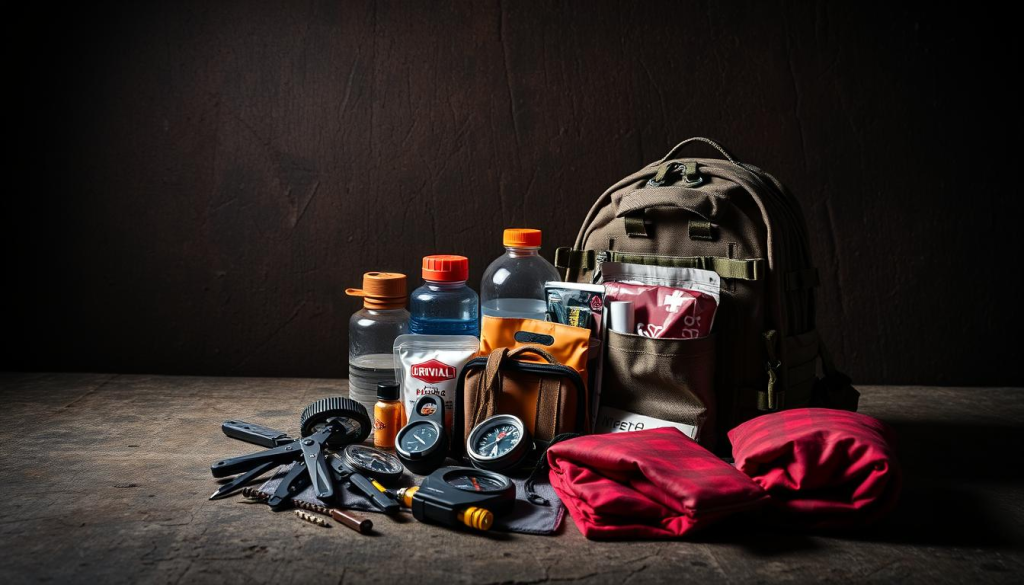
The effectiveness of your bug out bag largely depends on the tools and gear you include, which are essential for survival and navigation. In a disaster scenario, having the right equipment can make a significant difference in your ability to respond and adapt.
Multi-tools and Knives
A multi-tool or pocket knife is a vital component of any bug out bag. The Leatherman Signal is a highly recommended multi-tool that offers a variety of functions, including a knife blade, saw, and fire starter. These features can help you tackle a range of tasks, from cutting through debris to starting a fire for warmth and cooking.
Flashlights and Batteries
A reliable flashlight is crucial for navigating in the dark. The Olight Seeker4 Pro Flashlight is a robust option that provides bright illumination and is designed for durability. Don’t forget to include extra batteries to ensure your flashlight remains operational when needed.
Fire Starting Tools
Fire starting tools are essential for warmth, cooking, and signaling. Including a fire kit in your bug out bag can be lifesaving. There are various fire starting methods, including lighters, matches, and ferrocerium rods. It’s a good idea to include more than one method to ensure you have a backup in case one fails.
By incorporating these tools and gear into your bug out bag, you’ll be better prepared to face challenging situations and increase your chances of survival. Remember, the key to an effective bug out bag is not just the items you include, but also how well you maintain and update it.
Clothing and Personal Items
Clothing and personal items are vital components of a bug out bag, ensuring comfort and hygiene during a crisis. When selecting these items, it’s essential to consider the potential scenarios you might face and pack accordingly.
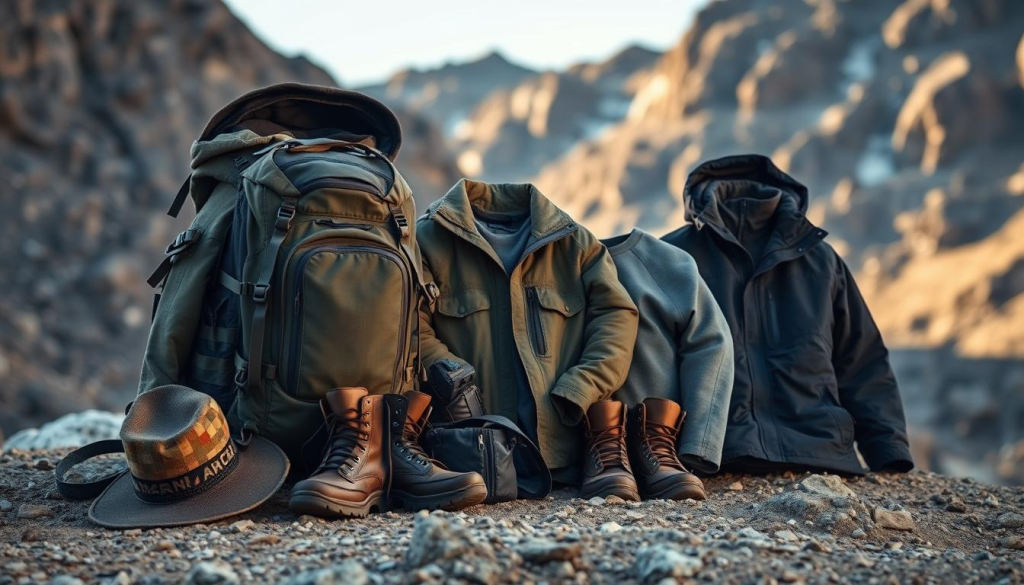
Weather-Appropriate Clothing
The clothing you pack should be suitable for various weather conditions. Layering is key, as it allows you to adjust your clothing to suit different temperatures. Include a mix of lightweight and insulating layers, as well as waterproof gear.
- Moisture-wicking base layers for colder conditions
- Breathable shirts and shorts for warmer weather
- A waterproof jacket and pants for rain or snow
- Warm hat and gloves for cold climates
When assembling your bug out bag, consider the 72-hour emergency kit list and ensure your clothing choices align with potential emergency scenarios.
Hygiene Products and Toiletries
Maintaining personal hygiene is crucial for health and morale. Pack a selection of hygiene products and toiletries, such as:
- Toothbrush and toothpaste
- Biodegradable soap for washing hands and body
- Wet wipes for personal hygiene when water is scarce
- Any personal hygiene items you use daily
These items should be compact and lightweight, making them easy to carry in your bug out bag. Remember, a well-stocked bug out bag supplies checklist includes essentials for both survival and personal hygiene.
By carefully selecting your clothing and personal items, you can ensure you’re prepared for a variety of situations, making your emergency survival gear checklist more effective.
Specialty Items for Specific Situations
In emergency preparedness, having the right bug out bag contents can be a lifesaver, especially for families and pets. Customizing your bug out bag with the right supplies can make a significant difference in how effectively you and your loved ones can respond to emergencies.
Bug Out Gear for Families
When preparing a bug out bag for families, it’s essential to consider the needs of all members, including children and the elderly. Must-have bug out items for families include:
- Extra clothing and layers for varying weather conditions
- Child and infant supplies, such as diapers and formula
- Medications and essential medical equipment for family members
- Important documents, such as identification and insurance cards, in a waterproof container
Families should also consider including games, books, or other entertainment for children to help keep them calm during stressful situations.
Considerations for Pets
Pets are an integral part of many families, and their needs should not be overlooked when assembling a disaster preparedness backpack. Essential items for pets include:
- Food and water for at least three days
- Bowls and a manual can opener
- Pet carriers or crates
- Leashes and collars with identification tags
- Pet first aid kits
It’s also a good idea to include a pet emergency kit with veterinary records and any necessary medications.
For those looking to further customize their bug out bags, downloading a bug out bag contents PDF checklist can be incredibly helpful. This can provide a comprehensive guide to ensuring that all necessary items are included.
How to Choose the Right Backpack
A well-chosen backpack is the foundation of an effective bug out bag, providing the necessary space and durability for your survival gear. When selecting a backpack, it’s essential to consider several factors to ensure it meets your needs during emergencies.
Features to Look For
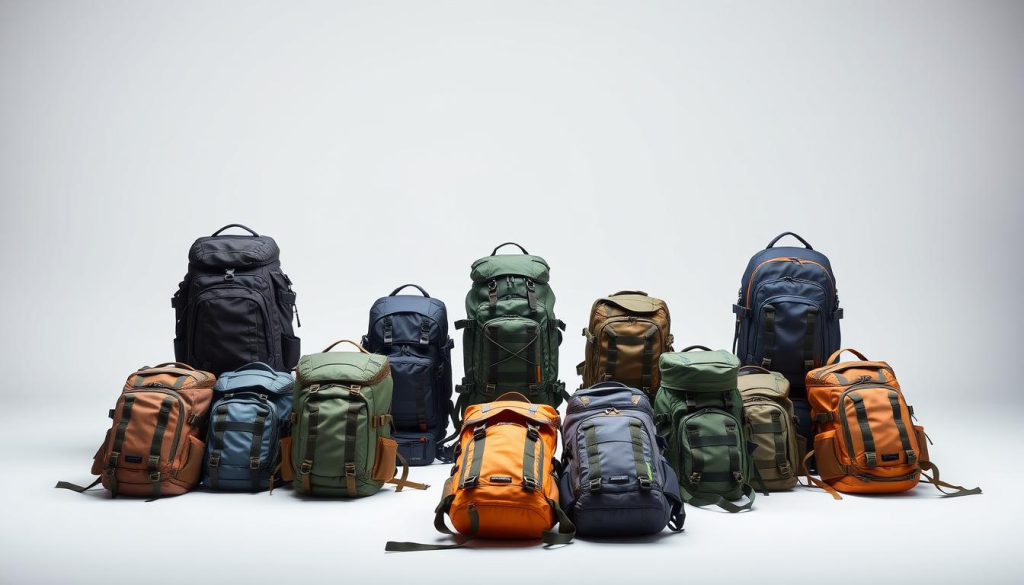
When choosing a backpack for your bug out bag, several features are crucial. Durability is paramount; the material should be robust and water-resistant to protect your gear. Comfort is another key aspect, as you’ll be wearing the backpack for potentially extended periods. Look for padded shoulder straps and a hip belt to distribute the weight evenly.
Additionally, consider the organizational features of the backpack. Multiple compartments and pockets can help keep your gear organized and easily accessible. Some backpacks also come with MOLLE (Modular Lightweight Load-carrying Equipment) systems, allowing you to attach additional pouches and gear as needed.
Recommended Brands
Several brands are renowned for producing high-quality backpacks suitable for bug out bags. 5.11 Tactical is a popular choice among emergency preparedness enthusiasts, offering durable and versatile backpacks designed for tactical use. Another reputable brand is CamelBak, known for their hydration-focused backpacks that are ideal for long treks and survival situations.
Other notable brands include Maxpedition and GORUCK, both of which offer a range of backpacks with advanced features such as reinforced materials and ergonomic designs. When selecting a brand, consider your specific needs and preferences, and don’t hesitate to invest in a high-quality backpack that will serve you well in emergency situations.
“A good backpack is like a good friend; it’s always there for you, carrying your burdens so you don’t have to.” This quote resonates with the importance of choosing the right backpack for your bug out bag, emphasizing the role it plays in your overall preparedness.
Organizing Your Bug Out Bag
A well-organized bug out bag is the cornerstone of effective emergency preparedness. It’s not just about having the bug out kit essentials and must-have bug out items; it’s about ensuring that these items are easily accessible and usable when needed.
Importance of Efficient Packing
Efficient packing is crucial for maximizing space and minimizing weight in your bug out bag. This involves carefully selecting the 72-hour emergency kit list items that are most critical for survival. By prioritizing your needs, you can ensure that your bag is both compact and comprehensive.
- Use packing cubes or compression bags to organize your gear.
- Place frequently used items in easy-to-reach locations.
- Label your compartments for quick identification of contents.
Tips for Easy Access
Easy access to your bug out bag’s contents can be a lifesaver during an emergency. Consider the following tips:
- Store critical items like first aid supplies and water filtration systems in accessible pockets.
- Use clear pouches or bags to store small items, making them easier to find.
- Keep a checklist of your bag’s contents to ensure everything is accounted for.
By implementing these strategies, you can ensure that your bug out bag is not only fully stocked with the necessary items but also organized in a way that facilitates quick and easy access. This level of preparation can significantly enhance your ability to respond effectively in emergency situations.
Testing Your Bug Out Bag
Testing your bug out bag supplies checklist is a critical step in emergency preparedness. It’s not enough to simply assemble a bag and assume it will perform well in a crisis. You need to put it to the test to identify any weaknesses or gaps in your emergency survival gear checklist.
Conducting a Dry Run
A dry run involves simulating the conditions under which you would need to use your disaster preparedness backpack. This could mean wearing the bag and walking a significant distance, or testing the functionality of the items within it under various environmental conditions.
During the dry run, pay attention to the comfort and accessibility of the bag’s contents. Make sure that you can easily retrieve essential items, such as water, food, and first aid supplies. It’s also crucial to test the functionality of tools and gear, like flashlights, multi-tools, and fire starting equipment.
Adjusting Based on Experience
After conducting a dry run, you’ll likely identify areas for improvement. This might involve rearranging the bag’s contents for better accessibility, replacing items that didn’t perform as expected, or adding new items that you realized were missing.
It’s also essential to consider the weight and bulk of your bug out bag. If it’s too heavy or cumbersome, you may need to make adjustments to make it more manageable. This could involve distributing weight more evenly, using lighter alternatives for certain items, or streamlining your emergency survival gear checklist.
| Item | Performance | Adjustment |
|---|---|---|
| Water Filtration System | Effective but slow | Consider a backup system or improve filtering technique |
| First Aid Kit | Adequate but missing pain relievers | Add pain relievers and review kit contents regularly |
| Multi-tool | Functions well but bulky | Consider a lighter alternative or adjust packing |
By testing your bug out bag and making necessary adjustments, you can ensure that your disaster preparedness backpack is truly ready for any situation. Regular testing and updates will help you stay prepared and confident in your ability to respond to emergencies.
Maintaining Your Bug Out Bag
To ensure your bug out bag is ready when needed, regular maintenance is key. A well-maintained bug out bag can be the difference between safety and disaster during emergencies.
Regular Inventory Checks
Conducting regular inventory checks is crucial. This involves:
- Checking expiration dates of food, water, and medical supplies
- Ensuring that all equipment is in working order
- Verifying that clothing and personal items are still suitable and in good condition
Regular checks help identify items that need replacement or updating, ensuring your bug out bag remains effective.
Replacing Expired Items
Expired or near-expired items should be replaced promptly. This includes:
- Food and water supplies that are past their expiration dates
- Batteries that are no longer functional
- First aid supplies that have expired or been used
Using a printable bug out bag checklist can help streamline this process, ensuring that no critical items are overlooked.
By maintaining your bug out bag regularly, you can ensure it remains a reliable resource in emergency situations. For a comprehensive guide, consider downloading a bug out bag contents PDF to stay organized.
Additional Resources and References
To further enhance your emergency preparedness, consider exploring the following resources and references.
Books and Guides
Several books and guides can provide valuable insights into creating an effective bug out kit and enhancing your emergency survival gear checklist. Some highly recommended titles include:
- “The SAS Survival Handbook” by John Lofty Wiseman
- “When All Hell Breaks Loose” by Cody Lundin
- “98.6 Degrees: The Art of Keeping Your Ass Alive” by Cody Lundin
| Book Title | Author | Focus Area |
|---|---|---|
| The SAS Survival Handbook | John Lofty Wiseman | Survival Techniques |
| When All Hell Breaks Loose | Cody Lundin | Disaster Survival |
| 98.6 Degrees: The Art of Keeping Your Ass Alive | Cody Lundin | Wilderness Survival |
Online Communities and Forums
Engaging with online communities and forums can be a great way to learn from others who share your interest in disaster preparedness backpacks and emergency preparedness. Some recommended platforms include:
- Reddit’s r/preppers and r/survival
- Survival Life Forum
- Backdoor Survival Forum
These resources can provide a wealth of information and support as you continue to build and refine your emergency preparedness plan.
Download Your Bug Out Bag Checklist PDF
Having a comprehensive bug out bag is crucial for emergency preparedness. To ensure you’re fully equipped, download our bug out bag checklist PDF, which includes a detailed list of essential items to include in your bag.
Streamline Your Preparation
A printable bug out bag checklist allows you to efficiently organize and verify the contents of your bag. By having a physical list, you can easily check off items as you pack them, ensuring that you don’t forget anything crucial.
Effective Use of the Checklist
To maximize the benefits of our bug out bag contents PDF, review it regularly and update your bag accordingly. Use the checklist to conduct regular inventory checks, replacing expired or damaged items to maintain your bag’s readiness.
By downloading our printable bug out bag checklist, you’ll be better prepared to face emergencies with confidence. Get your bug out bag list pdf today and take the first step towards securing your safety.