
In emergency preparedness, having the right gear can be a matter of life and death. A portable emergency kit, often referred to as a bug out bag, is designed to help individuals survive for at least 72 hours during a disaster or emergency situation.
This emergency survival kit should contain essential items that cater to basic needs such as food, water, shelter, and first aid. The concept of a bug out bag is simple yet crucial in ensuring survival during crises.
Understanding what constitutes wilderness gear essentials is vital in preparing an effective emergency kit. By including the right supplies, individuals can significantly enhance their chances of survival.
Key Takeaways
- Understanding the concept of a bug out bag is crucial in emergency preparedness.
- A bug out bag should contain essential items for survival.
- Basic needs such as food, water, shelter, and first aid should be catered to.
- Wilderness gear essentials are vital in preparing an effective emergency kit.
- A well-prepared bug out bag can significantly enhance survival chances.
Understanding the Importance of a Bug Out Bag
Understanding the role of a bug out bag is vital for effective emergency planning. A bug out bag, often referred to as a prepper backpack, is designed to contain essential items necessary for survival during emergencies or natural disasters.
What Is a Bug Out Bag?
A bug out bag is a portable kit that includes vital supplies such as food, water, first aid materials, and shelter equipment. It’s designed to be easily carried and accessed in case of an emergency, providing individuals with the necessary tools to survive for a short period.
The contents of a bug out bag can vary based on individual needs, but typically include outdoor survival gear such as multi-tools, fire starters, and navigation devices.
Why You Need One
Having a bug out bag is crucial for being prepared for unexpected events such as natural disasters, power outages, or other emergencies. It ensures that you have the necessary supplies to sustain yourself and your family until help arrives or until the situation improves.
A well-prepared bug out bag can significantly enhance your ability to respond to emergencies effectively. It’s an essential component of a comprehensive emergency preparedness plan.
Scenarios for Usage
Bug out bags are useful in a variety of scenarios, including hurricanes, wildfires, earthquakes, and other natural disasters. They are also beneficial in situations where you might need to evacuate quickly, such as in cases of floods or toxic gas leaks.
By having a bug out bag checklist, you can ensure that you are always prepared to face unexpected challenges. This checklist should include essential items such as non-perishable food, water filtration systems, first aid supplies, and communication devices.
Choosing the Right Backpack for Your Bug Out Bag
A bug out bag is only as good as the backpack that carries it, making the selection process crucial for any survivalist. The right backpack can provide comfort, support, and durability, ensuring that you can evacuate quickly and efficiently in an emergency.
Size and Capacity Considerations
When choosing a backpack for your bug out bag, one of the first considerations should be its size and capacity. The backpack should be large enough to hold all your essential supplies, but not so large that it becomes cumbersome or difficult to manage.
- Capacity: Consider a capacity between 30-40 liters for short evacuations and up to 60 liters or more for longer-term survival situations.
- Size: Ensure the backpack is comfortable and fits well, with adjustable torso and hip belts to distribute the weight evenly.
Features to Look For
A good bug out bag backpack should have several key features to enhance its functionality and your comfort. Some of these features include:
- MOLLE (Modular Lightweight Load-carrying Equipment) system: Allows for the attachment of additional pouches and gear.
- Multiple Compartments: Helps in organizing your supplies and accessing them quickly.
- Water-Resistant Material: Protects your gear from the elements.
- Padded Hip and Shoulder Straps: Enhances comfort during extended wear.
Top Brands Recommended
Several brands are renowned for producing high-quality, durable backpacks suitable for bug out bags. Some of these include:
- 5.11 Tactical: Known for their rugged and versatile backpacks designed with the tactical user in mind.
- CamelBak: Offers a range of hydration-focused backpacks that are ideal for long missions.
- Deuter: Provides high-quality, comfortable backpacks with advanced ventilation systems.
By considering these factors and choosing a reputable brand, you can ensure that your bug out bag is carried in a backpack that is both reliable and comfortable.
Food and Water Supplies
In any emergency situation, having the right food and water supplies can be a lifesaver. When disaster strikes, being prepared with the essentials is crucial for survival.
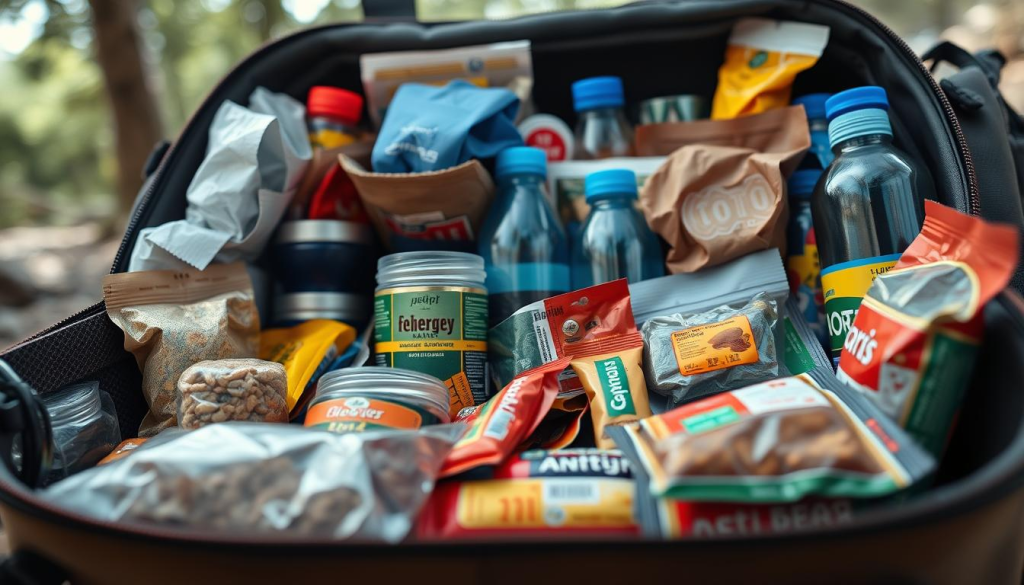
Non-Perishable Food Options
When it comes to stocking your bug out bag with food, non-perishable items are a must. These include:
- Energy bars
- Canned goods (vegetables, fruits, meats)
- Dried fruits and nuts
- MREs (Meals Ready to Eat)
These items are considered part of the wilderness gear essentials because they provide sustenance without the need for cooking or refrigeration.
Water Filtration Systems
Access to clean drinking water is vital. A water filtration system can ensure that you have safe drinking water, even in the most challenging environments. Options include:
- Portable water filters
- Water purification tablets
- UV water purifiers
Hydration Accessories
Staying hydrated is critical, and having the right hydration accessories can make a significant difference. Consider including:
- Collapsible water bottles
- Hydration bladders
- Water containers with built-in filters
These are part of the outdoor survival gear that can enhance your ability to stay hydrated on the go.
First Aid Supplies Every Bag Should Have
First aid supplies are a vital component of a bug out bag, enabling individuals to respond effectively to accidents and injuries. A well-stocked first aid kit can mean the difference between a minor issue and a major crisis, especially in survival situations where medical help may be far away.
Basic First Aid Kit Essentials
A basic first aid kit should include a variety of supplies to treat common injuries. These essentials typically comprise bandages, antiseptic wipes, pain relievers, and any other items that might be needed to address minor to moderate medical issues. It’s also wise to include a first aid manual to guide the user in treating various conditions.
- Bandages and band-aids in various sizes
- Antiseptic wipes and ointment
- Pain relievers such as acetaminophen or ibuprofen
- Antihistamines for allergic reactions
- A first aid manual or guidebook
Advanced Medical Supplies
For those who want to be better prepared, advanced medical supplies can provide additional capabilities to handle more serious injuries or conditions. These might include items like tourniquets, hemostatic agents, and suturing kits. While these supplies require more knowledge to use effectively, they can be invaluable in critical situations.
- Tourniquets for severe bleeding
- Hemostatic agents to promote clotting
- Suturing kits for closing wounds
- Prescription medications and equipment like EpiPens
Personal Medications
In addition to the general first aid supplies, it’s crucial to include any personal medications that might be needed. This includes prescription drugs, as well as any over-the-counter medications that are regularly used. Ensuring an adequate supply of these medications in your bug out bag can help maintain health and stability during a crisis.
When packing personal medications, consider the specific needs of all family members, including dosage instructions and any necessary equipment. Regularly checking expiration dates and updating your supply is also essential.
Shelter and Comfort Items
A well-prepared bug out bag includes essential shelter and comfort items to ensure survival and well-being. These items are crucial for protecting against the elements and maintaining physical and mental health during a crisis.
Emergency Blankets
Emergency blankets, also known as space blankets, are lightweight, compact, and designed to retain body heat. They are a vital component of any bug out bag, providing warmth in cold conditions. Look for blankets made from durable, waterproof materials that can withstand various environmental conditions.
Portable Sleeping Gear
Portable sleeping gear, such as sleeping bags or pads, offers additional comfort and warmth. When selecting sleeping gear, consider the climate and environment you are most likely to encounter. Lightweight, insulated options are ideal for a bug out bag, as they provide warmth without adding excessive weight.
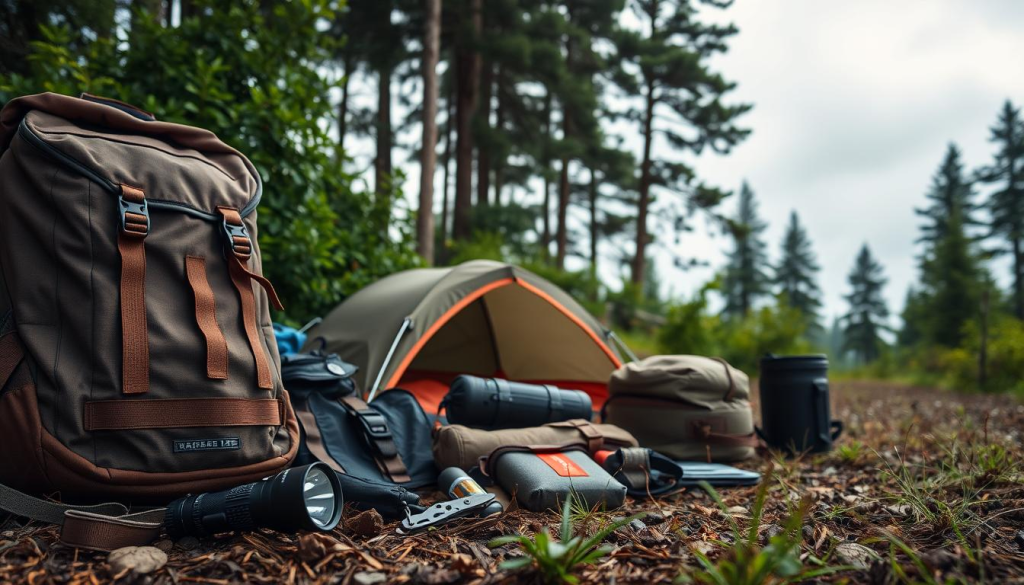
Multi-Use Tarps
Multi-use tarps are versatile and can serve multiple purposes, from providing shelter to acting as a ground cover or signaling device. When choosing a tarp, opt for one that is waterproof, durable, and sufficiently large to cover your needs. Consider tarps with grommets or reinforced edges for easier setup and added durability.
Including these shelter and comfort items in your bug out bag can significantly enhance your ability to survive and remain comfortable during emergencies. By focusing on wilderness gear essentials like emergency blankets, portable sleeping gear, and multi-use tarps, you can ensure a more effective response to disaster scenarios.
Tools and Gear for Survival
Equipping yourself with the right survival tools and gear is essential for any emergency. The right equipment can significantly increase your chances of survival by providing you with the means to address various challenges, from starting a fire to navigating through unfamiliar terrain.
Essential Multi-Tools
A multi-tool is a versatile device that combines several tools into one compact unit. It is an indispensable item in any bug out bag. Look for a multi-tool that includes features such as a knife, pliers, screwdriver, and scissors. Brands like Leatherman and Gerber are well-regarded for their quality and durability.
When selecting a multi-tool, consider the weight, size, and the variety of functions it offers. A good multi-tool should be sturdy, easy to use, and accessible. Here is a comparison of some popular multi-tools:
| Brand | Model | Weight | Functions |
|---|---|---|---|
| Leatherman | Rebar | 6.8 oz | Knife, Pliers, Screwdriver, etc. |
| Gerber | Suspension Multi-Plier | 14.5 oz | Pliers, Wire Cutters, Knife, etc. |
Fire Starting Equipment
Fire starting is a critical survival skill, and having the right equipment can make it easier. Include a lighter, waterproof matches, and a fire starter rod in your bug out bag. These items should be able to withstand various weather conditions.
- Lighters: Convenient and easy to use.
- Waterproof Matches: Reliable in wet conditions.
- Fire Starter Rod: Generates sparks to ignite fires.
Navigation Tools
Navigation is crucial in a survival situation. Include a compass, a detailed topographic map, and a GPS device in your bug out bag. These tools will help you find your way and locate essential resources.
A compass is a fundamental navigation tool that points towards the magnetic north. When used with a map, it can help you determine your direction and location. A GPS device provides precise coordinates and can be invaluable in unfamiliar terrain.
By including these essential tools and gear in your bug out bag, you will be better prepared to handle emergency situations and increase your chances of survival.
Clothing and Personal Protection
Clothing and personal protection are vital components of a well-prepared bug out bag, enabling you to face various survival scenarios. The right clothing can protect you from the elements, while personal protection items can help deter or defend against potential threats.
Choosing Durable Clothing
When selecting clothing for your bug out bag, durability is key. You need items that can withstand rough conditions and repeated use. Consider clothing made from moisture-wicking fabrics that will keep you dry and comfortable. Merino wool and synthetic fabrics are good choices.
- Look for clothing with reinforced seams and stress points.
- Choose items that can be layered for versatility in different weather conditions.
- Opt for neutral colors that won’t attract unnecessary attention.
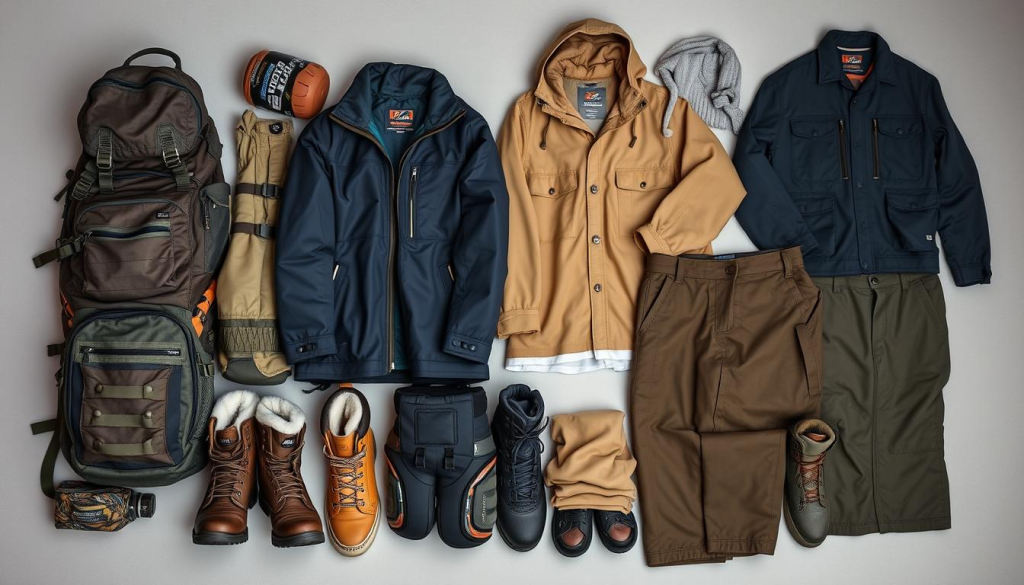
Weather-Appropriate Gear
Weather-appropriate gear is crucial for maintaining comfort and safety. Include items that can protect you from extreme temperatures, rain, and wind.
- A waterproof jacket or poncho.
- Insulating layers such as fleece or down.
- A warm hat and gloves.
These items can be adjusted or added to your bug out bag according to the season.
Personal Defense Items
Personal defense items are a critical aspect of your bug out bag. They can help protect you from potential threats in a survival situation.
- Pepper spray is a non-lethal option that can deter attackers.
- A personal alarm can also be effective in drawing attention to your situation.
- For those who are trained and comfortable with firearms, a compact pistol can be considered.
It’s essential to check local laws and regulations regarding personal defense items before including them in your bug out bag.
Communication and Information Devices
A well-prepared bug out bag should include devices that enable communication and provide critical information. In emergency situations, being able to stay informed and communicate with others can significantly impact your safety and ability to respond effectively.
Reliable Two-Way Radios
Two-way radios are an essential component of any bug out bag, allowing for real-time communication with family members, group members, or emergency services. When selecting a two-way radio, consider factors such as range, battery life, and durability. Look for radios with a long battery life and a robust build to withstand harsh environments.
Some popular options include:
- Midland GXT1000VP4
- Motorola T600 H2O
- Baofeng UV-5R
Flashlights and Lanterns for Visibility
Light sources are critical in a bug out bag, providing visibility during nighttime or in dark environments. Flashlights and lanterns can also serve as signaling devices. Opt for LED-based lights due to their energy efficiency and long lifespan.
| Product | Lumens | Battery Life |
|---|---|---|
| Fenix PD35 | 600 | Up to 50 hours |
| Streamlight Stylus 78060 | 275 | Up to 6 hours |
| Black Diamond Spot | 300 | Up to 200 hours |
Emergency Chargers for Power
Emergency chargers can keep your devices powered during prolonged emergencies. Consider portable power banks or solar chargers that can recharge your phone, radio, or other critical devices. Choose a charger with a high capacity and multiple output ports.
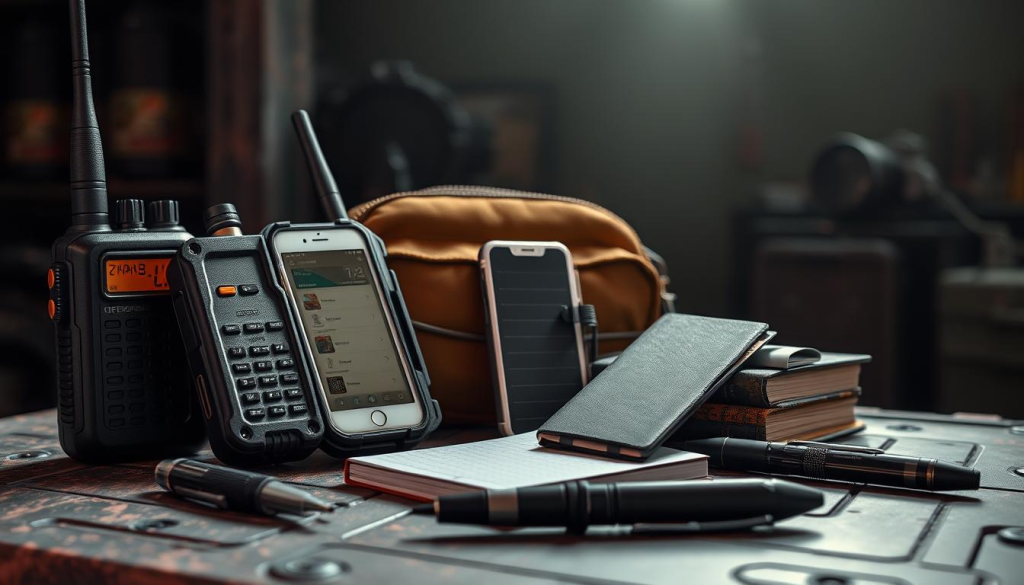
When assembling your bug out bag, remember to include a mix of these communication and information devices to ensure you stay connected and informed. Regularly check and update your devices to guarantee they remain functional and relevant.
Hygiene and Sanitation Supplies
Hygiene and sanitation supplies are often overlooked but are critical components of an effective emergency survival kit. Maintaining personal hygiene is essential for both physical and mental health during survival situations.
Portable Toiletries
Portable toiletries are a must-have in any bug out bag. These should include:
- Toothbrush and toothpaste
- Biodegradable soap
- Wet wipes
- Hand sanitizer
These items help maintain personal hygiene, preventing the spread of diseases and infections. It’s also crucial to consider the environmental impact of these products, opting for biodegradable options whenever possible.
Sanitary Wipes
Sanitary wipes are versatile and can be used for a variety of hygiene tasks. They are useful for cleaning hands when water is scarce, wiping down surfaces, and even personal hygiene. Including a sufficient supply of sanitary wipes in your bug out bag is essential for maintaining cleanliness.
Disposal Bags
Disposal bags are a critical component of hygiene and sanitation supplies. They are used for containing waste, keeping the surrounding area clean, and preventing the spread of disease. Look for bags that are durable, leak-proof, and have a secure closure mechanism.
| Supply | Purpose | Key Features |
|---|---|---|
| Portable Toiletries | Maintaining personal hygiene | Biodegradable, compact |
| Sanitary Wipes | Cleaning hands and surfaces | Pre-moistened, disposable |
| Disposal Bags | Containing waste | Durable, leak-proof, secure closure |
Including these hygiene and sanitation supplies in your emergency survival kit or outdoor survival gear can significantly enhance your ability to stay healthy and comfortable during wilderness adventures or survival situations.
Important Documents and Identification
When assembling your bug out bag, it’s vital to consider the documents and identification you’ll need in an emergency. These documents can play a crucial role in verifying your identity, accessing vital services, and recovering from a disaster.
What to Include
Your bug out bag should contain copies of essential documents, such as your driver’s license, passport, and insurance cards. It’s also a good idea to include a family emergency plan, complete with contact information and meeting points.
- Identification: Driver’s license, passport, or other government-issued ID.
- Insurance Cards: Health, auto, and home insurance cards.
- Emergency Contacts: A list of important phone numbers and addresses.
- Cash and Credit Cards: Some amount of cash and credit cards for emergency purchases.
How to Protect Them
To protect your documents from damage, consider using waterproof containers or bags. You can also make digital copies and store them securely online or on an encrypted USB drive.
| Protection Method | Description | Benefits |
|---|---|---|
| Waterproof Containers | Physical storage in waterproof bags or containers. | Protects against water and moisture. |
| Digital Copies | Scanning documents and storing them online or on a USB drive. | Easy to access, can be backed up, and is compact. |
Digital vs. Physical Copies
Both digital and physical copies have their advantages. Physical copies can be accessed without technology, while digital copies are more compact and can be easily backed up. Consider doing both for maximum preparedness.
In conclusion, including the right documents and identification in your bug out bag is a critical aspect of emergency preparedness gear. By understanding what to include, how to protect these documents, and whether to opt for digital or physical copies, you can enhance your survivalist backpack gear and be better prepared for any situation.
Customizing Your Bug Out Bag
To maximize the effectiveness of your bug out bag, it’s essential to tailor it to your specific requirements. A well-customized bag ensures that you are prepared for various scenarios, from natural disasters to personal emergencies.
Assessing Personal Needs
Assessing your personal needs is the first step in customizing your bug out bag. Consider your health, physical abilities, and any personal circumstances that might affect your survival needs. For instance, if you have a medical condition, you should include specific medications and equipment in your bag.
Key considerations include:
- Medical requirements
- Physical limitations
- Personal preferences
Modifying for Family Members
If you are preparing a bug out bag for your family, it’s crucial to consider the needs of each member, including children, elderly, and pets. This might involve adding child-specific supplies, such as diapers and formula, or pet food and medication.
Family considerations should include:
- Child and infant needs
- Elderly or disabled family members’ requirements
- Pet supplies
Seasonal Adjustments
Your bug out bag should be adjusted seasonally to account for changing weather conditions and potential hazards. For example, in colder climates, you may need to add warm clothing and heating sources, while in hotter climates, hydration and sun protection become more critical.
Seasonal adjustments may include:
- Climate-specific clothing
- Seasonal survival tools
- Weather-appropriate shelter materials
By regularly assessing and adjusting your bug out bag according to these factors, you can ensure that you and your family are always prepared for any situation.
Regular Maintenance and Updates for Your Bag
To ensure your bug out bag remains effective, regular maintenance is crucial. This involves checking the expiration dates of your emergency survival kit supplies, such as food and medical items, to guarantee they remain usable.
Expiration Dates and Supply Checks
Regularly inspect your survivalist backpack gear for signs of wear or damage. Update your emergency preparedness gear as needed to reflect changes in your personal needs or the environment.
Repacking and Refreshing Supplies
Periodically repack your bag to maintain organization and ensure that all items are still relevant. This is also an opportunity to refresh supplies, such as water filtration systems or first aid kits, to keep them in good condition.
Staying Prepared
By regularly checking and updating your bug out bag, you can stay prepared for any situation. This proactive approach will help you respond effectively in emergencies, making your emergency survival kit a reliable resource.