
A bug out bag, also known as a “ready bag” or “go bag,” is a crucial emergency kit that should be prepared in advance. It’s designed to sustain you for at least 72 hours during an emergency.
When it comes to preparing for emergencies, having the right amount of non-perishable food in your bug out bag is vital. The general guideline is to pack enough food to last for at least three days.
This article will guide you through the essential amounts to pack and provide tips on choosing the right food for your emergency kit, ensuring you’re prepared for any situation.
Key Takeaways
- Pack enough non-perishable food to last for at least three days.
- Choose food that is high in calories and nutrients.
- Consider food that is easy to prepare and consume.
- Don’t forget to include a water purification method.
- Regularly check and update your bug out bag supplies.
Understanding the Importance of Food in a Bug Out Bag
Food is a critical component of any bug out bag, providing the necessary calories and nutrients to navigate emergency situations. In a crisis, having an adequate food supply can be the difference between survival and severe health complications.
When considering what to pack, it’s essential to understand the role food plays in sustaining individuals during emergencies. The human body requires a certain amount of calories and nutrients to function optimally, and this need doesn’t disappear in a bug out situation.
Emergency Situations and Food Needs
In emergency situations, the body’s energy requirements can increase due to stress, physical activity, and potentially harsh environmental conditions. It’s crucial to stock food that is not only calorie-dense but also nutrient-rich to maintain energy levels and overall health.
- High-calorie foods to maintain energy levels
- Nutrient-dense foods for overall health
- Foods that are easy to prepare with minimal equipment
Understanding these needs helps in planning a bug out bag that can sustain an individual for the duration of the emergency.
Nutritional Considerations
Nutritional considerations are vital when selecting food for a bug out bag. The goal is to maintain health and energy, so foods should be chosen based on their nutritional value, shelf life, and ease of preparation.
Key nutritional considerations include:
- Caloric intake: Ensuring enough calories to support energy expenditure.
- Macronutrient balance: A balance of carbohydrates, proteins, and fats.
- Micronutrients: Vitamins and minerals essential for maintaining health.
By focusing on these nutritional aspects, individuals can better prepare themselves for the challenges of a bug out situation.
Types of Food to Include in Your Bug Out Bag
When preparing your bug out bag, selecting the right types of food is crucial for survival. The food you choose should be a balance between nutritional value, weight, and shelf life.
Lightweight vs. Heavyweight Options
One of the primary considerations when selecting food for your bug out bag is weight. Lightweight options such as energy bars, nuts, and dried fruits are ideal because they provide necessary calories without significantly adding to your bag’s weight. On the other hand, heavyweight options like canned goods, while nutritious, can be cumbersome and are generally not recommended unless you have a specific need for them.
Freeze-Dried vs. Canned Foods
Another critical decision is between freeze-dried and canned foods. Freeze-dried foods offer a longer shelf life and are typically lighter, making them a popular choice for bug out bags. They retain much of their nutritional value and can be easily rehydrated when needed. In contrast, canned foods, while having a long shelf life, are heavier and may not be as calorie-dense. However, they can be a good source of protein and other essential nutrients.
Ultimately, the best approach is to strike a balance between these options. Including a mix of lightweight, nutrient-dense foods like energy bars and nuts, along with some freeze-dried meals, can provide a well-rounded diet during an emergency.
Calculating How Much Food to Pack
Calculating the ideal food quantity for your bug out bag requires careful consideration of several factors. The primary goal is to ensure you have enough calories to sustain yourself during an emergency without carrying excessive weight.
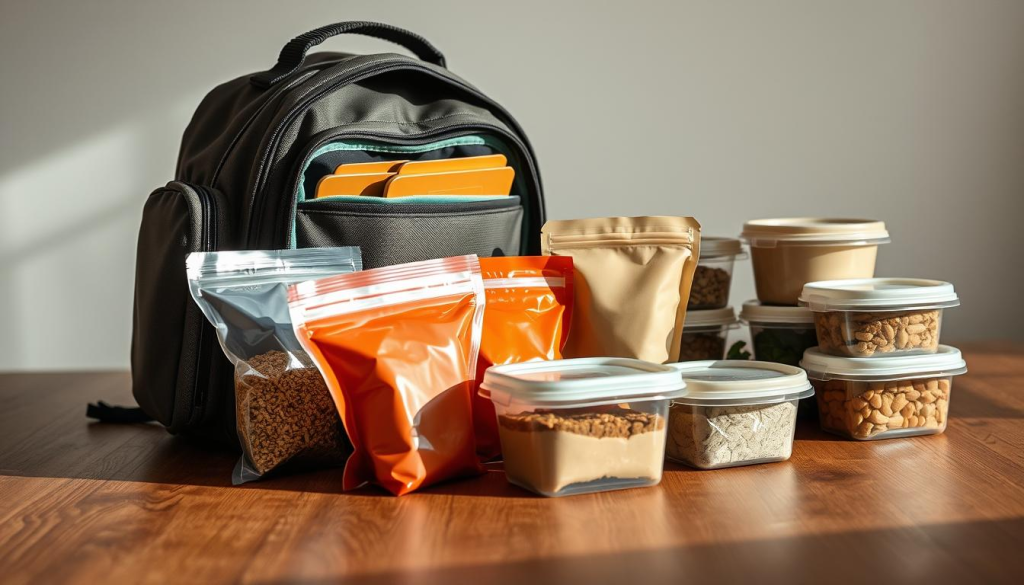
Daily Caloric Needs
A general rule of thumb is to pack at least 2,000 calories per person per day. Calories are the energy currency of the body, and having an adequate supply is crucial for maintaining energy levels, especially during stressful situations. The type of food you choose should be highly caloric but not necessarily heavy in weight.
For instance, foods high in fats and proteins are more calorically dense than those high in carbohydrates. Nuts, dried meats, and energy bars are examples of high-calorie foods that are also relatively lightweight.
“The key to survival is not just having food, but having the right kind of food that provides sufficient energy.”
Duration of Your Bug Out Plan
The duration for which you are preparing your bug out bag is another critical factor. If your plan is to be self-sufficient for 72 hours, you’ll need to calculate your total caloric needs for that period. For a three-day supply, you would need at least 6,000 calories per person.
- For a short-term bug out (up to 3 days), focus on compact, high-calorie foods.
- For longer durations, consider foods that are not only calorically dense but also provide a balance of nutrients.
By carefully calculating your daily caloric needs and the duration of your bug out plan, you can ensure that your bug out bag is stocked with the right amount of food for survival.
Recommended Food Items for Your Bug Out Bag
A well-stocked bug out bag requires a thoughtful selection of food to sustain you during emergencies. The right food items can provide energy, satisfy hunger, and support overall health.
Energy-Dense Foods
Energy-dense foods are crucial for maintaining energy levels during a crisis. These foods are typically high in calories and nutrients, making them ideal for bug out bags.
- Nuts and seeds, such as almonds and sunflower seeds, are rich in healthy fats and protein.
- Dried fruits like raisins and apricots provide natural sugars for energy.
- Beef jerky and other dried meats are high in protein and can be easily stored.
As noted by survival experts, “Energy-dense foods are vital for sustaining individuals during prolonged emergencies.”
“The key to survival is having the right food. It’s not just about calories; it’s about nutrition.”
Non-Perishable Staples
Non-perishable foods are essential for bug out bags as they can withstand various environmental conditions without spoiling. These staples include:
| Food Item | Calories per Serving | Shelf Life |
|---|---|---|
| Canned Beans | 225 | Up to 5 years |
| MREs | 1200 | Up to 3 years |
| Dried Soup | 150 | Up to 2 years |
When calculating how much food to pack, consider the duration of your bug out plan and your daily caloric needs. A general guideline is to pack at least 2,000 calories per day per person.
Other non-perishable staples include peanut butter, instant noodles, and canned tuna. These foods are not only durable but also provide a good source of energy and nutrients.
In conclusion, when assembling your bug out bag, focus on including a mix of energy-dense foods and non-perishable staples. This will help ensure you have a balanced diet during an emergency.
Packing Food for Long Shelf Life
The key to effective bug out bag food planning lies in choosing products with extended shelf lives. When you’re preparing for emergencies, it’s vital to have food supplies that won’t spoil quickly, ensuring you have the necessary sustenance when it matters most.
To achieve long shelf life, consider the packaging and storage of your food. Two critical strategies are using vacuum-sealed options and following best storage practices.
Vacuum-Sealed Options
Vacuum-sealing is a highly effective method for preserving food. By removing air from the packaging, you significantly reduce the likelihood of spoilage and contamination. This method is particularly useful for foods like nuts, dried fruits, and jerky.
Benefits of Vacuum-Sealed Foods:
- Extended shelf life due to reduced oxygen exposure
- Protection against moisture and pests
- Preservation of flavor and nutritional value
Best Storage Practices
In addition to vacuum-sealing, proper storage is crucial for maintaining the quality of your bug out bag food. Store your food in a cool, dry place, away from direct sunlight and potential sources of moisture.
Tips for Effective Storage:
| Storage Condition | Benefit |
|---|---|
| Cool, dry environment | Reduces risk of spoilage and preserves nutritional value |
| Away from direct sunlight | Prevents degradation of food quality |
| Protected from pests | Ensures food remains safe to eat |
By combining vacuum-sealed packaging with best storage practices, you can significantly extend the shelf life of your bug out bag food, ensuring you’re prepared for any situation.
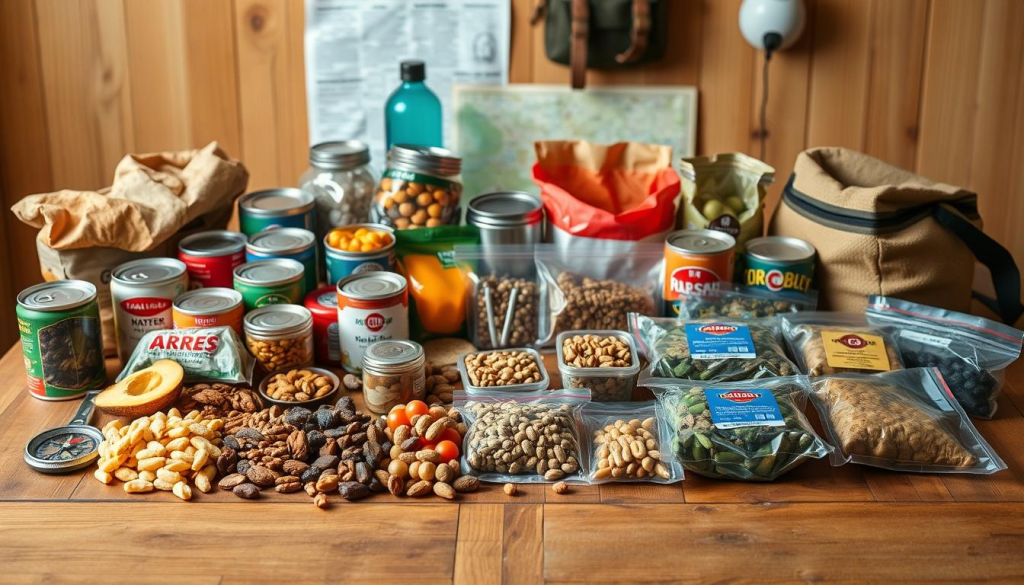
Snacks to Include for Quick Energy
Incorporating the right snacks into your bug out bag can be a lifesaver during emergencies. When disaster strikes, having access to quick energy sources is crucial for survival. Snacks that are both nutritious and lightweight can help sustain you until you reach safety.
Among the most effective snacks for quick energy are those that combine protein, healthy fats, and complex carbohydrates. These nutrients work together to provide sustained energy and support overall health.
Nut Butters and Trail Mix
Nut butters, such as peanut butter or almond butter, are excellent sources of energy due to their high calorie and protein content. Pairing nut butters with trail mix, which typically includes nuts, seeds, and dried fruits, creates a snack that is both filling and nutritious.
Nut Butter Benefits:
- High in calories for energy
- Rich in protein for muscle repair
- Contains healthy fats for sustained energy
Protein Bars and Jerky
Protein bars are another convenient snack for bug out bags. Look for bars that are high in protein and low in added sugars. Jerky, made from dried meat, is also an excellent protein source that is lightweight and doesn’t require refrigeration.
| Snack Type | Protein Content | Shelf Life |
|---|---|---|
| Protein Bars | High | Long |
| Beef Jerky | High | Long |
| Nut Butter | Moderate | Medium |
In addition to these snacks, consider including tea bags, drink mixes, or coffee to keep your morale up. These can provide a much-needed boost during a prolonged crisis.
By incorporating these snacks into your bug out bag, you’ll be better prepared to face emergencies with the energy you need to survive.
Water Considerations Alongside Food
Adequate hydration is as important as having the right food in your bug out bag during an emergency. When preparing for a potential disaster, it’s essential to consider the water needed for both drinking and food preparation.
Hydration Requirements
Understanding your hydration needs is crucial. The general recommendation is to pack at least one gallon of water per person per day for at least three days. This amount can vary based on the individual’s size, activity level, and the climate they are in.
| Person | Daily Water Needs | 3-Day Water Needs |
|---|---|---|
| 1 Person | 1 Gallon | 3 Gallons |
| 2 People | 2 Gallons | 6 Gallons |
| 3 People | 3 Gallons | 9 Gallons |
Water Filtration Options
In addition to storing water, it’s wise to include water filtration options in your bug out bag. These can range from simple filters to more advanced systems that can purify water from any source, making it safe to drink.
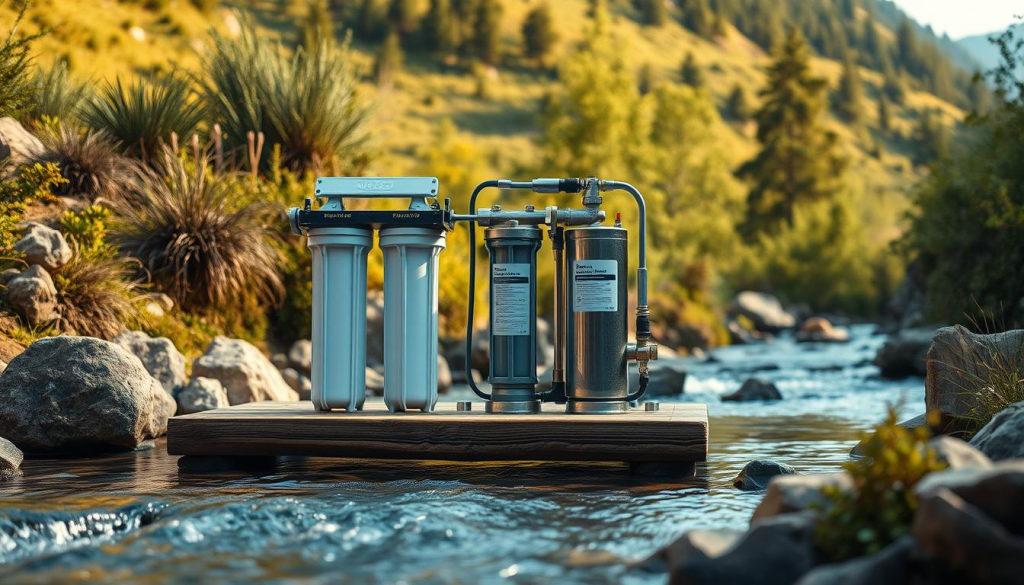
Some popular water filtration options include:
- Portable water filters
- Water purification tablets
- UV water purification devices
By considering both your food and water needs, you can ensure that you are better prepared for any emergency situation.
Preparing a Bug Out Food Budget
Preparing a bug out food budget involves more than just picking the cheapest options. It’s about making informed decisions that balance cost with the quality and nutritional value of the food. When you’re preparing for emergencies, you want to ensure that your bug out bag is stocked with food that is not only affordable but also capable of sustaining you over a potentially long period.
To start, it’s essential to understand that the cost of bug out bag food can vary widely depending on the types of food you choose. Freeze-dried meals, for example, can be more expensive upfront but offer a longer shelf life and are typically lightweight, making them a valuable investment for your bug out bag.
Cost-Effective Food Choices
When considering cost-effective food choices, it’s crucial to look beyond the initial cost. Buying in bulk can often save money in the long run, especially for non-perishable items like rice, beans, and canned goods. Additionally, considering the caloric density of the food can help in making cost-effective choices that provide the most energy per dollar spent.
Some of the most cost-effective options include:
- Dried legumes
- Canned tuna and chicken
- Oats and other whole grains
- Nuts and seeds
Balancing Quality and Price
While cost is an important factor, the quality of the food is equally crucial. You need food that is not only affordable but also nutritious and capable of withstanding the test of time. Investing in high-quality, nutrient-dense foods may cost more initially but can pay off in the long run by keeping you healthier and more energized during a crisis.
To balance quality and price, consider the following strategies:
- Research different brands and products to find the best value.
- Look for sales and discounts on high-quality items.
- Consider purchasing directly from manufacturers or through bulk suppliers.
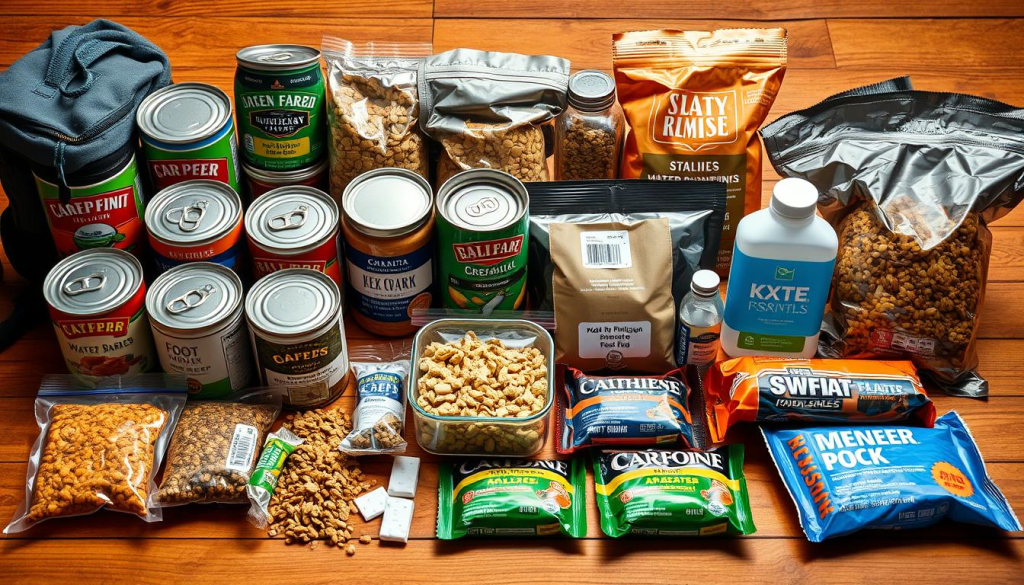
By carefully planning your bug out bag food budget and making informed choices, you can ensure that you’re prepared for any situation without breaking the bank. Remember, the goal is to have a reliable food supply that meets your nutritional needs, is cost-effective, and aligns with your overall emergency preparedness plan.
Checking Food Expiration Dates
One of the most critical aspects of maintaining a bug out bag is checking the expiration dates of the food stored within. This simple yet crucial task ensures that the food remains safe to eat and retains its nutritional value when you need it most.
Importance of Regular Updates
Regularly checking food expiration dates is essential for maintaining the quality and safety of your bug out bag supplies. Expired food can lead to health issues, making it imperative to update your supplies as needed. By doing so, you ensure that your bug out bag remains a reliable source of sustenance during emergencies.
To implement regular updates effectively, consider creating a schedule to check your food supplies every few months. This practice helps in identifying expired or soon-to-expire items, allowing you to replace them before they become unusable.
Annotating Expiration on Packages
Annotating the expiration dates on food packages is a practical step in managing your bug out bag’s food supplies. Clearly labeling each item with its expiration date helps in quickly identifying which items need to be consumed or replaced. This simple annotation process can significantly enhance the efficiency of your bug out bag maintenance routine.
When annotating, use a permanent marker to ensure that the dates remain legible over time. This attention to detail can make a significant difference in ensuring that your bug out bag food remains fresh and safe to eat.
By combining regular checks with clear annotation, you can maintain a well-organized bug out bag that is ready for use at a moment’s notice. This proactive approach to food storage not only enhances your preparedness but also contributes to the overall effectiveness of your emergency plan.
The Role of Special Dietary Needs
When preparing your bug out bag, it’s crucial to consider the dietary needs of your family members. This includes understanding any special dietary requirements that could impact the type of food you should pack.
Special dietary needs can arise from various factors, including health conditions, personal choices, or religious beliefs. For instance, some individuals may require gluten-free diets due to celiac disease or intolerance, while others might follow a vegan lifestyle, avoiding all animal products.
Gluten-Free and Vegan Options
For those with gluten intolerance or sensitivity, including gluten-free options in your bug out bag is essential. This can include foods like:
- Gluten-free energy bars
- Dried fruits and nuts
- Canned goods labeled as gluten-free
Vegan individuals require plant-based alternatives that are free from animal products. Some viable options are:
- Vegan protein bars
- Dried legumes
- Ready-to-eat meals that are labeled vegan
As “The Prepared magazine suggests, ‘Incorporating a variety of food options in your bug out bag can help ensure that everyone’s dietary needs are met during an emergency.'”
“In an emergency, having the right food can be a matter of life and death, especially for those with specific dietary needs.”
Allergy Considerations
Allergies are another critical consideration. Common allergens include nuts, shellfish, dairy, and soy. When packing food for your bug out bag, it’s vital to be aware of these potential allergens and to choose foods that are safe for everyone in your group.
For example, if someone in your family has a nut allergy, you should avoid packing trail mix that contains nuts. Instead, opt for nut-free alternatives or make your own trail mix using seeds and dried fruits.
By carefully considering the special dietary needs of your family members and packing accordingly, you can ensure that everyone stays nourished and safe during an emergency.
Creating a Bug Out Food Rotation System
To keep your bug out bag food supplies fresh and ready for use, establishing a rotation system is essential. This system ensures that older supplies are consumed before they expire, making room for newer stock.
Using Up Old Supplies
The first step in creating a bug out food rotation system is to identify and use up older supplies. This involves checking expiration dates and consuming the oldest items first. It’s a good practice to label your supplies with the date they were stored, making it easier to keep track of what needs to be used first.
When using up old supplies, consider incorporating them into your regular meal planning. This not only ensures that the supplies are used before they expire but also helps in maintaining a fresh stock.
Keeping Your Supplies Fresh
To keep your bug out bag food supplies fresh, it’s crucial to store them properly. This includes keeping them in a cool, dry place, away from direct sunlight. Using airtight containers can also help in preserving the freshness of your supplies.
Regularly checking your bug out bag food supplies is vital. This involves inspecting for signs of spoilage and ensuring that all items are still within their expiration dates. By doing so, you can maintain a reliable and safe food stock for emergency situations.
By implementing a bug out food rotation system, you can ensure that your emergency food supplies remain fresh and are used before they expire. This not only helps in maintaining a reliable stock but also in reducing waste.
Final Checklist for Bug Out Bag Food Packing
To effectively pack your bug out bag, it’s crucial to have a well-planned food supply. A well-stocked bug out bag food ration can be a lifesaver during emergencies.
Food Supply Essentials
When deciding on the bug out bag food supply, consider energy-dense foods, non-perishable staples, and ready-to-eat meals. The goal is to optimize your space while ensuring you have enough calories to sustain you.
For a bug out bag food ration, pack according to your daily caloric needs and the duration of your emergency plan. Don’t forget to include a water filtration system or water purification tablets to stay hydrated.
Maintaining Your Bug Out Bag Food
Regularly check your bug out bag food supply for expired items and update your stock as needed. Store your food in airtight, waterproof containers to maintain freshness.
By following this checklist, you can ensure your bug out bag is equipped with a reliable food supply, keeping you safe and nourished during critical situations.