
In emergency situations, having the right gear can be a lifesaver. A well-prepared emergency fishing kit is crucial for survival, providing a means to catch food in various environments.
Sit back, drop a line, and wait for them to bite. Fishing is not just a recreational activity; it’s also a valuable survival skill that requires minimal gear and know-how. A good bug out bag fishing kit can help you catch fish, providing a steady stream of fresh food.
Having the right equipment is essential. It can make the difference between going hungry and having a reliable source of nutrition.
Key Takeaways
- A well-prepared emergency fishing kit is crucial for survival.
- Fishing is a valuable survival skill that requires minimal gear.
- A good bug out bag fishing kit provides a steady stream of fresh food.
- Having the right equipment is essential for catching fish.
- A reliable source of nutrition can be a lifesaver in emergencies.
What is a Bug Out Bag Fishing Kit?
A bug out bag fishing kit is an essential component of any emergency survival plan, providing the means to catch food in crisis situations. It is designed to be compact and lightweight, making it easy to carry in a bug out bag.
A bug out bag is essentially a portable collection of survival gear and provisions intended to sustain an individual for at least 72 hours during an emergency. Including a fishing kit in this bag can significantly enhance survival chances by providing a means to obtain food.
https://www.youtube.com/watch?v=tnW9srUJhFE
Definition and Purpose
The primary purpose of a bug out bag fishing kit is to enable individuals to catch fish and other aquatic food sources during emergencies. This kit is designed to be a self-sufficient means of obtaining nutrition when other food sources are unavailable.
As survival experts often emphasize, having a reliable means of obtaining food is crucial in emergency situations. A well-prepared fishing kit can make a significant difference in survival scenarios.
“Fishing can be a vital skill in survival situations, providing not only food but also a sense of purpose.”
Key Components of a Fishing Kit
A typical bug out bag fishing kit includes several key components:
- Fishing rods and reels designed for compactness and durability
- Tackle boxes containing a variety of hooks, lures, and sinkers
- Fishing lines and hooks suitable for various fishing conditions
- Other accessories such as fishing nets and line clippers
These components are chosen for their utility, durability, and the ability to be easily stored in a bug out bag. The goal is to have a compact fishing kit that is both effective and easy to carry.
By understanding the definition, purpose, and key components of a bug out bag fishing kit, individuals can better prepare themselves for emergencies and enhance their chances of survival.
Importance of Fishing in Emergencies
Fishing serves as a crucial survival technique, providing both nourishment and a sense of calm during turbulent times. In emergency situations, having the right outdoor fishing equipment can significantly enhance one’s chances of survival.
A portable fishing set is an essential component of any bug out bag, as it allows individuals to catch fish, a sustainable food source, in various water bodies. Fishing can provide a reliable means of obtaining protein-rich food, which is vital for maintaining energy and overall health during emergencies.
Sustainable Food Source
Fishing offers a sustainable way to procure food, reducing reliance on stored supplies that may be limited or perishable. With the right fishing gear, individuals can catch fish in rivers, lakes, or coastal areas, providing a consistent source of nutrition.
- Reliable source of protein
- Can be done in various water bodies
- Enhances survival chances with a portable fishing set
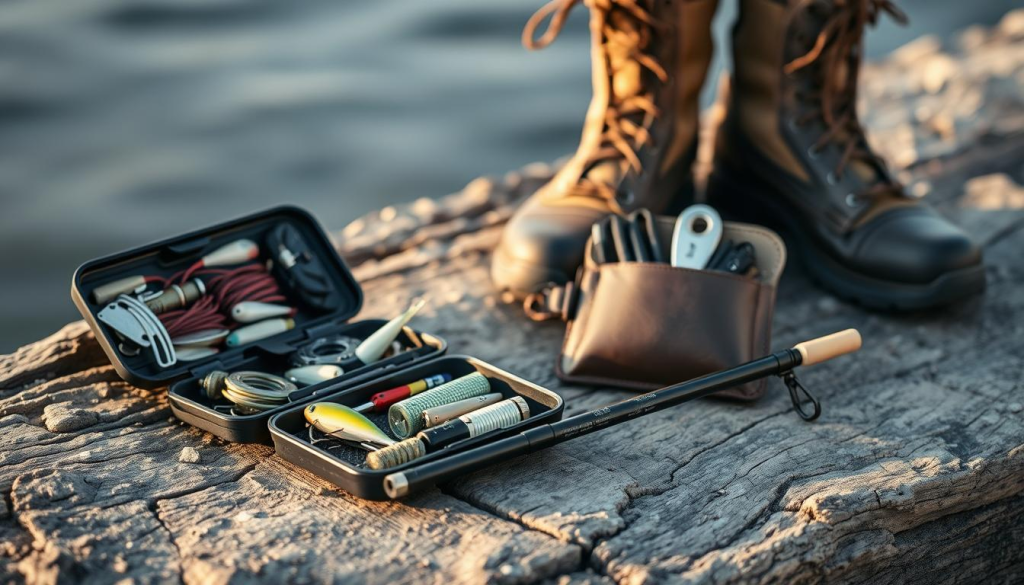
Mental Health Benefits
Beyond its practical survival benefits, fishing also offers mental health advantages. The act of fishing can be calming and meditative, providing a much-needed respite from the stress and anxiety associated with emergency situations.
- Reduces stress and anxiety
- Provides a sense of accomplishment
- Encourages patience and focus
By including a portable fishing set in a bug out bag, individuals can not only ensure a sustainable food source but also benefit from the mental health aspects of fishing, enhancing overall well-being during crises.
Choosing the Right Bug Out Bag
In emergency situations, the right bug out bag can be a lifesaver, providing necessary tools and supplies. When assembling your bug out bag, it’s essential to consider several factors to ensure it meets your needs during disasters or emergencies.
Size and Capacity Considerations
The size and capacity of your bug out bag are critical factors. You need a bag that is large enough to carry all necessary items, including your disaster preparedness fishing kit and lightweight fishing gear, without being too bulky or heavy.
- Consider a bag with multiple compartments to keep gear organized.
- Choose a bag with a capacity that suits your needs, typically between 20-40 liters.
- Ensure the bag is comfortable to carry, with padded shoulder straps and a waist belt.
Durability and Weather Resistance
The durability and weather resistance of your bug out bag are vital for withstanding harsh conditions. Look for bags made from high-quality, water-resistant materials.
| Feature | Description | Importance Level |
|---|---|---|
| Water Resistance | Material that prevents water from penetrating the bag. | High |
| Durable Material | Heavy-duty fabric that withstands rough handling. | High |
| Reinforced Stitching | Stitching that is reinforced for added durability. | Medium |
By considering these factors, you can choose a bug out bag that is well-suited for emergencies and can withstand various conditions.
When packing your bug out bag, remember to keep it portable and avoid overpacking. Include your lightweight fishing gear and other essential items to ensure you’re prepared for any situation.
Essential Fishing Gear for Your Kit
A well-stocked bug out bag fishing kit is essential for emergencies, and it all starts with the right fishing gear. When preparing for the unexpected, it’s crucial to include bug out fishing essentials that can help you catch food and potentially save your life.
Fishing Rods and Reels
The backbone of any fishing kit is the rod and reel. For a bug out bag, it’s vital to choose a compact, durable, and versatile option. Consider a combo rod and reel that can handle various fishing conditions. “A good rod and reel can make all the difference in landing the catch you need to survive,” as noted by seasoned outdoorsmen.
Tackle Boxes and Bait
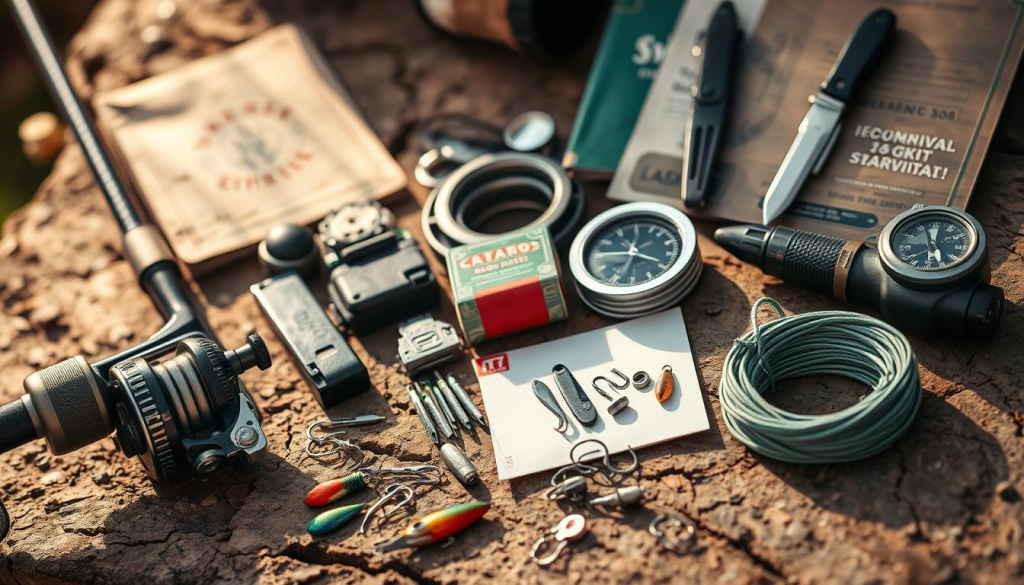
A well-organized tackle box is indispensable for keeping your gear in order. It should contain a variety of hooks, lures, and sinkers to adapt to different fishing scenarios. When it comes to bait, both artificial lures and natural bait can be effective, depending on the situation. Including a selection of both in your kit can increase your chances of catching fish.
Fishing Lines and Hooks
Fishing lines and hooks are critical components of your emergency fishing gear. The fishing line should be durable and resistant to abrasion, while hooks should be strong and come in various sizes to accommodate different types of fish. It’s also wise to include a line cutter and a hook remover in your kit.
By carefully selecting the right bug out fishing essentials, you can ensure that your fishing kit is ready for any emergency. Remember, the key to a successful fishing kit is not just the gear itself, but also knowing how to use it effectively.
Recommended Tools and Accessories
For a comprehensive bug out bag fishing kit, it’s crucial to include a range of tools and accessories that cater to different fishing scenarios. Many preppers also incorporate components of bushcraft survival into their bug out bags, enhancing their overall survival capabilities.
Multi-tools and Knives
A multi-tool or a high-quality knife is an indispensable addition to your fishing kit. These tools can be used for a variety of tasks, from cutting fishing lines to preparing bait. Look for a multi-tool with a built-in knife, pliers, and wire cutters to maximize its utility.
When selecting a knife, consider one with a durable, rust-resistant blade. A fixed-blade knife is often preferred for its strength and reliability. Some popular options include the Ka-Bar Becker BK2 Campanion or the Ontario Rat-Tail knife.
Fishing Nets and Gaffs
Fishing nets and gaffs are essential for landing fish efficiently. A net with a sturdy frame and a soft, knotless mesh can help prevent injury to the fish and make it easier to handle. Gaffs, on the other hand, are used to secure larger fish, providing a firm grip to prevent escape.
| Tool | Description | Usefulness |
|---|---|---|
| Fishing Net | Soft, knotless mesh for gentle handling | High |
| Gaff | Securely hooks larger fish | High |
| Multi-tool | Versatile tool with various functions | Very High |
Line Clippers and Floatation Devices
Line clippers are handy for quickly cutting fishing lines, and they can also be used to trim other materials. Floatation devices, such as inflatable fishing vests or throw bags, can be lifesavers in case of an accidental fall into the water.
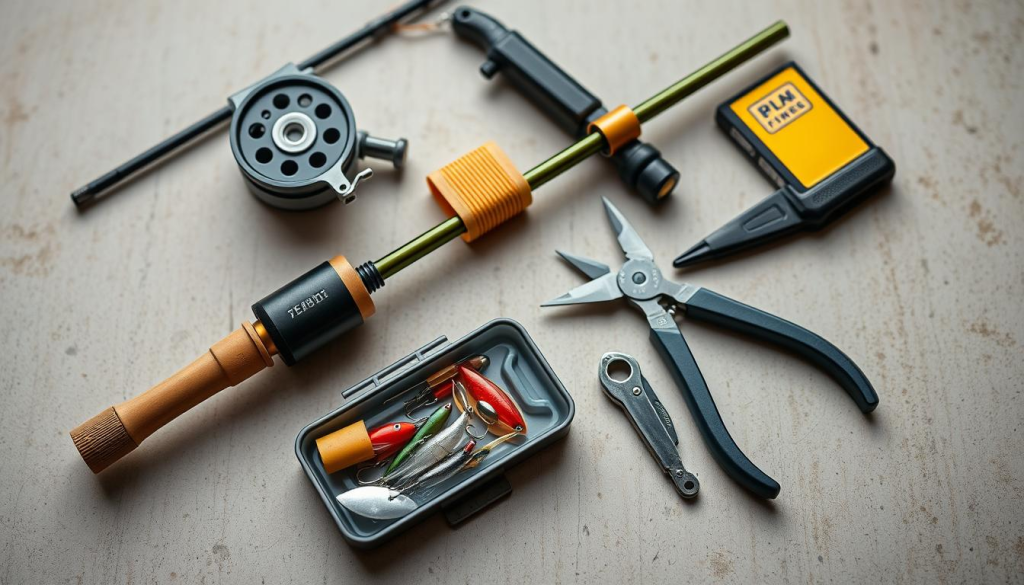
When assembling your bug out bag fishing kit, consider the compactness and weight of each tool and accessory. The goal is to achieve a balance between being prepared and maintaining mobility. By carefully selecting the right tools and accessories, you can ensure a successful and safe fishing experience in emergency situations.
Water Purification and Storage Options
In emergency situations, having the right water purification and storage options can be lifesaving. When you’re out in the wilderness or facing a disaster, access to clean drinking water is crucial. A bug out bag equipped with the right tools can make all the difference.
One of the key considerations for any bug out bag is the ability to purify and store water. This involves understanding the different methods available for water purification and the best containers for storing water. For those who plan to fish as part of their survival strategy, a portable fishing set is also essential, but it’s equally important to have clean water to stay hydrated.
Water Filters and Purification Tablets
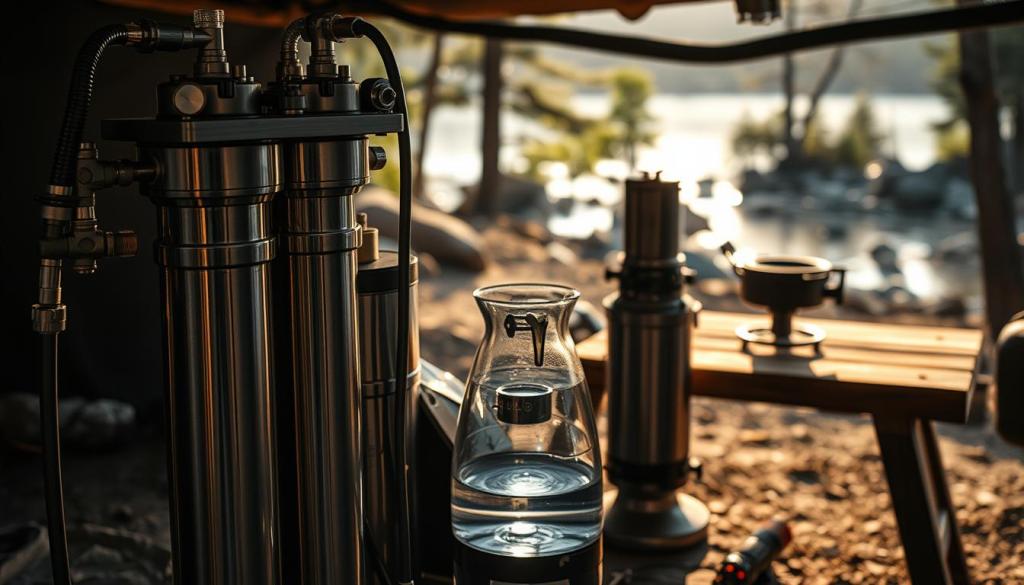
Water filters and purification tablets are two effective methods for ensuring that the water you collect is safe to drink. Water filters can remove particulate matter and some biological contaminants, while purification tablets can kill bacteria and viruses. When choosing between these options, consider the outdoor fishing equipment you’ll be using and the environment you’ll be in.
For example, if you’re near a river or lake where you plan to fish, you’ll want a water purification method that can handle the types of contaminants commonly found in such water sources. Both water filters and purification tablets have their advantages, and having both in your bug out bag could be beneficial.
Collapsible Water Containers
Once you’ve purified your water, you’ll need a way to store it. Collapsible water containers are a great option because they’re lightweight and take up less space in your bug out bag when not in use. It’s recommended to store at least one gallon of water per person per day for at least three days.
When selecting a collapsible water container, look for one that is durable and BPA-free. Some containers also come with features like spigots or measurement markings, which can be very useful. Ensuring you have enough water storage can complement your outdoor fishing equipment by keeping you hydrated while you fish.
Selecting the Best Fishing Locations
Selecting the right fishing location is a critical aspect of using your bug out bag fishing kit effectively. The success of your fishing endeavors during an emergency can significantly depend on understanding the types of water bodies available and the local regulations governing fishing activities.
Types of Water Bodies to Consider
When preparing your disaster preparedness fishing kit, it’s essential to consider the various types of water bodies you might encounter. Rivers, lakes, and ponds are common sources of fish, but each presents unique challenges and opportunities.
- Rivers: Often provide a good source of fish, but the water can be murky, and currents may be strong.
- Lakes and Ponds: Generally offer calmer waters, making them easier to fish, especially for those with less experience.
As noted by fishing experts, “The key to successful fishing in emergencies is not just the gear, but knowing where to use it.”
“Fishing is not just about the equipment; it’s about understanding the environment you’re in.”
Rules and Regulations for Fishing
Before you head out to fish, it’s crucial to familiarize yourself with local fishing regulations. This includes understanding any restrictions on the types of gear you can use, such as limb lines or auto reels, and ensuring you comply with catch limits.
Checking Local Regulations is a step often overlooked but is vital for avoiding legal issues and contributing to sustainable fishing practices. As a guideline, always check local regulations before setting up any fishing gear.
For a bug out bag fishing kit to be effective, it must be used in conjunction with knowledge of the fishing location and relevant laws. This ensures not only your safety but also the sustainability of fish populations.
How to Prepare for an Emergency Fishing Trip
When it comes to emergency fishing trips, being prepared is crucial for survival. This involves not just having the right bug out fishing essentials, but also a well-thought-out plan.
Creating a Fishing Plan
A fishing plan is essential for a successful emergency fishing trip. It should include details such as the location, expected duration, and the type of lightweight fishing gear to bring. Consider the following when creating your plan:
- Identify potential fishing locations and the types of fish you might catch.
- Determine the necessary gear and supplies, such as rods, reels, bait, and water purification tablets.
- Plan for contingencies, such as changing weather conditions or gear failure.
Informing Others of Your Destination
Informing others of your destination is a critical safety measure. Before you head out, make sure to:
- Leave a detailed itinerary with a trusted friend or family member, including where you’re going and when you expect to return.
- Provide them with a list of the gear you’re bringing and any other relevant information.
- Check in with them upon your return to let them know you’re safe.
It’s also vital to test your gear before you depend on it for survival. Try out your lightweight fishing gear at your favorite spot to ensure it’s in good working condition. This practice will help you identify any issues and make necessary adjustments before an emergency arises.
By creating a comprehensive fishing plan and informing others of your destination, you’ll be better prepared to handle the challenges of an emergency fishing trip. Remember, preparation is key to survival.
Maintaining Your Bug Out Bag Fishing Kit
Regular maintenance of your emergency fishing gear is essential for its effectiveness when you need it most. A well-maintained compact fishing kit ensures that you can rely on it during critical situations.
Regular Inspections
To keep your Bug Out Bag Fishing Kit in top condition, regular inspections are crucial. This involves checking the condition of your fishing rods, reels, lines, and hooks for any signs of wear or damage. It’s also important to inspect the tackle box for any corrosion or damage to the lures and hooks.
We recommend reviewing your gear at least annually. During this review, check for:
- Expired or damaged bait
- Frayed or weakened fishing lines
- Rusted hooks or other metal components
- Functionality of reels and other mechanical parts
| Component | Inspection Criteria | Action if Damaged |
|---|---|---|
| Fishing Lines | Check for frays, cuts, or weakening | Replace if damaged |
| Hooks | Inspect for rust or bending | Replace if rusted or bent |
| Lures | Check for damage or corrosion | Replace if damaged |
Upgrading Equipment as Needed
Upgrading your equipment is a vital part of maintaining your Bug Out Bag Fishing Kit. As new technologies emerge and your personal needs change, it may be necessary to update certain components of your kit. For instance, you might consider upgrading to more durable materials or more effective lures.
When upgrading, consider the following:
- New technologies that improve fishing efficiency or durability
- Changes in your fishing environment or needs
- Feedback from your annual inspections
By regularly inspecting and upgrading your Bug Out Bag Fishing Kit, you can ensure that it remains a reliable tool in emergency situations. This proactive approach not only enhances your chances of survival but also contributes to a more sustainable and enjoyable fishing experience.
Best Practices for Catching Fish
To maximize your chances of catching fish with your bug out bag fishing kit, it’s essential to employ best practices that include the right techniques and ethical considerations. The effectiveness of your survival fishing supplies and portable fishing set depends not only on their quality but also on your ability to use them appropriately.
Historically, people have used various methods to catch fish, from rocks and homemade gigs to using their hands, long before the invention of the fish hook. Understanding these traditional techniques can enhance your fishing skills.
Techniques for Different Species
Different fish species require different catching techniques. For instance, predatory fish like bass and pike are often caught using lures that mimic their natural prey, while species like trout may be caught using dry flies or nymphs.
| Fish Species | Catching Technique | Preferred Bait |
|---|---|---|
| Bass | Lure Fishing | Soft Plastic Lures |
| Trout | Dry Fly Fishing | Dry Flies, Nymphs |
| Pike | Jigging | Jigs, Spinnerbaits |
According to a seasoned angler, “The key to successful fishing lies in understanding the behavior and habitat of your target species.”
“Fishing is not just about throwing a line into the water; it’s about being in tune with nature and respecting the fish you’re trying to catch.”
Ethical Fishing Practices
Ethical fishing practices are crucial for maintaining healthy fish populations and ecosystems. This includes catch-and-release fishing, handling fish gently to avoid injury, and adhering to local fishing regulations.
- Handle fish gently to minimize injury.
- Use barbless hooks to facilitate easy release.
- Follow local regulations regarding catch limits and size restrictions.
By adopting these best practices, you not only improve your chances of catching fish but also contribute to the sustainability of fish populations. Remember, a good angler always respects the fish and the environment.
Training and Skills Development
To maximize the utility of your disaster preparedness fishing kit, it’s essential to acquire specific fishing and survival skills. Many preppers understand the importance of including components of bushcraft survival in their bug out bags, as these skills can significantly enhance their ability to survive in challenging environments.
Fishing Skills to Develop
Developing proficiency in various fishing techniques is crucial for effectively using your outdoor fishing equipment. Some key skills to focus on include:
- Understanding different fishing methods, such as baitcasting, spinning, and fly fishing
- Learning how to identify and catch various fish species
- Mastering the art of making your own fishing lures and flies
- Practicing catch-and-release fishing to conserve fish populations
By honing these skills, you’ll be better equipped to catch fish in different environments and conditions, making your bug out bag fishing kit more effective.
Survival Training Resources
In addition to fishing skills, it’s vital to acquire broader survival training. This can include:
- First aid and wound management training
- Shelter building and outdoor navigation skills
- Water purification and food preservation techniques
- Basic self-defense and emergency response training
There are numerous resources available for survival training, including online courses, workshops, and training programs offered by experienced outdoor professionals. By investing time in these resources, you can significantly enhance your ability to survive and thrive in emergency situations.
To further emphasize the importance of training, consider the following benefits:
| Skill | Benefit |
|---|---|
| Fishing Techniques | Increased food supply in survival situations |
| Survival Training | Enhanced ability to respond to emergencies |
| Bushcraft Skills | Improved ability to navigate and shelter in wilderness |
Conclusion: Be Prepared and Stay Fishing Ready
Having a well-stocked bug out bag fishing kit can be a lifesaver in emergency situations. As discussed, a lightweight fishing gear is essential for a reliable source of food and mental well-being.
To ensure you’re prepared, consider the key components of a bug out bag fishing kit, including the right fishing rod, tackle box, and water purification options. Regular maintenance and inspections of your kit are also crucial.
By building your own bug out bag fishing kit, you’ll be better equipped to handle unexpected situations. Keep exploring, stay prepared, and be safe with a reliable bug out bag fishing kit and lightweight fishing gear.