
A bug out bag is a crucial component of any emergency preparedness plan, designed to help individuals survive during disasters or emergencies. One of the essential items to include in this kit is antibiotics, which can help treat bacterial infections that may arise during such situations.
Including emergency antibiotics in a bug out bag can be a lifesaver. These medications can help prevent minor injuries from becoming infected, reducing the risk of serious complications. When packing antibiotics, it’s essential to consider the type, quantity, and expiration dates to ensure they remain effective.
Key Takeaways
- Antibiotics are a crucial component of a bug out bag.
- Emergency antibiotics can help treat bacterial infections.
- Consider the type, quantity, and expiration dates when packing antibiotics.
- A well-stocked bug out bag can help individuals survive during emergencies.
- Antibiotics can prevent minor injuries from becoming infected.
Understanding the Importance of Antibiotics in Emergencies
The importance of antibiotics in survival situations cannot be overstated. In emergency scenarios, infections can quickly become life-threatening due to the lack of proper medical care. Antibiotics for disaster preparedness are crucial for treating bacterial infections that could arise from injuries or contaminated water and food.
Having a supply of prepper antibiotics can significantly improve the chances of survival in a disaster situation. These medications are vital for combating infections that could otherwise become severe.
Why Antibiotics Are Essential
Antibiotics are essential in emergency situations because they provide a means to treat bacterial infections. Without access to medical facilities, having a stockpile of survival antibiotics can be lifesaving.
- Treating wounds and preventing infection
- Combating bacterial infections from contaminated food and water
- Managing infections that could arise from poor sanitation
Potential Scenarios Where Antibiotics Are Needed
In a disaster scenario, the need for antibiotics for disaster preparedness can arise from various situations, including:
- Natural disasters like hurricanes, earthquakes, and floods
- Man-made disasters such as industrial accidents or terrorist attacks
- Outbreaks of bacterial infections in crowded or unsanitary conditions
Risks of Not Having Antibiotics Available
Not having prepper antibiotics on hand can lead to severe consequences, including:
- Increased mortality rates due to untreated infections
- Prolonged recovery times for those infected
- The potential for infections to spread, creating larger health crises
Data suggests that a significant portion of the population is unprepared for emergencies, with around 90% of people in the United States not having an emergency bag ready. This lack of preparedness underscores the importance of including essential medications like antibiotics in survival kits.
Common Types of Antibiotics for Bug Out Bags
In emergency situations, having the right antibiotics in your bug out bag can be lifesaving. The selection of antibiotics is critical, as different types treat various infections. According to experts, a well-rounded bug out bag should include a variety of antibiotics to address different potential health issues.
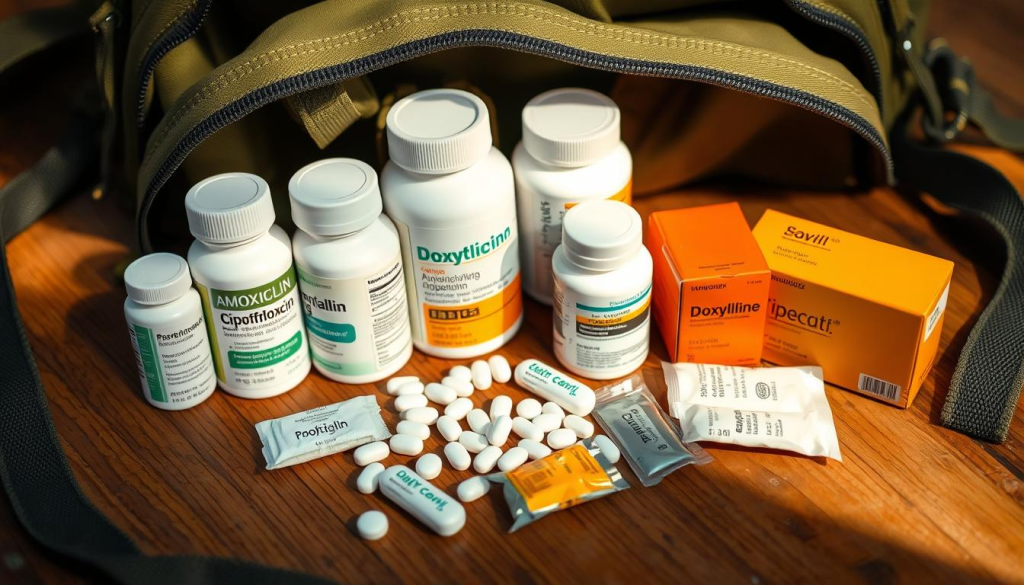
Amoxicillin: A Versatile Option
Amoxicillin is a broad-spectrum antibiotic effective against a wide range of bacteria. It is commonly used to treat infections such as pneumonia, strep throat, and urinary tract infections. “Amoxicillin is a valuable addition to any bug out bag due to its versatility and effectiveness,” as noted by medical professionals.
Ciprofloxacin: Treating Serious Infections
Ciprofloxacin is another broad-spectrum antibiotic that is particularly useful for treating serious infections, including those caused by anthrax and certain types of bacterial diarrhea. Its ability to combat severe infections makes it an essential component of a bug out bag.
Doxycycline: A Multi-Purpose Antibiotic
Doxycycline is a versatile antibiotic used to treat a variety of infections, including acne, Lyme disease, and certain types of pneumonia. It is also effective against malaria, making it a valuable asset in regions where this disease is prevalent. As cited by health experts, “Doxycycline’s broad range of applications makes it a crucial antibiotic for emergency preparedness.”
When selecting antibiotics for a bug out bag, it’s essential to consider the types of infections that may be encountered and the specific needs of the individuals relying on the bag. By including a mix of antibiotics like Amoxicillin, Ciprofloxacin, and Doxycycline, individuals can be better prepared to handle various medical emergencies.
How to Obtain Antibiotics for Your Bug Out Bag
In preparing for emergencies, understanding how to obtain antibiotics for your bug out bag is paramount. Antibiotics are a crucial component of a well-stocked emergency kit, as they can help treat bacterial infections that may arise during a crisis.
Consulting with Your Healthcare Provider
The first step in obtaining antibiotics for your bug out bag is to consult with your healthcare provider. They can offer guidance on the types of antibiotics that are most effective for emergency use and help you understand the legal implications of stockpiling antibiotics.
Your healthcare provider can also provide a prescription for antibiotics, which is essential for obtaining many types of antibiotics legally.
Prescription vs. Over-the-Counter Options
It’s essential to understand the difference between prescription and over-the-counter (OTC) antibiotics. Prescription antibiotics are typically more potent and are used for serious infections, while OTC options are generally used for minor infections or as preventatives.
For a bug out bag, having a supply of prescription antibiotics can be critical, but it’s also important to know how to use them correctly.
Stocking Up Legally and Safely
Stocking up on antibiotics must be done legally and safely. This involves obtaining a valid prescription from a healthcare provider and understanding local laws regarding the storage and use of antibiotics.
It’s also crucial to store antibiotics properly to maintain their effectiveness. This includes keeping them in a cool, dry place and checking expiration dates regularly.
By following these guidelines, you can ensure that your bug out bag is equipped with the antibiotics you need in case of an emergency.
Storage and Shelf Life of Antibiotics
When it comes to survival antibiotics, storage conditions play a significant role in maintaining their potency. Proper storage is essential to ensure that these medications remain effective when you need them most.
Best Practices for Storing Antibiotics
To maintain the efficacy of antibiotics for disaster preparedness, it’s crucial to store them in a cool, dry place, away from direct sunlight and moisture. Airtight containers can help protect the medications from environmental factors. It’s also important to keep them out of reach of children and pets to avoid accidental ingestion.
Understanding Expiration Dates
Expiration dates are critical when it comes to the storage of antibiotics. These dates indicate the manufacturer’s guarantee of the drug’s potency and safety up to that point. It’s essential to check expiration dates regularly and replace any antibiotics that are near or past their expiration date.
As stated by the
U.S. Food and Drug Administration, “the expiration date on a drug label indicates the date through which the manufacturer guarantees the drug’s potency and safety.”
Therefore, keeping track of these dates is vital for ensuring the antibiotics in your bug out bag remain effective.
Keeping Antibiotics in Optimal Conditions
Maintaining optimal storage conditions is vital for prolonging the shelf life of antibiotics. This includes storing them at room temperature, typically between 59°F and 86°F (15°C and 30°C), and avoiding extreme temperatures. Using desiccants or silica gel packets can help control humidity and prevent moisture damage.
By following these guidelines, you can ensure that your survival antibiotics remain potent and ready for use in emergency situations.
Dosage and Administration Information
Understanding the proper dosage and administration of antibiotics is crucial for their effectiveness in emergency situations. When preparing your bug out bag, it’s essential to include not just the right antibiotics, but also the knowledge on how to use them correctly.
Understanding Dosage Instructions
Dosage instructions for antibiotics can vary significantly depending on the type of antibiotic, the severity of the infection, and the individual’s age and weight. It’s vital to follow the instructions provided with the antibiotic or consult with a healthcare professional beforehand to understand the correct dosage.
Key considerations include:
- The type of antibiotic and its specific dosage instructions
- The severity of the infection being treated
- The age and weight of the individual taking the antibiotic
Recognizing Side Effects
Antibiotics, like all medications, can have side effects. Recognizing these side effects is crucial for determining whether the antibiotic should be continued or if medical help is needed. Common side effects can include gastrointestinal issues, allergic reactions, and in severe cases, life-threatening conditions.
It’s essential to be aware of the potential side effects of the antibiotics you’re carrying in your bug out bag.
When to Seek Professional Help
Knowing when to seek professional help is critical. If side effects are severe, if the infection doesn’t improve with treatment, or if there are signs of an allergic reaction, it’s crucial to seek medical attention as soon as possible.
Indicators for seeking help include:
- Severe side effects or allergic reactions
- Lack of improvement in the infection
- Worsening of the condition
By understanding the proper dosage and administration of prepper antibiotics and being aware of potential side effects, you can ensure that you’re prepared to handle infections effectively in emergency situations.
Other Medications to Consider for Your Bug Out Bag
To be fully prepared for emergencies, it’s essential to include a range of medications in your bug out bag, such as pain relievers, antihistamines, and antiseptics. These medications can help address various health issues that may arise during a crisis, ensuring you remain as healthy and safe as possible.
Pain Relief Options
Pain relief is a critical aspect of managing injuries or conditions during an emergency. Common pain relief options include acetaminophen and ibuprofen. Acetaminophen is effective for reducing fever and relieving mild to moderate pain, while ibuprofen can help with inflammation in addition to pain relief.
It’s also worth considering more specialized pain relief medications, such as those containing aspirin or narcotics, though these may require a prescription and should be used under the guidance of a healthcare professional.
| Pain Relief Medication | Primary Use | Additional Benefits |
|---|---|---|
| Acetaminophen | Pain relief, fever reduction | Gentle on stomach |
| Ibuprofen | Pain relief, inflammation reduction | Can help with menstrual cramps |
| Aspirin | Pain relief, anti-inflammatory | Can help prevent heart attacks |
Antihistamines for Allergies
Antihistamines are crucial for managing allergic reactions, which can be life-threatening. Diphenhydramine (Benadryl) is a commonly recommended antihistamine for bug out bags due to its effectiveness in treating a range of allergic reactions, from mild to severe.
“Antihistamines like diphenhydramine can be lifesavers in the event of an allergic reaction. It’s essential to understand how to use them correctly.” –
When including antihistamines in your bug out bag, be sure to follow the recommended dosage instructions and be aware of potential side effects, such as drowsiness.
Antiseptics for Wound Care
Antiseptics play a vital role in preventing infection in wounds. Common antiseptics include hydrogen peroxide and povidone-iodine. These should be used to clean wounds before applying dressings.
It’s also important to include dressings and bandages in your bug out bag to protect wounds after they have been cleaned with antiseptics.
- Hydrogen peroxide: Effective against a broad spectrum of bacteria.
- Povidone-iodine: Provides long-lasting antimicrobial activity.
By including these medications in your bug out bag, you can be better prepared to handle a variety of medical situations that may arise during an emergency.
Complementary Health Supplies for Your Bug Out Bag
To ensure you’re fully prepared, your bug out bag should include a range of complementary health supplies alongside antibiotics. These supplies are crucial for maintaining overall health and hygiene during emergencies.
First Aid Kits: Essentials to Include
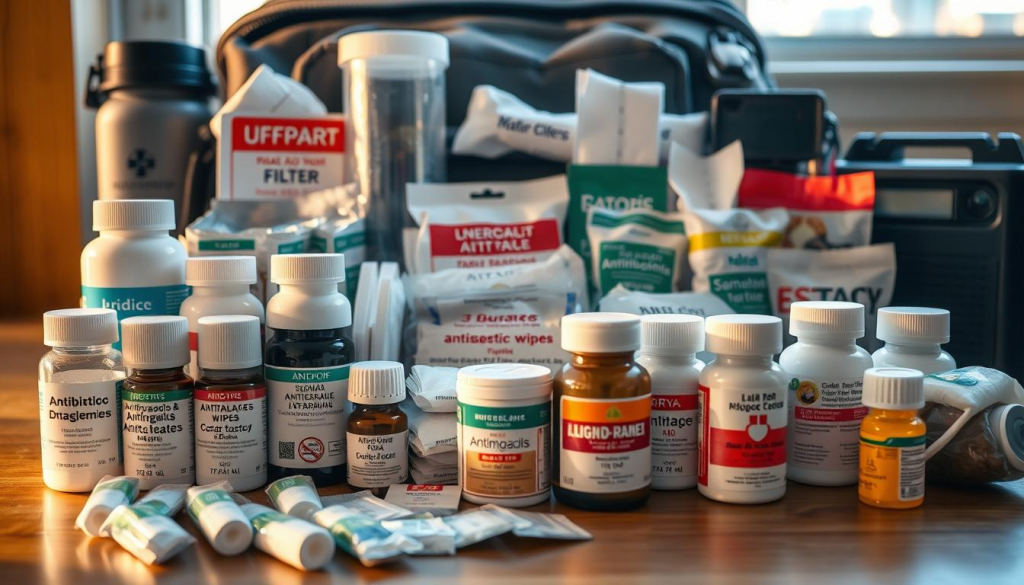
A well-stocked first aid kit is a fundamental component of any bug out bag. It should include bandages, antiseptic wipes, gauze, and medical tape to treat minor injuries. “A good first aid kit can be the difference between a minor issue and a major problem,” says emergency preparedness expert, Jane Doe.
Other essentials to include are scissors, tweezers, and gloves to help you treat injuries safely and effectively.
Hydration and Nutrition Considerations
Staying hydrated and nourished is vital during emergencies. Include water purification tablets or a portable filter to ensure access to safe drinking water. Non-perishable food items like energy bars, nuts, and dried fruits can provide the necessary nutrition.
Personal Hygiene Items
Maintaining personal hygiene is important for both physical and mental health. Pack toilet paper, hand sanitizer, and biodegradable soap to keep yourself clean. As noted by a leading health expert, “Personal hygiene can significantly impact morale and overall well-being during stressful situations.”
“In a survival situation, maintaining hygiene can be as important as finding food and water.”
By including these complementary health supplies in your bug out bag, you’ll be better equipped to handle emergencies and maintain your overall health.
Preparing for Potential Side Effects
Antibiotics are a vital component of any survival kit, but understanding their potential side effects is equally important. When preparing a bug out bag, it’s essential to consider not just the antibiotics themselves, but also how to manage their potential risks.
Common Side Effects of Antibiotics
Antibiotics, while lifesaving, can cause a range of side effects. Common issues include gastrointestinal disturbances such as diarrhea and nausea. Some individuals may also experience allergic reactions, which can range from mild to severe.
To manage these side effects, it’s crucial to be aware of the specific antibiotic you’re taking and its known side effects. For instance, doxycycline can cause sun sensitivity, making it essential to include protective measures like sunscreen in your bug out bag.
Dealing with Allergic Reactions
Allergic reactions to antibiotics can be serious. Symptoms may include rashes, itching, and in severe cases, anaphylaxis. If you suspect an allergic reaction, it’s vital to seek medical help immediately if possible.
In a survival situation, having antihistamines or other allergy medications in your bug out bag can be crucial. Understanding how to administer these can help mitigate the risk of an allergic reaction.
Alternatives if You Can’t Tolerate Antibiotics
For individuals who cannot tolerate antibiotics, there are alternative treatments to consider. Natural remedies like garlic and honey have antimicrobial properties, although their effectiveness can vary.
It’s also worth considering other antimicrobial agents that might be more tolerable. Consulting with a healthcare provider before a disaster can help identify suitable alternatives.
In conclusion, while antibiotics are crucial for survival, being prepared for their potential side effects is equally important. By understanding common side effects, dealing with allergic reactions, and knowing alternatives, you can ensure you’re better prepared for any situation.
Best Practices for Using Antibiotics Wisely
Preppers must understand the importance of using antibiotics judiciously to maintain their efficacy. Antibiotics are a critical component of any bug out bag, but their use requires careful consideration to avoid adverse consequences.
The third source emphasizes the importance of using antibiotics judiciously to avoid antibiotic resistance. This is a crucial aspect of prepper antibiotics that is often overlooked. Using antibiotics wisely ensures that they remain effective when needed most.
Ethical Considerations in Antibiotic Use
The use of antibiotics raises ethical considerations, particularly in survival situations where resources may be limited. It’s essential to weigh the benefits against the potential risks and consider alternative treatments when available.
“The overuse and misuse of antibiotics have led to the emergence of antibiotic-resistant bacteria, making infections harder to treat.”
Avoiding Antibiotic Resistance
Avoiding antibiotic resistance is a key reason for using these medications wisely. This involves understanding the proper dosage, being aware of potential side effects, and not using antibiotics for viral infections.
- Use antibiotics only when necessary.
- Follow the recommended dosage instructions.
- Be aware of potential side effects and allergic reactions.
When Not to Use Antibiotics
It’s equally important to know when not to use antibiotics. These medications are ineffective against viral infections and should not be used as a substitute for proper medical diagnosis.
Using antibiotics for viral infections not only fails to treat the underlying condition but also contributes to antibiotic resistance.
Conclusion: Building Your Essential Bug Out Bag
As we’ve explored, having the right antibiotics in your bug out bag can be a lifesaver in emergency situations. The key is to choose the most effective bug out bag antibiotics that can treat a variety of infections.
Key Antibiotic Options
Antibiotics like Amoxicillin, Ciprofloxacin, and Doxycycline are versatile options that can be used to treat various infections, making them ideal emergency antibiotics for your survival kit.
Effective Packing Strategies
When packing survival antibiotics, it’s essential to consider storage and shelf life. Store them in a cool, dry place, and check expiration dates regularly to ensure they remain effective.
Start Preparing Now
A second source emphasizes the importance of starting your emergency preparations immediately. Don’t wait until it’s too late; begin building your bug out bag today with the right antibiotics and other essential supplies.