
In emergency preparedness, having the right amount of ammunition is crucial. The SHTF Ammo Guide highlights that one of the most common questions people ask when getting ready for an emergency is, “What is the ideal amount of ammo to stockpile?”
Having an adequate supply of ammo in your bug out bag can be a lifesaver in critical situations. It is essential to consider various scenarios where ammo is vital and the consequences of not having enough. Stockpiling the right amount of ammo can significantly enhance your survival chances.
Understanding the importance of ammo in survival situations is key to being prepared. The SHTF Ammo Guide provides valuable insights into stockpiling ammo, emphasizing the need for a well-thought-out strategy.
Key Takeaways
- Determine the ideal amount of ammo based on the type of emergency.
- Consider the number of people the bug out bag is intended for.
- Understand the legal implications of carrying ammo.
- Stockpile ammo according to the anticipated duration of the emergency.
- Regularly check and update your ammo supply.
Understanding the Importance of Ammo in Your Bug Out Bag
The importance of ammo in a bug out bag cannot be overstated, as it directly impacts one’s ability to survive in adverse conditions. Ammunition is not just about having a means to defend oneself; it’s also crucial for hunting and providing sustenance.
When considering the contents of a bug out bag, the quantity and type of ammunition are critical factors. The SHTF Ammo Guide emphasizes the need to plan for multiple situations: defense, hunting, and training, highlighting that stockpiling the right amount of ammunition is critical for survival.
Why Ammo is Crucial for Survival
Ammunition is essential for survival as it provides the means to protect oneself from threats and to hunt for food. In a survival situation, having enough ammo can be the difference between life and death.
The ability to defend oneself is a primary concern in a bug out scenario. Ammo for handguns, rifles, and shotguns serves different purposes, from close-quarters defense to hunting larger game.
Types of Situations You Might Face
In a bug out situation, one might face various scenarios requiring different types of ammunition. For defense, having the right caliber and type of ammo is crucial. For hunting, the type of game dictates the appropriate ammunition.
| Situation | Recommended Ammo Type | Caliber |
|---|---|---|
| Defense | Hollow Point | 9mm, .40 S&W |
| Hunting Small Game | Lead Shot | 12 Gauge |
| Hunting Large Game | Soft Point | .308, .30-06 |
Balancing Between Weight and Firepower
One of the significant challenges in preparing a bug out bag is balancing the weight of the ammunition with the firepower it provides. Too little ammo may leave one unprepared, while too much can be cumbersome.
To strike a balance, consider the most likely scenarios you’ll face and plan your ammo accordingly. For instance, if you’re in a densely wooded area, rifle ammo might be more appropriate than handgun ammo.
Ultimately, understanding the importance of ammo in your bug out bag and making informed decisions about the type and quantity can significantly enhance your chances of survival.
Factors to Consider When Packing Ammo
The right amount of ammunition in your bug out bag depends on several key factors. When preparing for a survival situation, it’s essential to consider the environment you’ll be in, the potential threats you might face, and your personal capabilities.
Local Wildlife and Threat Levels
Assessing the local wildlife and potential threat levels in your area is vital. Different regions have different types of wildlife, some of which may be more aggressive or dangerous than others. For instance, if you live in an area with a high population of bears, you’ll want to ensure you have the appropriate ammunition for bear defense.
Threat Levels: Consider the likelihood of encountering hostile individuals or groups. In areas with higher crime rates or social unrest, you may need more ammunition for personal defense.
Duration of Your Bug Out Scenario
The length of time you plan to be in a bug out situation significantly impacts how much ammunition you should carry. For short-term scenarios, a minimal amount might suffice, but for longer durations, you’ll need to stockpile more.
- Short-term (1-3 days): Minimal ammo, focusing on immediate needs.
- Medium-term (1-2 weeks): Moderate ammo supply, balancing between weight and necessity.
- Long-term (more than 2 weeks): Larger ammo stockpile, considering potential resupply challenges.
Personal Skill and Comfort Level
Your personal skill with firearms and your comfort level with using them are crucial factors. If you’re highly skilled and comfortable, you might require less ammunition as you’ll be more accurate and efficient.
“The key to surviving is not just having the right gear, but knowing how to use it effectively.” – Anonymous Survival Expert
| Skill Level | Ammo Needs |
|---|---|
| Beginner | Higher ammo needs due to lower accuracy. |
| Intermediate | Moderate ammo needs, balancing between practice and conservation. |
| Advanced | Lower ammo needs due to higher accuracy and efficiency. |
Recommended Ammo Types for Bug Out Bags
Understanding the types of ammunition to include in your bug out bag is essential for effective preparedness. The best ammo for a bug out bag balances between versatility, stopping power, and weight considerations.
Handgun Ammo: Versatility and Compactness
Handgun ammunition is a staple in many bug out bags due to its versatility and compactness. 9mm is a popular choice because it offers a good balance between stopping power and magazine capacity.
- Advantages: Compact, widely available, and relatively low recoil.
- Disadvantages: May lack the stopping power of larger calibers.
Rifle Ammo: Range and Accuracy
Rifle ammunition provides the range and accuracy needed for longer-distance engagements. 5.56mm NATO is often recommended for its versatility and the widespread availability of rifles chambered in this caliber.
- Effective against a variety of targets.
- Less recoil compared to larger calibers, allowing for quicker follow-up shots.
Shotgun Shells: Stopping Power
Shotgun shells offer significant stopping power, making them ideal for close-quarters defense. Buckshot and slugs are particularly effective for their ability to deliver a wide spread and deep penetration, respectively.
- Buckshot: Effective for close-range defense against multiple targets.
- Slugs: Provide deep penetration and are effective at longer ranges than buckshot.
In conclusion, the recommended ammo for your bug out bag should be based on the types of situations you anticipate facing, your personal comfort with the firearm, and the balance between weight and firepower. By choosing the right ammunition, you can enhance your preparedness and confidence in a survival situation.
Calculating Your Ammo Needs
Determining the right amount of ammunition for your bug out bag is crucial for survival in emergency situations. The key to effective preparation lies in understanding your personal needs and the potential scenarios you might face.
Estimating Your Personal Usage
To estimate your ammo needs, you must first consider your personal skill level and comfort with firearms. A person who is highly skilled and comfortable with their weapon will likely require less ammunition than someone who is less experienced. It’s essential to be honest about your abilities to avoid under or overestimating your needs.
As “The well-prepared survivalist knows that ammo is a critical component of their bug out bag.” Your usage rate will also depend on the type of firearm you’re using and the environment you’re in. For instance, in a dense urban environment, you might need less ammo compared to a wilderness survival situation.
Planning for Multiple Scenarios
Different scenarios require different amounts of ammunition. For example, a home defense situation might require less ammo than a prolonged survival situation in the wilderness. The SHTF Ammo Guide suggests using a chart to help calculate ammo needs based on various scenarios, which can be a valuable tool in your planning process.
- Consider the likelihood of different scenarios and plan accordingly.
- Think about the duration of the scenario and how it affects your ammo needs.
- Take into account the number of people you’re preparing for.
Adjusting Quantity Based on Needs
Once you have an estimate of your ammo needs, it’s crucial to adjust the quantity based on your specific situation. If you’re preparing for a family, you’ll need to multiply your individual needs accordingly. It’s also wise to consider the weight and space constraints of your bug out bag.
“In a survival situation, having the right amount of ammo can be the difference between life and death.” – Survival Expert
By carefully considering these factors and using resources like the SHTF Ammo Guide, you can determine the ideal amount of emergency ammo for your bug out bag, ensuring you’re prepared for any situation that may arise.
Ideal Calibers for Bug Out Situations
Understanding the ideal calibers for bug out situations is essential for anyone looking to be prepared. The right ammunition can significantly enhance your ability to handle various survival scenarios.
Popular Calibers for Handguns
For handguns, the 9mm caliber is widely regarded as a versatile and effective choice. It offers a good balance between stopping power and magazine capacity. Other popular options include the .40 S&W and .45 ACP, each with its own advantages.
Recommended Rifle Calibers
Rifles are crucial for longer-range engagements, and the 5.56mm NATO is a recommended caliber due to its widespread use and the availability of ammunition. The .223 Remington is another popular choice, often used in AR-15 platforms.
Considerations for Shotguns
Shotguns are valuable for close-quarters defense and can fire a variety of ammunition types, including buckshot and slugs. When choosing a shotgun, consider the gauge and the type of ammunition you plan to carry.
| Firearm Type | Recommended Caliber | Advantages |
|---|---|---|
| Handgun | 9mm | Versatile, good stopping power, high magazine capacity |
| Rifle | 5.56mm NATO | Effective at range, widely available ammunition |
| Shotgun | 12-gauge | Effective at close range, versatile ammunition options |
Selecting the ideal caliber for your bug out bag involves considering the types of situations you might face and the firearms you plan to use. By choosing the right ammunition, you can enhance your preparedness and confidence in the face of uncertainty.
Weight Limitations and Ammo Storage
Effective bug out bag planning requires careful consideration of ammo weight and storage to ensure optimal preparedness. When it comes to packing ammo, it’s crucial to strike a balance between having enough ammunition for survival situations and not overburdening yourself with too much weight.
How Much Can You Carry?
The amount of ammo you can carry depends on several factors, including your physical condition, the duration of your bug out scenario, and the overall weight of your gear. A general rule of thumb is to allocate a certain percentage of your total bug out bag weight to ammunition.
For instance, if your bug out bag is designed to last for a week and weighs around 30 pounds, you might consider dedicating 10-20% of that weight to ammo, which translates to 3-6 pounds. This can be broken down into a mix of handgun, rifle, and shotgun ammunition, depending on your specific needs.
Efficient Storage Solutions
Efficient storage is key to maximizing your ammo carrying capacity. Using ammo cans and waterproof bags can help protect your ammunition from the elements and keep it organized. Consider using a modular storage system that allows you to easily access and manage your ammo.
Some popular storage solutions include:
- Plastic ammo cans with secure latches
- Waterproof pouches designed for tactical gear
- MOLLE-compatible ammo pouches for attaching to your bag
Distributing Weight Across Your Gear
Distributing the weight of your ammo across your gear is essential for maintaining comfort and mobility. Consider wearing some of your ammo on your person, such as in a tactical vest or utility belt, and storing the rest in your bug out bag.
| Ammo Type | Weight per Round | Recommended Quantity |
|---|---|---|
| Handgun Ammo | 15 grams | 100-200 rounds |
| Rifle Ammo | 30 grams | 50-100 rounds |
| Shotgun Shells | 40 grams | 20-50 rounds |
By carefully planning your ammo storage and distribution, you can ensure that you have the right amount of firepower without compromising your ability to move quickly and efficiently.
Practical Tips for Packing Ammo
Effective ammo packing is a critical component of a well-prepared bug out bag, and there are several tips to help you achieve this. When preparing for a survival situation, the way you pack your ammo can significantly impact your ability to respond effectively.
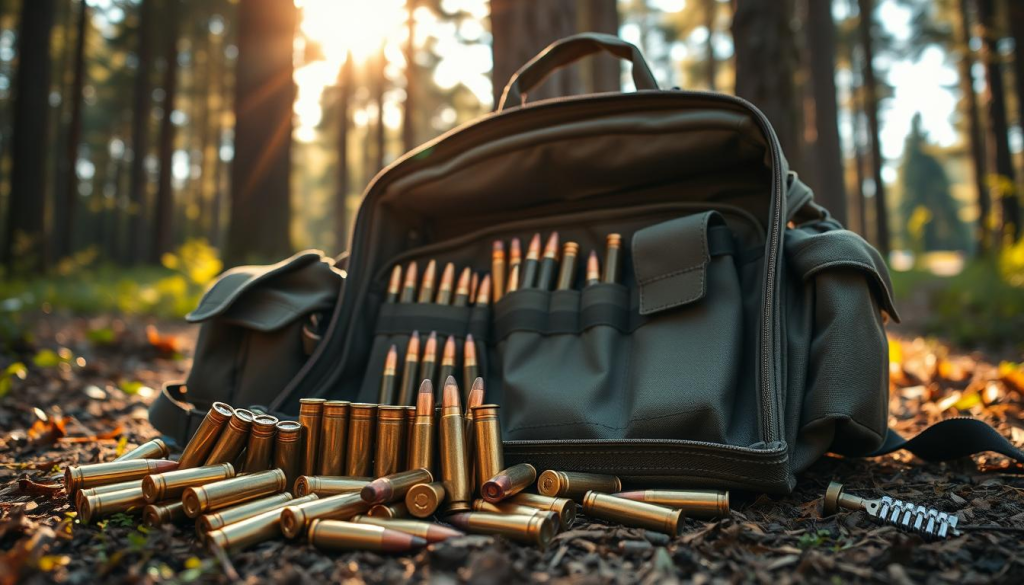
Use of Ammo Cans and Bags
Using ammo cans and bags is a highly recommended method for storing stockpile ammo for bug out bag. Ammo cans provide a durable, waterproof container that can protect your ammunition from the elements. The SHTF Ammo Guide suggests utilizing these cans to keep your ammo dry and secure.
When selecting ammo cans, consider the size and material. Metal cans are more durable and offer better protection against moisture and physical damage. Ensure the cans are properly sealed to maintain their waterproof integrity.
Keeping Round Count Organized
Maintaining an organized round count is crucial for ensuring you have the right amount of ammo for your needs. This involves keeping track of the number of rounds you have, the type of ammunition, and its condition. An organized system helps in avoiding confusion during stressful situations.
One effective method is to label each container with its contents and the date it was packed. This not only helps in keeping track of your best ammo for bug out bag but also ensures that older stock is used before it expires.
Importance of Weatherproofing
Weatherproofing your ammo is essential for maintaining its effectiveness. Moisture, extreme temperatures, and physical damage can all render your ammunition useless. Using waterproof containers and bags can significantly enhance the longevity of your stockpile.
In addition to using ammo cans, consider the overall storage conditions of your bug out bag. Keeping the bag in a dry, cool place and protecting it from direct sunlight can help preserve the quality of your ammunition.
By following these practical tips, you can ensure that your ammo is stored effectively, maintaining its quality and readiness for any situation.
Legal Considerations for Ammo in Your Bug Out Bag
Knowing the laws regarding ammunition is a critical aspect of preparing your bug out bag. As you assemble your emergency kit, it’s essential to understand the legal implications of carrying recommended ammo for bug out bag and emergency ammo for bug out bag across different jurisdictions.
Federal and State Regulations
Ammunition laws in the United States are governed by a combination of federal and state regulations. At the federal level, laws primarily focus on the sale, possession, and transportation of ammunition, including background checks for certain purchases. However, state laws can vary significantly, with some states imposing stricter regulations on the types of ammunition that can be purchased, possessed, or transported.
For instance, some states have banned certain types of ammunition, such as armor-piercing rounds. It’s crucial to familiarize yourself with the specific laws in your state and any states you might travel through during an emergency.
Transporting Ammo Legally
When transporting ammunition, whether in your bug out bag or otherwise, it’s vital to comply with legal requirements. This includes storing ammunition in its original packaging or a protective container to prevent accidental discharge. Some states require ammunition to be stored in a specific manner, especially when being transported.
Additionally, when traveling across state lines, you must be aware of the laws regarding ammunition transport in those jurisdictions. It’s not just about having the right ammo; it’s about transporting it legally.
Safe Disposal of Expired Rounds
Ammunition can degrade over time, becoming less reliable or even dangerous. If your bug out bag ammo is nearing or has passed its expiration date, it’s essential to dispose of it safely. Many local law enforcement agencies or shooting ranges offer ammunition disposal services.
Before disposing of expired rounds, check local regulations, as procedures can vary. Proper disposal ensures that you’re not only complying with the law but also contributing to community safety.
In conclusion, being aware of and complying with legal considerations for ammo in your bug out bag is as important as having the right amount and type of ammunition. By understanding federal and state regulations, transporting ammo legally, and safely disposing of expired rounds, you can ensure that your preparedness efforts are both effective and lawful.
Regular Maintenance and Checks
Ammo maintenance is not just about having bullets; it’s about having reliable ones. Ensuring your bug out bag’s ammo is in good condition is crucial for survival situations.
Inspecting Ammo for Quality
Regular inspection of your ammo is vital. Check for signs of corrosion, damage, or wear on the casings and bullets. Any compromised ammo should be removed from your bug out bag to prevent misfires or other issues.
- Look for visible signs of corrosion or rust.
- Check the brass for dents or other damage.
- Ensure the bullets are securely seated.
Regularly Updating Your Stock
Ammo doesn’t last forever. Regularly updating your stock ensures you have fresh, reliable ammo. Check expiration dates or “manufactured date” codes to determine the age of your ammo.
- Check your ammo stock every 6 months.
- Replace any ammo that’s near or past its expiration date.
- Consider rotating your stock to ensure older ammo is used first.
Rotation Strategies for Freshness
Implementing a rotation strategy can help maintain freshness. Use the “first in, first out” rule to ensure older ammo is used before newer stock.
“The key to maintaining a reliable ammo stock is regular inspection and rotation. It’s not just about having a lot of ammo, but having ammo that will work when you need it.”
By following these guidelines, you can ensure your bug out bag’s ammo is reliable and ready for use. This not only enhances your survival chances but also gives you peace of mind knowing you’re prepared.
Conclusion: Finding the Right Ammo Balance
Determining the ideal amount of ammo for your bug out bag is crucial for preparedness. It’s about striking a balance between being over-prepared and under-prepared.
Personalizing Your Ammo Needs
Tailoring your bug out bag to your personal needs involves considering your environment, skill level, and the scenarios you might face. This personalized approach helps in deciding how much ammo is sufficient for your bug out bag.
Avoiding overpacking while staying prepared is a delicate balance. You need to assess your needs and pack accordingly, ensuring you have the ideal amount of ammo for bug out bag situations.
Staying Prepared Without Overdoing It
Regular maintenance and checks on your ammo are essential. This includes inspecting for quality, updating your stock, and rotating rounds to ensure freshness. By doing so, you’ll be well-prepared for any situation that arises, with the right amount of ammo for your bug out bag.
The SHTF Ammo Guide emphasizes that finding the right ammo balance is key to being prepared. By considering your needs and maintaining your gear, you can ensure you’re ready for whatever comes next.