
In emergency situations, having a well-stocked bug out bag can be a lifesaver. A crucial component of this bag is a medical kit, which provides essential supplies to treat injuries and prevent infections.
According to MIRA Safety, a reliable first-aid kit is vital for survival. It should include items to address various medical needs, ensuring you’re prepared for any situation.
A survival medical kit is not just a nicety, it’s a necessity. By including one in your bug out bag, you’ll be better equipped to handle emergencies and stay safe.
Key Takeaways
- A bug out bag should include a well-stocked medical kit.
- A medical kit provides essential supplies for treating injuries.
- Reliable first-aid kits are crucial for survival in emergency situations.
- A survival medical kit should include items to address various medical needs.
- Having a medical kit can help prevent infections and save lives.
Understanding the Importance of a Bug Out Bag Medical Kit
A well-prepared bug out bag medical kit is vital for treating injuries and managing chronic conditions during emergencies. In disaster situations, medical help may be delayed or unavailable, making it crucial to have the necessary emergency medical essentials on hand.
Why You Need a Medical Kit
A medical kit is essential for addressing unexpected medical issues that may arise during an emergency evacuation. It provides the necessary supplies to treat wounds, prevent infections, and manage chronic conditions, thereby increasing the chances of survival. A compact medical kit is designed to be portable and easily accessible, making it a critical component of any bug out bag.
Key Components of a Medical Kit
The key components of a medical kit include basic first-aid supplies such as bandages, antiseptic wipes, pain relievers, and any personal medications. It’s also important to include disaster preparedness medical supplies like tourniquets, hemostatic agents, and splints to address more severe injuries. Ensuring that your medical kit is well-stocked and tailored to your specific needs is vital for effective emergency response.
The Difference Between Home and Bug Out Kits
While a home medical kit is designed for treating minor injuries and illnesses in a stable environment, a bug out bag medical kit is tailored for emergency situations where you may need to evacuate quickly. The bug out bag medical kit is typically more compact and focused on addressing immediate medical needs during a crisis. Understanding these differences is crucial for preparing an effective compact medical kit that meets your emergency needs.
Essential Items for Your Medical Kit
Equipping your bug out bag with a comprehensive medical kit is essential for handling medical emergencies. A well-stocked medical kit can provide the necessary tools to treat injuries, manage pain, and stabilize patients until professional medical help is available.
First-Aid Supplies
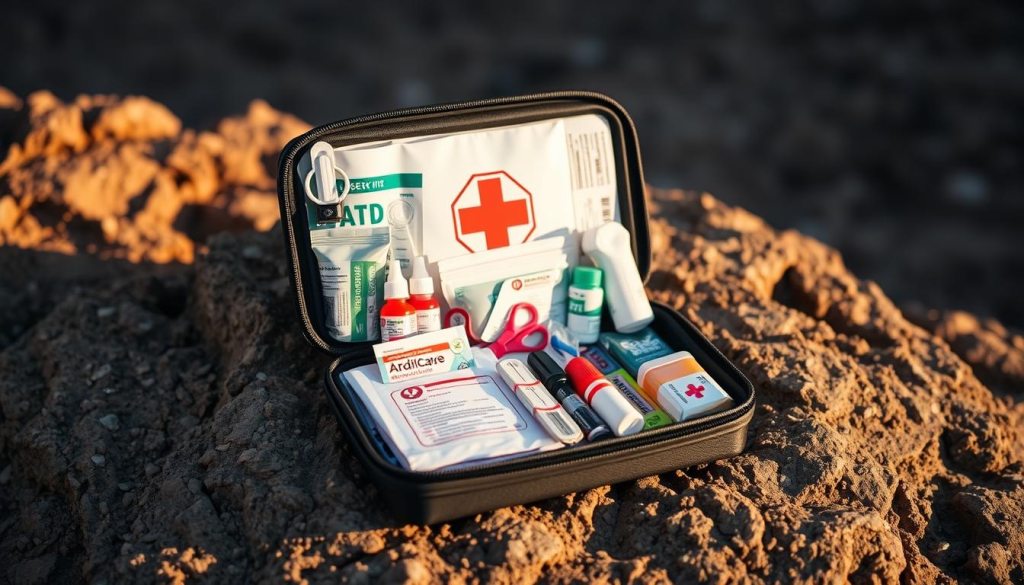
First-aid supplies are the foundation of any medical kit. These should include a variety of bandages, antiseptic wipes, and other basic wound care items. A portable first aid kit should be compact and lightweight, making it easy to carry in a bug out bag.
- Bandages: assorted sizes and types, including gauze pads and rolls
- Antiseptic wipes: for cleaning wounds
- Medical tape: for securing bandages
- Gauze: for dressing wounds
Medications to Include
In addition to first-aid supplies, a medical kit should also include a selection of medications to help manage pain, prevent infection, and treat other medical conditions. A lightweight medical kit can include:
- Pain relievers: such as acetaminophen or ibuprofen
- Antibiotics: for treating infections
- Antihistamines: for allergic reactions
- Prescription medications: for individuals with specific medical needs
Tools for Immediate Care
Tools for immediate care are critical in emergency situations. These can include items such as tourniquets, hemostatic agents, and CPR masks. A trauma first aid kit should be equipped to handle severe injuries.
| Tool | Description | Use |
|---|---|---|
| Tourniquet | A device used to stop bleeding | Severe limb injuries |
| Hemostatic agent | A substance that promotes blood clotting | Severe bleeding |
| CPR mask | A device used for CPR | Cardiac arrest |
By including these essential items, you can ensure that your medical kit is equipped to handle a range of medical emergencies, from minor injuries to life-threatening conditions.
First-Aid Techniques Every Prepper Should Know
Knowing the right first-aid techniques is crucial for preppers to respond effectively in crisis situations. In emergencies, the ability to provide immediate care can significantly impact outcomes, potentially saving lives and preventing further injury.
Basic Wound Care
Basic wound care is a fundamental first-aid skill that involves cleaning and dressing wounds to prevent infection. The first step is to stop the bleeding by applying gentle pressure with a clean cloth or bandage. Once the bleeding is controlled, the wound should be cleaned with clean water and mild soap. Avoid using harsh soap or other cleansers that can irritate the skin. After cleaning, apply an antibiotic ointment to help prevent infection, and cover the wound with a sterile bandage.
It’s also important to monitor the wound for signs of infection, such as redness, swelling, increased pain, or pus. If any of these symptoms occur, seek medical attention immediately.
How to Handle Sprains and Strains
Sprains and strains are common injuries that can occur during emergencies or while navigating through challenging environments. The initial treatment for both involves the RICE method: Rest, Ice, Compression, and Elevation. Resting the injured area and avoiding activities that aggravate the injury are crucial. Applying ice helps reduce pain and swelling, while compression with an elastic bandage can help reduce swelling further. Elevating the injured limb above the level of the heart also aids in reducing swelling.
It’s essential to assess the severity of the sprain or strain. If there’s significant pain, swelling, or difficulty moving the affected limb, it’s advisable to seek medical help.
CPR and First Aid Certification
Having CPR and first aid certification is invaluable for preppers. These certifications provide training on how to respond to cardiac arrests, injuries, and other medical emergencies. CPR (Cardiopulmonary Resuscitation) involves chest compressions and rescue breaths to help maintain blood circulation and oxygenation to vital organs until professional medical help arrives.
First aid certification courses cover a wide range of topics, including wound care, fracture management, and recognizing the signs of serious medical conditions. By obtaining these certifications, preppers not only gain the knowledge to handle emergencies but also the confidence to act decisively in critical situations.
Customizing Your Medical Kit for Family Needs
A well-prepared medical kit should be tailored to the specific requirements of your family, including children, seniors, and those with chronic conditions. This customization ensures that your kit is equipped to handle the unique health needs of each family member during an emergency.
Pediatric Considerations
When it comes to children, a compact medical kit should include supplies that cater to their specific needs. This includes pediatric-sized bandages, antibiotic ointments, and medications like acetaminophen or ibuprofen in child-friendly formulations. It’s also crucial to include any medications specific to your child’s health conditions, such as EpiPens for severe allergic reactions.
Senior Citizen Adaptations
For senior citizens, the medical kit should be adapted to include medications and supplies that address common age-related health issues. This may include medications for heart conditions, blood pressure monitors, and supplies for managing diabetes, such as glucose test strips. As emphasized by a medical expert, “Preparing for emergencies involves understanding the specific health needs of your family members.”
“Preparing for emergencies involves understanding the specific health needs of your family members.”
Chronic Condition Management
Families with members having chronic conditions need to ensure their portable first aid kit is stocked with the necessary emergency medical essentials. This includes extra supplies of prescription medications, equipment for managing the condition (e.g., inhalers for asthma), and educational materials on how to respond during an emergency.
By customizing your medical kit to meet the diverse needs of your family, you can ensure a more effective response to emergencies. It’s about being prepared with the right emergency medical essentials for every family member.
Selecting the Right Storage for Your Kit
Selecting the appropriate storage for your medical kit is a critical decision that can impact its usability in emergency situations. A well-organized and accessible medical kit can be the difference between a successful response to an emergency and a delayed one.
Waterproof vs. Non-Waterproof Options
When deciding on storage, one of the primary considerations is whether to opt for a waterproof or non-waterproof container. Waterproof containers offer protection against water and moisture, making them ideal for environments where exposure to the elements is a concern. On the other hand, non-waterproof options might be sufficient for controlled environments or when the kit is stored in a protective outer bag.
A comparison of waterproof and non-waterproof options is crucial. The following table highlights key differences:
| Feature | Waterproof Containers | Non-Waterproof Containers |
|---|---|---|
| Protection Against Water | High | Low |
| Cost | Generally Higher | Generally Lower |
| Durability | High | Variable |
Size and Weight Considerations
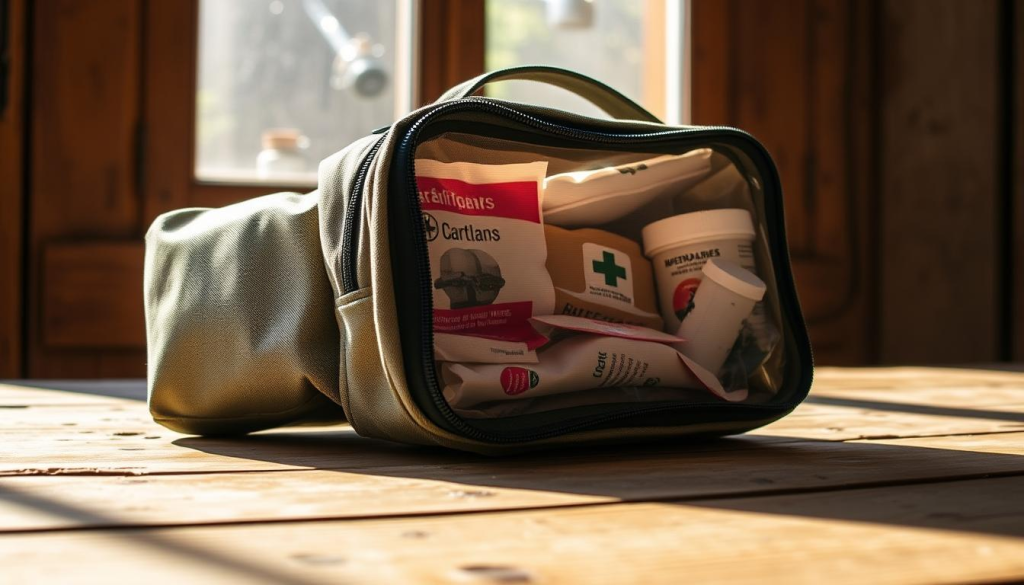
The size and weight of your medical kit storage are critical, especially if you plan to carry it in a bug out bag. A lightweight medical kit that is compact can be easily carried, ensuring that you are not encumbered during an emergency. Consider a portable first aid kit that balances between being compact and having enough space for essential supplies.
Organizational Tools to Use
To maximize the effectiveness of your medical kit, it’s essential to use organizational tools. These can include small pouches, dividers, and labeling to categorize and easily locate supplies. An organized kit saves time during emergencies and reduces the likelihood of overlooking critical supplies.
Some recommended organizational tools include:
- Small pouches for categorizing supplies
- Dividers to separate different types of supplies
- Labeling to identify contents easily
By carefully selecting the right storage for your medical kit, considering factors such as waterproofing, size, weight, and organization, you can ensure that your kit is both effective and ready for use in emergency situations.
Regular Maintenance and Inventory Checks
The effectiveness of your bug out bag medical kit hinges on regular inventory checks. Ensuring that your medical supplies are up-to-date and not expired is crucial for disaster preparedness. Regular maintenance is not just about checking expiration dates; it’s about being prepared for any situation.
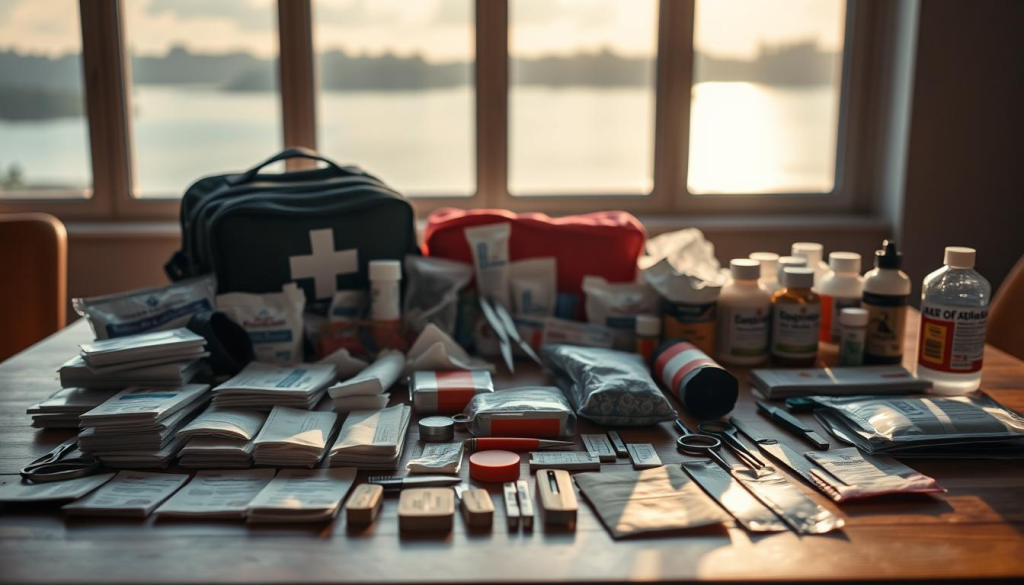
To maintain your medical kit effectively, you need to understand the importance of rotating supplies. This involves replacing used or expired items to ensure that your kit remains fully stocked. It’s a simple yet effective way to guarantee that your medical kit is always ready for use.
Rotating Supplies Effectively
Rotating supplies is a critical aspect of medical kit maintenance. It involves regularly inspecting your kit and replacing any items that have been used or are near expiration. A good rule of thumb is to check your kit every six months and update it as necessary.
- Check for expired or nearly expired items.
- Replace used or damaged supplies.
- Restock your kit according to your family’s needs.
Checking Expiration Dates
One of the most critical tasks in maintaining your medical kit is checking the expiration dates of your supplies. Expired medical supplies can be ineffective or even dangerous. Make it a habit to regularly inspect your kit for expired items and replace them promptly.
“The key to a successful medical kit is not just what’s in it, but also ensuring that everything is usable and not past its expiration date.”
Keeping Your Kit Updated
Keeping your medical kit updated involves more than just checking expiration dates. It requires reviewing your kit’s contents regularly to ensure they meet your current needs. This might involve adding new supplies or removing items that are no longer necessary.
By following these steps, you can ensure that your bug out bag medical kit is always ready to provide the necessary emergency medical essentials during a disaster or survival situation.
Additional Resources for Medical Preparedness
Being prepared for medical emergencies involves more than just a well-stocked survival medical kit; it also requires the right training and information. In today’s world, there are numerous resources available to help individuals enhance their medical preparedness.
To effectively respond to emergencies, one must have access to a variety of resources that can provide valuable information and training. This includes a range of materials and opportunities that can help individuals develop their skills and knowledge in medical preparedness.
Books to Enhance Your Knowledge
One of the foundational resources for medical preparedness is literature that provides in-depth information on first aid, medical emergencies, and survival techniques. Books such as “Where There Is No Doctor” by David Werner offer comprehensive guidance on medical care in various settings.
Other valuable resources include publications from reputable organizations such as the American Red Cross, which publishes guides on first aid and CPR. These texts are invaluable for both beginners and experienced individuals looking to refresh their knowledge.
Online Courses and Certifications
In addition to printed materials, online courses and certifications are an excellent way to gain hands-on training and knowledge. Platforms like Coursera and Udemy offer courses on first aid, emergency response, and medical care.
Certifications from recognized bodies such as the American Heart Association (AHA) in CPR and First Aid are highly regarded and can significantly enhance one’s ability to respond to medical emergencies. These courses often include practical training and assessment, ensuring that individuals are competent in their skills.
Community Workshops and Training
Community workshops and training sessions provide an opportunity for hands-on learning and community engagement. Many local communities offer first aid training and emergency response workshops, often led by experienced professionals.
Participating in these workshops not only enhances one’s skills but also fosters a sense of community and preparedness. It is an effective way to meet like-minded individuals and learn from their experiences.
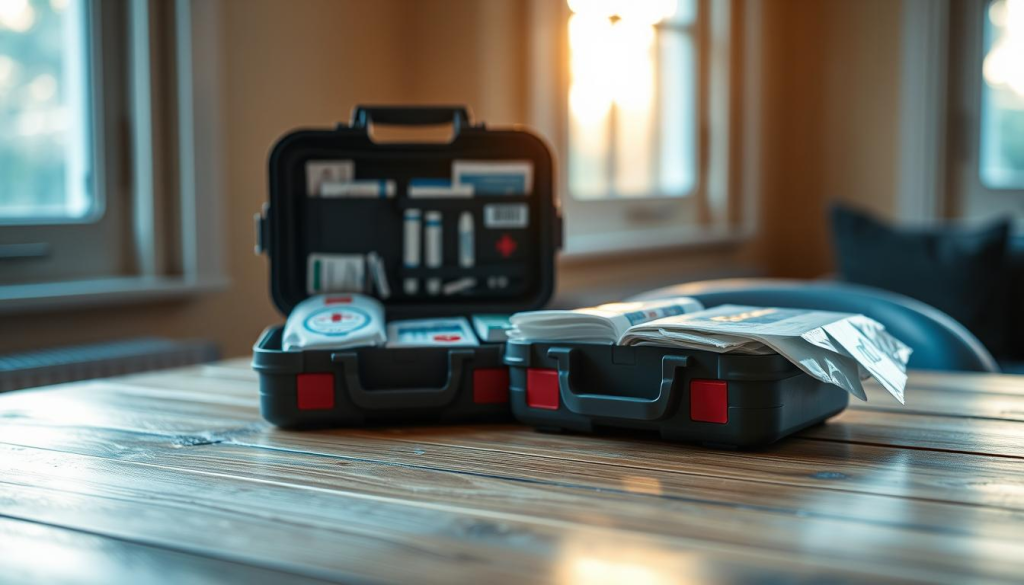
By leveraging these additional resources, individuals can significantly enhance their medical preparedness, ensuring they are better equipped to handle emergencies with confidence. Whether through literature, online courses, or community training, there are numerous pathways to achieving a high level of readiness.
Real-Life Scenarios and How to Prepare
Understanding the types of emergencies you might face is key to preparing an effective bug out bag medical kit. Real-life scenarios can vary widely, from natural disasters to urban emergencies and outdoor adventures, each requiring specific medical preparedness.
Natural Disasters
Natural disasters such as earthquakes, hurricanes, and floods can cause significant injuries and medical emergencies. A well-prepared trauma first aid kit should include supplies for treating wounds, fractures, and other trauma-related injuries. It’s also crucial to have a plan for accessing medical care during such events.
For instance, during an earthquake, the risk of injury from falling debris is high. Having emergency medical essentials like bandages, antiseptic wipes, and pain relievers can be lifesaving. Moreover, knowing basic first aid techniques can help you respond effectively.
Urban Emergencies
Urban emergencies, including terrorist attacks and civil unrest, present unique challenges. In such scenarios, having a disaster preparedness medical supplies kit that is easily accessible can be critical. The kit should be compact and contain essentials for treating various injuries.
Urban emergencies often involve crowded areas, increasing the risk of stampedes and crush injuries. A well-stocked first aid kit can help manage such injuries until professional medical help arrives.
Outdoor Adventures
Outdoor adventures, such as hiking and camping, come with their own set of risks, including accidents and exposure to the elements. A trauma first aid kit tailored for outdoor use should include items for treating blisters, sprains, and other common outdoor injuries.
For outdoor enthusiasts, it’s also important to consider the environment and potential hazards such as wildlife encounters or extreme weather conditions. Having the right emergency medical essentials and knowledge can make a significant difference in survival and recovery.
In conclusion, preparing for real-life scenarios involves understanding the specific risks associated with different types of emergencies and equipping yourself with the necessary medical supplies and knowledge. By doing so, you can ensure that you are prepared to respond effectively in a range of situations.
Conclusion: Making Your Medical Kit a Priority
Having a well-stocked bug out bag medical kit is crucial in emergency situations, enabling individuals to respond effectively and stay safe. As discussed throughout this article, a medical kit is not just a collection of supplies; it’s a lifeline that can make a significant difference in survival situations.
Preparedness is Key
Being prepared with emergency first aid supplies can greatly reduce the risk of injury or illness becoming fatal. A survival medical kit should be tailored to the individual’s or family’s specific needs, including considerations for pediatric, senior, or chronic condition requirements.
Encouraging a Culture of Preparedness
It’s not just about personal preparedness; encouraging others to prioritize their bug out bag medical kit can foster a community that is better equipped to handle emergencies. By sharing knowledge and resources, individuals can help create a safer, more resilient community.
Next Steps in Bug Out Bag Readiness
Now that you’ve learned about the importance of a bug out bag medical kit, take the next step by reviewing and updating your kit regularly. Ensure that your emergency first aid supplies are not expired and that your survival medical kit is easily accessible and well-maintained.