
Creating a survival kit is a crucial step in emergency preparedness. A portable collection of essential items can help you survive for at least 72 hours during a disaster or emergency.
A well-prepared emergency kit should include clothing, food, water, first aid supplies, and communication tools. Customizing your kit according to your needs is vital for effective emergency response.
Key Takeaways
- Customize your survival kit according to your needs.
- Include essential items like food, water, and first aid supplies.
- A well-prepared kit can help you survive for at least 72 hours.
- Regularly update your kit to ensure it remains relevant.
- Consider including communication tools and important documents.
Understanding the Importance of a Bug Out Bag
The significance of a bug out bag lies in its ability to provide essential items during emergency situations. A bug out bag is designed to be a portable collection of vital supplies that can sustain an individual or family for a short period, typically 72 hours, during a crisis.
What is a Bug Out Bag?
A bug out bag, also known as a survival kit or emergency bag, is a crucial element of disaster planning. It’s not just about throwing some supplies into a bag; it’s about carefully selecting items that will help you navigate through a difficult situation.
Why You Need One for Emergencies
Having a bug out bag is vital because it provides the necessary tools to respond to emergencies effectively. Whether it’s a natural disaster, a personal emergency, or other crisis, a well-prepared bug out bag can be the key to survival.
Different Scenarios That Call for a Bug Out Bag
Various scenarios may require the use of a bug out bag, including natural disasters like hurricanes, earthquakes, or floods, as well as personal emergencies such as home fires or medical emergencies. Being prepared with a bug out bag can make a significant difference in how you respond to these situations.
Essential Items to Include in Your Bug Out Bag
Assembling a bug out bag requires careful consideration of the essential items that will sustain you during an emergency. A well-stocked bug out bag is your best bet for survival, providing you with the necessary backpacking essentials to navigate through challenging situations.
Water and Water Filtration Systems
Water is a critical component of any survival kit. Including a water filtration system or purification tablets in your bug out bag can ensure access to safe drinking water. Consider a portable filter like the LifeStraw or water purification tablets as part of your prepper gear.
Food Supplies and Nutritional Considerations
Non-perishable food items are vital for sustaining energy during emergencies. Include a mix of high-calorie foods, such as nuts and dried fruits, along with ready-to-eat meals. Consider the nutritional needs of all family members, including children and individuals with dietary restrictions.
| Food Type | Nutritional Value | Shelf Life |
|---|---|---|
| Nuts and Seeds | High in Protein and Calories | Up to 2 years |
| Dried Fruits | Rich in Fiber and Vitamins | Up to 1 year |
| Ready-to-Eat Meals | Balanced Nutrition | Varies by product |
First Aid Kit Essentials
A comprehensive first aid kit is a crucial element of any prepper gear. Include bandages, antiseptic wipes, pain relievers, and any prescription medications. Ensure that your first aid kit is easily accessible and that all family members know how to use the items within.
Tools and Multi-Use Equipment
Multi-use tools can significantly enhance your ability to respond to emergencies. Include a pocket knife, a multi-tool, and a fire starter in your bug out bag. These backpacking essentials can help with a variety of tasks, from cutting to starting a fire for warmth and cooking.
By carefully selecting the items for your bug out bag, you can ensure that you’re prepared for a wide range of emergencies. Remember to review and update your bug out bag regularly to ensure that all items are still usable and not expired.
Choosing the Right Bag for Your Needs
A well-chosen bug out bag is essential for effective emergency response. It’s not just about grabbing any bag; it’s about selecting a bag that meets your specific needs, ensuring you’re prepared for any situation.
Types of Bags Suitable for Bugging Out
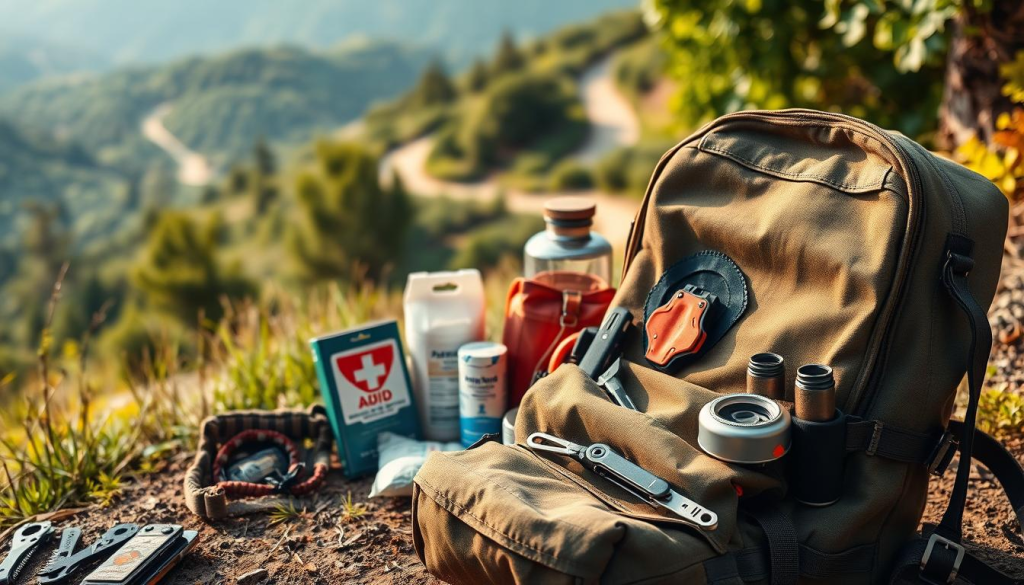
When it comes to bugging out, the type of bag you choose can significantly impact your experience. Backpacks are a popular choice due to their comfort and ability to distribute weight evenly. Rolling bags or duffel bags offer ample space and can be easier to maneuver in certain situations. Consider your personal preferences, the terrain you’ll be navigating, and the duration of your potential bug out scenario when deciding.
Size Considerations: How Much Space is Needed?
Determining the right size for your bug out bag is crucial. You need enough space to carry essential emergency supplies, such as food, water, first aid kits, and tools, without overburdening yourself. A general rule of thumb is to choose a bag that can hold everything you need for at least 72 hours. Consider the volume in liters or the bag’s capacity in cubic inches to gauge its size.
Features to Look for in a Bug Out Bag
A good bug out bag should have several key features. Look for durable materials and water-resistant designs to protect your gear. Comfortable, padded shoulder straps and a supportive back panel can make a big difference during extended wear. Additionally, consider bags with multiple compartments and pockets for organization, as well as MOLLE (Modular Lightweight Load-carrying Equipment) compatibility for attaching additional gear.
By carefully considering the type, size, and features of your bug out bag, you can ensure that you’re well-prepared for any emergency situation that may arise. Your bug out bag is a critical component of your prepper gear, and investing time in choosing the right one is well worth the effort.
Customizing Your Bug Out Bag for Family Needs
Customizing your bug out bag to meet the unique needs of your family members is a key aspect of effective emergency preparedness. A well-prepared bug out bag is not just about having the right gear, but also about ensuring that it caters to the diverse requirements of your family.
Tailoring Gear for Children
When it comes to children, a bug out bag needs to include items that are specifically designed for their needs. This can range from diapers and formula to child-friendly food and entertainment.
- Diapers and wipes
- Formula or baby food
- Child-friendly snacks
- Favorite toys or comfort items
- Child-specific medications
Considerations for Pets
Pets are also an important consideration when preparing a bug out bag. Ensuring that you have enough pet food, water, and any necessary medication is crucial.
| Pet Needs | Description |
|---|---|
| Food and Water | Enough for at least 3 days |
| Medications | Any necessary prescription medications |
| Comfort Items | Favorite toys or blankets |
Special Needs for Seniors or Disabled Individuals
For seniors or disabled individuals, it’s essential to include items that cater to their specific needs, such as extra medication, specialized equipment, or personal care items.
- Extra medication and prescriptions
- Specialized equipment (e.g., wheelchairs, walkers)
- Personal care items (e.g., glasses, hearing aids)
- Important documents (e.g., medical records, ID)
By tailoring your bug out bag to the needs of all family members, you can ensure that everyone is prepared in case of an emergency.
Creating a Bug Out Bag Checklist
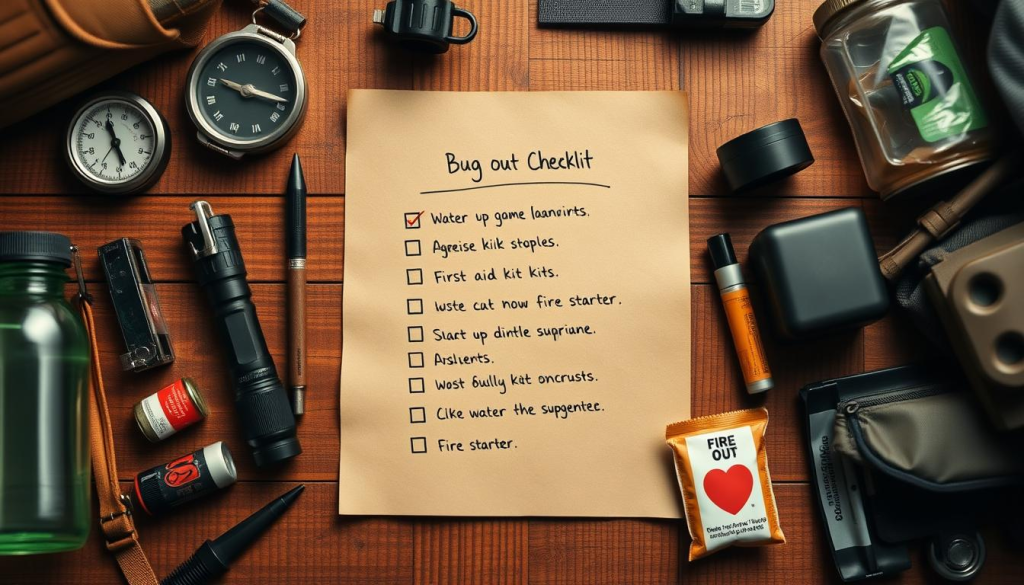
Creating a bug out bag checklist is an essential task for anyone serious about disaster planning and emergency supplies. A well-organized checklist ensures that your bug out bag is equipped with the necessary items to help you survive in various emergency scenarios.
Comprehensive Checklists for Different Scenarios
Different emergencies require different responses. For instance, a natural disaster like a hurricane may require more focus on shelter and food, while a personal emergency might necessitate a different set of priorities. A comprehensive checklist should account for various scenarios, including natural disasters, personal emergencies, and economic crises.
To create a versatile checklist, consider the following categories:
- Water and food supplies
- First aid kit
- Tools and multi-use equipment
- Communication devices
- Personal documents and cash
As “The preparedness mantra is ‘hope for the best, plan for the worst'”, a well-structured checklist is key to being prepared for any situation.
Seasonal Considerations for Your Gear
Seasonal changes can significantly impact the type of gear you need in your bug out bag. For example, during winter, warm clothing and a means to start a fire are crucial, while in summer, protection from the sun and hydration become more important.
When tailoring your checklist to seasonal needs, consider:
- Climate-specific clothing and gear
- Seasonal hazards (e.g., snowstorms, heatwaves)
- Appropriate shelter and warmth sources
Regularly reviewing and updating your checklist based on seasonal changes ensures your bug out bag remains relevant.
“Preparation is the key to survival. A bug out bag is not just a bag; it’s a lifeline in times of crisis.”
Regular Maintenance and Updates of Your Bag
A bug out bag is not a ‘set it and forget it’ item. It requires regular maintenance to ensure that all contents are still usable and not expired.
To maintain your bug out bag effectively:
- Check expiration dates of food, water, and medical supplies
- Test batteries and communication devices
- Update personal documents and cash as needed
Regular maintenance not only ensures your bag is ready but also gives you peace of mind, knowing you’re prepared for emergencies.
Tips for Building a Budget-Friendly Bug Out Bag
Creating a budget-friendly bug out bag requires some creativity and resourcefulness. With a little planning, you can assemble a reliable bug out bag that fits your financial means.
Sourcing Gear for Less: Where to Shop
One of the most effective ways to build a budget-friendly bug out bag is to source gear at discounted prices. Consider shopping during sales or using coupons to reduce costs. Online marketplaces like Amazon or eBay often have discounted prices on prepper gear and survival equipment.
You can also visit local outdoor gear stores or second-hand shops to find affordable options. When shopping, prioritize essential items like water filtration systems, first aid kits, and multi-tools.
DIY Solutions for Essential Items
Another way to save money is to consider DIY solutions for essential items. For example, you can create your own water filtration system using a DIY kit or make a first aid kit using basic medical supplies.
Some other DIY projects to consider include making a survival kit with basic tools, creating a shelter using a tarp and rope, or making a fire starter using everyday materials.
Prioritizing Quality over Quantity
While it’s tempting to buy cheap, low-quality gear, it’s essential to prioritize quality over quantity. A few high-quality, reliable items are more valuable than a bag full of cheap, ineffective gear.
When shopping, look for gear that is durable, waterproof, and designed for outdoor use. Consider investing in a few high-quality items that will last, rather than buying cheap gear that may need to be replaced.
Where to Store Your Bug Out Bag
Storing your bug out bag in the right location is vital to ensure you can access it quickly when an emergency arises. The storage location should be chosen based on convenience, security, and the likelihood of being affected by the emergency.
The Best Locations at Home
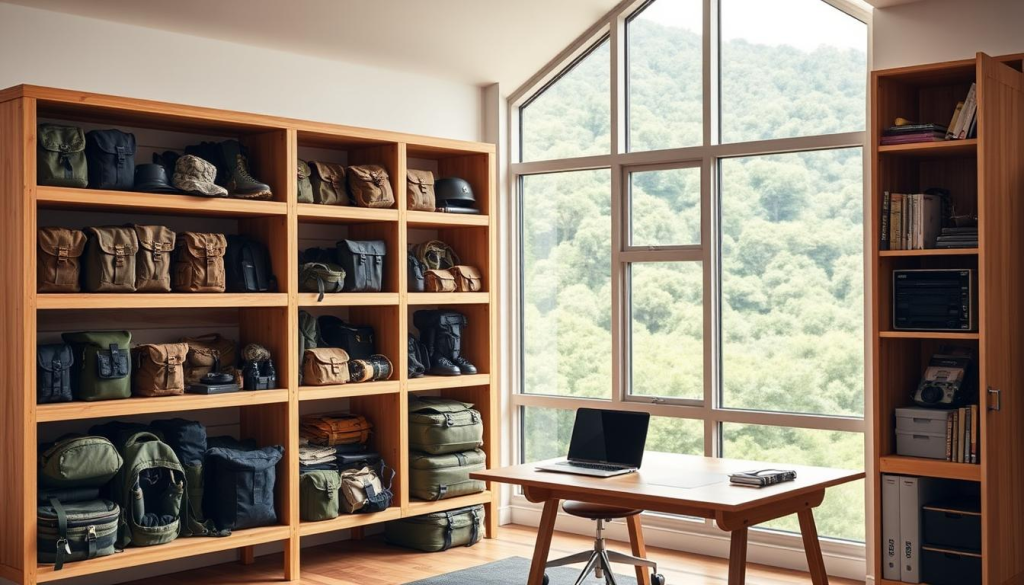
When it comes to storing your bug out bag at home, there are several strategic locations to consider. Ideally, you want your bag to be near an exit or in a designated emergency area. This could be near the front door, in a hallway, or even in a garage. The key is to ensure that it’s easily accessible, even in a hurry. Consider the layout of your home and the potential paths you might take during an evacuation.
Near an Exit: Storing your bug out bag near an exit allows for a quick grab-and-go in case of an emergency. This could be under a bed near the door or in a closet close to the exit.
Alternate Storage Ideas for Travel
In addition to storing a bug out bag at home, it’s also wise to have a smaller version in your vehicle or other places you frequent. This ensures that you’re prepared for emergencies wherever you are. For travel, consider a compact bug out bag that includes essentials like food, water, a first aid kit, and a means of communication.
- In your car: A smaller bug out bag in your vehicle can be a lifesaver if you’re on the road during an emergency.
- At work: If you spend a lot of time at work, consider storing a bug out bag there as well, especially if it’s far from your home.
- In a secondary location: If you have a vacation home or a secondary location you frequent, consider storing a bug out bag there.
Regularly Reviewing Your Storage Options
It’s not enough to simply store your bug out bag; you must also regularly review and update your storage options. This includes checking the bag’s contents to ensure everything is still usable and not expired, as well as verifying that the storage location remains accessible.
Regular Checks: Schedule regular checks of your bug out bag and its storage location. This could be every six months or at the change of seasons, ensuring that your preparations remain relevant and effective.
Practice Drills: Using Your Bug Out Bag
Emergency preparedness isn’t just about having a bug out bag; it’s also about knowing how to use it. Practicing with your bug out bag is essential to ensure that you and your family members are prepared for emergencies.
Conducting Family Drills
Conducting regular family drills is crucial for ensuring everyone knows what to do in case of an emergency. These drills help identify any weaknesses or areas for improvement in your emergency plan. Make sure to involve all family members, including children, in these drills to ensure everyone is on the same page.
Tips for Effective Family Drills:
- Involve all family members in the drills.
- Practice different scenarios to keep things interesting and to cover various potential emergencies.
- Debrief after each drill to discuss what went well and what didn’t.
Scenarios to Practice
Practicing different scenarios can help you prepare for a wide range of emergencies. Consider scenarios such as natural disasters (e.g., hurricanes, earthquakes), power outages, or other crisis situations that could require you to use your bug out bag.
| Scenario | Objective | Key Considerations |
|---|---|---|
| Natural Disaster | Evacuate safely with your bug out bag. | Route planning, communication, and having necessary supplies. |
| Power Outage | Survive without electricity. | Lighting, food preparation, and alternative heating sources. |

Reviewing and Adjusting Your Plan
After conducting drills, it’s essential to review your emergency plan and make adjustments as needed. This includes updating your bug out bag to reflect any changes in your family’s needs or the types of emergencies you might face.
Regular review and adjustment are key to maintaining an effective emergency preparedness plan.
Final Thoughts on DIY Bug Out Bags
Creating a DIY bug out bag is a crucial step in emergency preparedness, enabling individuals to respond effectively in crisis situations. By understanding the importance of a bug out bag and customizing it to meet specific needs, individuals can ensure they are prepared for various emergencies.
Preparedness is Key
Being prepared is essential for emergency preparedness. A well-stocked bug out bag can be a lifesaver, providing essential items such as water, food, and first aid supplies. By prioritizing self-reliance techniques, individuals can take control of their safety and well-being.
Start Your DIY Journey
Starting a DIY bug out bag project can seem daunting, but with a clear plan, individuals can create a tailored kit that meets their needs. By sourcing gear for less and utilizing DIY solutions, individuals can build a comprehensive bug out bag on a budget.
Key Considerations
When building a bug out bag, it’s essential to consider factors such as storage, maintenance, and family needs. Regularly reviewing and updating the bag ensures it remains relevant and effective. By following these guidelines, individuals can create a reliable bug out bag that supports their emergency preparedness goals.