
Having a well-stocked disaster preparedness kit is crucial for emergency preparedness. According to the American Red Cross, it’s recommended to have enough supplies to last for at least 72 hours.
Creating a comprehensive kit requires a thoughtful prep list that includes essential items such as food, water, first aid supplies, and communication tools. This ensures your safety and well-being during emergencies.
In this article, we will outline the must-have items to include in your kit, helping you stay prepared for any situation.
Key Takeaways
- Create a comprehensive disaster preparedness kit.
- Include essential items like food, water, and first aid supplies.
- Ensure your kit can sustain you for at least 72 hours.
- Stay informed about emergency preparedness guidelines.
- Review and update your kit regularly.
Understanding the Importance of Disaster Preparedness
Being prepared for disasters is not just a precaution; it’s a necessity for safeguarding families and communities. Disaster preparedness involves having a comprehensive plan and the necessary supplies to cope with emergencies effectively.
Disaster preparedness is about being proactive, not reactive. It’s about understanding the risks and taking steps to mitigate them. As Red Cross emphasizes, “Disaster preparedness is everyone’s responsibility.”
What is Disaster Preparedness?
Disaster preparedness refers to the measures taken to prepare for and respond to disasters. It includes having a disaster planning guide that outlines the steps to be taken before, during, and after a disaster. This guide helps individuals and families prepare for disaster by knowing what to do and having the necessary resources.
“Preparedness is the key to survival in the face of disaster. It’s not just about having a plan, but also about having the right supplies and knowing how to use them.”
The Different Types of Disasters
Disasters can be categorized into natural disasters, such as earthquakes, hurricanes, and floods, and man-made disasters, including industrial accidents and terrorist attacks. Understanding the different types of disasters that can occur in your area is crucial for creating an effective disaster prep list.
For instance, if you live in a region prone to hurricanes, your disaster planning guide should include measures for hurricane preparedness, such as boarding up windows and having a evacuation plan. Similarly, in areas susceptible to earthquakes, securing heavy furniture and having an emergency kit are essential steps to prepare for disaster.
By understanding the importance of disaster preparedness and the types of disasters that can occur, individuals can take proactive steps to prepare their families and homes. This not only enhances safety but also aids in recovery efforts post-disaster.
Assessing Your Risk Factors
Assessing your risk factors is a critical step in creating a comprehensive disaster prep list. Understanding the types of disasters that are most likely to occur in your area allows you to take targeted steps to mitigate potential risks.
Natural Disasters: Know Your Threats
Natural disasters such as earthquakes, hurricanes, and floods can have devastating effects on communities. It’s essential to know the natural disaster risks associated with your location.
Common Natural Disasters and Their Risks:
| Disaster Type | Common Areas Affected | Potential Risks |
|---|---|---|
| Earthquakes | California, Alaska | Structural damage, injuries |
| Hurricanes | Gulf Coast, Southeastern US | Flooding, power outages |
| Floods | Near rivers, coastal areas | Property damage, displacement |
Man-Made Disasters: Stay Informed
Man-made disasters, including industrial accidents and chemical spills, can also pose significant risks. Staying informed about the potential for such disasters in your area is crucial.
Steps to Stay Informed:
- Sign up for emergency alerts from local authorities.
- Follow local news and weather reports.
- Understand the emergency plans in place for your community.
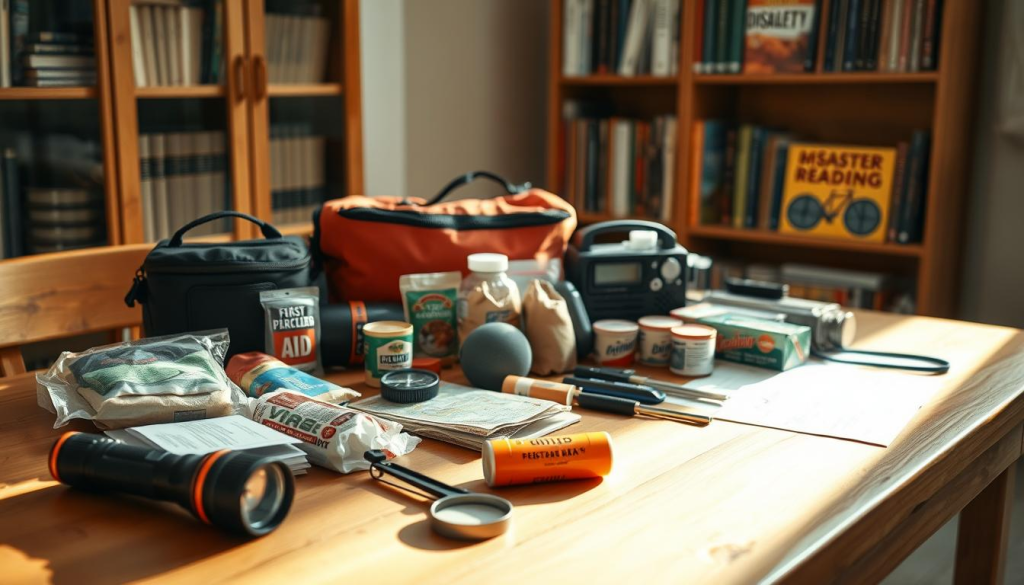
By assessing your risk factors and staying informed, you can enhance your disaster readiness and create a more effective emergency supplies list. This proactive approach helps ensure that you are better prepared to face potential disasters.
Creating a Family Communication Plan
A well-crafted family communication plan is the backbone of disaster preparedness. It ensures that all family members can stay in touch and reunite during an emergency.
To create an effective plan, start by designating meeting places both within and outside your immediate area. This could be a neighbor’s house, a local park, or a designated community center. Make sure all family members know the addresses and locations of these meeting places.
Designating Meeting Places
When choosing meeting places, consider the types of disasters that could occur in your area. For example, if you live in a flood-prone area, designate a meeting place on higher ground. Ensure that the meeting places are easily accessible and known to all family members.
| Meeting Place | Location | Accessibility |
|---|---|---|
| Home | 123 Main St | Easy |
| Neighbor’s House | 125 Main St | Easy |
| Local Park | Main St and Oak Ave | Moderate |
Establishing Emergency Contacts
In addition to designating meeting places, establishing emergency contacts is crucial. Choose a contact person outside your immediate family who can be a point of contact for family members to check in with. Make sure all family members have this contact information memorized or written down.
Consider creating a simple card or document with emergency contact information, including phone numbers and addresses. This can be a useful resource during a disaster when communication lines may be disrupted.
https://www.youtube.com/watch?v=qrtKYpGotGM
By having a comprehensive family communication plan in place, you can ensure that your loved ones stay safe and connected during a disaster. Regularly review and update your plan to ensure it remains effective.
Essential Supplies to Keep on Hand
In the face of disaster, the supplies you have readily available can make all the difference. Having a well-stocked emergency supplies list is crucial for ensuring the safety and well-being of you and your family.
When assembling your prep list for disaster, it’s essential to consider the basic needs that must be met to sustain life and health. This includes having access to clean water, nutritious food, and the means to treat medical emergencies.
Water: The Lifeline
Water is the most critical element for survival. The American Red Cross recommends storing at least one gallon per person per day for drinking, cooking, and hygiene. As stated by the Red Cross, “Having enough water is essential for survival in the event of a disaster.”
“Water is essential for survival. Storing enough water is crucial for drinking, cooking, and personal hygiene.”
Non-Perishable Food Items
Stocking non-perishable food items is vital for sustaining nutrition during a prolonged disaster. Focus on high-calorie foods that are easy to prepare and don’t require cooking, such as canned goods, dried fruits, and nuts.
First Aid Kit Fundamentals
A well-stocked first aid kit is indispensable for treating injuries and preventing infections. Essentials include bandages, antiseptic wipes, pain relievers, and any prescription medications. Regularly check your kit to ensure all supplies are up to date and not expired.
By focusing on these essential supplies, you can significantly enhance your preparedness for disasters. Remember, the key is to be prepared, not just reactive.
Tools and Equipment for Safety
Disaster readiness isn’t just about supplies; it’s also about having the right tools for safety. Having the appropriate tools and equipment can significantly enhance your ability to navigate through emergencies. This includes a range of items from lighting sources to repair kits.
Flashlights and Batteries
One of the most critical tools for safety during a disaster is a reliable flashlight. Power outages are common during many types of disasters, and a flashlight can provide necessary light. It’s essential to have extra batteries on hand to ensure your flashlight remains functional.
Tips for Choosing Flashlights:
- Opt for LED flashlights for their energy efficiency and brightness.
- Consider flashlights with red light modes to preserve night vision.
- Choose flashlights that are waterproof or have a high level of water resistance.
Multi-Tools and Duct Tape
Multi-tools and duct tape are versatile items that can help in a variety of situations. A multi-tool can assist with tasks ranging from cutting to opening cans, while duct tape can be used for repairs and even as a makeshift fix for broken items.
Key Features of Multi-Tools:
| Feature | Description | Benefit |
|---|---|---|
| Multiple Functions | Includes pliers, knife, screwdriver, etc. | Prepares you for various tasks |
| Durable Construction | Made from high-quality materials | Ensures longevity and reliability |
| Compact Design | Easy to carry | Fits easily in a pocket or bag |
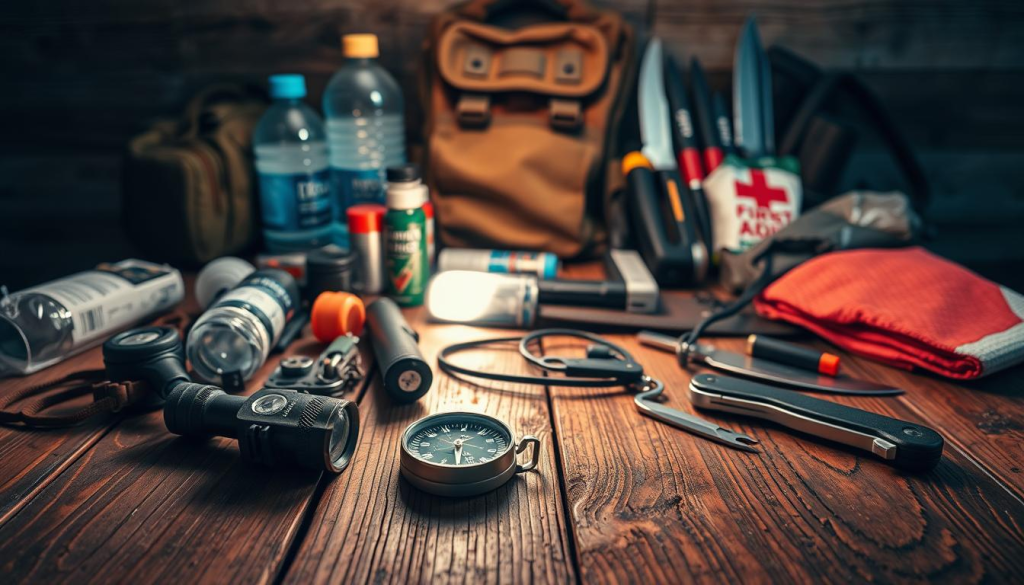
By incorporating these tools and equipment into your disaster prep list, you can enhance your safety and readiness for emergencies. Remember, the key to effective disaster readiness is being prepared with the right gear.
Shelter and Warmth Essentials
Having a warm and safe place to shelter during a disaster is critical for survival. This involves including essential items in your disaster prep list that can provide both shelter and warmth.
Blankets and Sleeping Bags
Blankets and sleeping bags are crucial for maintaining body heat during cold nights. Consider including thermal blankets and sleeping bags rated for low temperatures in your emergency kit.
- Choose blankets that are compact and lightweight.
- Opt for sleeping bags with a comfort temperature rating lower than the average low temperature in your area.
- Consider the material; wool and synthetic materials are good insulators.
Portable Heating Solutions
In addition to blankets and sleeping bags, having a reliable source of heat can be a lifesaver. Portable heating solutions can provide warmth in emergency situations.
- Portable heaters: Look for models that are battery-powered or have a long-lasting fuel source.
- Hand warmers: These are small, portable packets that produce heat for several hours.
- Chemical heating packs: Similar to hand warmers, these can be used to warm specific areas of the body.
When assembling your shelter and warmth essentials, consider the specific needs of your family, including pets. Ensure that you have enough supplies to last for at least 72 hours.
Important Documents to Prepare
Disaster preparedness includes organizing and safeguarding vital documents. Having these documents readily available can significantly simplify the recovery process after a disaster.
Create Digital Backups
Creating digital backups of important documents is a crucial step in disaster preparation. This includes scanning and storing documents such as insurance policies, identification, and financial records in a secure cloud storage or external hard drive. Some key documents to digitize include:
- Insurance policies (health, home, auto)
- Identification documents (driver’s license, passport)
- Financial records (bank statements, tax returns)
Medications and Medical History
It’s also essential to maintain a record of medications and medical history. This information can be critical for medical treatment during a disaster. Ensure that you have a list of:
- Current medications, including dosages
- Medical conditions and allergies
- Contact information for healthcare providers
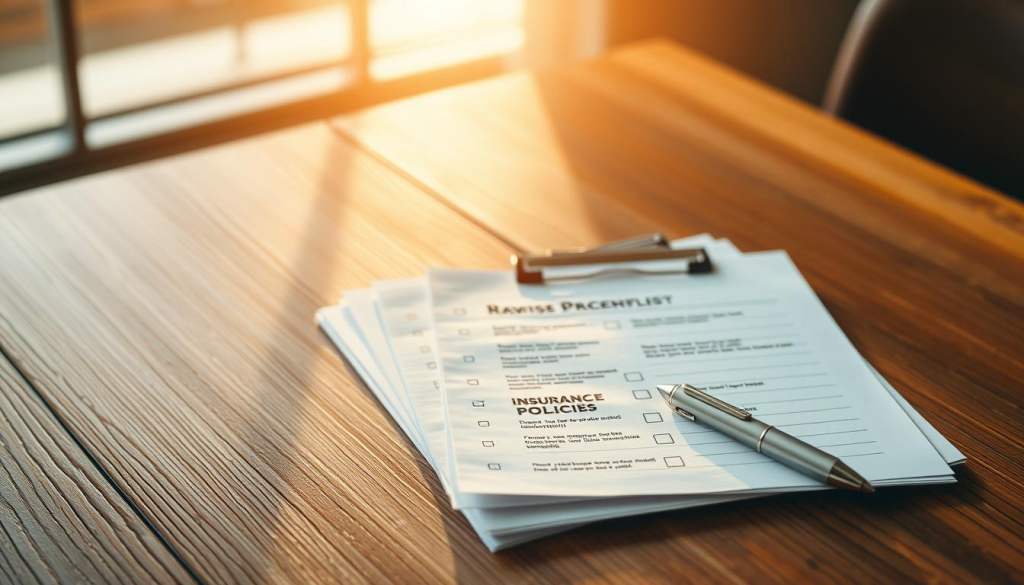
By having these important documents prepared, you can ensure a smoother recovery process and reduce the stress associated with disasters.
Pets: Including Furry Family Members
Including pets in your disaster prep plan is essential for their safety and well-being. Pets rely on their owners for care and protection, especially during emergencies.
Having the right supplies is crucial. This includes food, water, and other essential items that can sustain them during a disaster.
Pet Food and Water Supplies
Stock up on non-perishable pet food and store it in a cool, dry place. Don’t forget to include a manual can opener if you’re storing canned food. For water, aim to store at least one gallon per pet per day for drinking and sanitation.
- Pet food (canned and dry)
- Bottled water
- Food and water bowls
- Manual can opener
Pet Emergency Kits
A pet emergency kit should include essential items like a first aid kit, a carrier or crate, and any necessary medication. Consider the specific needs of your pet, such as dietary restrictions or medical conditions.
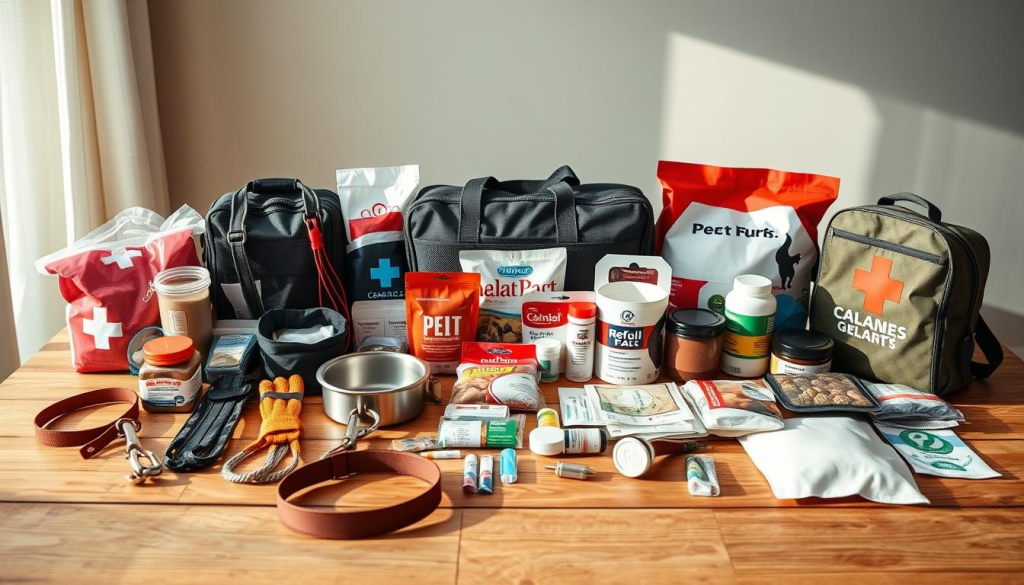
By including your pets in your disaster preparedness plan, you can ensure their safety and comfort during emergencies. Make sure to review and update your pet emergency kit regularly.
Building a Comprehensive First Aid Kit
Building a comprehensive first aid kit is a vital step in disaster preparedness. A well-stocked first aid kit enables you to treat injuries effectively during emergencies, potentially saving lives and reducing the severity of injuries.
Basic Medical Supplies
A basic first aid kit should include essential medical supplies. These are the fundamental items that will help you treat common injuries.
- Bandages and band-aids in various sizes
- Antiseptic wipes and spray
- Gauze pads and rolls
- Medical tape
- Scissors and tweezers
- Gloves (latex or nitrile)
These basic supplies are crucial for treating cuts, scrapes, and other minor injuries. Ensuring you have these items on hand can make a significant difference in an emergency.
Specialty Items for Specific Needs
In addition to basic medical supplies, consider including specialty items tailored to your family’s specific needs. This could include:
| Specialty Item | Purpose |
|---|---|
| Prescription medications | For individuals with specific medical conditions |
| EpiPen or other epinephrine auto-injectors | For severe allergic reactions |
| Burn cream and burn dressings | For treating burns |
Including these specialty items can enhance the effectiveness of your first aid kit, ensuring you’re prepared for a wide range of potential emergencies.
Remember, a first aid kit is not a one-time preparation. It needs to be regularly checked and updated to ensure all supplies are still usable and not expired.
Staying Informed During a Disaster
Staying informed is crucial during a disaster, and having the right tools can make all the difference. When a disaster strikes, timely and accurate information can help individuals make informed decisions and stay safe.
To achieve this, it’s essential to have the right tools and resources. Two critical components for staying informed during a disaster are weather radios and smartphone apps.
Weather Radio and Alerts
A weather radio is a dedicated device that receives emergency alerts and weather updates from the National Weather Service. These radios are designed to provide critical information during severe weather events, such as tornadoes, hurricanes, and floods.
Key benefits of weather radios include:
- Receiving timely alerts and warnings
- Staying informed about weather conditions
- Having a dedicated device for emergency information
Smartphone Apps for Updates
In addition to weather radios, smartphone apps can provide critical information during a disaster. Apps like the Red Cross Emergency App and FEMA offer real-time updates, emergency alerts, and disaster preparedness tips.
Some key features of these apps include:
- Real-time emergency alerts and updates
- Disaster preparedness tips and resources
- Shelters and emergency services information
By combining weather radios and smartphone apps, individuals can stay informed and make informed decisions during a disaster, ultimately enhancing their disaster readiness and ability to prepare for disaster.
Community Resources for Preparedness
Disaster preparedness isn’t just about individual efforts; community resources are equally vital. Communities that are well-prepared for disasters often have a network of resources that can provide critical support during emergencies.
Local Emergency Services
Local emergency services are a cornerstone of community preparedness. These services include fire departments, police, and emergency medical services (EMS). Having access to these services can significantly impact the response to a disaster. It’s essential to know how to contact these services and understand their role in disaster response.
Key local emergency services to be aware of include:
- Emergency contact numbers
- Local hospitals and their capacities
- Emergency shelters and their locations
Community Support Networks
Community support networks are another crucial aspect of disaster preparedness. These networks can provide emotional support, practical assistance, and sometimes even financial aid to those affected by disasters. Examples include neighborhood watch groups, community emergency response teams (CERT), and local non-profit organizations focused on disaster relief.
Building and engaging with these networks can enhance a community’s resilience to disasters.
By understanding and leveraging these community resources, individuals can enhance their disaster planning guide and ensure they have the emergency kit essentials needed to face any disaster.
Regularly Reviewing Your Prep List
Ensuring your disaster prep list is up-to-date is crucial for effective disaster preparedness. A well-maintained prep list for disaster can be the difference between safety and chaos during emergencies.
Update Supplies and Equipment
Regularly inspect your disaster supplies, checking expiration dates of food and medical supplies, and ensuring that equipment like flashlights and radios are in working order. This is a critical part of maintaining a disaster preparedness checklist.
Practice Your Disaster Plan
Conduct regular drills with your family to ensure everyone knows what to do in case of a disaster. This includes knowing evacuation routes, meeting points, and how to communicate if you get separated. Practicing your plan helps to identify any weaknesses in your prep list for disaster.
By regularly reviewing and updating your disaster prep list, you can ensure that you and your family are always prepared for any disaster that may come your way, effectively utilizing your disaster preparedness checklist.