
In emergency preparedness, a bug out bag is a crucial tool, enabling individuals to evacuate quickly and safely. The capacity of this bag, measured in liters, is a critical factor in its effectiveness.
Choosing the right liter capacity depends on several factors, including the anticipated duration of the evacuation, personal needs, and the nature of the potential emergency. A bag that is too small may not hold essential supplies, while one that is too large can become cumbersome.
Understanding these factors is key to selecting a bug out bag that is both practical and effective.
Key Takeaways
- Assess the duration of your potential bug out to determine the necessary bag capacity.
- Consider personal needs, such as medical requirements or child/family care.
- The type of emergency can influence the size and contents of your bug out bag.
- A larger bag may be necessary for longer evacuations or more complex emergencies.
- Balance between capacity and portability is crucial.
Understanding the Concept of a Bug Out Bag
Understanding the concept of a bug out bag is vital for effective emergency planning. A bug out bag is a portable kit containing essential items needed for survival in an emergency.
What is a Bug Out Bag?
A bug out bag, often abbreviated as BOB, is a pre-packed bag that contains all the necessary items an individual might need to survive for at least 72 hours in case of an emergency or disaster. The concept is simple: have a bag ready with essentials so you can quickly leave your home or current location without having to think about what to bring.
Importance of Having One
Having a bug out bag is crucial because it allows individuals to respond quickly and effectively in emergency situations. Emergencies can range from natural disasters like hurricanes or earthquakes to man-made crises. A well-prepared bug out bag can be the difference between safety and peril.
Key Items to Include
So, what should you include in your bug out bag? Essential items typically include:
- Water and non-perishable food
- First aid supplies
- Communication tools like a phone or two-way radio
- Extra clothing and personal hygiene items
- Important documents and cash
These items are considered bug out bag essentials because they address basic survival needs. The specific items and their quantities can vary based on personal needs, climate, and the type of emergencies likely to occur in your area.
Factors Influencing Bag Capacity
The capacity of a bug out bag is a critical factor that depends on several key considerations. When preparing for emergencies, it’s essential to understand these factors to choose a bag that meets your needs.
Duration of Your Bug Out Plan
The length of time you plan to be on the move or in survival mode significantly affects the size of your bug out bag. For short-term evacuations, a smaller bag might suffice, while longer durations require more supplies, thus a larger capacity.
Climate and Terrain Considerations
The environment you’ll be navigating plays a crucial role in determining the right bug out bag size. Harsh climates, such as deserts or snowy regions, demand more gear for survival, including clothing, shelter, and hydration supplies.
Personal Needs and Preferences
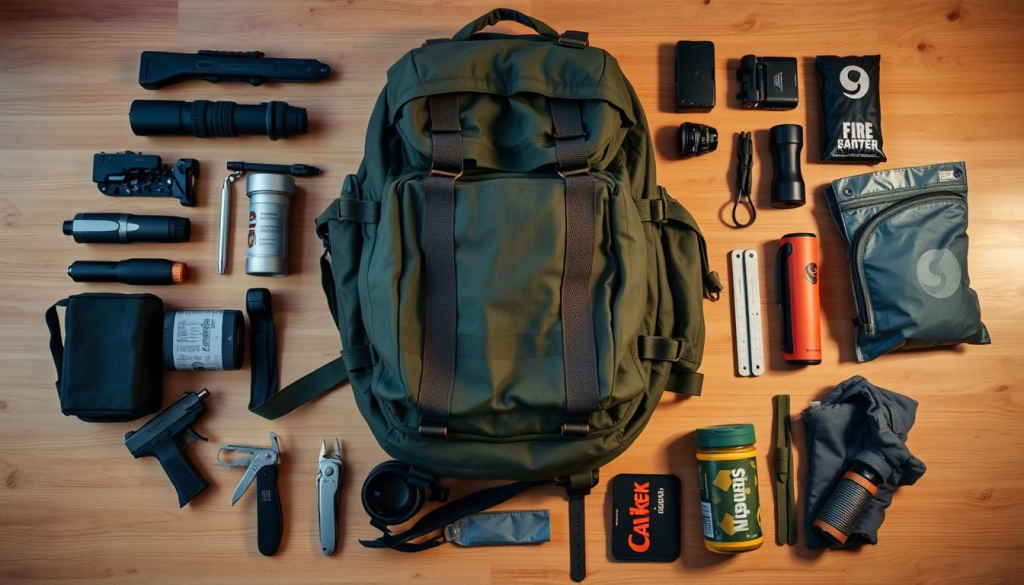
Individual requirements, such as medical needs, dietary restrictions, or personal comfort items, also influence the ideal bug out bag capacity. It’s vital to consider these factors to ensure your bag is tailored to your specific situation.
| Factor | Influence on Bag Capacity | Example Considerations |
|---|---|---|
| Duration | Affects the amount of supplies needed | Food, water, medication for the duration |
| Climate/Terrain | Determines the type and amount of gear required | Snow gear for cold climates, hydration packs for deserts |
| Personal Needs | Influences the inclusion of specific items | Medical supplies, dietary food, comfort items |
By considering these factors, you can choose a bug out bag capacity that is tailored to your emergency preparedness needs, ensuring you’re well-equipped to handle various situations.
Common Liter Sizes for Bug Out Bags
The size of your bug out bag can significantly impact your ability to respond to emergencies, making it vital to select the appropriate liter capacity. Bug out bags come in various sizes to suit different needs and scenarios.
Small Bug Out Bags (20-30 liters)
Small bug out bags are ideal for short-term emergencies or for individuals who pack lightly. They are suitable for:
- Day trips or short evacuations
- Minimalist packers
- Children or those with limited mobility
These bags are compact and easy to carry but may not accommodate extensive gear or supplies for extended periods.
Medium Bug Out Bags (40-60 liters)
Medium-sized bug out bags offer a balance between capacity and portability, making them suitable for:
- Most adults with average packing needs
- Short to medium-term emergencies (up to a few days)
- Varied terrain and weather conditions
These bags provide enough space for essential items without being overly bulky.
Large Bug Out Bags (70+ liters)
Large bug out bags are designed for extended emergencies or for individuals who require a substantial amount of gear. They are ideal for:
- Long-term survival situations
- Those who need to carry extensive supplies or equipment
- Family or group preparations
While they offer ample space, large bug out bags can be heavy and cumbersome, requiring careful planning to manage weight and mobility.
Choosing the right bug out bag size is crucial for effective emergency preparedness. Consider your specific needs, the duration of your bug out plan, and the type of emergencies you might face when selecting the best bug out bag size for you.
Assessing Your Gear Weight
Assessing the weight of your gear is a vital step in choosing the right bug out bag. The total weight of the items you plan to carry can significantly influence the size and type of bag you need.
Estimating Gear Weight
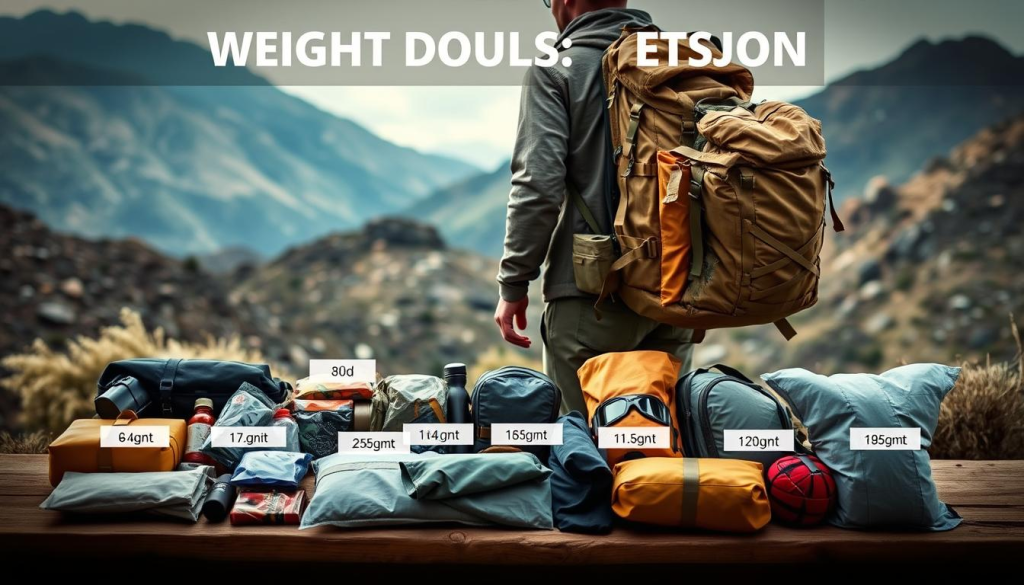
To estimate the weight of your gear, start by listing all the essential items you plan to include in your bug out bag. This includes food, water, first aid supplies, clothing, and any personal items. Assign a weight to each item based on its average weight. For instance, a liter of water weighs approximately 1 kg or 2.2 lbs.
Here’s a simple way to estimate your gear weight:
- List each item you plan to carry.
- Research or weigh each item to determine its weight.
- Sum up the weights to get the total weight of your gear.
Importance of Weight Distribution
Weight distribution is crucial for comfort and mobility when carrying your bug out bag. A well-distributed load can prevent strain on your back and shoulders. Look for bags with multiple compartments and pockets to help distribute the weight evenly.
Proper weight distribution also enhances your ability to move quickly and efficiently, which is vital in emergency situations.
Tips for Reducing Weight
Reducing the weight of your bug out bag without compromising on essentials is a skill. Here are some tips:
- Choose multi-use items that can serve more than one purpose, reducing the overall number of items you need to carry.
- Opt for lightweight versions of essential gear, such as lightweight camping equipment or dehydrated food.
- Limit luxury items and focus on the most critical survival tools.
By carefully assessing your gear weight and optimizing your packing list, you can select a bug out bag that is both comfortable and capable of carrying all your essential items.
Packing Strategies for Your Bug Out Bag
A well-packed bug out bag can be a lifesaver in emergency situations. Effective packing strategies are crucial for maximizing the use of space in your bug out bag, ensuring that you have everything you need without unnecessary bulk.
Layering Your Gear
Layering your gear is a fundamental packing strategy. It involves organizing your items into categories and placing them in your bag in a logical order. Start with the essentials at the top or in easily accessible pockets, followed by less critical items.
- Place frequently used items like first aid kits and flashlights in easy-to-reach locations.
- Use the bottom compartment for bulkier items like sleeping bags or extra clothing.
- Utilize smaller pockets for items like snacks, maps, or personal documents.
Using Compression Bags
Compression bags are invaluable for reducing the bulk of clothing and sleeping bags, allowing you to fit more into your bug out bag. By compressing these items, you can also protect them from moisture.
Benefits of Compression Bags:
| Benefit | Description |
|---|---|
| Space Saving | Reduces the volume of bulky items |
| Moisture Protection | Helps keep items dry |
| Organization | Keeps similar items together |
Prioritizing Essentials
Prioritizing essentials is critical when packing your bug out bag. Focus on items that are crucial for survival and comfort. Consider the potential emergencies you might face and pack accordingly.
“The will to survive is important, but the will to prepare is vital.” –
When prioritizing, consider the 3 Ws: Water, Warmth, and Wound care. Ensure you have adequate supplies for these critical needs.
By implementing these packing strategies, you can ensure your bug out bag is both efficient and effective, providing you with the necessary tools to face any situation.
Seasonal Considerations
Adapting your bug out bag to seasonal requirements is vital for survival in diverse weather conditions. The contents and size of your bug out bag may need to be adjusted according to the season to ensure you’re prepared for any situation.
Summer Bug Out Bags
In the summer, the focus should be on hydration and protection from the heat. Include items like lightweight, breathable clothing, a water filter or purification tablets, and sunscreen. “The key to surviving the summer is staying cool and hydrated,” as noted by survival experts.
“Survival in extreme heat requires careful planning and the right equipment.”
Winter Bug Out Bags
For winter conditions, warmth and insulation become the priorities. Pack warm, layered clothing, a reliable heating source (like hand warmers), and ensure you have a means to melt snow for water. Winter bug out bags should also consider the weight and bulk of the gear, as mobility can be significantly affected by snow and ice.
- Thermal insulation layers
- Waterproof matches or lighters
- High-calorie food for energy
Adapting for Rain or Snow
Regardless of the season, being prepared for unexpected weather conditions is crucial. Use waterproof bags and rain gear to keep your equipment dry. In snowy conditions, consider gear that can help with navigation and signaling, such as a compass and flares.
By adapting your bug out bag to the season, you can significantly enhance your chances of survival. Regularly review and update your bug out bag to reflect the current season and potential weather conditions.
Testing Your Bug Out Bag
Testing your bug out bag is a critical step in ensuring you’re prepared for any situation. It’s not just about packing the right gear; it’s about knowing how that gear performs under real-world conditions.
Conducting Practice Runs
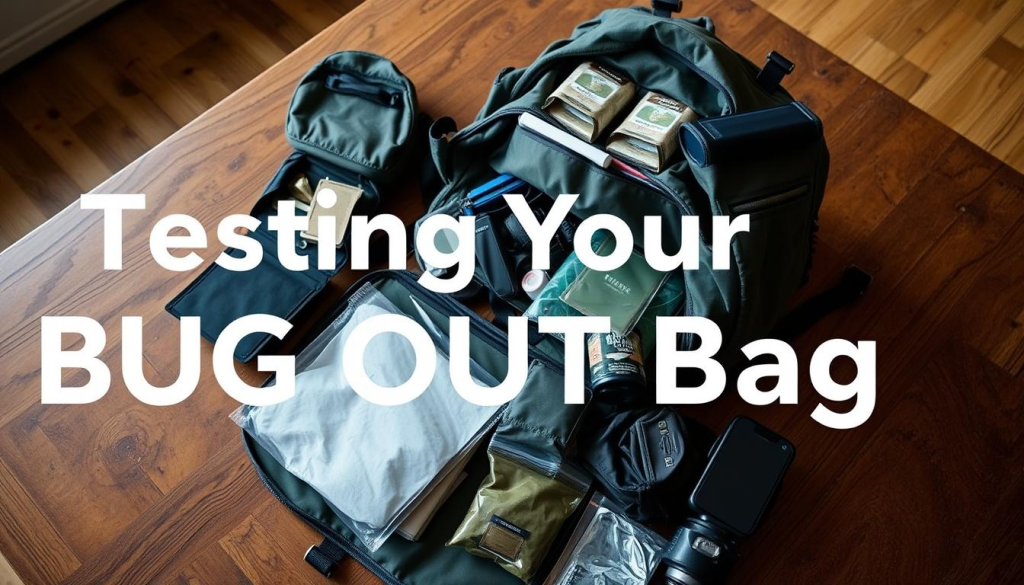
One of the most effective ways to test your bug out bag is by conducting practice runs. This involves wearing your fully packed bag and simulating the conditions you might face in an emergency. Start with short trips and gradually increase the duration to assess your bag’s comfort and your ability to carry it.
During these practice runs, pay attention to the weight distribution, accessibility of essential items, and overall comfort. It’s also a good opportunity to test any new gear or clothing you’re not familiar with.
Adjusting Based on Feedback
After conducting your practice runs, it’s essential to gather feedback from your experience. Ask yourself: Was the bag comfortable? Were the essential items easily accessible? Did any gear fail or prove unnecessary? Use this feedback to make adjustments to your bag’s contents and configuration.
This might involve rearranging items, removing unnecessary weight, or adding new gear that you found useful during your test. The goal is to refine your bug out bag to meet your specific needs.
Finding the Right Fit
A critical aspect of your bug out bag is how well it fits. A bag that is too large or too small can be a hindrance in an emergency. Consider the size and capacity in relation to your body and the gear you need to carry.
| Bug Out Bag Size (Liters) | Ideal Use Case | Typical Contents |
|---|---|---|
| 20-30 | Short-term emergencies, minimalist approach | Basic survival gear, first aid kit, minimal clothing |
| 40-60 | Medium-term emergencies, standard preparedness | Survival gear, clothing for varying weather, food, water purification |
| 70+ | Long-term emergencies, extensive preparedness | Comprehensive survival gear, multiple clothing sets, food for extended periods, shelter materials |
Ultimately, the right bug out bag size depends on your specific needs, the climate you’re in, and the type of emergencies you’re preparing for. Testing different configurations and sizes during your practice runs will help you find the perfect fit.
Customizing Your Bug Out Bag
Customizing your bug out bag can significantly enhance its functionality and comfort during emergencies. A tailored approach allows you to address specific needs and preferences, making your evacuation plan more effective.
Comfort Features for Enhanced Usability
Personalizing your bug out bag with comfort features can make a significant difference during extended use. Consider adding padded shoulder straps and a waist belt to distribute the weight more evenly, reducing strain on your back and shoulders.
Additionally, incorporating a ventilated back panel can improve airflow, keeping you cooler and drier. These features not only enhance comfort but also contribute to a more efficient evacuation experience.
Organizational Efficiency with Pockets and Compartments
Adding pockets and compartments to your bug out bag can greatly improve organizational efficiency. Multiple compartments allow you to categorize and quickly access your gear, saving valuable time during emergencies.
Consider adding external pockets for items you need to access quickly, such as water bottles or first aid kits. Internal compartments can be used to separate clothing, electronics, and other essential items, keeping them organized and within reach.
Durable Materials for Long-Lasting Performance
Selecting the right materials for your bug out bag is crucial for ensuring durability and longevity. Look for bags made from water-resistant and tear-resistant materials such as nylon or polyester.
Reinforced stitching and heavy-duty zippers also contribute to the overall durability of the bag. By choosing a bag constructed with high-quality materials, you can ensure that it will withstand the rigors of emergency situations.
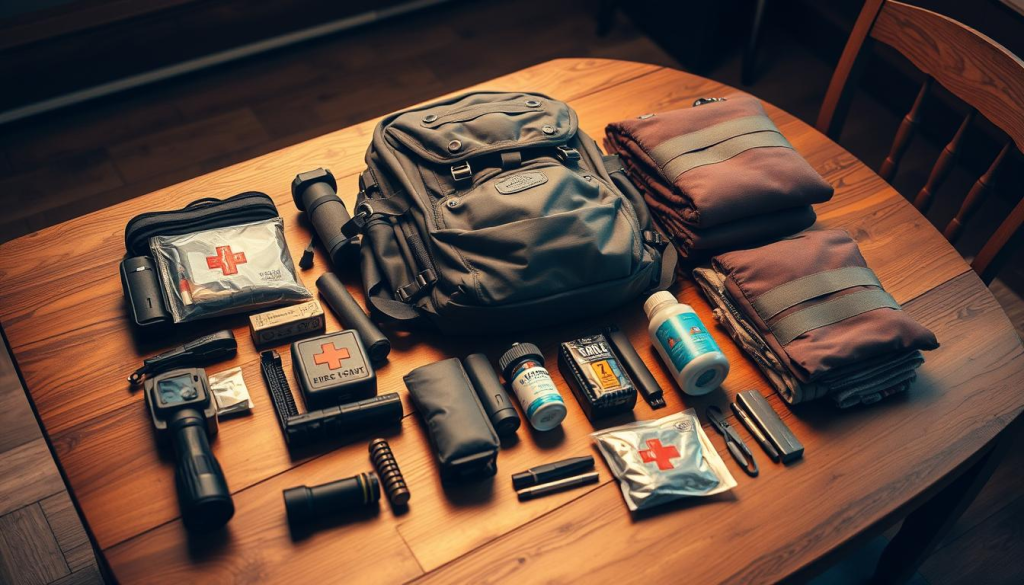
By customizing your bug out bag with comfort features, additional pockets, and durable materials, you can create a personalized evacuation solution that meets your specific needs. This tailored approach enhances both the functionality and comfort of your bug out bag, ensuring you are better prepared for any situation.
Where to Buy Bug Out Bags
For those looking to buy a bug out bag, multiple avenues exist. The decision on where to purchase can depend on several factors including availability, price, and personal preference.
Popular Retailers in the U.S.
Several retailers in the U.S. specialize in outdoor gear and emergency preparedness kits, making them ideal places to buy bug out bags. Some of the most popular include REI, Bass Pro Shops, and Cabela’s. These retailers offer a range of bug out bags from various brands, allowing customers to compare features and prices.
Top Retailers for Bug Out Bags:
| Retailer | Notable Brands | Price Range |
|---|---|---|
| REI | Osprey, REI Co-op | $100-$300 |
| Bass Pro Shops | Shimano, Bass Pro Shops | $80-$250 |
| Cabela’s | Cabela’s, ALPS OutdoorZ | $100-$400 |
Online Shopping Options
Online shopping offers convenience and often a wider selection. Websites like Amazon, Walmart, and eBay offer bug out bags from various brands. Online reviews can be particularly helpful in making a decision.
Benefits of Online Shopping:
- Convenience of shopping from home
- Access to a wider range of products
- Ability to read reviews from other customers
Secondhand Markets vs. New Bags
Some individuals consider purchasing secondhand bug out bags as a cost-effective option. While this can be a viable choice, it’s essential to inspect the bag thoroughly for durability and functionality.
Considerations for Secondhand Bug Out Bags:
- Inspect for wear and tear
- Check for missing or damaged parts
- Consider the potential for outdated gear
When buying a bug out bag, whether new or secondhand, it’s crucial to consider the specific needs and circumstances that the bag will be used for. Recommendations from outdoor enthusiasts and emergency preparedness experts can also be invaluable.
Maintenance and Care for Your Bug Out Bag
Regular maintenance and care are vital for the longevity and effectiveness of your bug out bag. A well-maintained bag ensures that you are always prepared for any situation, and it extends the life of your gear.
Cleaning Your Bag
Cleaning your bug out bag regularly is essential to remove dirt, debris, and any contaminants that could damage your gear. Start by emptying the bag completely and inspecting it for any signs of wear or damage.
- Use a soft-bristled brush to remove dirt and debris from the bag’s exterior.
- For tougher stains, use a mild detergent and a damp cloth to gently clean the area.
- Allow the bag to air dry completely before refilling it with your gear.
Tip: Avoid using harsh chemicals or abrasive cleaners, as they can damage the bag’s material.
Regular Inspections
Regular inspections are crucial to identify any issues with your gear or the bag itself. Check for signs of wear, such as frayed straps, torn seams, or malfunctioning zippers.
| Inspection Area | What to Look For |
|---|---|
| Straps and Handles | Fraying, cuts, or excessive wear |
| Seams and Zippers | Tears, loose threads, or malfunctioning zippers |
| Compartments and Pockets | Tears, damage, or excessive wear |
Replacing Worn-Out Gear
Replacing worn-out gear is essential to ensure your bug out bag remains effective. Regularly check your gear for signs of wear or damage, and replace items as needed.
“The best preparation is having the right gear in good condition. Regular maintenance is key to survival.”
By following these maintenance and care tips, you can ensure your bug out bag remains in top condition, ready to serve you in any emergency situation.
Conclusion: Finding Your Ideal Liter Capacity
Determining the right liter capacity is key to a functional bug out bag. By understanding the factors that influence bag capacity, you can make an informed decision when choosing the ideal size for your needs.
Key Considerations
When selecting a bug out bag, consider the duration of your bug out plan, climate and terrain considerations, and personal needs and preferences. These factors will help you decide on the optimal bug out bag capacity.
Choosing the Right Size
Referring to our bug out bag liter guide, you can narrow down your options based on your specific requirements. Whether you need a small, medium, or large bug out bag, choosing the right size is crucial for effective preparedness.
By choosing the right bug out bag capacity, you can ensure you are well-prepared to face unexpected situations. Stay safe by having a well-planned bug out bag that meets your needs.