
Preparing for a cyclone is crucial to ensure your safety and the safety of your loved ones. The best time to prepare is before the cyclone season begins, typically on June 1. Understanding your home’s vulnerability to storm surge, flooding, and wind is vital to creating an effective preparation plan.
Having a comprehensive cyclone preparation checklist can make a significant difference in your ability to withstand the impact of a cyclone. This includes knowing your home’s risks and taking steps to mitigate them.
Key Takeaways
- Understand your home’s vulnerability to storm surge, flooding, and wind.
- Create a comprehensive cyclone preparation plan.
- Know the risks associated with cyclones in your area.
- Take steps to mitigate risks to your home.
- Stay informed about weather conditions.
Understanding Cyclones and Their Impact
Understanding cyclones is the first step in safeguarding your home and loved ones. Cyclones are intense storm systems that can cause catastrophic damage to communities. The term “cyclone” is used in various parts of the world to describe these powerful storms, which are also known as hurricanes or typhoons.
What is a Cyclone?
A cyclone is a type of tropical storm that forms over warm ocean waters. These storms are characterized by strong winds, heavy rainfall, and storm surges, which are rises in sea level due to the storm. The combination of these factors can lead to extensive property damage and loss of life.
Cyclones rotate around a central area of low pressure, and their rotation direction depends on the hemisphere in which they occur. In the Northern Hemisphere, cyclones rotate counterclockwise, while in the Southern Hemisphere, they rotate clockwise.
Types of Cyclones
There are several types of cyclones, including tropical cyclones, subtropical cyclones, and extratropical cyclones. Tropical cyclones are the most destructive type and are further classified into categories based on their wind speed using the Saffir-Simpson Hurricane Wind Scale.
- Tropical Depression: Wind speeds of up to 38 mph.
- Tropical Storm: Wind speeds between 39-73 mph.
- Hurricane/Cyclone/Typhoon: Wind speeds of 74 mph or higher.
Why Preparation is Crucial
Cyclone preparation is crucial because it can significantly reduce the risk of damage to your property and loss of life. Being prepared involves having a well-thought-out emergency plan, securing your home, and staying informed about weather conditions.
Preparation helps in mitigating the impact of cyclones by ensuring that you have the necessary supplies, such as food, water, and medications, and that your home is secure. This includes securing windows and doors, trimming trees, and having a reliable source of information.
By understanding cyclones and taking proactive steps to prepare, you can protect your home and family, ensuring that you are ready for whatever comes your way.
Assessing Your Risk Level
Assessing your risk level is crucial for creating an effective cyclone evacuation plan. Understanding the risks associated with cyclones in your area is the first step towards being prepared.
Know Your Area’s Cyclone History
To assess your risk, start by learning about your area’s cyclone history. Do you live near the Gulf or Atlantic Coasts? These regions are prone to cyclones, and knowing the history can help you understand the potential risks. Contact your local government or emergency management office to find out if you live in a hurricane evacuation area.
- Research historical cyclone data for your area.
- Understand the frequency and intensity of past cyclones.
- Learn about the types of cyclones that have affected your region.
Tools for Risk Assessment
Several tools for risk assessment are available to help you understand your cyclone risk. These include online resources, mobile apps, and local government websites that provide detailed information on cyclone risks and evacuation zones.
- Utilize online cyclone risk assessment tools.
- Download mobile apps that provide real-time cyclone updates and risk assessments.
- Visit local government websites for information on evacuation zones and cyclone preparedness.

Understanding Evacuation Routes
Understanding evacuation routes is critical for a safe and timely evacuation. Familiarize yourself with the recommended evacuation routes in your area and have a plan for how you will evacuate.
- Identify the nearest evacuation route from your home.
- Plan your evacuation route in advance, considering potential traffic congestion.
- Keep a list of emergency contact numbers and important documents readily available.
By knowing your area’s cyclone history, using tools for risk assessment, and understanding evacuation routes, you can create a comprehensive cyclone evacuation plan that ensures your safety and the safety of your loved ones.
Creating Your Cyclone Emergency Plan
Creating an effective emergency plan is essential for families to stay safe and connected during cyclones. A well-structured plan helps ensure that all family members know what to do and where to go in case of a cyclone, reducing confusion and panic.
Before an emergency happens, it’s crucial to sit down with your family or close friends and decide how you will get in contact with each other, where you will go, and what you will do in an emergency. This plan will be a crucial part of your cyclone survival guide.
Family Communication Strategy
A family communication strategy is vital to ensure that everyone can get in touch with each other if you get separated. Choose a contact person outside of your immediate area that family members can call or text to report their safety. Make sure everyone has this contact’s number saved.
- Identify a meeting place outside your home in case you get separated.
- Choose a contact person that everyone can reach out to.
- Make sure all family members know the contact person’s phone number.
Designating a Meeting Point
Designating a meeting point is crucial in case family members get separated. This could be a neighbor’s house, a community center, or any other safe location. Ensure that all family members know the address and can get there safely.
Consider the needs of all family members, including those with disabilities or special needs, when choosing a meeting point.
| Meeting Point Criteria | Description |
|---|---|
| Safety | Ensure the location is safe from cyclone hazards. |
| Accessibility | Choose a location that is easily accessible for all family members. |
| Communication | Ensure that you can communicate with all family members once you’re at the meeting point. |
Important Contacts to Save
Saving important contacts can help you quickly get in touch with emergency services or family members. Make sure to save these numbers in your phone and consider writing them down and storing them in a safe, accessible place.
- Emergency services number.
- Your chosen contact person’s number.
- Your insurance company’s contact information.
By following these steps, you can create a comprehensive cyclone emergency plan that includes a family communication strategy, a designated meeting point, and important contacts. This plan, along with your cyclone emergency kit, will significantly enhance your family’s safety and resilience during a cyclone.
Building Your Emergency Supply Kit
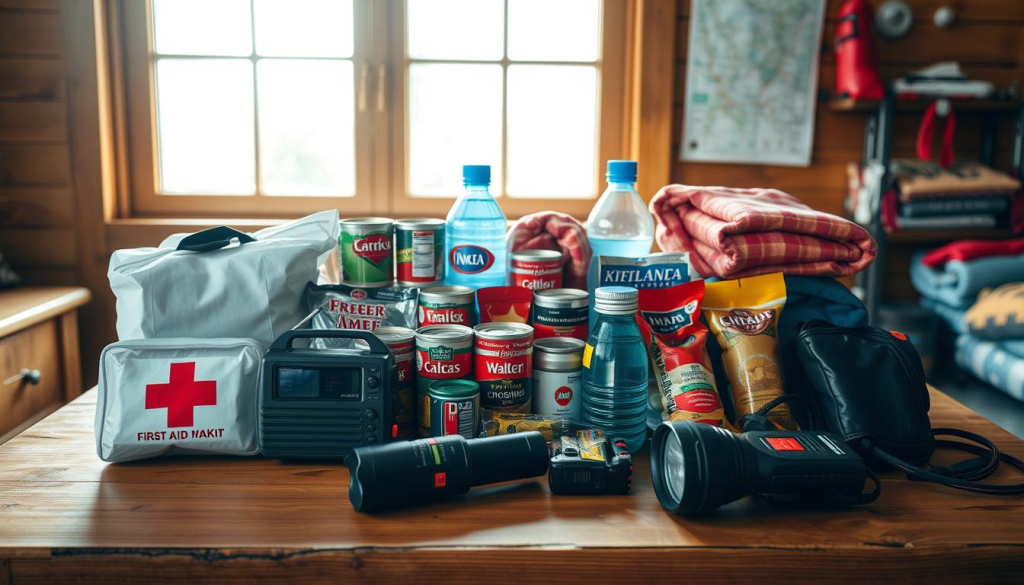
A well-stocked emergency supply kit is your key to weathering the cyclone and its aftermath. This kit should contain essential items that will help you and your family survive for at least 72 hours.
Essential Items to Include
When assembling your emergency supply kit, consider including the following critical items:
- Water and non-perishable food: Stock up on bottled water (at least 1 gallon per person per day) and non-perishable food items.
- First aid kit: A basic first aid kit should include bandages, antiseptic wipes, pain relievers, and any prescription medications.
- Flashlights and batteries: In case the power goes out, flashlights will provide necessary light.
- Multipurpose tool: A Swiss Army knife or a similar tool can come in handy for various tasks.
- Sanitation and hygiene items: Include toilet paper, hand sanitizer, and biodegradable soap.
How to Store Your Kit
Once you have assembled your emergency supply kit, it’s crucial to store it properly. Choose a location that is:
- Easily accessible: Make sure all family members know where the kit is located.
- Protected from the elements: Store the kit in a dry, cool place, away from direct sunlight.
- Portable: Consider using a container that is easy to carry, in case you need to evacuate.
Food and Water Considerations
When preparing your emergency supply kit, food and water are top priorities. Consider the following:
- Stock up on non-perishable food: Canned goods, dried fruits, and nuts are good options.
- Store water properly: Use airtight containers and keep them in a cool, dark place.
- Consider special dietary needs: If someone in your household has specific dietary requirements, be sure to include appropriate food items.
By carefully planning your emergency supply kit, you can ensure that you and your family are prepared to face a cyclone with confidence.
Home Safety Measures
To safeguard your family and property, taking proactive home safety measures is essential before a cyclone hits. Ensuring your home is secure can significantly reduce the risk of damage and injury.
Securing Windows and Doors
One of the most critical steps in preparing your home for a cyclone is securing windows and doors. This can be achieved by installing shutters or impact-resistant windows. If these are not feasible, covering windows with plywood can provide a level of protection. Additionally, reinforce doors with sturdy materials and consider using a deadbolt lock for added security.
Roof and Siding Reinforcement
A robust roof and secure siding are vital in withstanding high winds. Check your home’s roof for loose tiles or missing shingles and secure them. Ensure that your roof is cyclone-rated by consulting with your local council or a professional. For siding, verify that it is firmly attached to the structure of your home.
Removing Outdoor Hazards
Outdoor items such as patio furniture, plants, and signs can become projectiles in strong winds, causing damage or injury. To mitigate this risk, secure or store these items indoors before a cyclone hits. Trimming trees and branches near your home can also prevent potential damage.
| Cyclone Safety Measure | Action Required |
|---|---|
| Securing Windows and Doors | Install shutters or impact-resistant windows; cover with plywood if necessary |
| Roof and Siding Reinforcement | Check and secure roof tiles; ensure siding is firmly attached |
| Removing Outdoor Hazards | Secure or store outdoor items; trim trees and branches |
“Preparation is key to surviving a cyclone. By taking proactive steps to secure your home, you can protect your family and property.”
Preparing Your Vehicle for a Cyclone
Preparing your vehicle for a cyclone is a crucial step in your overall cyclone evacuation plan. Ensuring your car is in good condition can make a significant difference in case you need to evacuate quickly.
Fueling Your Car
One of the first steps in preparing your vehicle is to fill your car’s gas tank. Gas stations may be closed or experience shortages during a cyclone, so having a full tank is essential. “It’s always better to be safe than sorry,” as the saying goes, “prepare for the worst, and hope for the best.”
Emergency Go-Bag for Your Vehicle
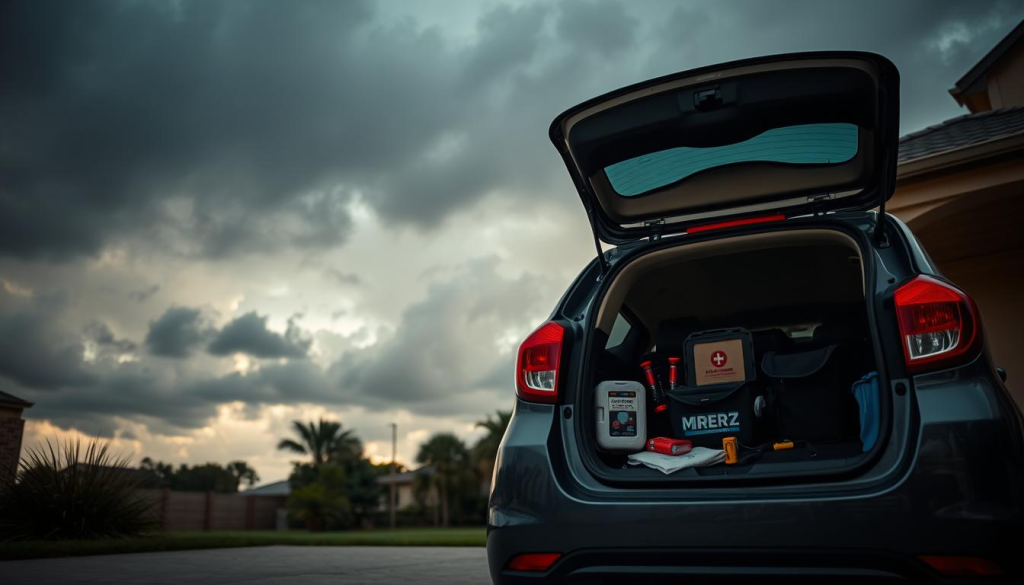
Creating an emergency go-bag for your vehicle is another critical preparation step. This bag should include essentials like a first-aid kit, flashlight, batteries, non-perishable snacks, and a battery-powered charger for your phone. As
“A well-prepared vehicle is a safe haven during emergencies.”
- First-aid kit
- Flashlight and extra batteries
- Non-perishable snacks and water
- Battery-powered charger
Checking Your Tires and Battery
Before the cyclone hits, it’s vital to check your vehicle’s tires and battery. Ensure your tires are inflated to the recommended pressure and have adequate tread. Check your battery terminals for corrosion and ensure they are clean. A dead battery or flat tire can leave you stranded, so it’s crucial to address these issues beforehand.
By following these cyclone readiness tips, you can ensure your vehicle is prepared to help you navigate through the storm safely. Remember, preparation is key to weathering the cyclone with minimal disruption.
Protecting Your Pets
Protecting your pets during a cyclone requires careful planning and preparation. As a pet owner, it’s essential to include your pets in your cyclone survival guide to ensure their safety and well-being.
Pet Emergency Kits
Creating a cyclone emergency kit for your pets is a crucial step in preparing for a cyclone. This kit should include essential items such as food, water, medication, and a first-aid kit specifically for your pets. Make sure to store this kit in an easily accessible location.
- Food and water for at least 3 days
- Pet medication and medical records
- A pet first-aid kit
- Comfort items like toys and blankets
Finding Pet-Friendly Shelters
In the event of an evacuation, it’s vital to identify pet-friendly shelters or hotels in advance. Not all shelters allow pets, so pre-identifying safe places for your pets is crucial. You can also consider asking friends or family members if they can accommodate your pets.
Preparing for Evacuation with Pets
When preparing to evacuate with your pets, make sure to have a pet carrier or crate ready. Keep your pets’ identification and medical records easily accessible. It’s also a good idea to have a recent photo of your pets in case they get lost.
By taking these steps, you can ensure that your pets are safe and secure during a cyclone. Remember, preparation is key to a successful cyclone survival guide.
Staying Informed During a Cyclone
As a cyclone nears, having the right information at the right time can be lifesaving. Staying informed is not just about knowing the cyclone’s category or its predicted landfall; it’s about understanding the risks and taking appropriate actions.
Reliable Weather Sources
To stay ahead of a cyclone, you need to rely on credible sources of weather information. The National Weather Service (NWS) is a primary source for weather forecasts, warnings, and conditions. You can stay updated through:
- Local news channels
- NWS website or mobile app
- Weather radios
These sources provide timely updates and critical information necessary for making informed decisions.
Understanding Alerts and Warnings
Cyclone alerts and warnings are issued by meteorological departments to inform the public about the potential impact of a cyclone. Understanding the difference between a watch and a warning is crucial:
- Cyclone Watch: Conditions are favorable for a cyclone to develop or for a cyclone to intensify into a more severe cyclone.
- Cyclone Warning: A cyclone is expected to hit the area within a certain timeframe, usually 24 to 48 hours.
Recognizing these alerts can help you prepare and evacuate if necessary.
Utilizing Smartphone Apps
In today’s digital age, smartphone apps are a convenient way to stay informed about weather conditions. Apps like the Weather Channel, Dark Sky, or the NWS app provide real-time updates, forecasts, and alerts directly to your phone. When choosing an app, consider:
- Reliability of the source
- Push notification features for alerts
- Ease of use during emergencies
Having the right app can ensure you receive timely notifications, helping you stay safe.

After the Storm: Safety First
It’s vital to wait for official clearance before assessing the damage after a cyclone. This ensures that you’re not exposed to unnecessary risks such as fallen power lines, contaminated water, or structural hazards.
Assessing Damage Safely
When inspecting your property, be cautious of potential hazards. Check for any gas leaks by smelling for the distinctive odor, as electronic detectors may not work if there’s been a power outage. Avoid using electrical equipment if it’s wet or if you’re unsure about the safety of your electrical supply.
Key safety checks include:
- Inspecting your home’s foundation for any signs of damage or shifting.
- Checking roofs and walls for structural integrity.
- Avoiding downed power lines and reporting them to the utility company.
Checking on Neighbors
After ensuring your own safety, it’s essential to check on your neighbors, especially the elderly or those who may need assistance. This community support is crucial in the aftermath of a cyclone.
| Neighborhood Support Actions | Benefits |
|---|---|
| Checking in on vulnerable neighbors | Ensures their safety and provides assistance if needed |
| Sharing resources | Fosters community resilience and support |
| Coordinating with local relief efforts | Enhances the effectiveness of aid distribution |
Staying Updated with Official Advice
Continue to monitor local news and official social media channels for updates on the situation. Authorities may provide instructions on how to proceed with cleanup efforts, access to aid, and other critical information.
By following these guidelines and staying informed, you can navigate the aftermath of a cyclone safely and effectively, incorporating valuable cyclone readiness tips and adhering to a comprehensive cyclone checklist.
Community Resources for Cyclone Preparedness
Effective cyclone preparedness involves leveraging local community resources. Understanding what’s available can significantly enhance your ability to prepare for and respond to a cyclone.
Local Emergency Services
Local emergency services are a critical component of cyclone preparedness. These services include emergency medical responders, firefighters, and law enforcement agencies. It’s essential to know how to contact these services and understand their role in cyclone response.
Contact Information: Keep a list of important phone numbers, such as your local emergency management office, readily available. You can usually find this information on the official website of your local government or through a quick internet search.
“Preparation is key to surviving a cyclone. Knowing your local emergency services can save lives.”
Community Shelters and Support
Community shelters provide a safe haven during cyclones. These shelters are designed to withstand high winds and often have backup power and other essential supplies.
- Identify shelters in your area and their locations.
- Understand the shelter’s capacity and whether they can accommodate pets.
- Know the procedures for accessing these shelters.
It’s also crucial to contact your local emergency management office to inquire about accommodations for pet owners. Some shelters may have specific facilities for pets.
| Shelters | Location | Pet Friendly |
|---|---|---|
| Community Center | 123 Main St | Yes |
| Local School | 456 Elm St | No |
Educating Yourself through Workshops
Educating yourself on cyclone preparedness is a proactive step. Many communities offer workshops or training sessions on disaster preparedness.
Benefits of Workshops: These workshops can provide valuable information on creating a cyclone evacuation plan, understanding weather alerts, and preparing your home.
To find a workshop near you, check with your local community center, library, or emergency management office. They often host or can recommend relevant events.
Final Checklist Before a Cyclone Hits
As a cyclone approaches, having a comprehensive prep list for cyclone is crucial. Reviewing your emergency plan, rechecking your supplies, and staying alert and informed are vital steps in your cyclone survival guide.
Reviewing Your Emergency Plan
Ensure all family members know the emergency plan, including evacuation routes and designated meeting points. Reviewing your insurance policies is also essential to guarantee adequate coverage for your home and personal property.
Rechecking Your Supplies
Verify that your emergency supply kit is fully stocked with essentials like food, water, and first aid supplies. Make any necessary adjustments to ensure you have enough resources to sustain your household.
Staying Alert and Informed
Stay updated with the latest weather forecasts and alerts from reliable sources. Utilize smartphone apps and local news to stay informed about the cyclone’s progress and any evacuation instructions.
By following this final checklist, you’ll be well-prepared to face the cyclone and minimize potential risks. Stay safe and follow your cyclone survival guide.