
Being prepared for emergencies is a crucial aspect of survival. Having a well-stocked emergency kit can make a significant difference in the face of natural disasters or other crises.
In today’s uncertain world, having a plan and the right gear is essential. A well-prepared emergency preparedness kit includes essential items that can help individuals survive and thrive during difficult situations.
A survival gear list should be tailored to meet the specific needs of each individual or family, taking into account factors such as climate, location, and personal requirements.
Key Takeaways
- Having a well-stocked emergency kit is crucial for survival.
- A survival gear list should be tailored to individual needs.
- Essential items can vary based on climate and location.
- Being prepared can make a significant difference in emergency situations.
- A well-prepared emergency kit includes food, water, and first aid supplies.
What is a Bug Out Bag?
A bug out bag, also known as a 72-hour kit, is designed to help individuals survive for at least three days in emergency conditions. This portable kit is packed with bug out bag essentials that cater to various needs, from food and water to first aid and shelter.
The concept of a bug out bag is simple yet vital in emergency preparedness. It is a pre-packed bag that contains all the necessary items one might need to survive and stay safe during a disaster or emergency situation.
Definition and Purpose
A bug out bag is defined as a portable collection of emergency go bag items that enable individuals to respond to and survive during emergencies. The primary purpose of a bug out bag is to provide the necessary tools and supplies to sustain life for a short period, typically 72 hours, until help arrives or the situation improves.
The contents of a bug out bag are carefully selected to address basic human needs, including food, water, shelter, first aid, and communication. By having such a bag ready, individuals can significantly enhance their chances of survival and comfort during disaster survival situations.
Importance of Preparedness
Preparedness is key to surviving emergencies effectively. A well-stocked bug out bag is a critical component of this preparedness, as it ensures that individuals have immediate access to vital supplies. The importance of having a bug out bag cannot be overstated, as it provides a proactive measure against the uncertainties of emergencies.
Being prepared with the right disaster survival supplies can make a significant difference in the outcome of emergency situations. It not only aids in survival but also helps in maintaining a sense of normalcy and reducing panic.
| Essential Items | Purpose |
|---|---|
| Food and Water | Sustenance for at least 72 hours |
| First Aid Kit | Basic medical care and wound management |
| Shelter and Warmth Gear | Protection from elements and hypothermia |
Common Misconceptions
One common misconception about bug out bags is that they are only necessary for extreme survivalists. In reality, a bug out bag is a practical tool for anyone who wants to be prepared for unexpected emergencies, regardless of their outdoor skills or experience.
Another misconception is that a bug out bag is a one-time purchase that never needs updating. However, it’s crucial to regularly review and update the contents of a bug out bag to ensure that all supplies are still usable and not expired.
Essential Items for Your Bug Out Bag
Preparing for the unexpected requires a bug out bag stocked with vital emergency evacuation supplies. A well-assembled bug out bag can be the difference between safety and peril during a disaster. The key is to focus on the most critical categories: food and water supplies, first aid essentials, and shelter and warmth gear.
Food and Water Supplies
Having adequate food and water is paramount. Your bug out bag should contain at least three days’ worth of non-perishable food and a means to purify water. Consider including:
- Energy bars
- Canned goods
- Dried fruits and nuts
- Water purification tablets or filter
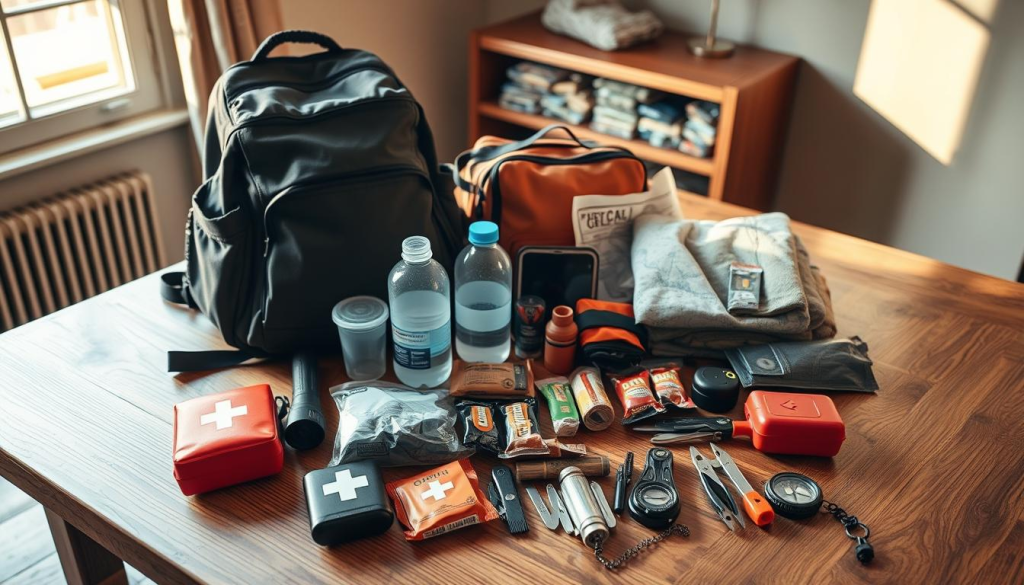
First Aid Essentials
A first aid kit is a must-have survival item. It should include basic medical supplies such as bandages, antiseptic wipes, pain relievers, and any personal medications. Don’t forget to check the expiration dates of your supplies regularly.
Shelter and Warmth Gear
Adequate shelter and warmth are crucial for survival. Include items like a lightweight tent, a sleeping bag, and a portable heater or warmth sources. Your bug out bag should be able to keep you warm and dry in various weather conditions.
| Category | Essential Items |
|---|---|
| Food and Water | Non-perishable food, water purification tablets |
| First Aid | Bandages, antiseptic wipes, pain relievers |
| Shelter and Warmth | Lightweight tent, sleeping bag, portable heater |
Importance of Food and Water in Emergency Situations
When disaster strikes, the importance of having adequate food and water cannot be overstated. In survival situations, these basic necessities are crucial for sustaining life and maintaining energy levels.
Having the right supplies in your emergency preparedness kit or bug out bag checklist can make a significant difference. Food and water are fundamental to survival, and their absence can lead to dehydration, starvation, and increased susceptibility to illnesses.
Types of Food to Consider
When selecting food for your emergency supplies, it’s essential to choose items that are non-perishable, nutrient-rich, and easy to prepare. Some excellent options include:
- Nuts and dried fruits
- Canned goods (vegetables, fruits, and meats)
- MREs (Meals Ready to Eat)
- Dried legumes (beans, lentils)
- Energy bars
These foods are not only calorie-dense but also provide essential vitamins and minerals. It’s also crucial to consider any dietary restrictions or allergies when selecting food items for your emergency kit.
Water Filtration Options
Access to clean drinking water is vital. In emergency situations, water sources may be contaminated, making water filtration a critical component of your disaster survival supplies. There are several methods to purify water, including:
- Boiling
- Using water filters (e.g., LifeStraw, Sawyer Mini)
- Chemical disinfection (e.g., chlorine tablets)
- UV light purification
Each method has its advantages and disadvantages. For instance, boiling is effective but requires a heat source, while water filters are convenient but may have limited capacity.
Calculating Your Needs
Determining the amount of food and water needed for emergency situations depends on several factors, including the number of people, duration of the emergency, and individual caloric needs. A general guideline is to store at least one gallon of water per person per day for drinking, cooking, and hygiene.
For food, a common recommendation is to have a minimum of 2,000 calories per person per day. The type and quantity of food should be adjusted based on age, health, and activity level.
By carefully planning your food and water supplies and incorporating effective water filtration options, you can significantly enhance your chances of survival during emergencies.
First Aid Kit Must-Haves
When it comes to emergency preparedness, a first aid kit is not just a nicety, it’s a necessity. A well-stocked first aid kit can help you respond to a variety of medical emergencies, from minor cuts and scrapes to more serious injuries.
Basic Medical Supplies
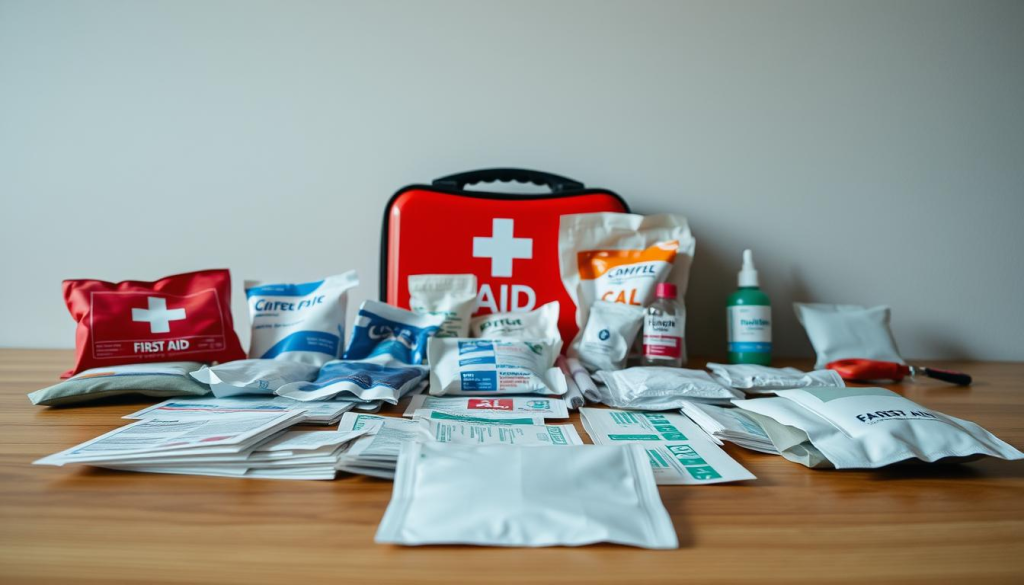
A basic first aid kit should include a variety of medical supplies, such as bandages, antiseptic wipes, pain relievers, and any other items that might be needed to treat common injuries. It’s also a good idea to include medical gloves to prevent the spread of infection.
- Bandages and band-aids
- Antiseptic wipes and ointment
- Pain relievers such as acetaminophen or ibuprofen
- Antihistamines for allergic reactions
- Medical gloves for personal protection
Prescription Medications
In addition to basic medical supplies, it’s also important to include any prescription medications that family members may need in an emergency. This can include medications for chronic conditions, as well as any necessary medical equipment, such as EpiPens or inhalers.
Make sure to check the expiration dates of any medications and replace them as needed.
Special Considerations for Kids and Pets
If you have children or pets, you’ll want to include additional items in your first aid kit to address their specific needs. For children, this might include child-sized band-aids and pediatric doses of pain relievers. For pets, you may want to include supplies such as pet bandages or antiseptic wipes.
It’s also a good idea to include a first aid guide that provides instructions on how to treat common injuries and illnesses.
Shelter Solutions in a Bug Out Bag
A bug out bag isn’t complete without a reliable shelter solution. In emergency situations, having a proper shelter can protect you from harsh weather conditions and provide a sense of security. The key is to pack lightweight, durable, and versatile shelter options.
Tents and Tarps
Tents and tarps are essential components of a bug out bag. They offer protection from the elements and can be used in various settings. A good tent should be waterproof, easy to set up, and compact.

Sleeping Bags and Blankets
Sleeping bags and blankets are crucial for maintaining body heat during cold nights. Look for sleeping bags with a suitable temperature rating for your area, and consider compact, lightweight blankets.
Portable Camping Gear
Portable camping gear, such as camping stoves and cooking pots, can enhance your shelter experience. These items allow you to prepare meals and boil water, making your survival more sustainable.
Personal Hygiene Items for Survival
Survival isn’t just about having food and shelter; personal hygiene plays a significant role too. In emergency situations, maintaining personal hygiene can be challenging, but it’s crucial for preventing the spread of diseases and maintaining morale.
Toiletries to Include
When packing your bug out bag, consider including essential toiletries such as toothbrushes, toothpaste, biodegradable soap, and toilet paper. These items are vital for maintaining oral hygiene and overall health. Don’t forget to include any personal hygiene items you use daily.
- Biodegradable soap for washing hands and body
- Toothbrush and toothpaste for oral hygiene
- Moist towelettes or baby wipes for cleaning when water is scarce
- Feminine hygiene products if applicable
Waste Management Supplies
Proper waste management is critical in survival situations to prevent the spread of diseases. Include heavy-duty trash bags, a portable toilet (if needed), and hand sanitizer in your bug out bag. These supplies will help you manage waste effectively and maintain a clean environment.
- Heavy-duty trash bags for disposing of waste
- A small shovel for digging a cathole for human waste
- Hand sanitizer for when water is not available
Importance of Sanitation
Maintaining sanitation is not just about personal hygiene; it’s also about keeping your living environment clean. Proper sanitation practices can significantly reduce the risk of disease outbreaks. Ensure that you and your family understand the importance of washing hands regularly, using clean utensils, and keeping your shelter clean.
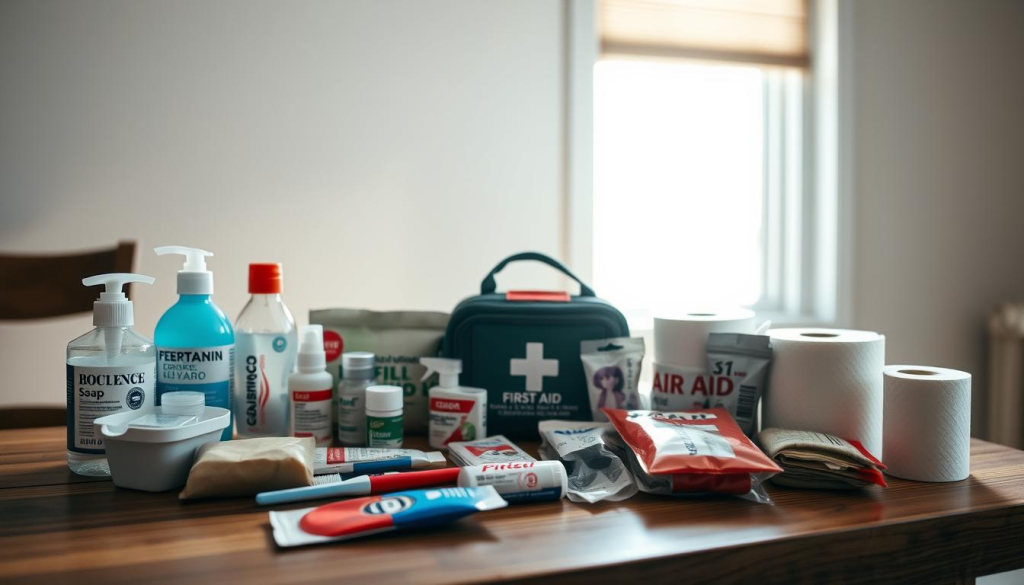
By including personal hygiene items in your bug out bag and practicing good sanitation, you can significantly improve your chances of staying healthy during survival situations. Remember, a well-prepared individual is better equipped to handle emergencies.
Clothing and Footwear Essentials
In emergency preparedness, the importance of appropriate clothing and footwear cannot be overstated, as they directly impact survival and comfort. When compiling a bug out bag, it’s essential to consider the types of clothing and footwear that will best prepare you for various scenarios.
Weather-Appropriate Attire
Selecting clothing that is suitable for different weather conditions is crucial. Layering is a key strategy, allowing you to adjust your clothing to suit the temperature. Include a mix of moisture-wicking base layers, insulating mid-layers, and waterproof outer layers to stay dry and comfortable.
- Lightweight, quick-drying shirts and pants for warm weather
- Insulating layers such as fleece jackets or down vests for cold conditions
- Waterproof and windproof jackets and pants for harsh weather
Durable Footwear Options
Footwear is a critical component of your bug out bag. Durable, waterproof boots that provide good ankle support are essential for navigating challenging terrain. Consider boots that are also breathable to prevent blisters and discomfort.
- Hiking boots with good tread and ankle support
- Waterproof shoes or gaiters for wet conditions
- Sturdy sandals for warmer climates or water crossings
Extra Layers and Accessories
In addition to the basics, including extra layers and accessories can enhance your preparedness. Hats, gloves, and scarves can provide critical protection against the elements. Consider the climate you’re most likely to encounter and pack accordingly.
- Thermal hats and gloves for cold weather
- Sunscreen and hats for sun protection
- Extra socks and underwear for layering and hygiene
By carefully selecting clothing and footwear for your bug out bag, you can significantly improve your chances of survival and comfort during emergencies.
Important Tools and Gear
Survival in emergency situations depends heavily on having the appropriate tools and gear in your bug out bag. The right equipment can help you navigate through challenging environments, start fires for warmth and cooking, and perform various tasks essential for survival. In this section, we will explore the critical tools and gear that should be included in your bug out bag.
Multi-tools vs. Regular Tools
A multi-tool is a versatile device that combines several tools into one compact unit. It often includes pliers, scissors, knives, and other functions. Multi-tools are highly valued in survival situations because they offer a range of capabilities without the bulk of carrying separate tools. In contrast, regular tools are designed for specific tasks and may not offer the same level of versatility.
While a multi-tool is indispensable, it’s also wise to include a few regular tools that can perform specific tasks more effectively. For example, a fixed-blade knife can be more reliable and easier to use than the knife on a multi-tool.
Fire-starting Equipment
Fire-starting equipment is crucial for survival, providing warmth, a means to cook food, and a way to signal for help. There are several options for fire-starting, including lighters, matches, and ferrocerium rods. Each has its advantages and disadvantages.
Lighters are convenient but can be unreliable in wet conditions. Matches are another common choice, but they must be kept dry to be effective. Ferrocerium rods, also known as fire steel, are highly durable and can generate sparks even in damp environments, making them an excellent choice for survival situations.
Navigation Aids
Navigation aids are essential for finding your way during an emergency. A compass is a fundamental tool that can help you determine direction. It’s crucial to know how to use a compass effectively and to include a map of your area.
Other navigation aids include GPS devices and personal locator beacons (PLBs). GPS devices can provide precise location information, while PLBs can send a distress signal to emergency responders. It’s also a good idea to include a star chart or know how to navigate using natural signs like the sun and stars.
Communication and Signaling Devices
Communication plays a vital role in emergency preparedness and response. In the face of a disaster, being able to communicate with family members, receive critical updates, and signal for help can significantly impact survival and recovery efforts. A well-stocked bug out bag should include essential communication and signaling devices to ensure you stay connected and visible when it matters most.
Emergency Radios
An emergency radio is a crucial component of any bug out bag. It allows you to receive vital information, weather updates, and emergency instructions. Hand-crank radios are particularly useful as they don’t rely on batteries. Look for models with additional features like flashlights, USB charging ports, and NOAA Weather Radio certification.
Signal Mirrors and Whistles
Signaling for help is an essential aspect of emergency communication. A signal mirror can be used to reflect sunlight towards any aircraft or rescuers during the day, while a whistle is effective for signaling over long distances. The international distress signal is three short blasts on a whistle, followed by a pause, and then three more blasts.
Importance of Cellphones
While cellphones are ubiquitous, their role in emergency communication cannot be overstated. Ensure your bug out bag includes a portable charger and consider a solar-powered charging option. Keep a list of important phone numbers and consider using a phone with a long-lasting battery or an external battery pack.
In conclusion, incorporating effective communication and signaling devices into your bug out bag can significantly enhance your chances of survival and rescue during emergencies. By understanding the importance of these tools and selecting the right equipment, you can be better prepared to face unexpected situations.
Tips for Customizing Your Bug Out Bag
Effective emergency preparedness starts with a customized bug out bag that meets your individual requirements. A well-prepared bug out bag is not just about having the right gear; it’s about having the right gear tailored to your specific needs.
Assessing Personal Needs
When customizing your bug out bag, it’s crucial to assess your personal needs. Consider factors such as your health, the climate you live in, and the specific emergencies you’re most likely to face. For instance, if you have a medical condition, your bug out bag should include necessary medications and equipment.
“A bug out bag is only as good as the thought and planning that goes into it.” This quote emphasizes the importance of considering your personal circumstances when assembling your emergency kit.
Seasonal Adjustments
Seasonal adjustments are vital to ensure your bug out bag remains relevant throughout the year. For example, in colder climates, you may need to include additional warmth and insulation gear during winter months. Conversely, in hotter climates, hydration and sun protection become more critical.
- Update your clothing and gear according to the season.
- Consider the potential for extreme weather conditions.
- Adjust your food and water supplies based on the season’s impact on your needs.
Regular Maintenance and Updates
Regular maintenance and updates are essential to keep your bug out bag effective. Check your supplies regularly to ensure they are not expired or damaged. Update your bug out bag as your personal circumstances change, such as moving to a new location or having a child.
By following these tips, you can create a bug out bag that is truly tailored to your needs, enhancing your emergency preparedness and survival chances.
Planning and Practicing Your Bug Out Plan
Having a well-thought-out bug out plan is crucial for emergency preparedness. It’s not just about assembling a bug out bag; it’s also about knowing how to use the items in it and having a clear plan for survival.
Conducting Regular Drills
Regular drills are essential to ensure that everyone knows what to do in case of an emergency. This includes practicing evacuation routes, setting up shelter, and using the items in your bug out bag.
Involving Family Members in the Planning Process
Involving all family members in the planning process is vital. This ensures that everyone knows their role and responsibilities, making the execution of the bug out plan smoother.
Reviewing and Adjusting Your Plan
Survival planning is not a one-time task. It’s essential to review and adjust your bug out plan regularly to account for changes in your family’s needs, seasonal variations, and new potential threats.
By having a comprehensive bug out plan, practicing it regularly, and involving all family members, you can significantly enhance your emergency preparedness and survival chances.