
In the event of a natural disaster or emergency, having a well-stocked survival kit can be a lifesaver. A bug out bag is a portable collection of essential items that can help you survive for at least 72 hours.
This emergency preparedness kit should be customized to meet your specific needs, including food, water, first aid supplies, and communication tools.
Key Takeaways
- A bug out bag is a short-term survival kit that can help you survive for at least 72 hours.
- Customize your kit to meet your specific needs, including food, water, and first aid supplies.
- A well-stocked survival kit can be a lifesaver in the event of a natural disaster or emergency.
- Include essential items such as communication tools and emergency shelter.
- Regularly check and update your kit to ensure it remains relevant and effective.
What is a Bug Out Bag and Why You Need One?
When disaster strikes, a bug out bag can help you evacuate quickly and safely. A bug out bag, also known as a 72-hour kit, is designed to provide essential supplies to help you survive for at least three days in the event of an emergency or natural disaster.
Definition of a Bug Out Bag
A bug out bag is a portable collection of essential items that can help you survive and stay safe during emergencies. It typically includes emergency bag essentials such as food, water, first aid supplies, and means of communication. The core purpose of a bug out bag is to enable you to leave a dangerous situation quickly and safely, hence the term “bug out.”
Importance of Preparedness
Preparedness is key to surviving unexpected disasters. Having a well-stocked bug out bag ensures that you are ready to face various emergencies, from natural disasters like hurricanes and earthquakes to man-made crises. The importance of preparedness cannot be overstated, as it can significantly impact your ability to respond effectively and safely.
Being prepared with the right disaster preparedness supplies can make a significant difference in your survival chances. It’s not just about having the supplies; it’s about having the right mindset and knowledge to use them effectively.
Situations to Consider
When preparing your bug out bag, it’s crucial to consider the types of emergencies you might face. Different regions have different risks—hurricanes in coastal areas, wildfires in dry regions, or floods in low-lying areas. Understanding these risks helps you tailor your bug out bag to include the survival bag must-haves for your specific situation.
For instance, if you live in an area prone to earthquakes, your bug out bag should include supplies that can help you navigate through debris and provide light during power outages. Similarly, if you’re in a region susceptible to hurricanes, your bag should be equipped with items that can help you weather high winds and flooding.
Essential Items for Your Bug Out Bag
In the face of emergencies, having a bug out bag with the right essentials can be lifesaving. A well-prepared bug out bag ensures you have the necessary supplies to survive and potentially thrive during challenging situations.
Food and Nutrition Supplies
When it comes to food, it’s essential to pack non-perishable, high-calorie items that are easy to prepare. Consider including canned goods, dried fruits, and nuts in your bug out bag. These items provide the necessary energy and can be consumed on the go.
Additionally, don’t forget to include a manual can opener and a portable stove or camping cooker to prepare your meals. These tools will enable you to make the most of your food supplies.
Water and Filtration Options
Having access to clean drinking water is crucial. Pack water purification tablets or a portable water filter to ensure you can safely consume water from any source. It’s also a good idea to include a collapsible water container for storing and carrying water.
Consider the importance of hydration in survival situations and aim to store at least one liter of water per person per day. Remember, dehydration can set in quickly, so having a reliable means of accessing clean water is vital.
First Aid Essentials
A basic first aid kit should include items for trauma control, essential first aid, and medication. This means packing supplies like bandages, antiseptic wipes, pain relievers, and any personal medications. It’s also crucial to include blister care and burn treatment supplies to address common injuries.
Regularly check your first aid kit to ensure all supplies are still usable and not expired. This attention to detail can make a significant difference in effectively treating injuries and preventing infections.
Tools and Gear for Survival
In the face of disaster, the tools and gear you carry can be crucial to your survival. Having the right equipment can make a significant difference in how you navigate through challenging situations.
“The will to survive is important, but the right tools can make that will a reality,” as emphasized by survival experts. This underscores the importance of including essential tools and gear in your bug out bag.
Multi-tools and Knives
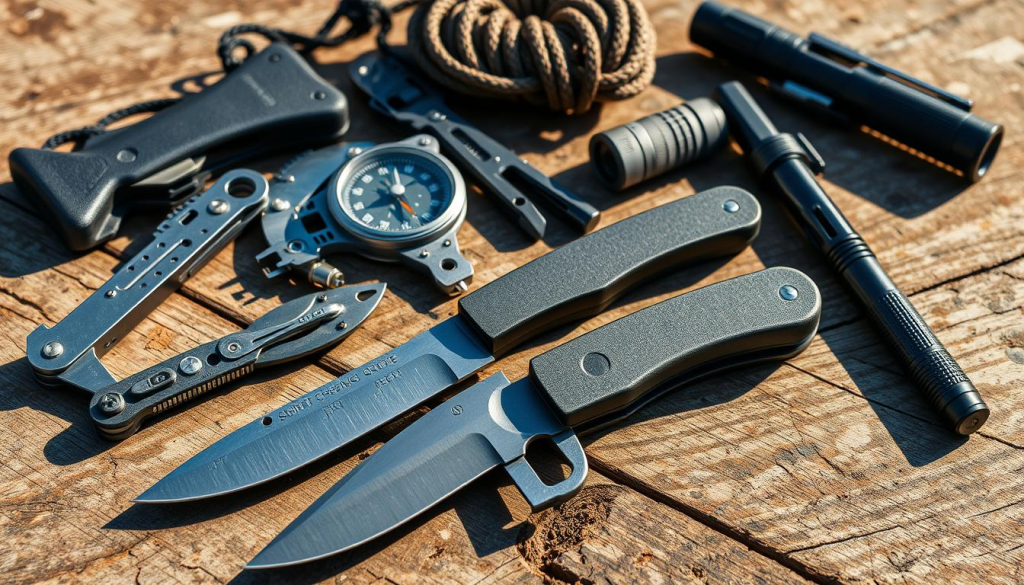
A multi-tool or pocket knife is versatile and can be used for a variety of tasks, from cutting branches to opening cans. These tools are indispensable in survival situations, providing a means to prepare food, cut through obstacles, or even defend yourself if necessary.
Key Features to Look for in a Multi-tool or Knife:
- Durable construction
- Multiple functions (e.g., knife, scissors, saw)
- Ease of use
Shelter and Sleeping Gear
Adequate shelter and sleeping gear are critical for protection against the elements. This includes tents, sleeping bags, and sleeping pads, which can provide warmth and comfort in survival situations.
Considerations for Shelter and Sleeping Gear:
- Lightweight and compact for easy carrying
- Water resistance
- Insulation properties
Fire Starting Supplies
Fire can be a lifesaver in survival situations, providing warmth, a means to cook food, and a way to signal for help. Including fire starting supplies such as lighters, matches, and firestarters in your bug out bag is essential.
“Fire is a powerful tool in survival. It can provide warmth, cook food, and signal for rescue.”
Fire Starting Essentials:
- Waterproof matches
- Lighters
- Firestarters (e.g., ferrocerium rod)
Clothing and Personal Items
Clothing and personal items are crucial components of any Bug Out Bag, providing comfort and protection in emergency situations. When preparing your bag, it’s essential to consider the types of clothing and personal items that will best support your survival needs.
Weather-Appropriate Clothing
Having the right clothing for various weather conditions is vital. This includes moisture-wicking base layers, insulating mid-layers, and waterproof outer layers. Consider the climate of your region and the potential weather conditions you might face.
- Thermal underwear for cold climates
- Lightweight, breathable clothing for warm climates
- Waterproof jackets and pants
- Warm hats and gloves
Footwear for Different Terrains
Footwear is another critical aspect of your Bug Out Bag. You need shoes that are suitable for different terrains and can withstand the rigors of survival situations. Consider sturdy hiking boots, waterproof socks, and potentially lightweight sandals for warmer conditions or water crossings.
- Hiking boots with good ankle support
- Waterproof socks to keep feet dry
- Sandals or water shoes for water activities
Personal Hygiene Items
Personal hygiene is often overlooked but is crucial for maintaining health and morale. Include biodegradable soap, toothbrush and toothpaste, and moist towelettes in your Bug Out Bag. These items can help prevent the spread of disease and maintain a sense of normalcy.
By carefully selecting clothing and personal items, you can enhance your chances of survival and comfort during emergencies. Remember, the key to an effective Bug Out Bag is preparation and a thoughtful consideration of your needs.
Navigation and Communication Tools
When emergencies strike, the ability to navigate and communicate effectively is crucial for survival. Navigation and communication tools are among the emergency survival essentials that can make a significant difference in a disaster scenario.
Having the right tools enables individuals to find their way to safety, call for help, and stay informed about the situation. In this section, we will explore the various navigation and communication tools that should be included in your bug out gear checklist.
Maps and Compasses
A map and compass are fundamental survival bag must-haves. Even with the advent of GPS technology, these traditional navigation tools remain essential due to their reliability and independence from batteries or satellites.
- Topographic maps provide detailed information about the terrain, including natural and man-made features.
- A compass allows for orientation and direction-finding, even when visibility is poor.
GPS Devices and Their Importance
GPS devices offer precise location information and are invaluable for navigation. They can be used in conjunction with maps and compasses for enhanced accuracy.
- Handheld GPS units are portable and designed for outdoor use.
- GPS watches and smartphones with GPS capabilities can also serve as navigation aids.
Emergency Communication Methods
In addition to navigation, the ability to communicate is vital. Emergency communication methods include:
- Two-way radios for staying in touch with family members or group members.
- Satellite phones for calling for help when cellular networks are down.
- Whistles or other signaling devices to alert potential rescuers.

In conclusion, incorporating a mix of traditional and modern navigation and communication tools into your bug out bag is essential for survival. By understanding the importance of these tools and how to use them, individuals can significantly enhance their chances of staying safe during emergencies.
How to Pack Your Bug Out Bag Efficiently
To maximize your chances of survival, your bug out bag needs to be packed with care and consideration. Efficient packing ensures that you have everything you need without unnecessary bulk or weight.
Organization Tips and Tricks
Organization is key to a functional bug out bag. Use packing cubes or compartments to categorize your supplies. For example, dedicate one section to first aid, another to food and water, and another to tools and gear.
- Use clear plastic bags to store small items like medications or batteries.
- Label each compartment to quickly identify its contents.
- Keep frequently used items easily accessible.
A well-organized bug out bag can save you precious time in an emergency. Consider the layout and ensure that it’s intuitive.
Weight Considerations
The weight of your bug out bag is a critical factor. You need to balance between carrying enough supplies and being able to move quickly. Distribute the weight evenly to avoid strain.
| Item Category | Weight Consideration | Example Items |
|---|---|---|
| Food and Water | High | Non-perishable food, water purification tablets |
| First Aid | Medium | Bandages, antiseptic wipes, pain relievers |
| Tools and Gear | Variable | Multi-tool, flashlight, extra batteries |
Accessing Your Gear Quickly
In an emergency, every second counts. Ensure that your most critical items are easily accessible. Practice retrieving items from your bag to build muscle memory.
“The will to survive is important, but the ability to prepare is paramount.” – Unknown
Keep your bug out bag ready and regularly check its contents to ensure everything is in working order.
By following these tips, you can create a bug out bag that is both efficient and effective, enhancing your chances of survival in any situation.
Assessing Your Bug Out Location
Choosing the ideal bug out location is a critical decision that impacts your survival strategy. Your bug out location serves as a safe haven during emergencies, making it essential to assess its viability carefully.

Choosing the Right Destination
When selecting a bug out location, several factors come into play. Proximity to your current location is crucial, as it needs to be accessible within a reasonable timeframe. Consider the terrain and geography of the area; a location with natural resources, such as water and shelter, is preferable.
“A bug out location is not just a place to hide; it’s a place to survive,” emphasizes the importance of thorough planning. Ensure that your chosen destination is safe from potential hazards, such as flood zones or areas prone to wildfires.
Considerations for Urban vs. Rural Areas
The debate between urban and rural bug out locations is ongoing. Urban areas may offer better infrastructure and access to services, but they can also be more densely populated and potentially more dangerous during certain disasters. On the other hand, rural areas provide a more secluded environment and potentially more natural resources, but they may lack access to medical facilities and other services.
- Urban Areas: Consider the availability of public transportation, hospitals, and other emergency services.
- Rural Areas: Think about the availability of natural resources like water, food, and shelter.
Ultimately, the choice between an urban or rural bug out location depends on your specific needs, the nature of the emergency, and your personal preferences. It’s also worth considering a hybrid approach, where you have multiple bug out locations for different scenarios.
By carefully assessing your bug out location and considering factors like destination and environment, you can enhance your chances of survival during emergencies. Remember, the key to a successful bug out plan lies in thorough preparation and a well-thought-out strategy.
Bug Out Bag Supply List for Families
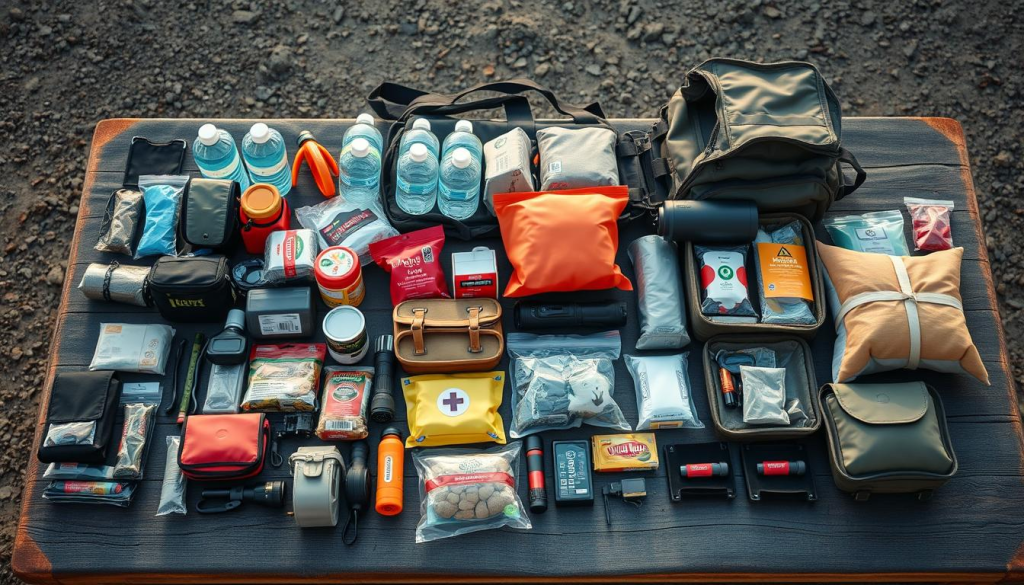
Families need a comprehensive bug out bag supply list to ensure everyone’s safety during emergencies. Preparing a bug out bag for your family involves considering the unique needs of each member, especially children.
Kid-Specific Supplies
When packing a bug out bag for families, it’s essential to include kid-specific supplies. These may encompass diapers, formula, baby food, and any necessary medications. Comfort items like a favorite toy or blanket can also provide emotional comfort during stressful situations.
Family Communication Plans
A family communication plan is vital in ensuring that all family members can reunite if you get separated. This plan should include designated meeting points, contact numbers, and a method for communicating if you are apart. Make sure all family members understand the plan.
Activities to Keep Kids Entertained
To keep kids entertained during an emergency, include a variety of activities in your bug out bag. These can range from coloring books and crayons to small toys and games. Such items can help distract from the situation and provide a sense of normalcy.
By carefully planning your bug out bag with these considerations in mind, you can ensure that your family is better prepared to face emergencies together.
Maintaining and Updating Your Bug Out Bag
Regular maintenance of your bug out bag is crucial for effective emergency preparedness. A well-maintained bug out bag ensures that you are always ready to face unexpected situations with the necessary supplies.
Regular Inventory Checks
Conducting regular inventory checks is the first step in maintaining your bug out bag. This involves checking the condition and expiration dates of your emergency preparedness items. It’s essential to:
- Inspect all items for damage or wear.
- Check expiration dates of food, water purification tablets, and medications.
- Test batteries and electronic devices.
Rotating Food and Medication
Rotating your food and medication supplies is vital to ensure they remain usable when needed. This can be achieved by:
- Using the “first in, first out” rule for consumables.
- Replacing expired or soon-to-expire items.
- Keeping a log of expiration dates to stay organized.
For medication, it’s also important to check the condition and ensure that you have an adequate supply for your needs.
Staying Informed on New Gear
Staying informed about new survival bag must-haves and advancements in emergency preparedness can enhance your bug out bag’s effectiveness. Consider:
- Researching new gear and technologies.
- Attending survival and preparedness workshops or seminars.
- Engaging with online communities to share knowledge and experiences.
By following these steps, you can ensure your bug out bag remains a reliable resource in emergency situations.
The Role of Training and Skills
Having the right training is just as important as having the right gear when it comes to survival. In addition to stocking your bug out bag with emergency survival essentials, you need to know how to use them effectively.
Basic Survival Skills Everyone Should Know
Basic survival skills are fundamental to making it through a disaster. These include knowing how to start a fire, navigate using a compass, and provide first aid. It’s not just about having a survival kit checklist; it’s about understanding how to utilize each item.
For instance, knowing how to filter water can be a lifesaver. There are various methods, from using water filters to boiling water. Understanding these techniques can ensure you have access to clean drinking water.
Practice Makes Perfect: Drills and Training
Having knowledge is one thing, but putting it into practice is another. Regular drills and training exercises can help you become proficient in survival skills. This includes setting up your shelter, using your multi-tool, and navigating through unfamiliar terrain.
It’s also beneficial to practice with your bug out bag. Knowing what’s inside and how to access it quickly can save precious time in an emergency.
Finding Community Resources
You don’t have to go it alone. There are many community resources available for those looking to improve their survival skills. This can include local survival groups, online forums, and training courses.
Joining a community can provide you with valuable information on disaster preparedness supplies and techniques. You can learn from others’ experiences and gain new insights into survival strategies.
| Skill | Description | Resource |
|---|---|---|
| Fire Starting | Knowing how to start a fire without modern tools | Local survival courses |
| First Aid | Understanding basic first aid techniques | Red Cross Training |
| Navigation | Using a compass and map to navigate | Outdoor adventure groups |
Budget-Friendly Bug Out Bag Options
Assembling a comprehensive bug out bag doesn’t have to break the bank. With a little creativity and resourcefulness, you can prepare a bug out bag that is both effective and affordable.
DIY Solutions for Supplies
One of the most cost-effective ways to prepare your bug out bag is by creating your own supplies. For instance, you can make your own water filtration system using household items like sand, charcoal, and cloth. DIY first aid kits are another great way to save money while ensuring you have the necessary medical supplies.
Consider repurposing items you already have at home. Old clothing can be repurposed as bandages or cleaning rags, and plastic containers can be used to store food or water. Being creative with what you already own can significantly reduce the cost of your bug out bag.
Thrift Store Finds
Thrift stores can be a treasure trove for bug out bag supplies. You can find affordable clothing suitable for various weather conditions, sturdy footwear, and even basic camping gear. When shopping at thrift stores, inspect items carefully to ensure they are in good condition and suitable for your needs.
“The key to survival is not just having the right gear, but also knowing how to use it effectively.” – Unknown
Investing Wisely in Quality Gear
While being budget-friendly is important, there are times when investing in quality gear is necessary. For example, a good quality water filter or a reliable multi-tool can be worth the extra cost due to their durability and effectiveness.
| Item | Budget Option | Quality Investment |
|---|---|---|
| Water Filter | DIY Charcoal Filter | LifeStraw Personal Water Filter |
| Multi-tool | Basic Multi-tool ($10) | Leatherman Wave Multitool ($70) |
By balancing DIY solutions, thrift store finds, and wise investments in quality gear, you can create a comprehensive bug out bag that fits your budget. Remember, the key is to be prepared without overspending.
Conclusion: Be Prepared, Stay Safe
Preparing a bug out bag is a crucial step in emergency preparedness, ensuring you have the necessary emergency survival essentials to face unexpected disasters.
Practical Considerations
When assembling your bug out bag supply list, consider the specific needs of your family, including any special requirements for children, pets, or individuals with medical conditions. Regularly reviewing and updating your survival kit checklist is vital to ensure all items are still usable and not expired.
Survival Mindset
Having the right mindset is critical to survival. Staying calm, being resourceful, and having the ability to adapt to new situations can make a significant difference in how effectively you respond to emergencies. By combining a well-prepared bug out bag with a resilient mindset, you can enhance your chances of navigating through challenging situations safely.