
In emergency situations, having a portable survival pack can be a lifesaver. A compact bug out bag is designed to provide essential items for short-term survival, making it easier to evacuate quickly.
This emergency essentials bag is not meant for long-term survival but is crucial until help arrives or you reach a safer location. It should include vital supplies such as food, water, first aid kits, and communication tools.
Understanding the importance of a compact bug out bag can help you prepare for unexpected emergencies, ensuring you’re equipped with the necessary tools to stay safe.
Key Takeaways
- A compact bug out bag is essential for emergency evacuations.
- It should include vital supplies like food, water, and first aid kits.
- The bag is designed for short-term survival until help arrives.
- Being portable and lightweight, it’s easy to carry during emergencies.
- Having a compact bug out bag can significantly enhance your safety.
What is a Bug Out Bag?
Understanding the concept of a bug out bag is fundamental to being prepared for unexpected emergencies. A bug out bag, also known as a 72-hour kit, is essentially a portable collection of essential items that can sustain an individual for at least three days during critical situations.
Definition and Purpose
A bug out bag small or mini bug out kit is designed to be compact and lightweight, making it easy to carry. The primary purpose of this bag is to provide the necessary supplies to survive during the initial stages of an emergency, giving individuals a better chance to navigate through challenging situations until help arrives or until they can reach a safer location.
“A well-prepared bug out bag can be the difference between life and death in emergency situations.”
The contents of a bug out bag small typically include food, water, first aid supplies, shelter, and communication tools. The idea is to have a concise yet comprehensive kit that addresses the basic needs of survival.
Importance in Emergency Situations
In emergency situations, having a mini bug out kit or an emergency essentials bag can be crucial. These bags are designed to be easily accessible and contain the essentials needed to survive.
| Essential Items | Purpose |
|---|---|
| Food and Water | Sustenance for at least three days |
| First Aid Kit | Basic medical supplies for injuries |
| Shelter and Warmth Gear | Protection from the elements |
The importance of having such a bag cannot be overstated. It serves as a critical tool in emergency preparedness, providing individuals with the means to respond effectively to unexpected situations.
Key Features of a Small Bug Out Bag
Understanding the key features of a small bug out bag is essential for maximizing its utility. A compact bug out bag is designed to be efficient, containing the essentials needed to survive in emergency situations.
Size and Weight Considerations
When choosing a bug out backpack, consider the size and weight. A compact bug out bag should be lightweight and compact, making it easier to carry during emergencies. The size should be sufficient to hold essential items without being too bulky.
A travel-sized bug out backpack typically ranges between 20 to 30 liters in capacity. This size is generally adequate for carrying the necessary gear without being overly cumbersome. It’s also important to consider the weight distribution within the bag to ensure it’s comfortable to carry.
| Bag Size (Liters) | Typical Use | Weight Consideration |
|---|---|---|
| 20-25 | Short-term emergencies, day trips | Lightweight, under 2 lbs |
| 25-30 | Longer-term emergencies, overnight trips | Moderate, 2-3 lbs |
| 30+ | Extended survival situations | Heavier, over 3 lbs |
Durability and Material Quality
The durability of a bug out bag is crucial, as it must withstand the rigors of emergency situations. Look for bags made from high-quality, water-resistant materials like nylon or polyester. These materials are known for their durability and resistance to wear and tear.
A lightweight bug out gear doesn’t just refer to the bag itself but also to the materials used in its construction. Reinforced stitching, heavy-duty zippers, and padded compartments are features that contribute to the overall durability of the bag.
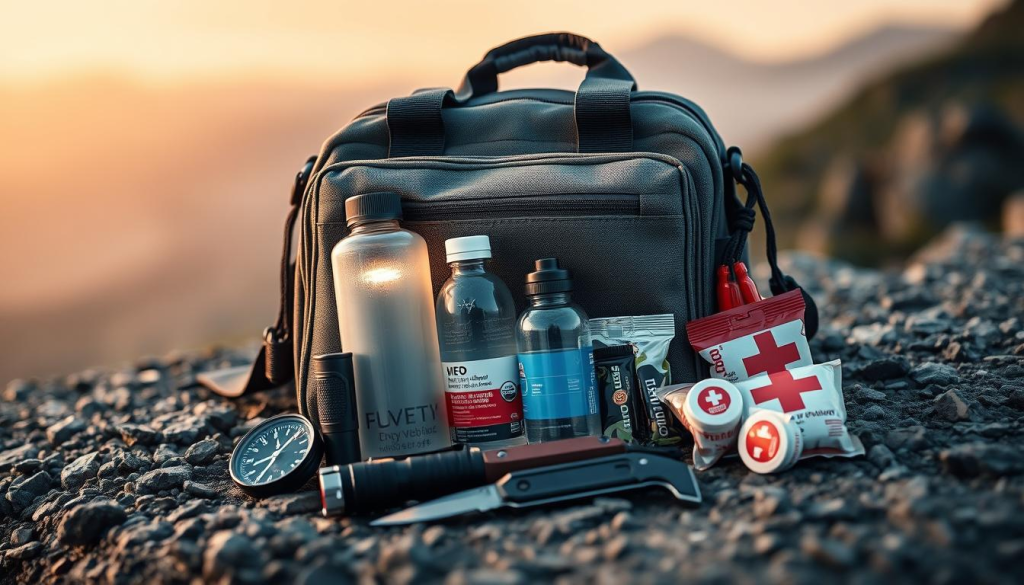
When selecting a compact bug out bag, it’s essential to inspect the construction quality. Check for reinforced seams, durable zippers, and the overall build of the bag. A well-constructed bag will last longer and perform better in critical situations.
Essential Items for Your Compact Bug Out Bag
To ensure you’re prepared for any situation, it’s essential to pack the right items in your compact bug out bag. A well-prepared bag can be the difference between safety and peril during emergencies.
Food and Water Supplies
Having adequate food and water supplies is critical for survival. Your compact bug out bag should include non-perishable, high-calorie food items such as energy bars, nuts, and dried fruits. It’s also crucial to have a reliable means of purifying water, such as a portable filter or purification tablets, to ensure access to safe drinking water.
First Aid Kit Essentials
A first aid kit is a vital component of any emergency essentials bag. It should include bandages, antiseptic wipes, pain relievers, and any medications that you or your family members might need. Regularly check your first aid kit to ensure that all items are still usable and not expired.
Shelter and Warmth Gear
Shelter and warmth are fundamental needs during survival situations. Include a lightweight tent or tarp, a sleeping bag or emergency blanket, and a means of starting a fire, such as matches or a lighter, in your portable survival pack. These items will help protect you from the elements and keep you warm.
Multi-Tools and Survival Gear
Multi-tools and survival gear can significantly enhance your ability to survive. A multi-tool or pocket knife can help with a variety of tasks, from cutting branches to opening cans. Additionally, consider including a compass, a whistle, and a small flashlight in your small bug out bag checklist to help navigate and signal for help if needed.
By carefully selecting and packing these essential items, you can ensure that your compact bug out bag is ready to help you survive in case of an emergency.
Organization Tips for Efficient Packing
Efficient packing is crucial for a compact bug out bag to be effective in emergency situations. A well-organized bag ensures that essential items are easily accessible, saving valuable time when it matters most.
Utilizing Pockets and Compartments
One of the key strategies for efficient packing is to utilize the pockets and compartments of your small bug out bag. By assigning specific items to specific pockets, you can quickly locate what you need without having to rummage through the entire bag.
- Use smaller pockets for small items like first aid supplies or multi-tools.
- Reserve larger compartments for bulkier items such as shelter and warmth gear.
- Consider using packing cubes or small pouches to further organize your gear.
Prioritizing Items by Importance
Prioritizing the items in your compact bug out bag based on their importance is another critical aspect of efficient packing. This ensures that the most critical items are easily accessible.
| Item Category | Importance Level | Recommended Placement |
|---|---|---|
| First Aid Kit | High | Easily accessible pocket |
| Food and Water | High | Main compartment |
| Shelter and Warmth Gear | Medium | Lower compartment or external pocket |
| Multi-Tools | Medium | Designated multi-tool pocket |
By following these organization tips, you can ensure that your lightweight bug out gear is efficiently packed and easily accessible, making your compact bug out bag a reliable tool in emergency situations.
Choosing the Right Bag for Your Needs
The key to a successful evacuation lies in choosing the right bug out bag for your specific needs. This decision involves considering several factors, including the bag’s size, durability, comfort, and the type of emergency supplies it can carry.
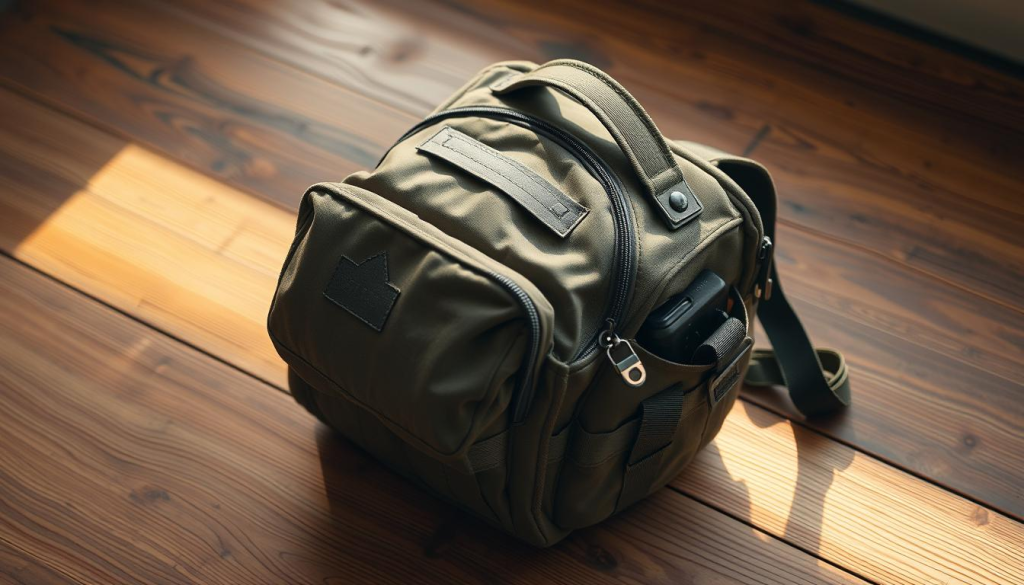
When evaluating bug out bags, it’s essential to think about the types of emergencies you might face and the environment you’ll be in. For instance, a travel-sized bug out backpack is ideal for urban evacuations, while a more robust portable survival pack might be better suited for wilderness scenarios.
Popular Brands to Consider
Several brands specialize in producing high-quality bug out bags. Some of the most popular include:
- 5.11 Tactical: Known for their durable and versatile tactical gear.
- Maxpedition: Offers a range of bags designed for tactical and outdoor use.
- Fjallraven: Provides high-quality, durable backpacks suitable for bug out scenarios.
These brands offer a variety of features such as multiple compartments, MOLLE systems, and reinforced materials, making them reliable choices for a bug out bag small or large.
Price Points and Budget Options
Bug out bags can vary significantly in price, depending on the brand, materials, and features. Here are some general price ranges to expect:
- Basic/Entry-Level: $50-$100 – These bags provide the essentials and are a good starting point.
- Mid-Range: $100-$250 – Offers better durability and more features like additional compartments.
- High-End: $250-$500+ – Typically includes premium materials, advanced features, and superior craftsmanship.
When choosing a bug out bag, it’s crucial to balance your budget with your needs. Consider what features are must-haves and what you can compromise on.
Customizing Your Bug Out Bag
Customizing your compact bug out bag is crucial for ensuring you have the right emergency essentials bag for any situation. A well-customized bag can be the difference between safety and uncertainty during a crisis.
Personal Needs and Preferences
When customizing your bug out bag, it’s essential to consider your personal needs and preferences. This includes thinking about your health, family situation, and any specific requirements you might have. For instance, if you have a medical condition, you should include necessary medications and equipment in your small bug out bag checklist.
Additionally, consider your personal preferences for food, clothing, and other essentials that could provide comfort during an emergency. This personal touch can make a significant difference in your ability to cope with stressful situations.
Seasonal Considerations
Seasonal variations should also be a key consideration when customizing your compact bug out bag. Different seasons bring different challenges, from extreme cold to intense heat, and your bag should be prepared to handle these conditions.
For example, during winter, you might need to include additional warmth and insulation gear, such as thermal blankets and warm clothing. In contrast, summer might require more focus on hydration and sun protection, including water purification tablets and sunscreen.
| Season | Essential Items | Considerations |
|---|---|---|
| Winter | Thermal blankets, warm clothing, hand warmers | Hypothermia prevention, warmth |
| Summer | Water purification tablets, sunscreen, lightweight clothing | Hydration, sun protection |
| Spring/Autumn | Rain gear, multi-tool, first aid kit | Versatility, preparedness for changing weather |
By considering both personal needs and seasonal factors, you can create a compact bug out bag that is tailored to your specific situation, enhancing your preparedness and ability to respond to emergencies effectively.
Maintenance and Upkeep of Your Bug Out Bag
Regular upkeep of your portable survival pack ensures you’re always prepared for emergencies. A well-maintained bug out bag is your key to survival in unexpected situations.
Regular Inventory Checks
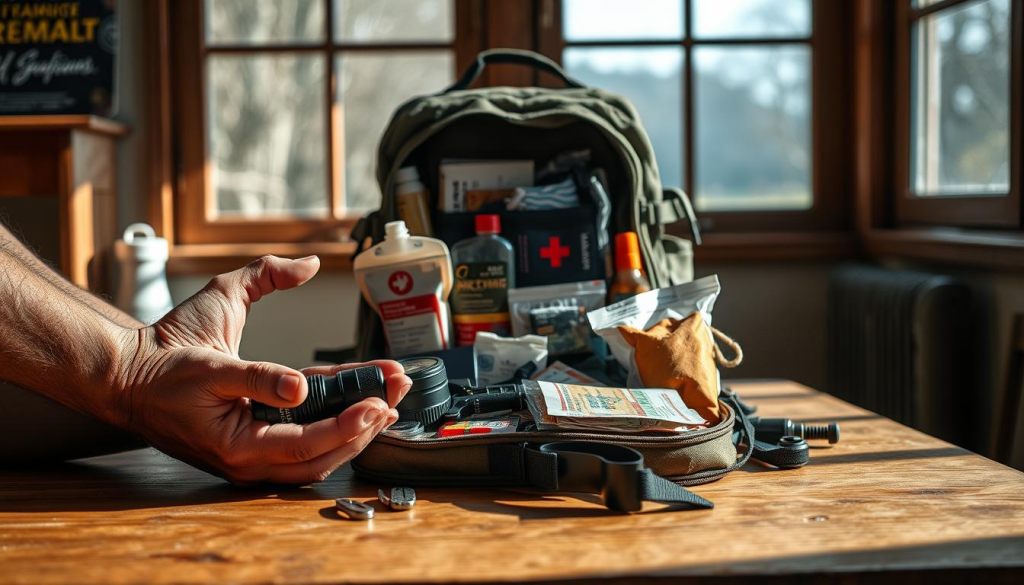
Conducting regular inventory checks is crucial to ensure that all items in your bug out bag small are still usable and not expired. This involves checking expiration dates of food, water purification tablets, and medications, as well as the condition of clothing, first aid supplies, and other gear.
It’s recommended to perform these checks every six months. During this process, test your multi-tools, check the batteries in your flashlights and radios, and inspect your shelter and warmth gear for any damage.
Replacement of Expired Items
Replacing expired or damaged items in your small bug out bag contents is vital to maintaining its effectiveness. This includes updating your food and water supplies, replacing worn-out clothing, and refreshing your first aid kit.
Keep a log of when items were last checked and replaced to help you stay on track. This practice ensures that your bug out bag remains a reliable resource in emergency situations.
By maintaining your bug out bag regularly, you can trust that it will be ready when you need it most. Regular maintenance not only ensures the longevity of the items within but also gives you peace of mind.
Training and Preparedness
Training and preparedness are crucial elements that complement your emergency essentials bag. Having the right gear is just the first step; knowing how to use it effectively is what truly matters in emergency situations.
A compact bug out bag is designed to be portable and efficient, but its effectiveness relies heavily on the user’s ability to respond appropriately during crises.
Practicing with Your Bug Out Bag
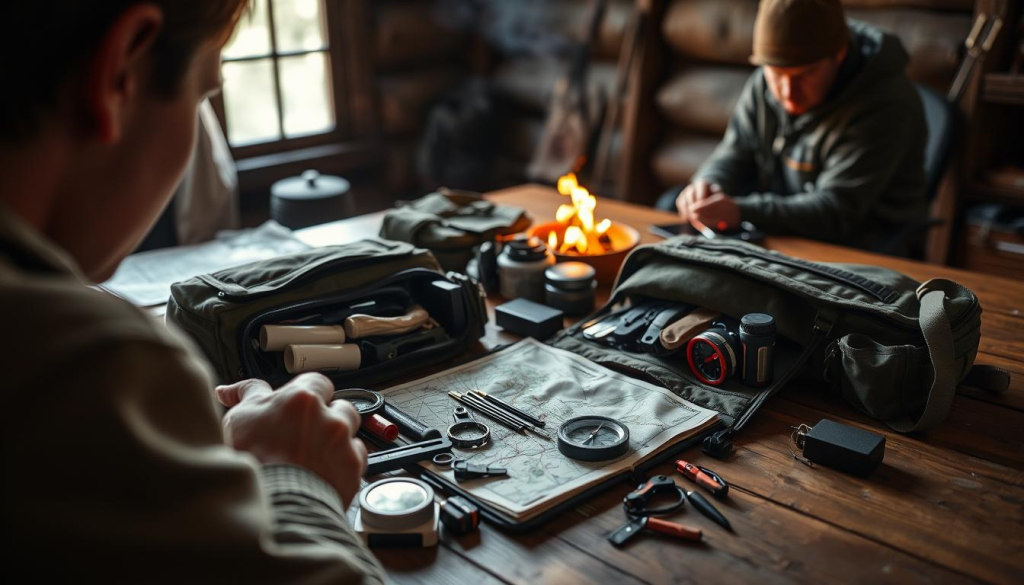
Practicing with your bug out bag is essential to ensure that you can use its contents effectively. Regular drills and simulations can help you become familiar with the gear and identify any potential issues or shortcomings.
By practicing, you can also optimize the arrangement of items within your bag, making it easier to access critical supplies when needed.
Creating an Emergency Plan
Creating a comprehensive emergency plan is vital to ensure a swift and effective response during emergencies. This plan should include details such as evacuation routes, communication strategies, and designated meeting points.
A well-thought-out emergency plan, combined with a lightweight bug out gear, can significantly enhance your ability to respond to various emergency scenarios.
It’s also important to review and update your emergency plan regularly to ensure it remains relevant and effective.
The Importance of Location
The location of your bug out bag is a critical factor in emergency preparedness. Having a travel-sized bug out backpack or a portable survival pack is essential, but it’s equally important to keep it in a location that allows for quick access when needed.
When deciding where to store your bug out bag, consider the scenarios in which you might need to use it. Whether it’s a natural disaster, a power outage, or another emergency, the bag should be easily accessible. This means keeping it in a spot that’s not cluttered or hard to reach.
Where to Keep Your Bug Out Bag
Ideally, your bug out bag should be stored in a location that is close to an exit, making it easy to grab on the way out. For many, this means keeping it near the front door or in a designated area like a mudroom or entryway closet. It’s also a good idea to keep a smaller version of your bug out bag in your vehicle, so you’re prepared for emergencies on the go.
For those living in multi-story homes, consider keeping a bug out bag on each floor to ensure it’s always within reach. This is particularly important in situations where you might need to evacuate quickly and can’t access the main bag.
Accessibility in Different Situations
Accessibility is key when it comes to your bug out bag. In different situations, the ability to quickly retrieve your bag can make a significant difference. For instance, during a power outage, you might need to navigate through a dark house; having your bag near the exit can be a lifesaver.
When creating your small bug out bag checklist, also think about the various scenarios you might face and how your bag’s location can aid in your response. This might include having a bag ready for different types of emergencies or keeping one in a safe, accessible location at work or in your vehicle.
In conclusion, the location of your bug out bag is not just about storage; it’s about being prepared for the unexpected. By choosing a location that is accessible and considering different emergency scenarios, you can ensure that your bug out bag serves its purpose effectively.
Conclusion: Making Your Bug Out Bag Work for You
A well-prepared bug out bag is a crucial step towards emergency preparedness, providing essential supplies in a compact and efficient package. Whether you’re considering a bug out bag small enough to fit in a backpack or an emergency essentials bag designed for quick access, the key is to ensure it’s tailored to your specific needs.
Preparedness is Key
Having a compact bug out bag ready means you’re prepared for unexpected situations, from natural disasters to personal emergencies. Regularly check and update your bag to ensure all items are still usable and not expired.
Take the First Step
If you haven’t already, start assembling your compact bug out bag today. Consider your personal needs, the types of emergencies you might face, and the essential items you’ll need to survive. With a little planning and preparation, you can create an emergency essentials bag that truly makes a difference.