
A bugout bag, also known as a 72-hour kit, is a portable emergency kit that contains essential items to help you survive during a disaster or emergency situation.
Having a well-prepared bugout bag is crucial for individuals to respond effectively in emergency situations. The contents may vary depending on personal needs and the type of emergency, but the core idea is to have a kit that includes emergency kit contents such as food, water, first aid supplies, and communication tools.
Preparing a bugout bag requires careful consideration of the essentials that will help you survive for at least 72 hours.
Key Takeaways
- Understand the purpose of a bugout bag and its importance in emergency situations.
- Know the basic contents that should be included in a bugout bag.
- Consider personal needs and the type of emergency when preparing the bag.
- Include essential items such as food, water, first aid supplies, and communication tools.
- Ensure the bag is portable and easily accessible.
Understanding the Purpose of a Bugout Bag
Emergency preparedness begins with a bugout bag, a carefully curated kit designed to keep you safe in crisis situations. A bugout bag is essentially a portable collection of essential items that can sustain you for at least 72 hours during an emergency.
“A bugout bag is your lifeline in the face of disaster,” says emergency preparedness expert, Tim Riddle. “It’s not just about throwing some supplies in a bag; it’s about having the right gear to survive.”
What is a Bug Out Bag?
A bugout bag, also known as a ‘go bag’ or ’72-hour kit,’ is a pre-packed bag containing essential items needed to survive during the initial stages of an emergency. It’s designed to be portable, allowing you to evacuate quickly while having the necessary supplies.
Why Do You Need One?
The importance of a bugout bag lies in its ability to provide you with the necessary tools and supplies to survive during emergencies. Whether it’s a natural disaster, power outage, or other crisis, having a well-stocked bugout bag can be the difference between safety and peril.
Some key reasons to have a bugout bag include:
- Immediate evacuation with essential supplies
- Survival during the initial stages of an emergency
- Flexibility to adapt to different types of disasters
By understanding the purpose and importance of a bugout bag, you can take the first step towards being better prepared for any emergency situation.
Essential Items to Include in Your Bugout Bag
To ensure you’re adequately prepared for any situation, your bugout bag should contain a range of essential supplies. These supplies are categorized into several key areas that are crucial for survival and comfort during emergencies.
Food and Water Supplies
A sufficient stock of non-perishable food and a reliable means of accessing clean water are fundamental. Consider including energy bars, canned goods, and MREs in your bugout bag. For water purification, options include filters, purification tablets, or a portable UV purifier.
It’s recommended to store at least one liter of water per person per day for drinking, cooking, and hygiene. Including a water filtration system or purification tablets can significantly enhance your ability to source water from any environment.
Shelter and Warmth
Adequate shelter and the means to maintain warmth are critical for survival. Include a lightweight tent, a sleeping bag, and an emergency blanket in your bugout bag. These items will help protect you from the elements and retain body heat.
Additionally, consider packing a portable stove or camping heater, along with fuel, to provide a reliable source of warmth and a means to cook food.
First Aid Kit
A comprehensive first aid kit is indispensable in a bugout bag. It should include bandages, antiseptic wipes, pain relievers, and any medications that family members may need. Don’t forget to include a first aid manual to guide you through the treatment of common injuries.
Multi-Tool and Other Tools
A multi-tool or pocket knife can be invaluable in a variety of situations, from cutting branches for shelter to opening cans for food. Other useful tools include a rope, duct tape, and a fire starter.
These tools can significantly enhance your ability to adapt to different survival scenarios, making them essential components of your bugout bag.
Choosing the Right Backpack for Your Bugout Bag
Selecting the right backpack for your bugout bag is a crucial decision that can significantly impact your ability to respond to emergencies. The backpack is the foundation of your bugout bag, holding all your essential supplies together.
When choosing a backpack, several factors come into play. The size and capacity of the backpack are critical in determining how much you can carry.
Size and Capacity Considerations
The size of your backpack will depend on your specific needs, including the duration you plan to be away from home and the amount of gear you need to carry. A larger backpack may be necessary for longer trips or for those who need to carry more extensive supplies.
A general guideline is to choose a backpack with a capacity between 30 to 40 liters for short trips and up to 60 liters or more for extended periods. Comfort is also a key consideration, as you will be wearing the backpack for potentially long periods.
Features to Look For
Several features can enhance the usability of your backpack. Look for one with multiple compartments to keep your gear organized, padded shoulder straps for comfort, and a durable, water-resistant material.
Other desirable features include reinforced stitching, a rain cover, and MOLLE (Modular Lightweight Load-carrying Equipment) compatibility for attaching additional gear.
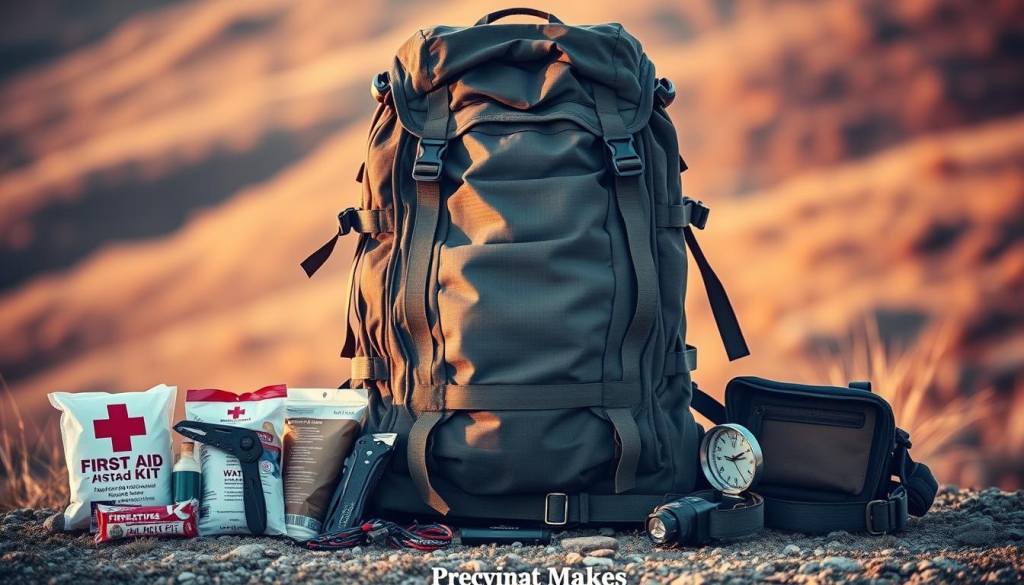
| Feature | Importance | Notes |
|---|---|---|
| Multiple Compartments | High | Helps in organizing gear |
| Padded Shoulder Straps | High | Enhances comfort during extended wear |
| Water-Resistant Material | High | Protects gear from the elements |
| Reinforced Stitching | Medium | Adds durability to the backpack |
| Rain Cover | Medium | Provides extra protection against rain |
| MOLLE Compatibility | Low | Allows for attachment of additional gear |
By carefully considering the size, capacity, comfort, and features of your backpack, you can ensure that your bugout bag is both effective and practical for emergency situations.
Water Filtration and Purification Options
Water purification is a critical component of any survival gear list. Ensuring access to clean drinking water is vital during emergencies, and there are several effective methods to achieve this.
Having a reliable means of purifying water can be a lifesaver. The following sections will explore different types of water filters and chemical purification tablets, which are essential emergency pack necessities.
Types of Water Filters
Water filters come in various forms, each with its unique features and benefits. Some of the most common types include:
- Mechanical filters, which physically remove contaminants from water.
- Ceramic filters, known for their effectiveness in removing bacteria and viruses.
- Activated carbon filters, which can improve the taste and odor of water while removing some contaminants.
According to a study on water purification methods, “the use of ceramic filters has been shown to reduce diarrheal diseases by up to 50% in some communities.”
“Clean water is a fundamental human right, and having the right tools to achieve it is crucial in survival situations.”
| Filter Type | Effectiveness | Maintenance |
|---|---|---|
| Mechanical | High | Regular cleaning required |
| Ceramic | Very High | Periodic replacement of ceramic element |
| Activated Carbon | Moderate | Regular replacement of carbon |
Chemical Purification Tablets
Chemical purification tablets are another effective means of ensuring safe drinking water. These tablets typically contain chlorine or iodine, which are known for their ability to kill bacteria and viruses.
Key benefits of chemical purification tablets include:
- Ease of use, requiring minimal training.
- Lightweight and compact, making them ideal for bugout bags.
- Effective against a wide range of pathogens.
When choosing between water filters and chemical purification tablets, it’s essential to consider your specific needs and the context in which you will be using them. Both methods have their place in a comprehensive bugout bag supplies list.
Food Options for Your Bugout Bag
Choosing the right food for your bugout bag is essential for maintaining energy and health during a crisis. The ideal food supplies should be non-perishable, lightweight, and high in calories.
Non-Perishable Food Choices
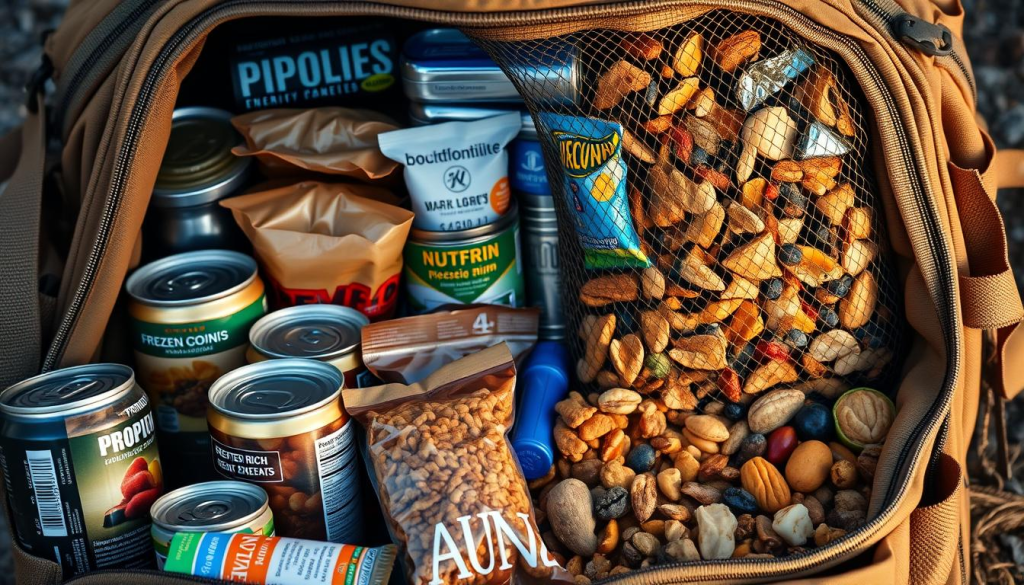
When it comes to stocking your bugout bag with food, non-perishable items are the way to go. These include canned goods like vegetables, fruits, and meats, which are not only filling but also provide essential nutrients.
Other excellent options are energy bars, dried fruits, and nuts. These foods are compact, lightweight, and can be easily consumed on the go.
It’s also wise to include freeze-dried meals, which are both nutritious and easy to prepare with the right cooking gear.
Cooking Gear and Supplies
Having the right cooking gear is just as important as the food itself. A portable camping stove or a lightweight cooking pot can be invaluable in preparing meals.
Fuel for your stove and a water purification method should also be included to ensure you can cook and safely consume your food.
Don’t forget utensils like a multi-tool or a lightweight spork, which can be used for both cooking and eating.
Clothing Essentials to Consider
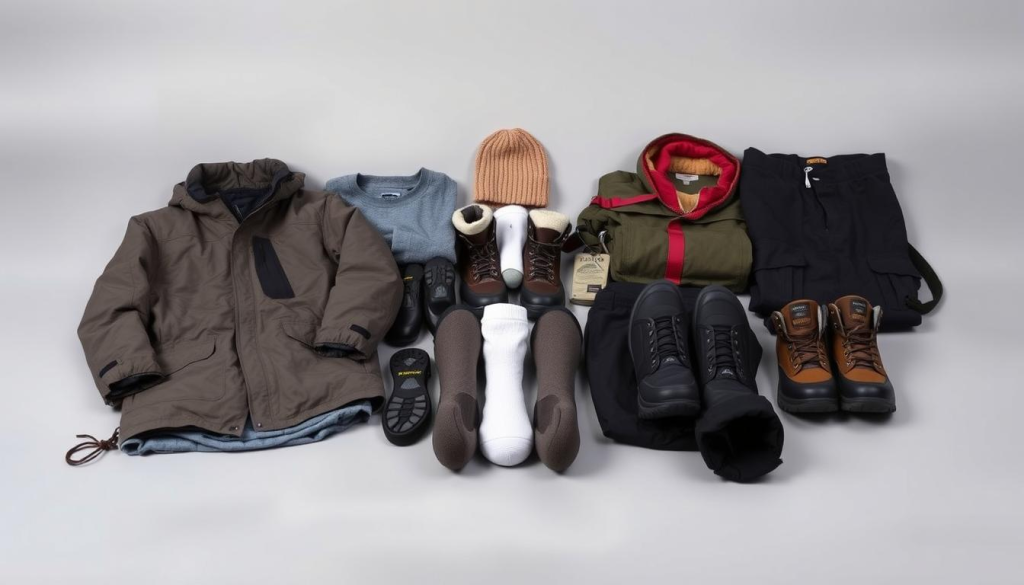
Clothing is a vital component of any bugout bag, as it directly impacts your ability to survive in various conditions. The right clothing can help regulate body temperature, protect against the elements, and even provide a layer of defense against minor injuries.
When selecting clothing for your disaster preparedness gear, it’s essential to consider versatility, durability, and the ability to layer for different weather conditions. This approach allows you to adapt your clothing to suit a wide range of environments and situations.
Layering Techniques
Layering is a critical strategy for managing body temperature and comfort in varying conditions. It involves wearing multiple layers of clothing that can be added or removed as needed.
- A base layer to manage moisture and provide initial warmth.
- An insulating layer to trap warmth.
- A waterproof and windproof outer layer to protect against the elements.
Weather-Appropriate Gear
Considering the potential weather conditions you might face is crucial when packing clothing essentials. This includes:
- Rain gear, such as a waterproof jacket and pants.
- Insulating layers for cold weather.
- Breathable clothing for warm weather.
- Protective gear like hats, gloves, and scarves.
By focusing on layering techniques and weather-appropriate gear, you can ensure that your bugout bag is equipped with the right clothing to handle a variety of situations, enhancing your overall preparedness and ability to survive.
Emergency Communication Devices
When emergencies strike, reliable communication tools are crucial for staying safe and informed. Effective communication can be the difference between receiving timely help and being stranded. In this section, we will explore the essential communication devices to include in your emergency pack.
Portable Radios
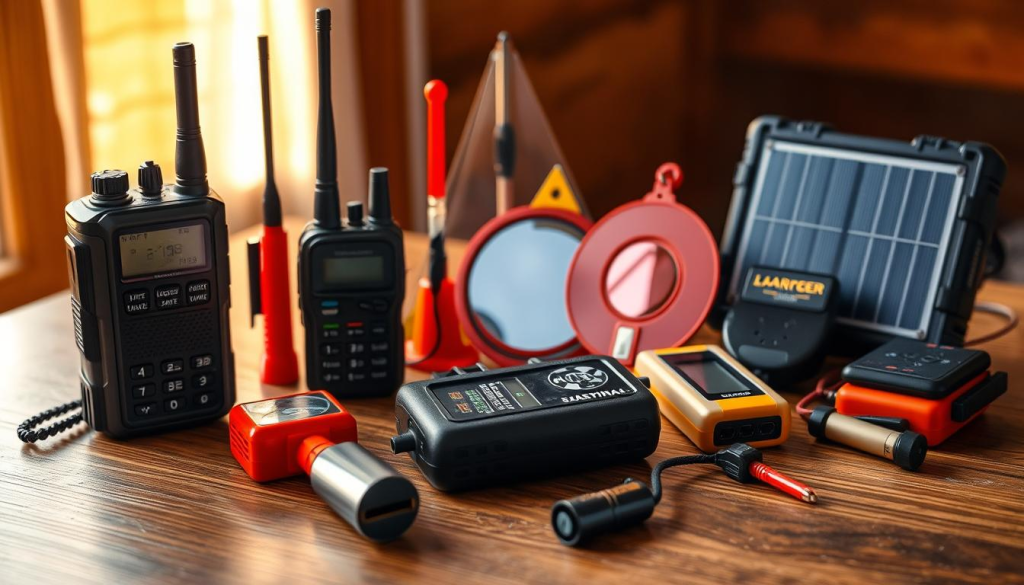
Portable radios are a vital component of any emergency kit. They allow you to receive critical updates, weather alerts, and news during a disaster.
- Waterproof and Durable: Capable of withstanding harsh weather conditions.
- Hand-Crank or Solar-Powered: Eliminating the need for batteries.
- Multi-Band: Able to receive a variety of frequencies, including AM, FM, and shortwave.
Personal Locator Beacons
Personal Locator Beacons (PLBs) are small, portable devices that send a distress signal to emergency responders in the event of a life-threatening situation.
- Outdoor Activities: Hiking, camping, or any adventure that takes you far from civilization.
- Emergency Situations: When you are unable to call for help through traditional means.
Including these communication devices in your emergency pack can significantly enhance your ability to stay informed and call for help when needed.
Navigational Tools for Your Bugout Bag
A bugout bag isn’t complete without the necessary navigational tools to help you find your way to safety. Navigational tools such as maps, compasses, and GPS devices are vital for navigating through unfamiliar terrain during emergencies.
Maps and Compass
Traditional navigation tools like maps and compasses are indispensable. A detailed topographic map can help you understand the terrain, identify potential hazards, and find safe routes. When choosing a map, consider one that is waterproof and durable.
A compass is another essential tool that works independently of batteries or satellites, making it reliable in various conditions. To use a compass effectively, you need to understand how to read it in conjunction with your map, taking into account magnetic declination.
GPS Devices
In addition to traditional tools, GPS devices offer precise location information and can be invaluable in emergency situations. GPS devices can be more convenient than maps and compasses, as they provide real-time data and can be easier to use, especially in low visibility conditions.
However, GPS devices are dependent on satellite signals and battery power, making them less reliable in certain situations. It’s essential to carry extra batteries and know how to use your GPS device effectively.
| Navigational Tool | Advantages | Disadvantages |
|---|---|---|
| Map | Durable, no batteries required | Requires knowledge to read, can be bulky |
| Compass | Reliable, works in any condition | Needs to be used with a map, susceptible to magnetic interference |
| GPS Device | Provides precise location, easy to use | Dependent on satellite signals and battery power |
By combining traditional navigational tools like maps and compasses with modern GPS devices, you can ensure that you have a robust navigational system in your bugout bag. This redundancy is key to effective navigation during emergencies.
Personal Defense and Safety Items
In emergency situations, having the right personal defense and safety gear can be lifesaving. A bugout bag equipped with the appropriate tools can significantly enhance your ability to respond to threats and navigate through challenging environments.
Self-Defense Tools
Self-defense tools are a critical component of personal safety in a bugout bag. These can include pepper spray, stun guns, and personal alarms. Each of these tools has its unique advantages and should be chosen based on personal preference, legal considerations, and the potential threat environment.
For instance, pepper spray is a popular choice due to its ease of use and effectiveness. However, it’s essential to check local laws regarding its possession and use. A stun gun can provide a more controlled means of defense but requires closer proximity to the threat.
| Self-Defense Tool | Advantages | Considerations |
|---|---|---|
| Pepper Spray | Easy to use, effective at a distance | Legal restrictions, wind direction |
| Stun Gun | Reusable, controlled discharge | Close proximity required, legal restrictions |
| Personal Alarm | Deters attackers, easy to use | Battery dependent, may not be effective in all situations |
Flashlights and Glow Sticks
Lighting is another crucial aspect of personal safety during emergencies. Flashlights provide a reliable source of light and can also be used as a tool for disorienting potential threats. Glow sticks offer a simple, battery-free alternative for lighting.
When choosing a flashlight, consider its brightness, battery life, and durability. LED flashlights are popular due to their energy efficiency and brightness. Glow sticks, on the other hand, are useful for their simplicity and ability to be used in various contexts, such as signaling or marking paths.
By incorporating these personal defense and safety items into your bugout bag, you can significantly enhance your preparedness for emergency situations.
Regular Maintenance and Updates to Your Bugout Bag
Creating a bugout bag is just the first step; regular maintenance is crucial to ensure it remains effective. This involves checking the expiration dates of food and medical supplies, a key aspect of bugout bag essentials.
Checking Expiration Dates
Regularly inspect your emergency kit contents for expired or damaged items. Replace any outdated supplies, such as food, water purification tablets, and medications, to maintain the kit’s integrity.
Maintenance tips include testing equipment like flashlights and radios, ensuring clothing and gear are still in good condition, and updating maps and other navigational tools. By regularly reviewing and updating your bugout bag, you can be confident that it will serve its purpose in an emergency.