
In the face of a disaster, having a well-prepared emergency survival kit can be a lifesaver. A bug out bag is designed to support you for at least 72 hours after an evacuation.
This portable kit is an essential component of emergency preparedness, providing the necessary tools and supplies to help you navigate through challenging situations. By understanding the importance of a go bag essentials and how to properly assemble it, you can ensure your safety and the safety of your loved ones.
Key Takeaways
- A bug out bag is crucial for emergency preparedness.
- It should support you for at least 72 hours.
- Proper assembly is key to ensuring safety.
- Understanding go bag essentials is vital.
- A well-prepared emergency survival kit can be a lifesaver.
Understanding the Concept of a Bug Out Bag
The concept of a bug out bag revolves around being prepared for unexpected emergencies and disasters. A bug out bag is a portable collection of essential items that an individual can quickly grab in case of an emergency, allowing them to survive for a period of time until they reach a safe location.
What is a Bug Out Bag?
A bug out bag is often referred to by various names, such as a survival kit, emergency bag, or 72-hour kit. Regardless of the name, its primary purpose is to provide the necessary emergency supplies to help an individual survive for at least 72 hours. This bag is meant to be deployed quickly, at a moment’s notice, so it is essential to have it prepared ahead of time and stored in an easily accessible location.
The contents of a bug out bag can vary depending on personal needs, the type of emergencies likely to occur in your area, and the number of people it needs to support. However, the core idea remains the same: to have a readily available kit that contains the basic necessities for survival.
Importance of Being Prepared
Being prepared is crucial in the face of emergencies or disasters. Having a bug out bag ready is a key aspect of disaster preparedness. It ensures that you have the necessary supplies to respond effectively to a crisis, thereby enhancing your chances of survival.
Some of the key reasons why being prepared is important include:
- Emergencies can occur at any time, without warning.
- A bug out bag helps you to be self-sufficient during the initial stages of a disaster.
- It reduces reliance on external aid, which may be delayed or unavailable.
- Being prepared boosts confidence and reduces panic during emergency situations.
In summary, understanding the concept of a bug out bag and being prepared with the right bug out gear is vital for survival in emergency situations. It is not just about having a bag; it’s about having a well-thought-out plan and the necessary supplies to see you through challenging times.
Key Reasons to Have a Bug Out Bag
Emergencies can strike at any moment, making preparedness essential. A bug out bag is a critical component of emergency preparedness, providing the necessary tools and supplies to survive in the face of disaster.
Emergencies Can Happen Anytime
Natural disasters, power outages, and other emergencies can occur without warning. Having a bug out bag ready ensures that you and your family are prepared to respond quickly and effectively. This bag should contain essential items such as food, water, first aid supplies, and a means of communication.
The Benefits of Preparedness
Being prepared for emergencies offers numerous benefits, including reduced risk, increased safety, and peace of mind. A well-stocked bug out bag is a key element of disaster preparedness, enabling you to respond to emergencies with confidence. By having a plan and the necessary gear, you can minimize the impact of a disaster and ensure the well-being of yourself and your loved ones.
Some of the key benefits of having a bug out bag include:
- A readily available supply of food and water
- Essential first aid supplies
- A means of communication and navigation
- A plan for emergency shelter and warmth
By investing in a bug out bag checklist and regularly updating your supplies, you can ensure that you are always prepared for the unexpected.
Essential Items for Your Bug Out Bag
The effectiveness of a bug out bag largely depends on the essential items it contains. A well-prepared bug out bag should enable you to survive for at least 72 hours in case of an emergency.
Food and Water Supplies
Having adequate food and water supplies is critical. You should pack non-perishable food items that are high in calories and easy to prepare.
- Energy bars
- Dried fruits and nuts
- Canned goods
- MREs (Meals Ready to Eat)
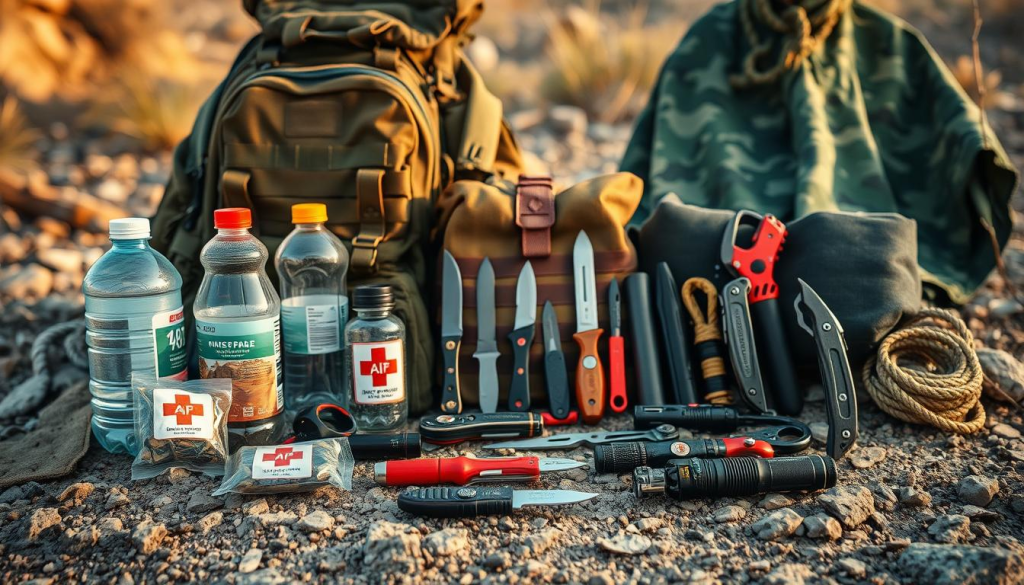
For water, include purification tablets or a portable filter to ensure access to safe drinking water.
First Aid Kit Essentials
A first aid kit is a crucial component of your bug out bag. It should include:
| Item | Description | Quantity |
|---|---|---|
| Bandages | Assorted sizes for cuts and scrapes | 10 |
| Antiseptic wipes | For cleaning wounds | 20 |
| Pain relievers | For headaches and pain | 10 tablets |
Shelter and Warmth Equipment
Shelter and warmth equipment are vital for survival. Include a lightweight tent, a sleeping bag, and a space blanket to stay warm and dry.
- Lightweight tent
- Sleeping bag rated for low temperatures
- Space blanket for extra warmth
Choosing the Right Backpack
Selecting the perfect backpack is a crucial step in setting up your bug out bag. The right survival backpack can be the difference between a successful evacuation and a stressful ordeal.
When choosing a backpack for your bug out bag, several factors come into play. The size of the backpack is a critical consideration, as it needs to be large enough to hold all your go bag essentials without being too bulky.
Size Considerations
A good rule of thumb is to choose a backpack that is between 30 to 40 liters in capacity. This size range typically offers enough space for the essentials without being too cumbersome.
However, the size you need may vary depending on your specific requirements, such as the length of time you plan to be away from home and the type of activities you expect to be doing.
Features to Look For
Beyond size, there are several features to look for in a survival backpack. These include:
- Durability: The backpack should be made from high-quality, durable materials that can withstand rough handling.
- Comfort: Padded shoulder straps and a hip belt can help distribute the weight of the pack, making it more comfortable to carry.
- Organization: Multiple compartments and pockets can help keep your gear organized and easily accessible.
- Weather Resistance: A waterproof or water-resistant material can help protect your gear from the elements.
Top Backpack Brands
Some of the top brands for survival backpacks include:
- 5.11 Tactical: Known for their high-quality tactical gear, 5.11 Tactical offers a range of backpacks that are both durable and functional.
- CamelBak: CamelBak is a well-respected brand in the outdoor industry, offering backpacks with hydration systems and other features.
- Maxpedition: Maxpedition backpacks are designed with the serious outdoorsman in mind, featuring rugged construction and thoughtful design.
By considering these factors and brands, you can find the perfect survival backpack for your bug out bag, ensuring you’re prepared for any situation.
Food Options for Your Bug Out Bag
Food and water supplies are the backbone of any bug out bag, providing the necessary energy to navigate through crises. When assembling your bug out bag, it’s crucial to include a variety of emergency supplies that are not only nourishing but also lightweight and easy to prepare.
Freeze-Dried Meals
Freeze-dried meals are a popular choice for bug out bags due to their long shelf life and minimal weight. These meals are designed to be lightweight, making them easy to carry, and can be rehydrated with water when needed. Brands like Mountain House and Backpacker’s Pantry offer a range of freeze-dried meal options that are both nutritious and palatable.
When selecting freeze-dried meals, consider the caloric content and the ease of preparation. Look for meals that are high in calories to ensure they provide sufficient energy. Additionally, opt for meals that require minimal water for rehydration, as water conservation is crucial in survival situations.
Energy Bars and Snacks
In addition to freeze-dried meals, including a variety of energy bars and snacks in your bug out bag is essential. These items provide quick energy boosts and can be consumed on the go. Look for energy bars that are high in protein and calories, and consider snacks like nuts, dried fruits, and jerky, which are lightweight and nutritious.
- Nuts and seeds for healthy fats and protein
- Dried fruits for natural sugars and fiber
- Jerky for high protein content
- Energy bars for a quick calorie boost
Water Filtration Systems
Having access to clean drinking water is vital in any survival situation. Including a water filtration system in your bug out bag can ensure you have a reliable means of purifying water. Options like the LifeStraw or Sawyer Mini are compact, effective, and easy to use.
When choosing a water filtration system, consider the effectiveness against bacteria, viruses, and contaminants, as well as the ease of use and maintenance. A good filtration system can significantly enhance the safety of your drinking water, making it a crucial component of your bug out bag contents.
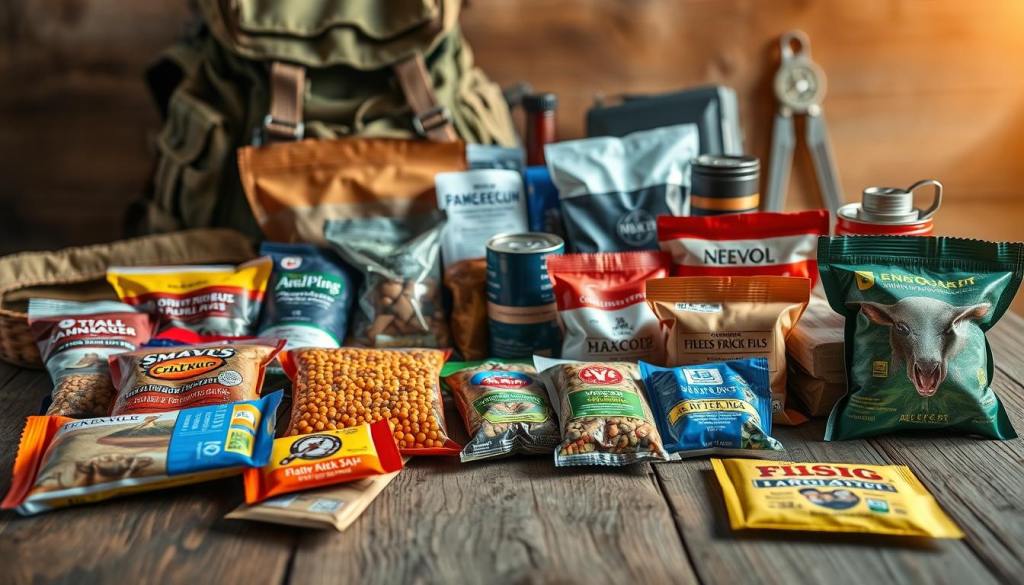
In conclusion, assembling the right food and water supplies for your bug out bag is critical for survival. By including a mix of freeze-dried meals, energy bars, snacks, and a reliable water filtration system, you can ensure you’re prepared for any emergency.
Water: The Lifeblood of Survival
When it comes to survival, water is the lifeblood that keeps you going. In any emergency situation, having a reliable supply of clean water is crucial for sustaining life.
Water is essential for hydration, hygiene, and even cooling the body. Without it, survival is impossible. Therefore, it’s vital to include effective water storage and purification methods in your bug out bag.
Water Storage Solutions
Proper water storage is critical to maintaining a clean and reliable water supply. There are several options available for storing water, including:
- Collapsible water containers that are lightweight and easy to store
- Water bottles made from durable, BPA-free materials
- Water bladders that can be carried in a backpack
When choosing a water storage solution, consider the durability, capacity, and ease of use. It’s also essential to ensure that the storage method is clean and free from contaminants.

Purification Methods
Having a means to purify water is just as important as storing it. There are several water purification methods available, including:
- Boiling: Bringing water to a rolling boil to kill bacteria and viruses
- Water filtration systems: Using filters to remove contaminants and pathogens
- Chemical disinfection: Using tablets or liquids to disinfect water
- UV light purification: Exposing water to UV light to kill microorganisms
When selecting a purification method, consider the effectiveness, ease of use, and the type of contaminants you’re likely to encounter. A combination of methods may provide the best protection.
By incorporating reliable water storage solutions and purification methods into your bug out bag, you can ensure access to clean drinking water in any survival situation.
First Aid Supplies to Include
A well-stocked first aid kit is crucial for any bug out bag, providing the necessary tools to treat injuries and manage health conditions during emergencies. When disaster strikes, medical help may be far away, making it essential to have the right supplies on hand.
The importance of a comprehensive first aid kit cannot be overstated. It serves as the first line of defense against injuries, from minor cuts and scrapes to more serious conditions. Including the right first aid supplies in your bug out bag ensures that you are prepared to handle a variety of medical situations.
Basic First Aid Tools
Basic first aid tools are the foundation of any first aid kit. These include:
- Bandages and Band-Aids: For covering cuts and scrapes.
- Antiseptic Wipes: To clean wounds and prevent infection.
- Medical Tape: For securing bandages or dressings.
- Scissors and Tweezers: For cutting bandages or removing splinters.
- Gloves: To protect against bodily fluids.
These basic tools are essential for treating minor injuries. However, it’s also important to consider more advanced first aid needs.
Medications and Personal Health Items
In addition to basic first aid tools, your kit should include medications and personal health items. These may encompass:
- Prescription Medications: Ensure you have enough to last during an extended emergency.
- Over-the-Counter Medications: Such as pain relievers, antihistamines, and anti-diarrheal medication.
- Personal Medical Items: Like EpiPens for severe allergic reactions or inhalers for asthma.
It’s crucial to regularly check and update your first aid kit to ensure that all medications are within their expiration dates and that you have an adequate supply.
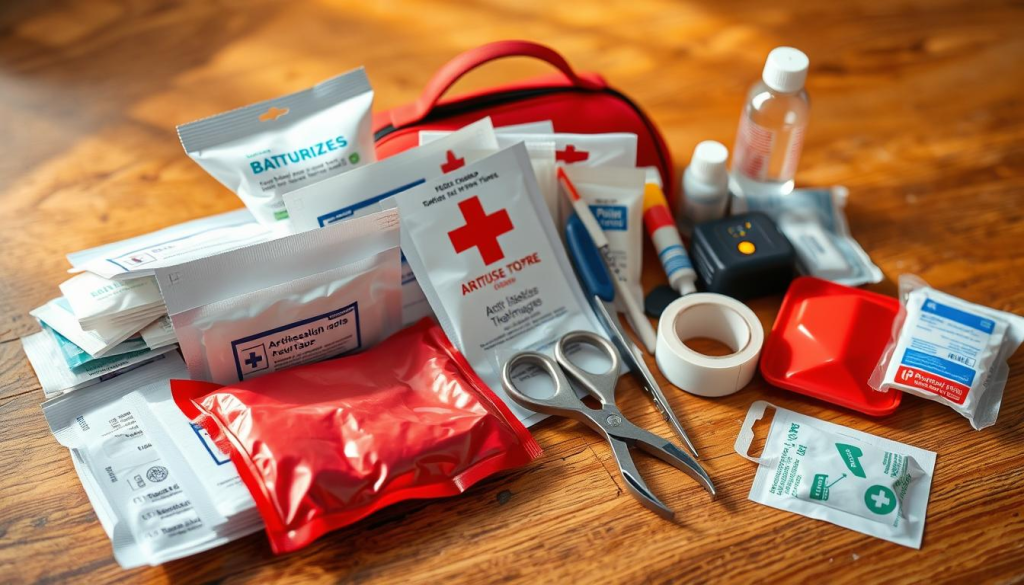
By including these first aid supplies in your bug out bag, you’ll be better equipped to handle medical emergencies, ensuring the safety and well-being of yourself and your loved ones.
Shelter and Warmth in the Wild
The key to enduring the challenges of the wild lies in the quality of shelter and warmth provisions in your bug out gear. Shelter and warmth are critical components of survival, protecting you from harsh weather conditions and potential wildlife threats.
Types of Emergency Shelters
Emergency shelters come in various forms, each designed to meet different needs and environments. The most common types include:
- Tents: Lightweight and portable, tents are a popular choice for temporary shelter.
- Bivouac Sacks: These are compact, waterproof bags that provide a layer of protection against the elements.
- Tarpaulins: Versatile and durable, tarps can be used to create a variety of shelter configurations.
- Emergency Blankets: These are lightweight, compact blankets designed to retain body heat.
When choosing a shelter, consider factors such as weight, durability, and ease of setup. The environment you expect to be in should also influence your decision.
Thrift vs. Quality Equipment
The debate between opting for thrift (budget-friendly) equipment versus investing in quality gear is ongoing. While budget constraints are a reality for many, the importance of reliable shelter and warmth equipment cannot be overstated.
Quality equipment may come at a higher upfront cost but offers significant long-term benefits, including durability and performance. On the other hand, thrift equipment can be a viable option for those on a tight budget or for supplementary gear.
Consider the following when making your decision:
- Durability: How long is the equipment likely to last?
- Performance: How well does the equipment perform under various conditions?
- Weight: Is the equipment lightweight and easy to carry?
Ultimately, the best choice depends on your specific needs, budget, and the environments you expect to encounter.
Navigation Tools for Bugging Out
When disaster strikes, having the right navigation tools can be the difference between safety and peril. Effective navigation is crucial for finding your way during emergencies, and the right tools can save lives.
Maps and Compass Essentials
A map and compass are fundamental navigation tools that do not require batteries or electronic signals. A topographic map provides detailed information about the terrain, including natural and man-made features. When choosing a compass, look for one with a declination adjustment to ensure accurate readings.
To use a map and compass effectively, it’s essential to understand how to read the map, identify landmarks, and use the compass to determine direction. Practicing these skills before an emergency can be invaluable.
GPS Devices Versus Traditional Methods
GPS devices offer a modern alternative to traditional map and compass navigation. They provide precise location information and can be incredibly useful. However, they require batteries and can be affected by satellite signal availability.
While GPS devices are convenient, they should not be relied upon as the sole means of navigation. Combining GPS with traditional map and compass skills can provide a robust navigation capability, ensuring that you can find your way even if one method fails.
In conclusion, a combination of traditional navigation tools like maps and compasses, along with modern GPS devices, provides the best approach for bugging out. By understanding how to use these tools effectively, you can enhance your chances of navigating safely through emergencies.
Clothing and Footwear for Survival
The right clothing and footwear are fundamental to surviving in diverse climates and terrains. When preparing a bug out bag, it’s essential to consider the types of environments you might encounter.
Layers for Different Climates
Layering clothing is a versatile approach to managing body temperature in varying climates. For cold environments, include thermal base layers, insulating mid-layers, and waterproof outer layers. In warmer climates, prioritize lightweight, breathable fabrics that protect against the sun and insects.
- Base Layers: Moisture-wicking fabrics like merino wool or synthetic materials.
- Mid-Layers: Insulating layers such as fleece or down jackets.
- Outer Layers: Waterproof and windproof jackets and pants.
Durable Footwear Recommendations
Footwear is a critical component of survival gear, as it protects your feet from rough terrain, extreme temperatures, and wet conditions. When selecting footwear, consider durability, waterproofing, and ankle support.
| Footwear Type | Features | Best For |
|---|---|---|
| Hiking Boots | Waterproof, ankle support, durable | Rugged terrain, long-distance hiking |
| Trail Running Shoes | Lightweight, breathable, flexible | Fast-paced movement, dry conditions |
| Water Shoes | Quick-drying, grippy soles | Water crossings, wet environments |
In conclusion, selecting the right clothing and footwear is vital for survival in various environments. By layering clothing appropriately and choosing durable footwear, you can enhance your ability to navigate through challenging conditions.
Creating a Bug Out Bag Checklist
To ensure you’re ready for any emergency, creating a bug out bag checklist is essential. A bug out bag, also known as a go bag, is a portable collection of essential items that you might need in case of an emergency or natural disaster. Having a checklist helps ensure that your bag is fully stocked and ready to go at a moment’s notice.
Essential Gear Overview
An effective bug out bag should contain a variety of essential items. These include food, water, first aid supplies, shelter materials, and communication devices.
Food and Water
When it comes to food and water, it’s crucial to pack non-perishable items and a means of purification. Consider including:
- Freeze-dried meals
- Energy bars
- Water filtration systems or purification tablets
First Aid Supplies
A first aid kit is vital. It should include:
- Bandages and band-aids
- Antiseptic wipes
- Pain relievers
- Any personal medications
Personalizing Your Bug Out Bag
Personalization is key to making your bug out bag effective. Consider your specific needs, such as:
- Family size and the number of people you’re preparing for
- Specific health needs or conditions
- The types of emergencies you’re most likely to face in your area
| Category | Item | Quantity |
|---|---|---|
| Food | Freeze-dried meals | 3 days |
| Water | Water bottles | 1 gallon per person per day |
| First Aid | Bandages | 10 |
| Shelter | Tent | 1 |
| Communication | Cell phone with charger | 1 |
Regular Maintenance and Updates
Regular maintenance is crucial to ensure that your bug out bag remains relevant and effective. A well-maintained bug out bag is essential for emergency preparedness and disaster preparedness.
Rotating Supplies
Rotating food and supplies is vital to keep your bug out bag up to date. Check expiration dates of food, water, and medications, and replace them as needed. This ensures that your supplies remain usable when you need them most.
Adapting to Changing Needs
Your bug out bag should adapt to your changing needs. As your personal circumstances change, such as moving to a different climate or having children, your bug out bag should be adjusted accordingly. Regularly review and update your bug out bag to ensure it remains relevant and effective for bug out bag maintenance.
By regularly maintaining and updating your bug out bag, you can ensure that you are always prepared for any situation, enhancing your overall emergency preparedness and disaster preparedness.