
In recent years, the world has witnessed an alarming rise in natural and man-made disasters. According to the Insurance Information Institute, over 1,000 disasters occurred worldwide in 2015, resulting in 23,000 deaths and $90 billion in damages. In response, many Americans have turned to emergency preparedness measures, including the purchase of bug out bags, to safeguard their families.
But the question remains: are these preparations necessary or an overreaction? Bug out bags, designed to provide essential supplies in the event of a disaster, have become a staple for practical preppers. As disaster readiness becomes increasingly important, understanding the value of these bags is crucial.
Key Takeaways
- Bug out bags are a key component of emergency preparedness.
- The frequency and severity of natural disasters are on the rise.
- Having a plan and the necessary supplies can save lives.
- Disaster readiness involves more than just having a bug out bag.
- Understanding the importance of preparedness is crucial in today’s world.
What is a Bug Out Bag?
A bug out bag, often abbreviated as BOB, is a portable collection of essential items designed to help individuals survive during emergencies. It’s a preparedness tool that has gained popularity among outdoor enthusiasts and those concerned about natural disasters or other crises.
Definition and Purpose
The primary purpose of a bug out bag is to provide individuals with the necessary survival gear to sustain themselves for at least 72 hours in the event of an emergency. This bag is designed to be easily carried, allowing for quick evacuation or mobility when needed. The contents of a bug out bag are carefully selected to address basic needs such as hydration, nutrition, first aid, and communication.
Having a well-stocked bug out bag is crucial for peace of mind during uncertain times. It ensures that individuals are prepared to face unexpected situations, whether it’s a natural disaster, power outage, or other emergencies.
Key Components of a Bug Out Bag
A typical bug out bag includes a variety of bug out bag essentials such as:
- Water and non-perishable food
- First aid kit
- Means of communication (e.g., phone, two-way radio)
- Navigation tools (e.g., compass, map)
- Extra clothing and personal hygiene items
- Tools (e.g., multi-tool, flashlight)
Creating a bug out bag checklist can help ensure that all necessary items are included. It’s also important to regularly inspect and update the bag to ensure that all supplies are still usable and not expired.
By understanding the components and purpose of a bug out bag, individuals can better prepare themselves for emergencies, enhancing their chances of survival and comfort during challenging situations.
The Importance of Preparedness
Preparedness is the cornerstone of effectively responding to and recovering from emergencies and disasters. Being prepared can significantly reduce the impact of unforeseen events on individuals and communities.
Understanding Emergencies and Disasters
Emergencies and disasters, whether natural or man-made, can have devastating effects on communities. Understanding the types of emergencies and disasters that can occur is crucial for developing effective preparedness strategies. This includes having a clear plan, necessary supplies, and the knowledge to respond appropriately.
Types of Emergencies and Disasters:
- Natural disasters (e.g., hurricanes, earthquakes, floods)
- Man-made disasters (e.g., industrial accidents, cyberattacks)
- Health emergencies (e.g., pandemics, outbreaks)
By understanding these potential threats, individuals can take proactive steps to prepare, including assembling a bug out bag with essential supplies.
| Emergency Type | Preparation Focus | Bug Out Bag Essentials |
|---|---|---|
| Natural Disasters | Evacuation plans, structural safety | Water, non-perishable food, first aid kit |
| Man-made Disasters | Cybersecurity, emergency protocols | Communication devices, personal protective gear |
| Health Emergencies | Sanitation, medical supplies | Masks, sanitizers, medications |
Psychological Benefits of Preparedness
Being prepared for emergencies and disasters not only has practical benefits but also significant psychological advantages. Knowing that one is prepared can reduce fear and anxiety, promoting a sense of security and well-being.
The psychological benefits include:
- Reduced stress and anxiety
- Increased sense of control
- Enhanced resilience
By taking proactive steps towards preparedness, individuals can feel more empowered and confident in their ability to handle emergencies.

Who Needs a Bug Out Bag?
Bug out bags are not just for extreme survivalists; they are a necessity for many individuals and families who want to be prepared for unexpected emergencies.
Families in Urban Areas
For families living in urban areas, a bug out bag can be a vital tool in case of emergencies such as natural disasters or civil unrest. It should include essentials like food, water, first aid kits, and important documents.
When preparing a bug out bag for urban families, it’s crucial to consider the specific needs of each family member, including children and pets.
Outdoor Enthusiasts and Survivalists
Outdoor enthusiasts and survivalists are likely familiar with the concept of a bug out bag. For them, it’s about being prepared for the unexpected while in the wilderness or during outdoor activities.
Their bug out bags should be tailored to their specific outdoor activities, including supplies like navigation tools, extra clothing, and emergency shelter.
Remote Workers and Digital Nomads
With the rise of remote work, digital nomads and remote workers are another group that can benefit from having a bug out bag. Their bags should include items that enable them to continue working during emergencies, such as portable power banks and laptops.
| Group | Essential Items | Special Considerations |
|---|---|---|
| Families in Urban Areas | Food, water, first aid kits, important documents | Needs of children and pets |
| Outdoor Enthusiasts and Survivalists | Navigation tools, extra clothing, emergency shelter | Specific outdoor activities |
| Remote Workers and Digital Nomads | Portable power banks, laptops, communication devices | Work requirements and data security |
By tailoring a bug out bag to their specific needs, individuals from various backgrounds can ensure they are prepared for emergencies.
Benefits of Having a Bug Out Bag
Having a bug out bag is a crucial aspect of emergency preparedness, offering numerous benefits in times of crisis. A well-prepared bug out bag can provide peace of mind and enable individuals to respond effectively to emergencies.
The psychological comfort of being prepared is a significant advantage of having a bug out bag. In emergency situations, knowing that one has the necessary supplies and a plan in place can reduce stress and anxiety.
Peace of Mind During Emergencies
During emergencies, having a bug out bag ready can be a significant source of comfort. It ensures that individuals are prepared for unexpected events, such as natural disasters or other crises. The knowledge that one has a bag packed with essential supplies can be a great reassurance.
A bug out bag can help individuals stay focused and calm during emergencies, allowing them to make better decisions and respond more effectively.
| Benefits | Description |
|---|---|
| Peace of Mind | Knowing that one is prepared for emergencies |
| Easy Mobility | Ability to evacuate quickly with essential supplies |
| Enhanced Safety | Having necessary supplies to sustain life during crises |
Easy Mobility and Quick Evacuations
A bug out bag is designed to be portable, allowing individuals to evacuate quickly and easily. This mobility is crucial in emergency situations where every minute counts.
By having a bug out bag ready, individuals can respond rapidly to emergencies, reducing the risk of being caught off guard without essential supplies.

In conclusion, the benefits of having a bug out bag are numerous, ranging from peace of mind to the ability to evacuate quickly. By understanding these benefits, individuals can better appreciate the importance of emergency preparedness and disaster readiness.
What Should You Include in Your Bug Out Bag?
Understanding what to pack in your bug out bag can be a lifesaver. A bug out bag is only as good as the supplies it contains, and having the right essentials can make all the difference in an emergency.
Essential Supplies for Survival
When assembling your bug out bag, there are several key categories to focus on. These include water and food, first aid supplies, means of communication, and appropriate clothing.
- Water: At least 3 liters per person per day, water purification tablets or filter
- Non-perishable food: Energy bars, canned goods, MREs
- First aid supplies: Bandages, antiseptic wipes, pain relievers, any personal medications
- Means of communication: Cell phone with charger, two-way radio, whistle
- Appropriate clothing: Sturdy shoes, layers for varying weather, rain gear
A well-stocked bug out bag should also include other essential items such as a flashlight, extra batteries, a multi-tool, and a portable shelter.
| Category | Essential Items |
|---|---|
| Water and Food | Water, water purification tablets, non-perishable food |
| First Aid | Bandages, antiseptic wipes, pain relievers, personal medications |
| Communication | Cell phone, two-way radio, whistle |
| Clothing | Sturdy shoes, layers for weather, rain gear |
Customize Based on Your Needs
While there’s a core set of essentials that everyone should include, it’s also important to customize your bug out bag based on your specific needs and circumstances.
For example, if you have a medical condition, you may need to include specific medications or equipment. If you have children, you may need to add diapers, formula, or child-friendly entertainment.
Ultimately, the key to a effective bug out bag is to strike a balance between being prepared and being overwhelmed. By focusing on the essentials and customizing your bag to fit your needs, you can ensure that you’re ready for whatever comes your way.
Evaluating the Cost of Bug Out Bags
Evaluating the cost of bug out bags requires considering both the initial investment and long-term value. The expense associated with these bags can vary widely, from budget-friendly options to high-end gear, making it essential to strike a balance between cost and quality.
Budget-Friendly Options
For those on a tight budget, there are several ways to assemble a bug out bag without breaking the bank. Start by focusing on essential items such as non-perishable food, clean water, a first aid kit, and a reliable means of communication.
- Consider purchasing generic or store-brand versions of necessary supplies.
- Look for sales or discounts on camping gear and outdoor equipment.
- Utilize items you already have at home to minimize additional expenses.
By adopting these strategies, individuals can create an effective bug out bag on a budget. It’s also worth considering bug out bag reviews to identify affordable options that have been tested and recommended by others.
Investing in Quality Gear
While budget-friendly options are crucial for accessibility, investing in quality gear can provide long-term benefits. High-quality bug out bag supplies may be more expensive upfront but can offer durability and reliability that cheaper alternatives lack.
Some key areas where investing in quality gear pays off include:
- Waterproof and durable bags that can withstand harsh conditions.
- High-quality water purification systems or filters.
- Reliable and long-lasting lighting sources, such as LED flashlights.
When evaluating whether to invest in more expensive gear, consider the potential risks and emergencies you might face. For many, the peace of mind that comes with knowing they are prepared justifies the higher initial cost. The question of are bug out bags worth it can often be answered by considering the value of being prepared against the cost of the bag and its contents.
In conclusion, while the cost of bug out bags can vary, there are options available for different budgets. By balancing the need for quality with the reality of budget constraints, individuals can assemble a bug out bag that meets their needs without overspending.
Overkill or Necessity? Common Misconceptions
Many people hold misconceptions about bug out bags, ranging from seeing them as a survivalist’s fantasy to a critical component of disaster readiness. The reality lies somewhere in between, and it’s essential to understand the true value of bug out bags in emergency preparedness.
Understanding Threat Levels
One of the primary misconceptions about bug out bags is that they are only necessary for extreme survivalists or those living in highly disaster-prone areas. However, emergencies can arise anywhere, and having a bug out bag can be a prudent measure for anyone. It’s crucial to assess your personal risk factors, including your location, family needs, and potential hazards.
For instance, individuals living in areas prone to natural disasters such as hurricanes, earthquakes, or floods may need to prioritize different items in their bug out bags compared to those living in more stable regions. Understanding your local threat level is key to customizing your emergency preparedness.
- Identify potential hazards in your area.
- Consider your family’s specific needs, including pets and individuals with special requirements.
- Customize your bug out bag based on the most likely emergencies you might face.
Media Influence on Preparedness Mindsets
The media plays a significant role in shaping public perceptions of emergency preparedness and the need for bug out bags. Sensationalized reports of disasters can create a skewed view of what’s necessary for survival. While it’s essential to be prepared, it’s equally important not to succumb to fear-mongering or unnecessary panic.
Balancing preparedness with a clear understanding of realistic threats is crucial. This involves staying informed through credible sources and avoiding the influence of exaggerated or misleading information.
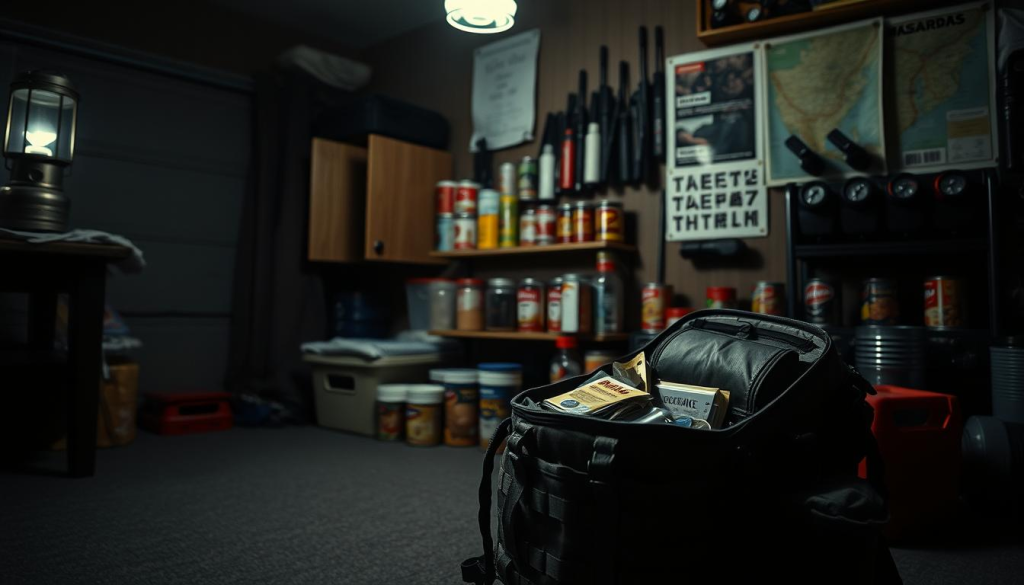
By understanding the true nature of threats and avoiding common misconceptions, individuals can make informed decisions about their emergency preparedness needs. Bug out bags, when properly understood and utilized, can be a valuable component of a comprehensive preparedness plan.
Real-Life Scenarios: When Bug Out Bags Shine
When disaster strikes, a well-prepared bug out bag can make all the difference. Bug out bags have proven to be invaluable during various emergencies, providing individuals with the necessary survival gear to navigate through challenging situations.
The importance of emergency preparedness cannot be overstated, as it often means the difference between safety and peril. Bug out bags are designed to offer a practical solution, equipping individuals with essential supplies to handle unexpected events.

Natural Disasters
During natural disasters such as hurricanes, earthquakes, and floods, bug out bags have been crucial in helping individuals evacuate quickly and safely. These bags typically contain vital supplies such as food, water, first aid kits, and communication devices, all of which contribute to the bug out bags benefits.
For instance, during Hurricane Katrina, many individuals who had prepared bug out bags were able to evacuate with essential items, significantly improving their chances of survival. The presence of a bug out bag can reduce the stress associated with sudden evacuations, allowing individuals to focus on reaching safety.
Civil Emergencies
In civil emergencies, such as terrorist attacks or civil unrest, bug out bags provide a means for individuals to respond effectively. By having a pre-prepared bag with necessary supplies, individuals can quickly adapt to changing circumstances, ensuring their safety and the safety of their loved ones.
The emergency preparedness mindset fostered by having a bug out bag can also contribute to a sense of community resilience, as individuals feel more capable of handling emergencies.
Extended Power Outages
Extended power outages can pose significant challenges, from disrupted communication to spoiled food. Bug out bags equipped with items like flashlights, batteries, and non-perishable food can be particularly useful in such scenarios, enabling individuals to maintain a level of normalcy and safety.
By including a portable charger and other communication devices in a bug out bag, individuals can stay informed and connected during prolonged power outages, further highlighting the bug out bags benefits.
Maintenance and Upkeep of Bug Out Bags
To ensure your bug out bag remains effective, regular maintenance is key. A bug out bag is only as good as its contents and the condition it’s in. Over time, supplies can expire, get damaged, or become obsolete.
Regular Checks are vital to maintaining your bug out bag. It’s recommended to inspect your bag every 6 months. Check expiration dates of food, water, and medical supplies. Ensure that all electronic devices are functioning properly and that batteries are not corroded.
Regularly Checking Supplies
When checking supplies, consider the following:
- Food and water: Check expiration dates and the condition of packaging.
- First aid kit: Ensure all items are within their expiration dates and that the kit is fully stocked.
- Electronic devices: Test all devices to ensure they are working correctly.
- Clothing and personal items: Check for wear and tear, and ensure that all items are still suitable for your needs.
Updating for Changing Needs
As your personal circumstances change, so too should the contents of your bug out bag. For example, if you have a new family member, you’ll need to update your supplies accordingly. Similarly, changes in your environment, such as moving to a new region with different potential hazards, may require adjustments to your bug out bag.
| Category | Items to Check/Update | Frequency |
|---|---|---|
| Food and Water | Expiration dates, packaging condition | Every 6 months |
| First Aid Kit | Expiration dates, stock levels | Every 6 months |
| Electronic Devices | Battery condition, functionality | Every 3 months |
| Clothing and Personal Items | Condition, suitability | Every 12 months |
By regularly checking and updating your bug out bag, you can ensure that it remains a reliable resource in emergency situations. This not only enhances your emergency preparedness but also provides peace of mind.
Alternatives to Traditional Bug Out Bags
Beyond the traditional bug out bag, there are several alternative preparedness strategies that can be tailored to individual needs and scenarios. While a bug out bag can be a comprehensive solution, some individuals may find that more specialized or minimalist approaches better suit their lifestyle or the types of emergencies they are most likely to face.
Everyday Carry (EDC) Kits
Everyday Carry (EDC) kits are a popular alternative to traditional bug out bags. These kits are designed to be compact and contain only the most essential items that one might need on a daily basis or in a sudden emergency. An EDC kit can be as simple as a few items carried in a pocket or as complex as a small bag with various survival tools.
Key Components of an EDC Kit:
- A multi-tool or pocket knife
- A flashlight or headlamp
- A first aid kit
- A fire starter (e.g., matches, lighter)
- A phone charger and backup power source
Other Preparedness Strategies
In addition to EDC kits, there are other preparedness strategies that can serve as alternatives or complements to traditional bug out bags. These include:
| Strategy | Description | Benefits |
|---|---|---|
| Vehicle Emergency Kits | A kit stored in your vehicle with supplies for roadside emergencies. | Quick response to vehicle-related emergencies. |
| Home Emergency Plans | A plan outlining procedures for emergencies at home, including evacuation routes and communication strategies. | Enhanced preparedness for home-based emergencies. |
| Personalized Survival Kits | Kits tailored to specific needs, such as kits for families with infants or kits for individuals with specific medical conditions. | Addresses specific vulnerabilities. |
These alternatives and complementary strategies highlight the diversity of approaches available for emergency preparedness. By understanding the range of options, individuals can make informed decisions about how best to prepare for potential emergencies.
Conclusion: Are Bug Out Bags Worth It?
Investing in a bug out bag is a personal decision that hinges on individual circumstances and the willingness to be prepared for emergencies. Throughout this article, we’ve explored the various aspects of bug out bags, from their definition and importance to their benefits and potential drawbacks.
Preparedness Pays Off
Having a bug out bag can provide peace of mind and potentially be a lifesaver during natural disasters, civil emergencies, or extended power outages. The key is to customize your bug out bag based on your specific needs, ensuring it includes essential supplies for survival.
When evaluating whether bug out bags are worth it, consider the benefits they offer, such as easy mobility and quick evacuations. While the initial investment may seem significant, the long-term benefits of emergency preparedness far outweigh the costs.
Ultimately, the value of a bug out bag lies in its ability to provide a sense of security and preparedness. By understanding the importance of emergency preparedness and taking steps to invest in a bug out bag, individuals can take a proactive approach to facing unexpected challenges.