
A Bug Out Bag is a portable emergency kit designed to help individuals survive during crises. It’s typically stored in a backpack for easy transport, providing essential items to sustain life for a short period.
In emergency situations, having a Bug Out Bag ready can be crucial. It contains vital supplies to help you evacuate quickly and safely. Understanding the meaning of Bug Out Bag is essential for effective emergency preparedness.
By knowing what a Bug Out Bag stands for, you can better prepare for unexpected events. It’s a proactive step towards ensuring your safety and the safety of your loved ones.
Key Takeaways
- A Bug Out Bag is a short-term survival kit.
- It’s designed for easy transport during emergencies.
- Understanding its meaning is crucial for emergency preparedness.
- A Bug Out Bag contains essential items for survival.
- Having one ready can be vital in crisis situations.
What Is a Bug Out Bag?
A Bug Out Bag, also known as a Go Bag, is a portable emergency disaster survival kit. It’s designed to help individuals survive for at least 72 hours in case of an unexpected disaster or emergency.
Definition of a Bug Out Bag
A Bug Out Bag is a collection of essential items that an individual can quickly grab in case they need to evacuate or “bug out” of their current location. The term ‘Bug Out‘ originated from military terminology, referring to the act of quickly leaving a dangerous or compromised position.
The acronym or abbreviation for Bug Out Bag isn’t as widely recognized as the term itself, but it’s often associated with other names like 72-Hour Kit or Emergency Evacuation Kit. The core idea remains the same: to have a readily available bag with vital supplies to sustain life for a short period.
History of Bug Out Bags
The concept of a Bug Out Bag has its roots in military practices, where soldiers would prepare a kit to survive in case they were separated from their unit. Over time, this concept was adopted by civilians as a means of emergency preparedness. The idea gained significant traction during the Cold War era, as people prepared for potential nuclear attacks.
“The best preparation is to be prepared.” – This mantra is particularly relevant when it comes to Bug Out Bags, emphasizing the importance of being ready for any situation.
In recent years, the concept has evolved to include a wide range of emergencies, from natural disasters like hurricanes and earthquakes to personal emergencies. The Bug Out Bag has become a cornerstone of modern emergency preparedness, symbolizing a proactive approach to survival.
Why You Should Have a Bug Out Bag
Preparing for the worst is not pessimistic; it’s prudent, and a Bug Out Bag is a key part of that preparation. The idea behind a Bug Out Bag is to have a portable collection of essential items that can help you survive and thrive during emergencies. As Max Brooks, author of “The Zombie Survival Guide,” aptly puts it, “Preparation is not just about the gear; it’s about the mindset.”
A Bug Out Bag serves multiple purposes, primarily focusing on emergency preparedness. It’s designed to help you respond to various emergencies, from natural disasters to urban survival situations. Having such a bag ready can significantly reduce panic and increase your chances of staying safe.
Emergency Preparedness
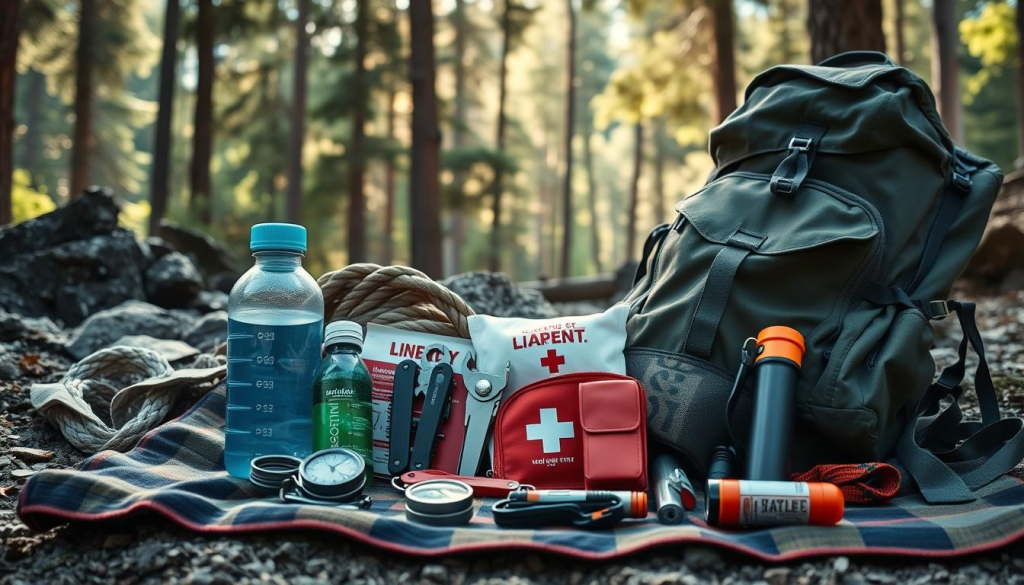
Emergency preparedness is about being ready for any situation that might arise. A Bug Out Bag is a fundamental component of this preparedness, containing essentials like food, water, first aid supplies, and communication devices. As the saying goes, “It’s better to be safe than sorry.” A well-prepared Bug Out Bag can be the difference between safety and peril.
- Food and water supplies for at least 72 hours
- A first aid kit with basic medical supplies
- Communication devices like a phone and a two-way radio
- Tools for shelter and warmth, such as a tent and a sleeping bag
Natural Disasters
Natural disasters like hurricanes, earthquakes, and wildfires can strike without warning. A Bug Out Bag is crucial in these situations, providing the necessary items to survive the immediate aftermath. For instance, having a portable water filter can ensure access to clean drinking water.
“The best preparation is having a plan and the right gear to execute it.” –
Urban Survival
In urban environments, the challenges can be different, but the importance of a Bug Out Bag remains. It can help you navigate through debris, find safety, and communicate with loved ones. Urban survival often requires a different set of skills and tools, such as a multi-tool and a map of the area.
Having a Bug Out Bag is not just about preparing for the worst; it’s about being ready for any situation. As we’ve discussed, it’s essential for emergency preparedness, natural disasters, and urban survival. By understanding the purpose and essentials of a Bug Out Bag, you can better prepare yourself and your loved ones for the unexpected.
Essential Items to Include in Your Bug Out Bag
In the face of uncertainty, a well-prepared Bug Out Bag can be your best defense. A Bug Out Bag is a portable collection of essential items that can help you survive and thrive during emergencies or disasters. The contents of your Bug Out Bag are crucial for sustaining life, providing comfort, and facilitating navigation and communication.
Food and Water Supplies
One of the most critical components of your Bug Out Bag is the food and water supplies. Non-perishable, high-calorie foods such as energy bars, canned goods, and dried fruits are ideal. It’s also essential to have a water purification system or water purification tablets to ensure access to safe drinking water. Aim to store at least one liter of water per person per day for drinking, cooking, and hygiene.
First Aid Kit Essentials
A well-stocked first aid kit is vital for treating injuries and preventing infections. Include basic first aid supplies such as bandages, antiseptic wipes, pain relievers, and any prescription medications. It’s also a good idea to add a first aid guidebook to help you respond to emergencies effectively.
Shelter and Warmth Gear
Having adequate shelter and warmth gear can be a lifesaver in extreme weather conditions. Pack a lightweight tent or tarp, a sleeping bag or emergency blanket, and extra clothing layers. Consider including a portable heater or warm hat and gloves to stay warm.
Tools and Navigation Devices
Tools and navigation devices are crucial for finding your way and dealing with challenging situations. Include a compass, a GPS device or smartphone with a GPS app, and a multi-tool or pocket knife. A reliable light source, such as a flashlight or headlamp, is also essential.
By carefully selecting and packing these essential items, you can ensure that your Bug Out Bag is equipped to handle a wide range of emergencies and disasters, keeping you and your loved ones safe and resilient.
How to Pack Your Bug Out Bag Efficiently
Packing a Bug Out Bag is an art that requires careful consideration of several factors. When preparing for emergencies, it’s not just about throwing essentials into a bag; it’s about doing so in a way that maximizes your chances of survival and comfort.
To achieve this, you need to focus on a few key aspects: weight distribution, access to critical supplies, and the decision between compact vs. bulk packing. Let’s dive into each of these to understand how to pack your Bug Out Bag efficiently.
Weight Distribution
A well-distributed weight is crucial for comfort and mobility during evacuation. You don’t want your Bug Out Bag to be so heavy on one side that it’s hard to move or causes back strain. To achieve a good weight distribution, consider the following:
- Place heavier items like water and food at the bottom and close to your back.
- Distribute the weight evenly on both sides of the bag.
- Use compartments or pouches to organize and balance the contents.
Access to Critical Supplies
In an emergency, every second counts. Therefore, it’s vital to have quick access to critical supplies such as your first aid kit, flashlight, or communication device. Organize your Bug Out Bag so that the most essential items are easily accessible.
Consider using external pockets or pouches for items you might need to grab quickly. This way, you won’t have to rummage through your entire bag to find what you need.
Compact vs. Bulk Packing
The decision between compact and bulk packing depends on your specific needs and the nature of the emergencies you’re preparing for. Compact packing is about minimizing space and weight, making it easier to move around. Bulk packing, on the other hand, involves carrying more supplies, which can be beneficial for longer-term survival or if you’re preparing for a family.
To strike a balance, consider the following tips:
- Choose multi-use items to reduce overall bulk.
- Opt for dehydrated or compact versions of food and other supplies.
- Use vacuum-sealed bags or compression sacks to save space.
By focusing on these aspects, you can create a Bug Out Bag that is not only packed with bug out bag essentials but is also organized in a way that supports your survival and comfort during emergencies.
Bug Out Bag vs. Go Kit: What’s the Difference?
While many assume Bug Out Bag and Go Kit are synonymous, they serve different purposes in emergency preparedness. Understanding these differences is crucial for effective planning and survival.
Understanding the Terms
A Bug Out Bag is a portable collection of essential items that an individual or family might need to survive for at least 72 hours during an emergency. It is designed to be taken along when evacuating or “bugging out” from a dangerous situation.
On the other hand, a Go Kit is a smaller, more compact version of a Bug Out Bag, typically containing the most critical items needed to survive for a shorter period, usually 24 hours. It is meant for quick evacuation scenarios.
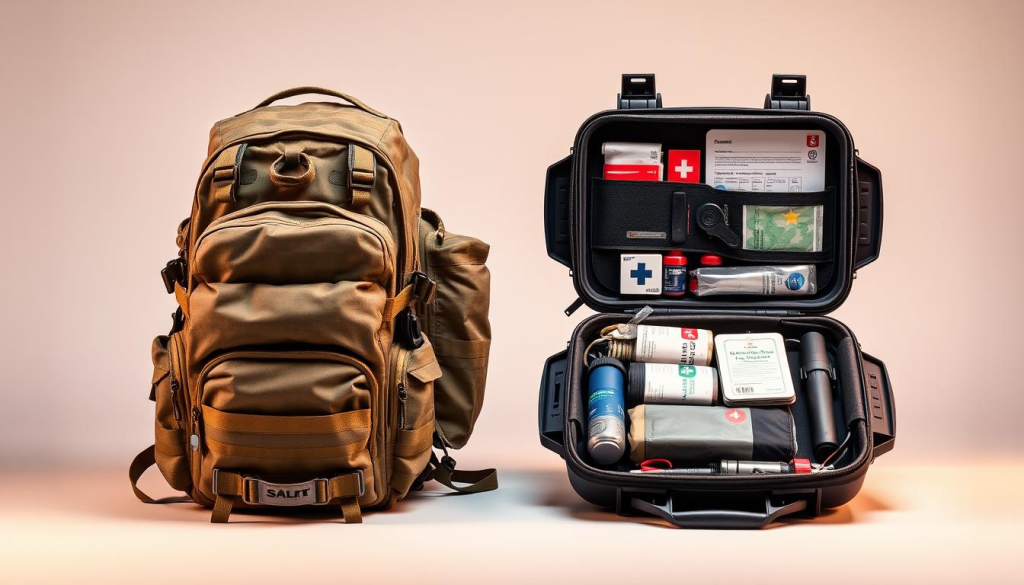
When to Use Each
The choice between using a Bug Out Bag or a Go Kit depends on the nature of the emergency and the expected duration of the evacuation. For instance, in scenarios where there is a high likelihood of needing to survive for an extended period without support, a Bug Out Bag is more appropriate.
In contrast, a Go Kit is ideal for situations requiring immediate evacuation with the bare essentials, such as in cases of sudden natural disasters or hazardous material incidents.
It’s also worth noting that both Bug Out Bags and Go Kits can be customized based on personal needs, including family size, health conditions, and the specific types of emergencies most likely to occur in one’s area.
Customizing Your Bug Out Bag for Your Needs
To maximize the effectiveness of your Bug Out Bag, it’s crucial to tailor it to your specific needs. A Bug Out Bag is not a static entity; it should evolve with your changing circumstances, ensuring that you are always prepared for emergencies.
Family Size Considerations
When customizing your Bug Out Bag, one of the primary considerations is the size of your family. The number of people you’re preparing for directly impacts the quantity of supplies you’ll need.
- Food and Water: Calculate the amount of non-perishable food and water needed per person per day. A general rule of thumb is at least 3 days’ worth of supplies.
- First Aid Kit: Ensure your first aid kit is stocked with enough supplies for everyone, including any personal medications.
- Shelter and Warmth: Consider the size of your family when packing tents, sleeping bags, and warm clothing.
Personal Health Needs
Personal health needs are another critical factor in customizing your Bug Out Bag. This includes any medical conditions, allergies, or specific health requirements.
| Health Need | Supplies to Include |
|---|---|
| Diabetes | Insulin, glucose monitoring equipment, syringes |
| Allergies | EpiPen, antihistamines |
| Heart Conditions | Nitroglycerin, heart medication |
Location-Specific Supplies
The location where you live or plan to bug out to can significantly influence the contents of your Bug Out Bag. Different regions present unique challenges, such as extreme weather conditions or specific hazards.
For Cold Climates: Include warm clothing, insulated sleeping bags, and hand warmers.
For Hot Climates: Pack lightweight, breathable clothing, sunscreen, and a hydration pack.
By considering these factors and tailoring your Bug Out Bag accordingly, you can ensure that you’re as prepared as possible for any situation that may arise.
Maintenance and Repacking of Your Bug Out Bag
Regular maintenance of your Bug Out Bag is essential for effective emergency preparedness. A Bug Out Bag that is not regularly checked and updated can become outdated and less effective in a crisis situation.
Regular Check-Ups
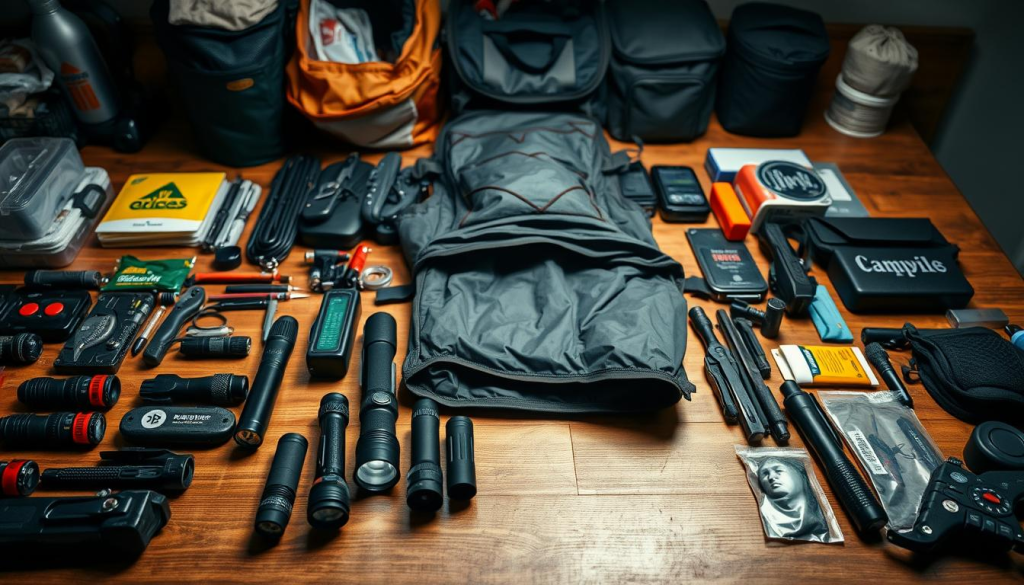
It’s crucial to regularly inspect your Bug Out Bag to ensure all items are still usable and not expired. Check the expiration dates of food, water, and medical supplies. Also, test your communication devices, flashlights, and other equipment to ensure they are functioning properly.
Key items to check during regular inspections include:
- Food and water supplies
- First aid kit and medical supplies
- Batteries and communication devices
- Shelter and warmth gear
- Tools and navigation devices
Updating Supplies
Updating your Bug Out Bag supplies is vital to ensure you have what you need in an emergency. Replace expired or used items, and consider any changes in your personal or family needs.
| Supply | Check Interval | Action |
|---|---|---|
| Food and Water | Every 6 months | Replace expired items |
| First Aid Kit | Every 3 months | Restock used or expired supplies |
| Batteries | Every 12 months | Replace with fresh batteries |
Seasonal Considerations
Your Bug Out Bag should be adapted to the current season. For example, in colder climates, ensure you have warm clothing and gear during winter months. In hotter climates, consider heat-related protection and hydration supplies.
Seasonal adjustments may include:
- Winter: Warm clothing, ice melting equipment
- Summer: Sun protection, hydration packs
- Spring/Autumn: Adapt to potential weather conditions like rain or extreme heat
By regularly maintaining and updating your Bug Out Bag, you can ensure you’re always prepared for emergencies, regardless of the situation.
Bug Out Bags for Pets: What to Include
Including pets in your emergency preparedness plan is crucial for their well-being. Pets rely on their owners for safety and security, especially during disasters or emergencies. A Bug Out Bag for pets is an essential component of this plan, ensuring they receive the necessary care and supplies.
Important Supplies for Pets
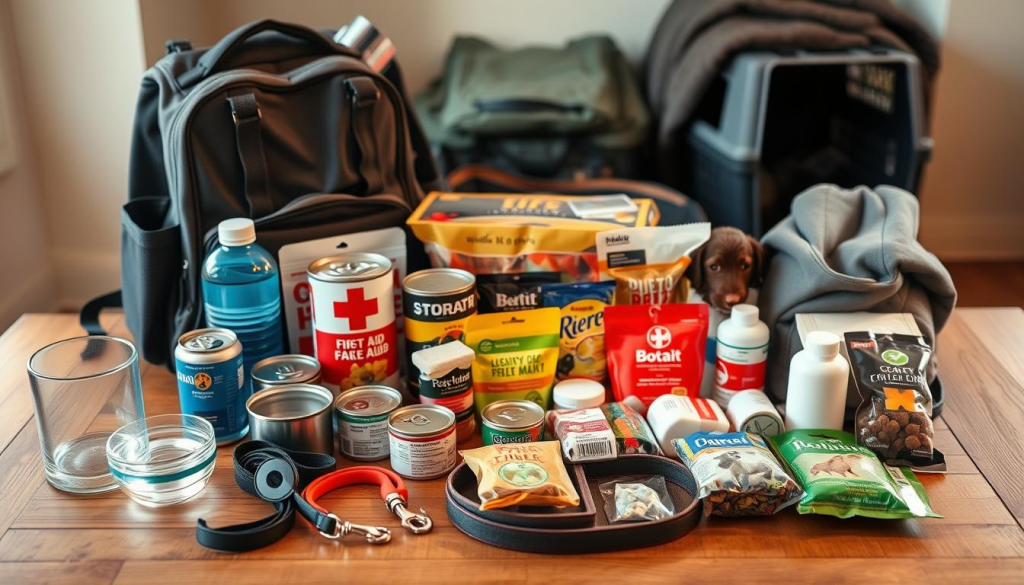
When assembling a Bug Out Bag for your pets, several key items should be included to ensure their health and comfort. These supplies are critical for maintaining their routine and addressing their needs during an emergency.
- Food and water for at least three days
- Medications and medical records
- Comfort items such as a favorite toy or blanket
- A pet first aid kit
- Identification and vaccination records
A pet first aid kit is a vital component, including items like bandages, antiseptic wipes, and tweezers. It’s also wise to include a manual on pet first aid.
| Supply | Description | Quantity |
|---|---|---|
| Food | Non-perishable pet food | 3-day supply |
| Water | Pet water bottles or collapsible bowls | 3-day supply |
| Medications | Prescription medications and dosages | 3-day supply |
Keeping Pets Calm and Safe
Emergencies can be stressful for pets, so including items that provide comfort is essential. Familiar items like a favorite toy or blanket can help reduce their anxiety.
Maintaining a calm environment is also crucial. Pet owners should be prepared to keep their pets calm through gentle interaction and, if necessary, calming aids like pheromone diffusers or calming treats.
By including these essential supplies and comfort items in your pet’s Bug Out Bag, you can ensure their safety and comfort during emergencies, making a stressful situation more manageable for both you and your pet.
Real-Life Uses and Testimonials
Many individuals have successfully utilized Bug Out Bags in emergency situations, and their stories provide valuable insights into the effectiveness of these survival kits.
Survivor Stories
During Hurricane Katrina, numerous people relied on their bug out bag survival kits to navigate the disaster. One survivor shared that having a well-stocked Bug Out Bag allowed them to evacuate quickly and safely, providing essential supplies like food, water, and a first aid kit.
Lessons Learned
These personal stories highlight the importance of emergency preparedness. By examining the experiences of those who have used Bug Out Bags, we can refine our own emergency plans and ensure that we are better equipped to handle unexpected situations.
Effective emergency preparedness involves more than just assembling a Bug Out Bag; it requires a comprehensive plan that includes regular check-ups and updates to your survival kit. By prioritizing emergency preparedness, individuals can minimize risks and maximize their chances of staying safe during disasters.