
In emergency situations, having a bug out bag ready can be a lifesaver. A bug out bag is a portable kit that contains essential items to help you survive for at least 72 hours.
Whether it’s a natural disaster or a breakdown in law and order, this kit provides the basic tools of life should you have to evacuate quickly. Emergency preparedness is crucial, and a well-prepared bug out bag is a key component.
Key Takeaways
- A bug out bag is a portable emergency kit.
- It should contain essentials to last at least 72 hours.
- Emergency preparedness is crucial in disaster situations.
- A bug out bag helps you survive during evacuations.
- It’s a key component of personal emergency planning.
What Is a Bug Out Bag?
Understanding what a Bug Out Bag is can be the first step in preparing for the unexpected. A Bug Out Bag, often abbreviated as BOB, is a portable collection of essential items that an individual can quickly grab in case of an emergency or disaster, enabling them to survive for a period of time.
Definition of a Bug Out Bag
A Bug Out Bag is defined as a short-term survival kit, typically stored in a backpack for ease of transport. Its primary function is to provide the basic necessities for survival should one need to evacuate their home or place of work quickly.
Common Contents of a Bug Out Bag
The contents of a Bug Out Bag are carefully selected to ensure survival. Common items include:
- Water and non-perishable food
- First aid kit
- Extra clothing and layers for different weather conditions
- Important documents and cash
- Tools such as a multi-tool or pocket knife
- Communication devices like a cell phone and portable charger
These items are chosen for their utility and ability to sustain an individual for at least 72 hours.
Purpose of a Bug Out Bag
The primary purpose of a Bug Out Bag is to facilitate a quick and safe evacuation during emergencies. It is designed to be lightweight and compact, allowing individuals to carry it with them easily.
Here’s an example of how one might organize the contents of their Bug Out Bag:
| Category | Items | Quantity |
|---|---|---|
| Water & Food | Water bottles, Energy bars | 3 bottles, 5 bars |
| First Aid | Bandages, Antiseptic wipes | 10 bandages, 20 wipes |
| Clothing | Socks, Extra shirt | 3 pairs, 1 shirt |
The concept of a Bug Out Bag emphasizes preparedness and the ability to respond to emergencies effectively. Visualizing the bag and its contents can help in understanding its utility.
Why Is It Called a “Bug Out Bag”?
The term “bug out bag” is derived from military jargon, where “bug out” means to quickly leave a dangerous or compromised position. This terminology has been adopted by preppers and outdoor enthusiasts to describe a portable collection of essential items that can be grabbed quickly in case of an emergency.
Origins of the Term
The phrase “bug out” has its roots in military slang, specifically during the Korean War, where it was used to describe a rapid retreat or evacuation from a hostile or dangerous situation. Over time, the term evolved and was incorporated into various contexts beyond military use, including disaster preparedness and emergency planning.
“The term ‘bug out’ is often associated with a chaotic or panicked retreat, but in the context of a bug out bag, it signifies a prepared and swift response to an emergency.”
Common Misconceptions
One common misconception is that a bug out bag is only for extreme survivalists or those anticipating the end of the world. However, the reality is that a bug out bag is a practical tool for anyone who wants to be prepared for unexpected emergencies, such as natural disasters or sudden evacuations.
- A bug out bag is not just for preppers; it’s for anyone who wants to be prepared.
- It’s not just about surviving; it’s about being prepared for any situation.
The Importance of the Name
The name “bug out bag” emphasizes the importance of being ready to leave quickly. It serves as a reminder that in emergency situations, every second counts, and having a pre-packed bag can be a lifesaver.
| Key Aspect | Description |
|---|---|
| Military Origin | The term “bug out” comes from military slang used during the Korean War. |
| Practical Application | A bug out bag is a practical tool for emergency preparedness. |
| Misconceptions | It’s not just for survivalists; it’s for anyone who wants to be prepared. |
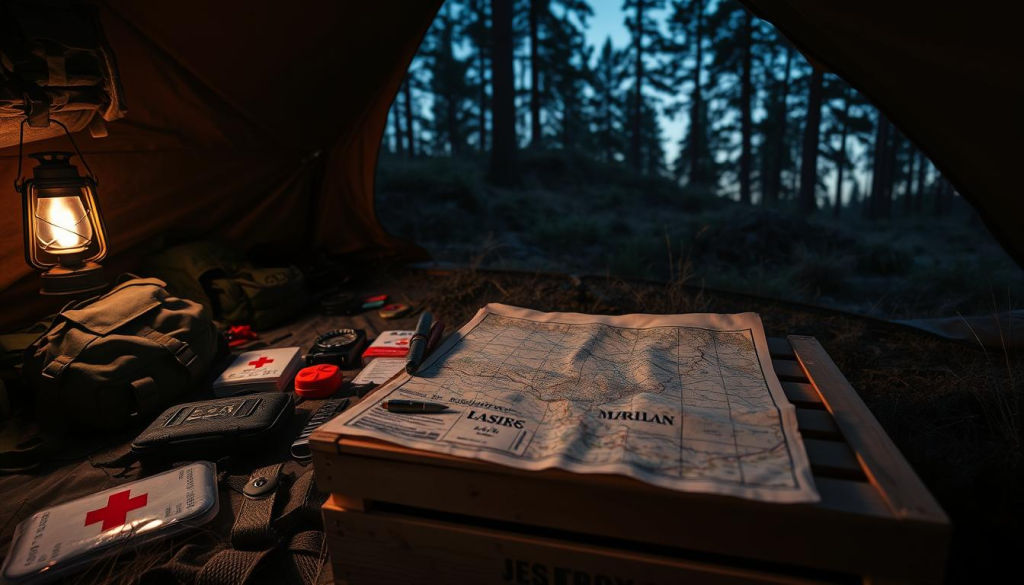
Understanding the origins and significance of a bug out bag can help individuals appreciate the importance of being prepared. By having a well-stocked bug out bag, individuals can ensure they are ready to face unexpected challenges.
Who Should Have a Bug Out Bag?
Every person, regardless of their profession or where they live, should consider having a bug out bag. The importance of being prepared for emergencies cannot be overstated, and a bug out bag is a crucial tool in that preparation.
In today’s world, emergencies can arise from natural disasters, civil unrest, or personal emergencies. Having a bug out bag ready can make a significant difference in how effectively one can respond to such situations.
Families and Households
For families and households, a bug out bag is not just a personal item but a family necessity. It ensures that every family member has the essential supplies needed in case of an emergency evacuation. This includes food, water, first aid supplies, and other critical items.
Outdoor Enthusiasts
Outdoor enthusiasts, such as hikers and campers, are particularly at risk during emergencies due to their remote locations. A bug out bag for these individuals should include supplies tailored to their specific needs, such as navigation tools, emergency shelter, and means of starting a fire.
Urban Dwellers
Even for urban dwellers, a bug out bag can be a lifesaver. Urban emergencies might include power outages, earthquakes, or other disasters. An urban bug out bag should be compact and include essentials like flashlights, first aid kits, and a means of communication.
In conclusion, the importance of a bug out bag applies to everyone. Whether you’re part of a family, an outdoor enthusiast, or an urban dweller, having a well-prepared bug out bag can significantly enhance your ability to respond to emergencies.
Key Features of an Effective Bug Out Bag
The effectiveness of a bug out bag depends on several critical factors that ensure it serves its purpose during emergencies.
Durability and Material
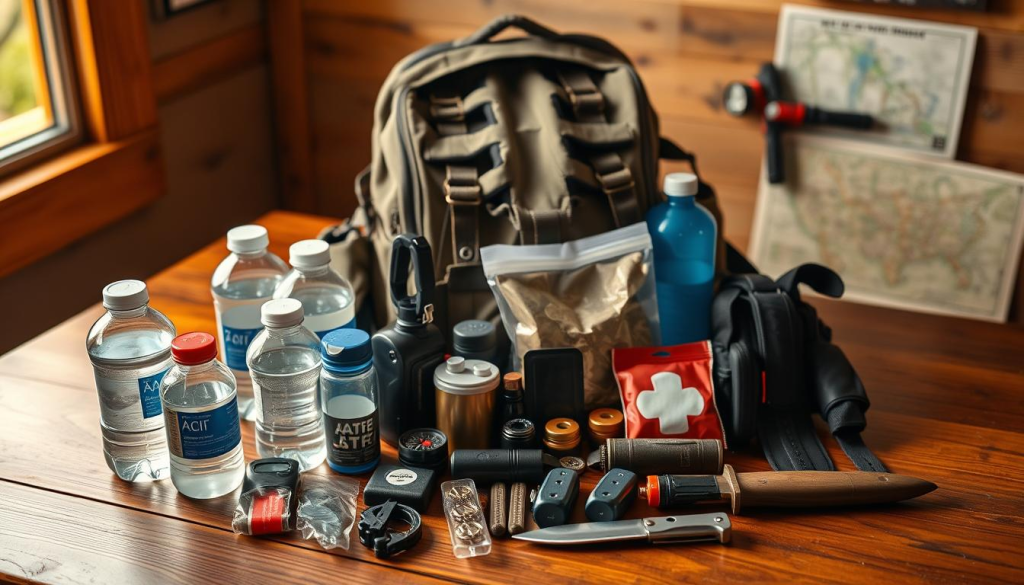
A good bug out bag should be made from durable and water-resistant materials to protect its contents from the elements. Materials like nylon or polyester are often used due to their strength and resistance to water. Additionally, the bag’s stitching and zippers should be robust to withstand heavy use.
- Look for bags with reinforced seams and heavy-duty zippers.
- Consider bags with a waterproof lining or coating.
- The material should be easy to clean and maintain.
Size and Weight Considerations
The size and weight of the bug out bag are crucial for its practicality. A bag that is too large may become cumbersome, while one that is too small may not hold all the necessary supplies. It’s essential to strike a balance between capacity and portability.
When choosing a bug out bag, consider the following:
- The number of people the bag needs to support.
- The type and quantity of supplies you plan to carry.
- The distance you may need to travel with the bag.
By carefully considering these factors, you can select a bug out bag that is both effective and comfortable to carry.
Essential Items for Your Bug Out Bag
A well-prepared bug out bag includes essential items that can significantly increase your chances of survival during emergencies. The right contents can make a significant difference in your ability to respond to and survive through a crisis.
Food and Water Supplies
When it comes to food and water, it’s crucial to pack supplies that are both nourishing and durable. Non-perishable food items such as energy bars, canned goods, and dried fruits are recommended. Additionally, having a means to purify water is vital; water purification tablets or a portable filter can ensure access to safe drinking water.
| Food Item | Calories per Serving | Shelf Life |
|---|---|---|
| Energy Bars | 200-300 | 2-5 years |
| Canned Goods | 100-200 | 5+ years |
| Dried Fruits | 50-100 | 1-2 years |
“The key to survival is not just having food, but having food that is nutritious and can be consumed over a long period.”
First Aid Supplies
A first aid kit is a critical component of any bug out bag. It should include bandages, antiseptic wipes, pain relievers, and any medications that family members may need. The kit should be tailored to the specific needs of the individuals it is intended to support.
- Bandages and band-aids
- Antiseptic wipes and spray
- Pain relievers and antihistamines
- Prescription medications
Tools and Equipment
Multi-tools and other equipment can provide the means to perform a variety of tasks, from cutting and opening cans to fixing broken items. A portable light source, such as a flashlight or headlamp, is also essential.
As emphasized by survival experts, having the right tools can greatly enhance your ability to cope with challenging situations.
How to Choose the Right Bag
Choosing the perfect bug out bag involves considering several important factors. The right bag can make a significant difference in emergency situations, providing comfort, durability, and accessibility to essential supplies.
Types of Backpack Options
There are various types of backpacks suitable for bug out bags, each with its unique features. Assault backpacks are popular for their durability and multiple compartments. Hiking backpacks offer comfort and are designed for long treks. Military-style backpacks are known for their ruggedness and tactical features.
When selecting a type, consider the terrain you’ll be navigating and the duration of your potential evacuation. For instance, if you anticipate long walks, a hiking backpack with good lumbar support might be ideal.
Features to Look For
A good bug out bag should have multiple features to enhance usability. Look for bags with:
- Multiple Compartments: For organizing supplies efficiently.
- Durable Material: Such as nylon or polyester, which can withstand harsh conditions.
- Comfortable Straps: Padded shoulder straps and a waist belt can distribute weight more evenly.
- Water Resistance: To protect your supplies from the elements.
- MOLLE (Modular Lightweight Load-carrying Equipment) System: For attaching additional gear.
| Feature | Importance | Notes |
|---|---|---|
| Multiple Compartments | High | Helps in organizing supplies |
| Durable Material | High | Withstands harsh weather conditions |
| Comfortable Straps | Medium | Essential for long walks |
| Water Resistance | High | Protects supplies from rain |
| MOLLE System | Medium | Allows for additional gear attachment |
Budget Considerations
Bug out bags can vary significantly in price, depending on the brand, material, and features. It’s essential to set a budget and stick to it. While it’s tempting to opt for the cheapest option, investing in a quality bag can pay off in the long run through durability and performance.
When budgeting, consider the cost per feature. For example, a bag with a MOLLE system might be more expensive, but if you anticipate needing to attach additional gear, it could be worth the investment.
Packing Your Bug Out Bag
The way you pack your bug out bag can significantly impact its effectiveness. A well-packed bag ensures that you have everything you need at your fingertips, making a stressful situation more manageable.
Organizing Your Supplies
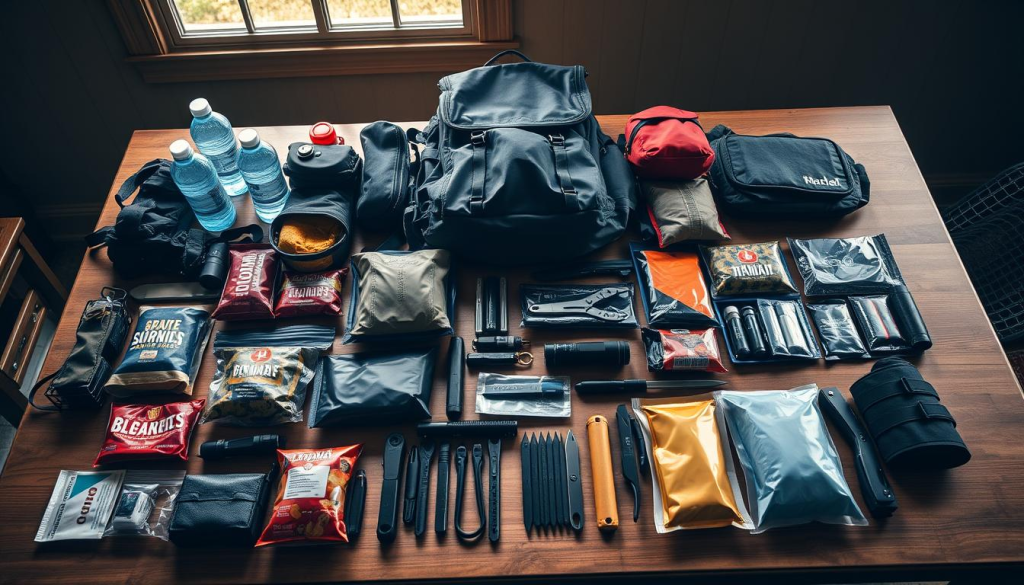
Organizing your supplies is crucial for efficient bug out bag packing. Start by categorizing your items into groups such as food, water, first aid, and tools. This categorization makes it easier to locate items when needed.
Use packing cubes or pouches to keep similar items together. For instance, all first aid supplies should be in one pouch, while food and water should be stored in another. This not only keeps your bag organized but also makes it easier to check if everything is present.
Weight Distribution Tips
Even distribution of weight is vital for comfortable carrying of your bug out bag. Heavier items should be placed closer to your back and centered, while lighter items are placed towards the outside.
Here’s a simple table to illustrate the ideal weight distribution in a bug out bag:
| Item Category | Weight Consideration | Placement |
|---|---|---|
| Food and Water | Heavy | Close to back, centered |
| First Aid Supplies | Moderate | Middle section |
| Clothing and Sleeping Bag | Variable | Bottom or top |
By following these tips, you can ensure that your bug out bag is both well-organized and comfortable to carry, making it a reliable companion in any emergency.
Maintenance and Review of Your Bag
Keeping your bug out bag in top condition requires regular inventory checks and updates. A well-maintained bug out bag ensures that you are always prepared for emergencies. As Colin Powers, a preparedness expert, once said, “A bug out bag is not a ‘set it and forget it’ item; it demands regular attention to remain effective.”
Regular Inventory Checks
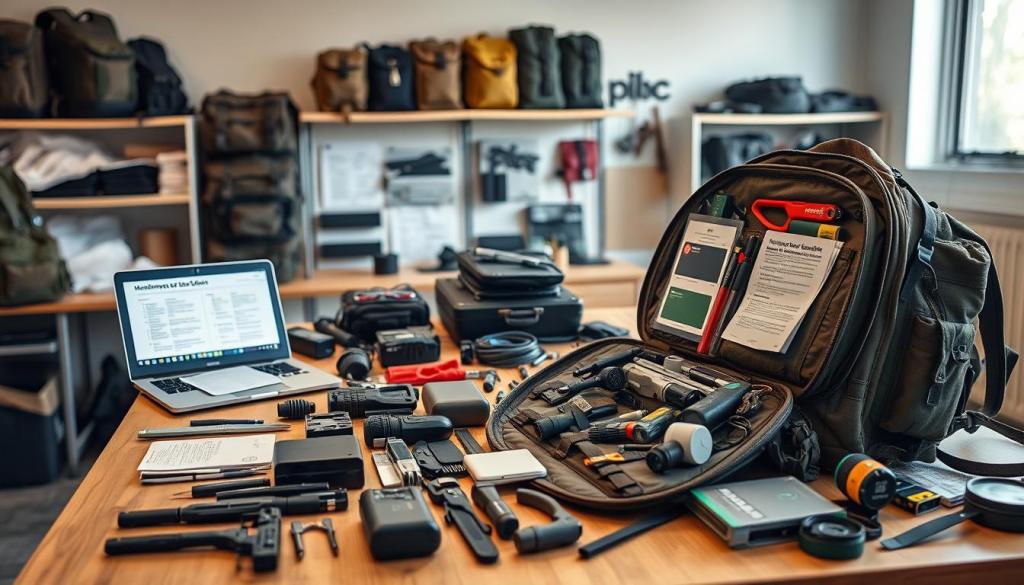
Regularly checking the contents of your bug out bag is vital. This involves ensuring that all items are still usable and that nothing is missing or damaged.
- Open your bug out bag and inspect its contents.
- Check off items on your inventory list.
- Replace or repair any damaged or missing items.
Expiration Dates and Replacements
Many items in your bug out bag have expiration dates, such as food, water purification tablets, and medications. It’s crucial to keep track of these dates and replace items before they expire.
“You can’t prepare for the future if you’re stuck in the past with expired supplies,” notes a preparedness guide. Make it a habit to check expiration dates every six months and update your supplies accordingly.
In conclusion, maintaining your bug out bag is an ongoing process that requires regular checks and updates. By doing so, you ensure that your bag remains a reliable resource in times of need.
Real-Life Scenarios for Bug Out Bags
Real-life emergencies often require quick evacuations, making a bug out bag indispensable. A well-prepared bug out bag can be the difference between safety and danger in various critical situations.
Natural Disasters
Natural disasters such as hurricanes, earthquakes, and wildfires can strike without warning, necessitating immediate evacuation. A bug out bag ensures that you have the necessary supplies to survive until help arrives or until the situation improves.
Essential Items for Natural Disasters:
- Water and non-perishable food
- First aid kit
- Flashlights and extra batteries
- Personal hygiene items
- Multi-tool or pocket knife
Civil Unrest and Emergency Evacuations
Civil unrest and emergency evacuations can also require quick action. In such situations, having a bug out bag ready means you can leave quickly without forgetting essential items.
Key Considerations for Civil Unrest:
| Item | Description | Importance Level |
|---|---|---|
| Communication devices | Phone, two-way radio, or other means to stay informed and in touch | High |
| Protective gear | Masks, gloves, or other protective equipment | Medium |
| Cash and important documents | Money, identification, insurance documents in a waterproof container | High |
In conclusion, a bug out bag is a vital component of emergency preparedness, applicable to a wide range of real-life scenarios including natural disasters and civil unrest. By understanding the potential uses and tailoring your bug out bag accordingly, you can significantly enhance your ability to respond effectively in critical situations.
The Psychological Benefits of Having a Bug Out Bag
The psychological benefits of having a bug out bag are often overlooked but are crucial for mental preparedness. Being prepared for emergencies can have a significant impact on one’s mental state, providing a sense of security and confidence.
Having a bug out bag ready can be a powerful tool in reducing anxiety and stress related to emergency situations. It allows individuals to feel more in control of their environment and better equipped to handle unexpected events.
Peace of Mind
One of the primary psychological benefits of having a bug out bag is the peace of mind it provides. Knowing that you have a well-stocked bag ready to go in case of an emergency can be incredibly reassuring. This sense of security can be especially important for individuals who live in areas prone to natural disasters or other emergencies.
“Preparedness is not just about having the right equipment; it’s about having the confidence to face whatever comes your way.”
Preparedness and Confidence
A bug out bag not only provides the necessary supplies for survival but also instills a sense of preparedness and confidence. When individuals know they are prepared, they are more likely to remain calm and think clearly in emergency situations.
| Psychological Benefit | Description |
|---|---|
| Peace of Mind | Knowing that you are prepared for emergencies reduces anxiety and stress. |
| Preparedness | Having the necessary supplies and knowledge to handle emergencies. |
| Confidence | Feeling capable of handling unexpected situations. |
To further enhance the psychological benefits, it’s essential to regularly check and update your bug out bag. This not only ensures that your supplies are still usable but also reinforces your sense of preparedness.
How to Customize Your Bug Out Bag
To maximize the effectiveness of your bug out bag, personalization is key. Customizing your bug out bag according to your personal needs and the specific emergencies you might face can significantly enhance your preparedness.
Personal Preferences
When customizing your bug out bag, it’s essential to consider your personal preferences. This includes thinking about your dietary needs, any medical conditions you may have, and your comfort during potential evacuations.
For instance, if you have specific dietary requirements, you should pack appropriate food supplies. Similarly, if you take certain medications, ensure you have an adequate supply in your bag.
Unique Situational Needs
Your bug out bag should also be tailored to unique situational needs. This involves considering the types of emergencies you are most likely to face, such as natural disasters or civil unrest, and packing accordingly.
For example, if you live in an area prone to earthquakes, you may want to include supplies that would be useful in such scenarios, like a portable charger and a whistle. If you have pets, don’t forget to include pet supplies in your bag.
Frequently Asked Questions About Bug Out Bags
As you prepare your bug out bag, you may have questions about what to pack, how to maintain it, and what to expect in emergency situations. Here, we address some of the most frequently asked questions about bug out bags, debunk common myths, and provide expert recommendations to help you stay prepared.
Common Myths Debunked
One common myth is that bug out bags are only for extreme survivalists. In reality, a bug out bag is a practical tool for anyone who wants to be prepared for unexpected emergencies. Another myth is that bug out bags are too expensive or complicated to assemble. With a little planning, you can create a bug out bag that meets your needs and fits your budget.
Expert Recommendations
Experts recommend regularly reviewing and updating your bug out bag to ensure it remains relevant and effective. This includes checking expiration dates, testing equipment, and considering changes in your personal circumstances or environment. By staying proactive and informed, you can trust your bug out bag to serve you well in times of need.