
A bug out bag is a portable collection of essential items that an individual can quickly grab in case of an emergency or disaster, enabling them to survive for a certain period.
Also known as a 72-hour kit or emergency evacuation kit, it’s designed to help individuals survive for at least three days. The contents can vary greatly depending on the individual’s needs and environment.
Having a well-thought-out bug out bag that includes essentials such as food, water, first aid supplies, and means of communication is crucial.
Key Takeaways
- A bug out bag is a vital kit for emergency preparedness.
- It should be tailored to the individual’s needs and environment.
- Essentials include food, water, first aid supplies, and communication means.
- A well-prepared bug out bag can help individuals survive for at least three days.
- Regularly reviewing and updating the bag’s contents is important.
What is a Bug Out Bag?
In the realm of emergency preparedness, a Bug Out Bag (BOB) stands out as a crucial element. It’s a portable kit designed to help individuals survive and escape from danger during emergencies.
Definition and Purpose
A Bug Out Bag is defined as a long-term survival kit with one core purpose—to get you away from danger as fast and as safely as possible, as stated by Ready To Go Survival. Its primary purpose is to provide the necessary items to survive until safety is reached.
Common Uses
Bug Out Bags are commonly used in various emergency situations, including natural disasters like hurricanes, earthquakes, and wildfires. They are also useful in man-made crises, such as industrial accidents or civil unrest. Having a BOB ensures that you are prepared to respond quickly and effectively in a wide range of scenarios.
Benefits of Having One
The benefits of having a Bug Out Bag are numerous. It ensures that you are prepared for unexpected emergencies, provides the necessary bug out bag essentials to survive, and enables you to evacuate quickly. A well-prepared BOB can be the difference between safety and danger.
By understanding what a Bug Out Bag is and its purpose, individuals can better prepare themselves for emergencies. The key is to curate a set of bug out bag contents that are tailored to their specific needs and the types of emergencies they might face.
Essential Items to Include in Your Bug Out Bag
When assembling a bug out bag, it’s crucial to consider the fundamental necessities for survival. A well-prepared bag can make a significant difference in emergency situations, providing you with the necessary tools and supplies to stay safe.
Food and Water Supplies
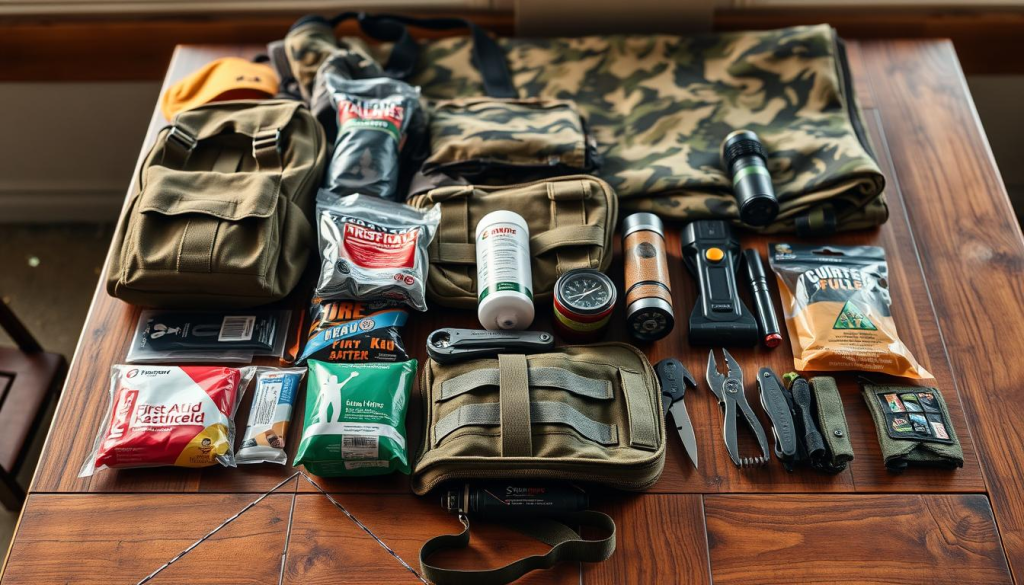
One of the most critical components of a bug out bag is the inclusion of adequate food and water supplies. It’s recommended to pack non-perishable food items that are high in calories and nutrients, such as energy bars, canned goods, and dried fruits. Additionally, a water filtration system or water purification tablets should be included to ensure access to safe drinking water.
- Non-perishable food items (e.g., energy bars, canned goods)
- Water or a water filtration system
- Manual can opener
First Aid Kit Essentials
A first aid kit is another vital component of a bug out bag. It should include a variety of medical supplies to treat minor injuries and prevent infections. Essentials include bandages, antiseptic wipes, pain relievers, and any personal medications.
- Bandages and band-aids
- Antiseptic wipes and ointment
- Pain relievers and antihistamines
Clothing and Shelter Items
Packing the right clothing and shelter items can help protect you from the elements. Include a change of clothes suitable for the climate, a waterproof jacket, and a warm hat. A lightweight tent or tarp, along with a sleeping bag or blanket, can provide necessary shelter.
- Extra clothing suitable for the climate
- Waterproof jacket and pants
- Lightweight tent or tarp
Tools and Equipment
Having the right tools and equipment can be invaluable in a survival situation. This includes a multi-tool, a flashlight or headlamp, and a battery-powered radio. Don’t forget extra batteries and a fire starter.
- Multi-tool or pocket knife
- Flashlight or headlamp
- Battery-powered radio
How to Choose the Right Bag
The foundation of a great Bug Out Bag is the bag itself, making the choice of backpack a critical decision. When selecting a bag, several factors come into play to ensure it meets your needs during emergencies.
Size and Capacity Considerations
The size of your Bug Out Bag is crucial. It needs to be large enough to carry essential bug out bag items such as food, water, first aid supplies, and clothing, but not so large that it becomes cumbersome. A capacity of 30-40 liters is often recommended as it provides ample space without being overly bulky.
Durability and Weather Resistance
A Bug Out Bag must withstand various weather conditions and potentially harsh handling. Look for a bag made from durable, weather-resistant materials like nylon or polyester. Additionally, consider a bag with a rain cover to keep your contents dry in wet conditions.
Organizational Features
Effective organization is key to quickly accessing the items you need. A good Bug Out Bag should have multiple compartments, pockets, and MOLLE (Modular Lightweight Load-carrying Equipment) attachments. This allows you to categorize your gear and keep it easily accessible.
When choosing the best bug out bag backpack, consider your specific needs and the types of emergencies you are most likely to face. Whether you’re a hiker or a city dweller, the right bag can make all the difference in your ability to respond effectively.
Creating a Personalized Bug Out Bag
Creating a personalized bug out bag is crucial for effective emergency preparedness. A well-crafted bug out bag can mean the difference between safety and peril during a crisis.
According to Canadian Preparedness, customizing a bug out bag with high-quality tools, shelter, first aid, food, and water purification systems is essential. This involves assessing your individual needs, including any specific medical requirements, the needs of family members or pets, and the types of emergencies you might face.
Assess Your Individual Needs
To create a truly effective bug out bag, you must consider your personal circumstances. This includes any medical conditions that may require special equipment or medication. For instance, if you have diabetes, you should include a sufficient supply of insulin and a portable glucometer.
Family Considerations for Bug Out Kits
When preparing a bug out bag for your family, it’s essential to consider the needs of each member, including children and elderly individuals. This may involve packing additional supplies such as diapers, formula, and medications tailored to their needs.
For families with young children, it’s also crucial to include entertainment and comfort items to help keep them calm during an emergency. This could include favorite toys, coloring books, or other small distractions.
Customizing for Pets
Pets are an integral part of many families, and their needs should not be overlooked when preparing a bug out bag. This includes packing pet food, water, bowls, and any necessary medication. A pet first aid kit is also a valuable addition.
By taking the time to customize your bug out bag to include the needs of all family members, including pets, you can ensure that everyone stays safe and relatively comfortable during an emergency.
Customizing your survival bug out bag with the right gear can make a significant difference in your ability to respond to emergencies effectively. By focusing on your specific needs and the needs of your family, you can create a comprehensive emergency preparedness plan.
Bug Out Bag Checklist
Creating a comprehensive bug out bag checklist is essential for ensuring you’re ready for any situation. A well-stocked bug out bag can be a lifesaver during emergencies, providing you with the necessary items to survive and stay safe.
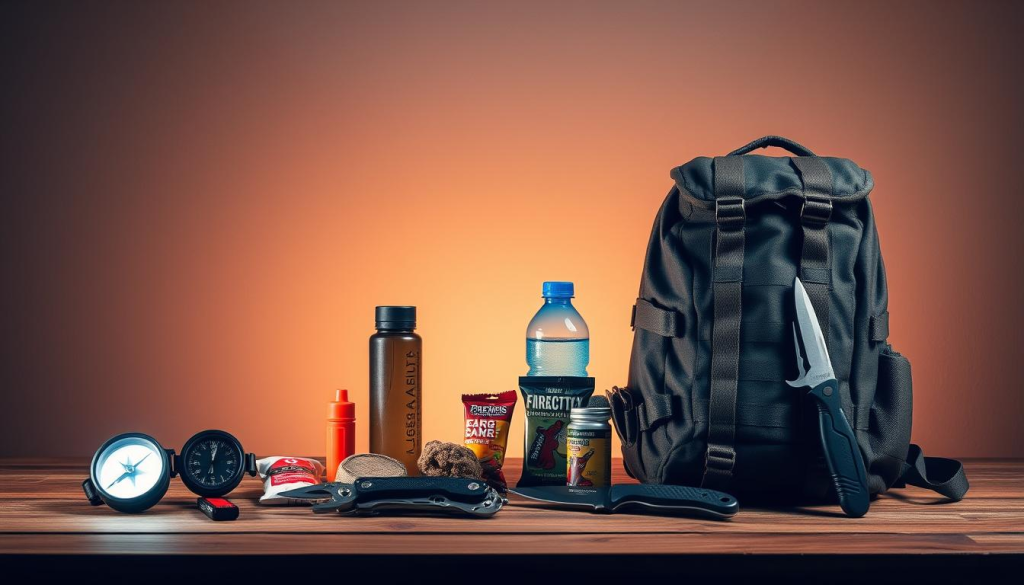
Key Items to Include
When assembling your bug out bag, there are several key items to include. These bug out bag must haves will help you navigate through challenging situations.
- Non-perishable food and water supplies
- First aid kit essentials, including bandages, antiseptic wipes, and pain relievers
- Means of communication, such as a phone charger and a battery-powered radio
- Clothing and shelter items, like a warm hat, gloves, and a lightweight tent
- Tools and equipment, including a multi-tool, flashlight, and extra batteries
Seasonal Adjustments
It’s crucial to make seasonal adjustments to your bug out bag to ensure you’re prepared for varying weather conditions. For example, during winter, you may need to include warmer clothing, a snow shovel, and ice melt. In contrast, summer might require more sunscreen, insect repellent, and a portable fan.
| Season | Essential Items |
|---|---|
| Winter | Warm clothing, snow shovel, ice melt |
| Summer | Sunscreen, insect repellent, portable fan |
| Spring/Fall | Rain gear, extra layers, first aid kit check |
Regular Maintenance Tips
Regular maintenance of your bug out bag is vital to ensure that all items are still usable and not expired. Check your bag every six months to:
- Update your food and water supplies
- Check the expiration dates of medications and first aid supplies
- Test your communication devices and tools
- Replace batteries and check the functionality of all equipment
By following these tips and keeping your bug out bag up-to-date, you’ll be better prepared to face any emergency that comes your way.
Tips for Efficient Packing
Packing a bug out bag efficiently is key to ensuring that you have everything you need when disaster strikes. The way you organize and pack your bag can significantly impact your ability to respond quickly and effectively in an emergency.
Layering and Organization Strategies
A well-organized bug out bag is essential for easy access to bug out bag essentials. One effective strategy is to use a layering system, where you categorize items based on priority and frequency of use. For instance, you can use easy-to-access pockets for critical items like first aid kits, flashlights, and important documents.
Utilizing compartments and pouches can also help in keeping similar items together, such as food, water, and clothing. This not only makes it easier to find what you need but also helps in distributing the weight evenly throughout the bag.
| Category | Items to Include | Packing Tip |
|---|---|---|
| First Aid | Bandages, Antiseptic Wipes, Pain Relievers | Use a dedicated first aid pouch for easy access. |
| Food and Water | Non-perishable Food, Water Bottles, Water Purification Tablets | Pack food and water in separate, easily accessible compartments. |
| Clothing | Moisture-wicking Clothing, Insulating Layers, Waterproof Jacket | Layer clothing items for versatility and pack extras in case of unexpected delays. |
Weight Management Techniques
Managing the weight of your bug out bag is crucial to ensure that it is portable and does not hinder your ability to move quickly. One technique is to distribute weight evenly throughout the bag, using both the main compartment and side pockets.
It’s also important to regularly review the contents of your bag and remove any unnecessary items that could be adding to the weight. Consider the use of lightweight alternatives for items like sleeping bags and tents.
Quick Access Essential Items
In an emergency, every second counts. Ensuring that bug out bag essentials are easily accessible is vital. This can be achieved by storing critical items in external pockets or in a designated quick access pouch.
Items that should be easily accessible include your first aid kit, a flashlight, and any personal identification or important documents. Practicing retrieving these items quickly can help you become more familiar with the layout of your bag.
Training and Preparation
A well-prepared individual knows that a bug out bag is only as good as the plan that accompanies it. Having a bug out bag is not enough; one must also be prepared to use it effectively in emergency situations.
As highlighted in the Ultimate Bug Out Bag Checklist, practicing evacuation plans and familiarizing oneself with the gear are crucial steps in emergency preparedness. Training and preparation are key to ensuring that you can respond effectively in high-stress situations.
Practicing Your Evacuation Plan
It’s essential to practice your evacuation plan regularly to ensure that everyone knows what to do in case of an emergency. This includes identifying safe routes, designating meeting points, and establishing a communication plan.
- Conduct regular drills to practice your evacuation plan.
- Identify potential hazards and obstacles along your evacuation route.
- Make sure all family members know how to use the gear in your bug out bag.
Familiarizing Yourself with Your Gear
Familiarity with your bug out bag and its contents is critical to responding effectively in an emergency. Take the time to review the bug out bag checklist and ensure that you know how to use each item.
Survival Skills Training
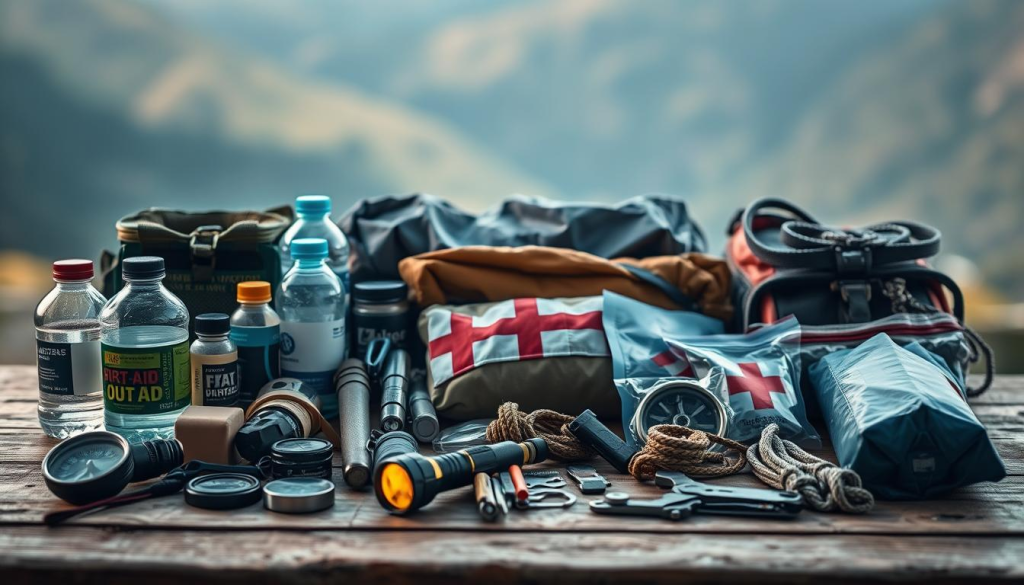
In addition to having the right gear, it’s essential to have the skills to survive in emergency situations. Consider taking courses or training programs to learn survival skills such as first aid, navigation, and shelter building.
“The will to survive is important, but the skill to survive is vital.”
By combining a well-stocked bug out bag with training and preparation, you can significantly improve your chances of survival in emergency situations.
Staying Informed: Updates and News
As the world becomes increasingly unpredictable, the importance of staying informed about emergencies and survival techniques grows. Having a well-prepared emergency bug out bag is crucial, but it’s equally important to stay updated on the latest news and trends in survival preparedness.
Monitoring Local Emergency Alerts
One of the most effective ways to stay informed is by monitoring local emergency alerts. These alerts can provide critical information about impending disasters, evacuation routes, and other safety instructions. Many communities offer emergency alert systems that send notifications directly to your phone or computer. It’s essential to sign up for these services to ensure you’re always in the loop.
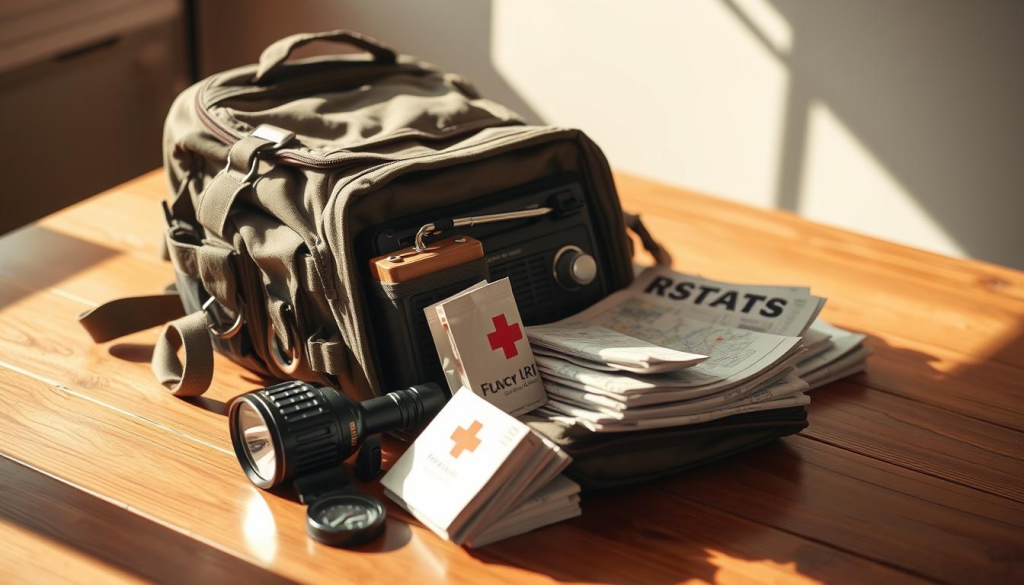
Additionally, keeping a battery-powered radio in your bug out bag can help you stay informed when other power sources are unavailable. Look for radios that also have flashlight and charging capabilities for extra utility.
Keeping Current on Survival Trends
Survival trends and techniques are continually evolving. Staying current with the latest methods can significantly enhance your ability to respond to emergencies effectively. Follow reputable survival blogs, attend workshops, and participate in online forums to stay informed.
Sources like the Canadian Preparedness and Ready To Go Survival provide valuable insights and updates on preparing for emergencies. They offer guidance on the latest bug out bag items and strategies for different types of disasters.
Following Trusted Resources
In the age of information, it’s easy to get overwhelmed by the sheer volume of data available. To stay informed effectively, it’s crucial to follow trusted resources. Look for sources with a proven track record of reliability and accuracy.
Government websites, established survival organizations, and expert survivalists are good places to start. They often provide up-to-date information on emergency preparedness, survival techniques, and the latest trends in emergency bug out bags.
Bug Out Bag for Natural Disasters
When natural disasters strike, having a well-prepared bug out bag can be the difference between safety and peril. Different disasters require different preparations, making it crucial to tailor your bug out bag to the most likely emergencies in your area.
Preparing for Hurricanes
For hurricanes, your bug out bag should include items that will help you weather the storm and its aftermath. This includes rain gear such as waterproof jackets and pants, a portable charger for your devices, and a first aid kit to handle any injuries.
- Waterproof bags to keep your supplies dry
- A battery-powered radio to stay informed
- Non-perishable food and a manual can opener
Readiness for Earthquakes
Earthquakes require a different set of preparations, focusing on evacuation and communication. Your bug out bag should contain a dust mask to help filter the air, a whistle to signal for help if needed, and a multi-tool for various tasks.
| Item | Purpose |
|---|---|
| Dust mask | Filters out harmful particles from the air |
| Whistle | Signals for help if trapped |
| Multi-tool | Provides various functions for survival tasks |
Strategies for Wildfires
For wildfires, your bug out bag should be equipped with items that protect you from heat and flames. This includes fire-resistant clothing, a face mask rated for smoke protection, and goggles to protect your eyes.
- N95 respirator masks to filter out smoke particles
- Goggles to protect your eyes from smoke and debris
- Fire-resistant blankets or emergency bivvy sacks
By tailoring your bug out bag to the specific natural disasters that could affect your area, you can significantly enhance your chances of staying safe during an emergency. Regularly check and update your bug out bag to ensure it remains relevant and effective.
FAQs about Bug Out Bags
As you prepare your bug out bag, you may have questions about what to include and how to use it effectively. Bug out bag gear and bug out bag must haves are essential considerations when assembling your kit.
Common Queries
Many people wonder what the essential items are for a bug out bag. The Ultimate Bug Out Bag Checklist provides a comprehensive guide to help you get started. It covers critical bug out bag must haves such as food, water, first aid supplies, and shelter.
Debunking Myths
Some myths surround the concept of bug out bags, such as the need for overly complex or expensive gear. In reality, a well-prepared bug out bag can be simple and affordable. Canadian Preparedness offers valuable insights into debunking these myths and creating a practical bug out bag.
Further Education
For those looking to expand their knowledge, numerous resources are available. From online forums to survival training courses, you can continue to learn and improve your bug out bag and emergency preparedness skills. By staying informed and up-to-date, you’ll be better equipped to handle any situation that arises.