
When it comes to preparing for emergencies, having the right bug out bag is crucial. The ideal dimensions of this bag are a critical consideration for survivalists and outdoor enthusiasts.
A bag that is too small may not hold all the necessary gear, while a bag that is too large can be cumbersome and uncomfortable to carry. According to Regina Cal, author of “4 Steps To Sizing Your Bug Out Bag Backpack Correctly,” the optimal bug out bag dimensions depend on several factors, including the individual’s size and weight, fitness level, and the duration of the bug out.
For a 72-hour bug out, a bag with a capacity of 30-50 liters is often recommended. However, this can vary depending on individual needs and the type of gear being carried.
Key Takeaways
- The ideal bug out bag size depends on individual factors, including size, weight, and fitness level.
- A 30-50 liter bag is recommended for a 72-hour bug out.
- The type of gear being carried can impact the required bag size.
- A bag that is too small or too large can be impractical.
- Considering the duration of the bug out is crucial in determining the optimal bag size.
Understanding Bug Out Bags: What Are They?
Understanding the concept of a bug out bag is fundamental to being prepared for unexpected situations. A bug out bag, often considered a crucial element in emergency preparedness, is designed to be a portable collection of essential items that can sustain an individual for a certain period, typically 72 hours.
Definition of a Bug Out Bag
A bug out bag is defined as a portable kit that contains the necessary gear to help an individual survive during an emergency or disaster. It is designed to be carried on foot, with a weight distribution that allows for comfortable carrying over long distances. According to survival experts, a well-prepared bug out bag should include essentials such as food, water, first aid supplies, and communication devices.
“A bug out bag should be tailored to the individual’s specific needs and the type of emergency being prepared for.”
Why You Need a Bug Out Bag
Having a bug out bag is crucial for being prepared for unexpected emergencies or disasters. It ensures that you have the necessary items to sustain yourself until help arrives or until the situation improves. The bag’s portability and the ability to quickly grab it in case of an emergency make it an indispensable tool for survival.
Key Components of a Bug Out Bag
The key components of a bug out bag typically include:
- Food and water supplies
- First aid kit
- Communication devices
- Extra clothing and personal hygiene items
- Tools and equipment for shelter and warmth
| Component | Description | Importance Level |
|---|---|---|
| Food and Water | Supplies to sustain the individual | High |
| First Aid Kit | Medical supplies for injuries | High |
| Communication Devices | Means to call for help or stay informed | Medium |
| Extra Clothing | Clothing for varying conditions | Medium |
| Tools and Equipment | Items for shelter, warmth, and other needs | High |
When choosing a bug out bag, it’s essential to consider the type of emergency or situation being prepared for and the individual’s specific needs. The ideal bug out bag capacity will vary based on these factors, making it crucial to understand what a bug out bag entails and how to choose the right size.
Benefits of Choosing the Right Size Bug Out Bag
Choosing a Bug Out Bag that is the right size is essential for maximizing mobility and comfort. A bag that is tailored to your specific needs can make a significant difference in emergency situations.
The benefits of having the perfect Bug Out Bag size are multifaceted. A well-sized bag can enhance your ability to navigate through challenging environments, keep your gear organized, and manage the weight of your equipment effectively.
Enhanced Mobility
A Bug Out Bag that is the right size allows for enhanced mobility, making it easier to move quickly and efficiently. This is particularly important in emergency situations where every second counts.
- Easier navigation through tight spaces
- Reduced fatigue due to better weight distribution
- Improved ability to climb or traverse challenging terrain
Improved Organization
The right Bug Out Bag size also facilitates improved organization. With a bag that is designed to hold your gear in a logical and accessible manner, you can quickly find what you need.
- Compartments and pockets help keep gear sorted
- Easier access to essential items
- Reduced time spent searching for specific gear
Weight Management
Weight management is another critical benefit of choosing the right Bug Out Bag size. A bag that is too large may encourage overpacking, leading to unnecessary weight and fatigue.
A well-sized Bug Out Bag encourages you to prioritize your gear, ensuring that you carry only what is necessary. This not only reduces the overall weight but also helps in maintaining comfort during extended carrying periods.
Determining Your Needs: Factors to Consider
To choose the ideal bug out bag, several factors must be taken into account. The size of the bag will largely depend on the individual’s or group’s specific needs and the nature of the emergency or situation being prepared for.
Duration of Your Stay
The length of time you expect to be away from home is a critical factor in determining the size of your bug out bag. For shorter stays, a smaller bag may suffice, while longer stays will require more supplies and thus a larger bag.
Number of People in Your Group
The number of people in your group directly impacts the amount of gear you’ll need. More people mean more food, water, and other supplies, necessitating a larger bag.
Type of Environment
The environment you’ll be in also plays a significant role in determining the size and type of gear you need. For example, a bug out bag for a cold climate will need to be larger to accommodate warm clothing and possibly larger and more insulating sleeping gear.
Here’s a summary of how different factors influence the size of your bug out bag:
| Factor | Small Bag (10-20L) | Medium Bag (30-50L) | Large Bag (60+L) |
|---|---|---|---|
| Duration of Stay | 1-3 days | 3-7 days | More than a week |
| Number of People | 1 person | 2-3 people | 4 or more people |
| Environment | Mild climate, urban | Temperate climate, mixed terrain | Extreme climate, wilderness |
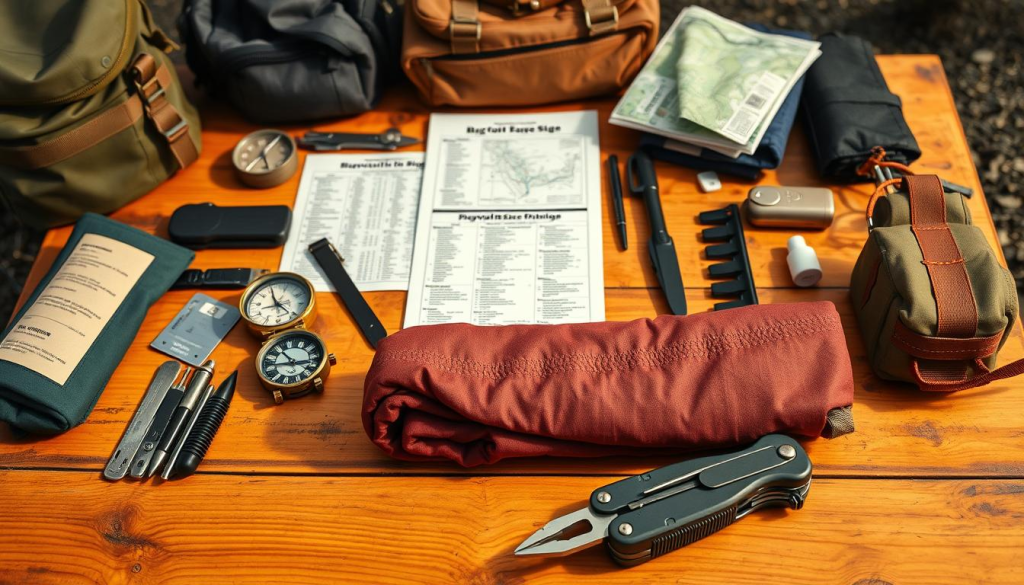
By considering these factors and understanding how they impact your needs, you can make an informed decision about the ideal size for your bug out bag. Whether you’re preparing for a short-term emergency or a longer-term situation, choosing the right size bag is crucial for effective preparedness.
Common Bug Out Bag Sizes Explained
Bug out bags come in various sizes, each designed to cater to different needs and scenarios, making it essential to choose the right one. Understanding the various sizes available can help you prepare for emergencies more effectively.
The sizes of bug out bags can significantly impact your ability to carry the necessary gear. The three main categories are small, medium, and large, each with its own set of characteristics and uses.
Small (10-20 liters)
Small bug out bags, typically ranging from 10 to 20 liters, are ideal for short trips or for individuals who pack lightly. These bags are perfect for minimalist packers who only carry the essentials.
Medium (30-50 liters)
Medium-sized bug out bags, usually between 30 to 50 liters, are suitable for 72-hour bug outs. They offer a balance between mobility and capacity, making them a popular choice for many preppers.
Large (60+ liters)
Large bug out bags, which are 60 liters or more, are designed for extended trips or for individuals who require a significant amount of gear. These bags are often used in scenarios where more supplies are necessary.
When selecting a bug out bag, it’s crucial to consider the specific needs of the individual or group. Factors such as the duration of your stay, the number of people in your group, and the type of environment you’re in can all influence the size of the bag you need.
By understanding the different sizes available and their respective uses, you can make an informed decision about the best bug out bag size for survival and ensure you’re prepared for any situation.
What to Pack Based on Bag Size
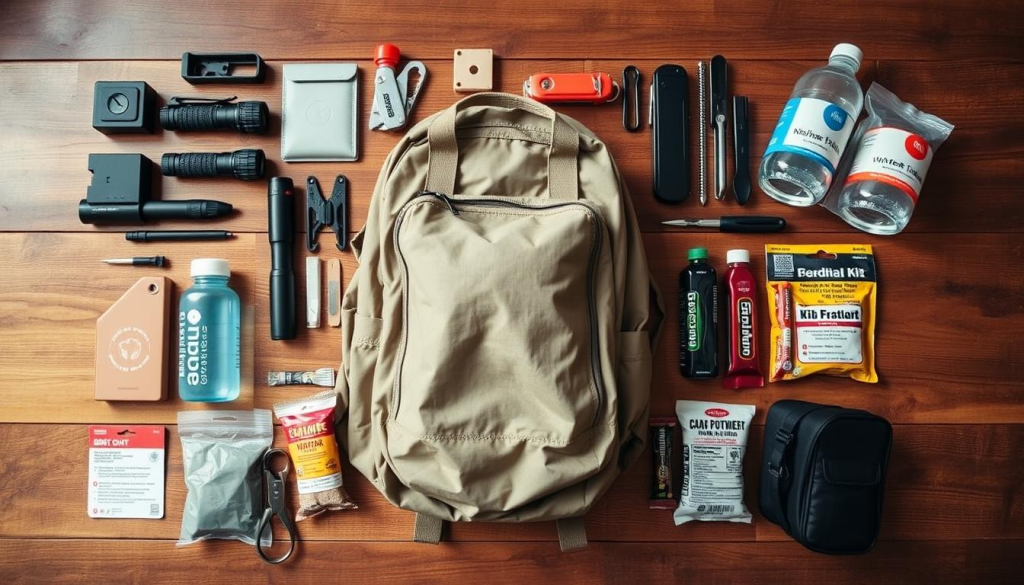
When preparing a bug out bag, the size of the bag significantly influences the type and amount of gear that can be packed. The right packing strategy depends on understanding the capacity of your bag and the essentials it needs to hold.
Essential Items for Small Bags
For small bug out bags (10-20 liters), it’s crucial to pack lightly and prioritize essentials. These bags are ideal for short trips or emergencies where mobility is key. Essential items include:
- Water purification tablets or a portable filter
- Non-perishable food
- First aid kit
- Multi-tool or pocket knife
- Lightweight shelter or emergency blanket
Must-Haves for Medium Bags
Medium bug out bags (30-50 liters) offer more space for additional supplies, making them suitable for longer trips or for individuals who need more gear. Must-haves for these bags include:
- All the essentials for small bags
- Extra clothing and layers for different weather conditions
- Sleeping bag or bedroll
- Cooking equipment, such as a portable stove or camping grill
- Personal hygiene items
Complete Guides for Large Bags
Large bug out bags (60+ liters) provide ample space for extensive packing, making them ideal for long-term survival situations or for groups. A complete guide for packing these bags includes:
- All the must-haves for medium bags
- Additional food supplies and water storage
- Comprehensive first aid kit
- Detailed maps and navigation tools
- Communication devices, such as a satellite phone or two-way radio
Determining the ideal bug out bag capacity and understanding how to choose bug out bag size are critical steps in preparing for emergencies. By packing according to the size of your bag, you can ensure that you are well-prepared for any situation.
How to Measure Your Bug Out Bag Size
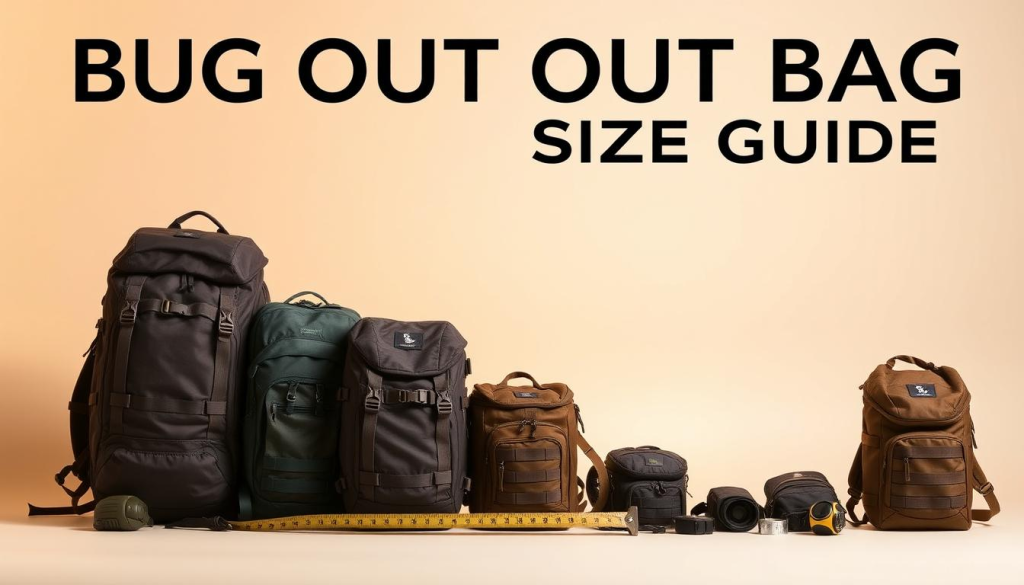
Accurately measuring your bug out bag size is essential for effective preparedness. When it comes to survival, having the right-sized bag can make all the difference.
Tips for Choosing the Right Size
To choose the right size bug out bag, consider the duration of your stay, the number of people in your group, and the type of environment you’ll be in. For instance, a longer stay requires a larger bag to carry more supplies.
Key considerations include:
- Duration of your stay
- Number of people in your group
- Type of environment
Measuring Technique for Bags
Measuring your torso length and hip size can help determine the correct size bag. According to the article “4 Steps To Sizing Your Bug Out Bag Backpack Correctly,” this technique is highly effective.
The steps to measure your torso length include:
- Stand up straight with your arms at your sides
- Have someone measure from the base of your neck to the top of your hip
- Use this measurement to compare with the manufacturer’s size chart
Analyzing Capacity vs. Volume
Understanding the difference between capacity and volume is crucial. Capacity refers to the amount of gear you can fit inside, while volume refers to the overall size of the bag.
When analyzing capacity vs. volume, consider:
| Capacity | Volume |
|---|---|
| Amount of gear that can fit inside | Overall size of the bag |
| Influenced by the number of compartments and pockets | Influenced by the bag’s dimensions and shape |
By considering these factors and using the right measuring techniques, you can find the optimal bug out bag dimensions for your needs.
Popular Bug Out Bag Brands and Their Sizes
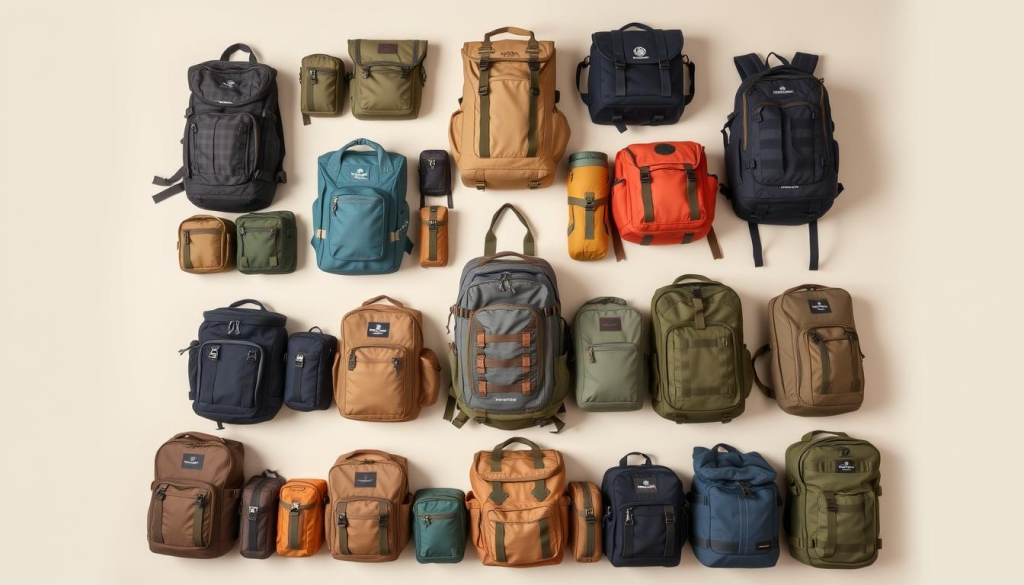
Selecting a bug out bag from reputable brands like 5.11, Deuter, or Osprey ensures quality and the right size for your needs. When it comes to determining bug out bag volume, these brands offer a range of sizes to suit different scenarios.
Overview of Top Brands
Top brands in the bug out bag market are known for their durability, comfort, and versatility. 5.11 is renowned for its tactical gear, Deuter for its hiking backpacks, and Osprey for its innovative designs. Each brand offers a variety of sizes, making it easier to find the perfect bug out bag dimensions for your specific needs.
Size Specifications by Brand
Understanding the size specifications of each brand is crucial. Here’s a comparison table:
| Brand | Small Size (liters) | Medium Size (liters) | Large Size (liters) |
|---|---|---|---|
| 5.11 | 20-30 | 30-40 | 40-60 |
| Deuter | 25-35 | 35-45 | 45-65 |
| Osprey | 22-32 | 32-42 | 42-62 |
Customer Reviews on Size and Fit
Customer reviews play a significant role in bug out bag size determination. Many users praise 5.11 for its compact designs, Deuter for spaciousness, and Osprey for comfort. Reviews often highlight the importance of trying out the bag before purchasing to ensure the right fit.
By considering the size specifications and customer feedback from these top brands, you can make an informed decision about your bug out bag, ensuring it meets your needs for size and functionality.
Customizing Your Bug Out Bag Size
Customizing your bug out bag size is crucial for ensuring it meets your specific needs. According to the article “4 Steps To Sizing Your Bug Out Bag Backpack Correctly,” modifying a standard bag or adding pack extensions can help create a personal fit.
Modifying Standard Bags
Modifying a standard bug out bag can be an effective way to achieve the ideal size. This can involve adding or removing compartments, adjusting the bag’s suspension system, or using pack compression straps to tighten or loosen the bag’s capacity.
Options for Pack Extensions
For situations where a standard bag is not sufficient, pack extensions can provide additional capacity. These extensions can be in the form of detachable pouches or expandable compartments. They allow you to increase the bag’s volume when needed and reduce it when not in use.
| Modification Type | Description | Benefits |
|---|---|---|
| Compartment Adjustment | Adding or removing internal compartments | Improved organization, customizable space |
| Pack Extensions | Adding detachable pouches or expandable compartments | Increased capacity, flexibility |
| Suspension System Adjustment | Adjusting the bag’s suspension for a better fit | Enhanced comfort, reduced fatigue |
Creating a Personal Fit
Creating a personal fit involves understanding your specific needs and adjusting the bag accordingly. Consider factors such as the duration of your stay, the number of people in your group, and the type of environment you will be in. By tailoring your bug out bag to these factors, you can ensure that it is the right size for your needs.
By customizing your bug out bag size, you can ensure that it is neither too large nor too small for your needs. This not only enhances your mobility but also improves your overall preparedness for any situation.
The Importance of Testing Your Bug Out Bag
To ensure your bug out bag is optimal for survival, conducting a thorough test is necessary. Testing your bug out bag is crucial because it helps identify any issues with the bag’s size, comfort, and gear storage. By doing so, you can make necessary adjustments to ensure it meets your specific needs.
Conducting a Trial Run
Start by packing your bug out bag with the essential items you think you’ll need. Then, wear the bag for an extended period to assess its comfort and mobility. This trial run will help you understand how the bag performs in real-life conditions. Pay attention to any discomfort or strain caused by the bag’s weight or design.
What to Look For During Testing
During the trial run, consider factors such as comfort, mobility, and accessibility. Check if the bag’s straps and back support are comfortable, if you can move freely without restriction, and if you can easily access the items you need. Make a note of any issues you encounter, such as inadequate gear storage or poor weight distribution.
Adjustments After Testing
After testing your bug out bag, make the necessary adjustments to ensure it meets your needs. This might involve rearranging the gear, adding or removing items, or modifying the bag itself. The goal is to achieve a best bug out bag size for survival that is both comfortable and functional.
By testing and adjusting your bug out bag, you can determine the optimal bug out bag volume for your specific situation, ensuring you’re prepared for any survival scenario.
Storing Your Bug Out Bag Properly
Proper storage of your bug out bag is crucial for maintaining its condition and readiness. When not in use, your bug out bag should be stored in a way that preserves its contents and keeps it easily accessible.
Best Storage Practices
To store your bug out bag effectively, consider the environment where it will be kept. Choose a cool, dry place away from direct sunlight to prevent damage to the materials and contents. A closet or underbed storage can be ideal, provided the area is not prone to moisture or extreme temperatures.
It’s also beneficial to store your bug out bag in a protective case or cover to shield it from dust and potential pests. This extra layer of protection can help maintain the bag’s quality and functionality.
Avoiding Damage to Your Gear
Avoiding damage to your gear is critical when storing your bug out bag. Regularly inspect your bag and its contents for signs of wear or damage. Ensure that all items are clean and dry before storing them to prevent mold or corrosion.
Using protective cases or bags for sensitive equipment can further safeguard your gear. This is particularly important for electronic devices and medical supplies, which can be sensitive to environmental conditions.
Keeping Your Bag Ready to Go
To keep your bug out bag ready for use, regularly check and update its contents. This includes checking expiration dates of food and medical supplies, ensuring that batteries are charged, and verifying that all equipment is in working order.
Conduct periodic inspections to ensure that your bug out bag remains fully stocked and that all items are still usable. This practice will help you identify any needs for replacement or replenishment.
Conclusion: Finding Your Perfect Bug Out Bag Size
Choosing the right bug out bag size is crucial for survivalists and outdoor enthusiasts. The optimal bug out bag dimensions can make a significant difference in emergency situations.
Key Considerations
To determine the best bug out bag size for survival, consider the individual’s size and fitness level, the duration of the bug out, and the type of environment. These factors will help you decide on the ideal bag size.
Final Tips
When selecting a bug out bag, consider the size, material, and comfort of the bag, as well as the type of gear that will be carried. Ensuring the bag meets your specific needs is vital for optimal bug out bag dimensions.
By carefully considering these factors and choosing a bag that meets your needs, you can ensure that you are prepared for any situation. The best bug out bag size for survival is one that balances capacity with mobility and comfort.