
A reliable knife is a crucial component of any emergency prep kit, serving as a versatile tool in survival situations.
In a crisis, a high-quality knife can be used for a variety of tasks, from cutting and self-defense to more specialized techniques like batoning and feathering.
Top experts agree that a great survival knife is a must-have item in your survival kit, providing a means to adapt to challenging environments.
Key Takeaways
- A reliable knife is essential for emergency preparedness.
- It serves multiple purposes, including cutting and self-defense.
- Specialized techniques like batoning and feathering are made possible with a high-quality knife.
- Top experts curate the best choices for survival knives.
- A great survival knife is a must-have in your survival kit.
What is a Bug Out Bag Knife?
A bug out bag knife is more than just a simple cutting instrument; it’s a vital piece of survival equipment. In emergency situations, this tool can be indispensable for a variety of tasks, from cutting through debris to preparing food.
Definition and Purpose
A bug out bag knife is specifically designed for inclusion in a bug out bag or emergency kit. Its primary purpose is to provide a reliable means of performing various tasks that may arise during an emergency or survival situation. The design and functionality of these knives are centered around durability, versatility, and ease of use.
Differences from Regular Knives
Unlike regular knives, bug out bag knives are engineered with survival and emergency situations in mind. They often feature robust construction, using materials that can withstand harsh conditions. The blade design may include serrations for cutting through tough materials or a straight edge for precision cutting. Additionally, the handle is designed for secure grip, even in wet or bloody conditions.
The differences from regular knives lie in their enhanced durability, specific design features tailored for survival tasks, and the overall reliability they offer in critical situations. When choosing a bug out bag knife, it’s essential to consider these factors to ensure you’re equipped with the best bug out bag knife for your needs.
Key Features to Look For
A bug out bag knife is an essential tool that requires careful consideration of several key features. When selecting a knife for your emergency kit, there are several factors to evaluate to ensure you have a reliable and effective tool.
Blade Material
The material used for the blade is critical, as it affects the knife’s durability, sharpness, and resistance to corrosion. Common materials include:
- Stainless Steel: Known for its resistance to corrosion and ease of maintenance.
- High Carbon Steel: Offers superior sharpness and edge retention but requires more maintenance.
- Tool Steel: Balances hardness and flexibility, making it suitable for heavy-duty tasks.
The choice of blade material depends on your specific needs and preferences regarding maintenance and performance.
Handle Design
The handle design is crucial for the comfortable and secure use of the knife. Factors to consider include:
- Ergonomics: A well-designed handle fits comfortably in your hand, reducing fatigue.
- Material: Handles can be made from various materials, such as rubber, metal, or synthetic materials, each offering different benefits in terms of grip and durability.
- Texture: A textured handle provides a secure grip, even in wet or bloody conditions.
Size and Weight
The size and weight of the knife are important for its portability and usability. A balance must be struck between a knife that is large enough to be useful but small and light enough to be carried comfortably.
| Size | Weight | Portability | Usability |
|---|---|---|---|
| Small (under 3 inches) | Light | High | Limited |
| Medium (3-5 inches) | Moderate | Good | Versatile |
| Large (over 5 inches) | Heavy | Low | High |
Sheath Options
A suitable sheath is essential for safely carrying the knife. Sheath materials and designs vary, offering different levels of protection and accessibility.
- Material: Common sheath materials include leather, nylon, and Kydex, each with its own advantages.
- Attachment Options: Consider how the sheath can be attached to your belt or bag for easy access.
Choosing the right sheath is as important as selecting the knife itself, ensuring that your bug out bag knife is always ready when needed.
Top Bug Out Bag Knife Brands
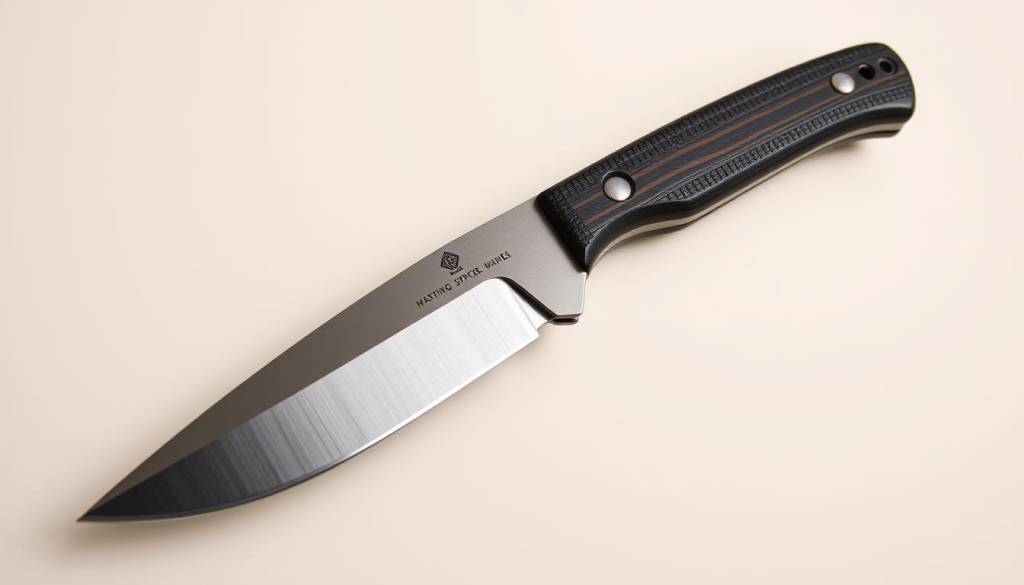
For those looking to invest in a reliable bug out bag knife, certain brands have established themselves as leaders in the industry. These brands have built their reputation on producing high-quality knives that can withstand the rigors of outdoor and emergency use.
KA-BAR
KA-BAR is a well-respected name in the world of knives, known for their durable and versatile products. Their knives are often praised for their robust construction and ergonomic design.
Notable Model: KA-BAR Becker BK2 Campanion – This fixed blade knife is celebrated for its ruggedness and utility, making it a popular choice among outdoor enthusiasts.
Benchmade
Benchmade is renowned for its high-quality folding knives that are both functional and durable. Their products often feature advanced materials and ergonomic designs.
Notable Model: Benchmade Bugout – A lightweight, compact folding knife that is ideal for bug out bags due to its ease of carry and reliability.
ESEE Knives
ESEE Knives specializes in producing high-quality, durable knives designed for tactical and survival use. Their products are known for their rugged construction and attention to detail.
Notable Model: ESEE-6 – A fixed blade knife that is highly regarded for its durability and versatility in various survival situations.
Gerber
Gerber is a well-known brand that offers a wide range of knives, from folding knives to fixed blades. They are appreciated for their quality, innovation, and affordability.
Notable Model: Gerber StrongArm – A fixed blade knife that is praised for its robust design and value for money, making it a popular choice for bug out bags.
| Brand | Notable Model | Key Features |
|---|---|---|
| KA-BAR | Becker BK2 Campanion | Rugged construction, ergonomic design |
| Benchmade | Bugout | Lightweight, compact, reliable |
| ESEE Knives | ESEE-6 | Durable, versatile, survival-focused |
| Gerber | StrongArm | Robust design, affordable, high-quality |
When choosing a bug out bag knife, considering the reputation of the brand and the quality of their products is crucial. The brands mentioned above have proven themselves to be reliable and trustworthy in the industry.
Best Folding Knives for Bug Out Bags
For those looking to include a reliable knife in their bug out bag, folding knives offer several advantages. Their compact design and versatility make them a popular choice among outdoor enthusiasts and emergency preparedness advocates.
Advantages of Folding Knives
Folding knives are prized for their convenience and compactness. Unlike fixed blade knives, they can be easily carried in a pocket or bag without the risk of accidental cuts. This feature is particularly valuable in a bug out bag scenario, where space and safety are paramount.
Another significant advantage of folding knives is their versatility. Many models come with additional features such as screwdrivers, bottle openers, and saw blades, enhancing their utility in various survival situations.
Top Folding Knife Recommendations
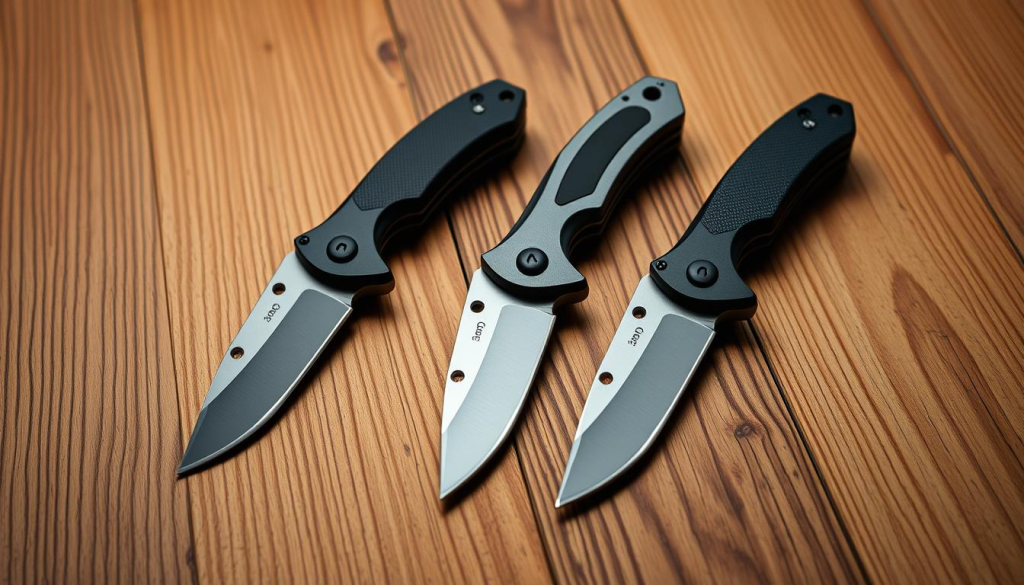
When selecting a folding knife for your bug out bag, it’s essential to consider factors like durability, ease of use, and blade quality. Here are some top recommendations:
- The Benchmade Mini Barrage is known for its robust construction and smooth folding mechanism.
- The Buck 110 is a highly regarded folding knife that offers excellent value for its price.
- Other notable mentions include the Spyderco Paramilitary and the CRKT M16.
These knives have been chosen for their reliability, durability, and performance. When choosing a folding knife for your bug out bag, consider your specific needs and preferences to ensure you select a model that will serve you well in emergency situations.
Best Fixed Blade Knives for Bug Out Bags
A fixed blade knife is often considered the backbone of any bug out bag, offering strength and reliability in critical situations. When preparing for emergencies, it’s essential to understand the benefits and top recommendations for fixed blade knives.
Why Choose Fixed Blade Knives
Fixed blade knives are preferred by many preppers due to their durability and effectiveness. Unlike folding knives, fixed blade knives do not have moving parts that can fail, making them more reliable in harsh conditions. They are also generally stronger, capable of handling more demanding tasks such as chopping wood or cutting through thick materials.
Key advantages of fixed blade knives include:
- Enhanced Strength: Fixed blade knives are typically made from a single piece of metal, making them stronger than their folding counterparts.
- Reliability: Without hinges or other moving parts, fixed blade knives are less likely to fail when needed.
- Versatility: They can be used for a variety of tasks, from cutting and chopping to prying and digging.
Top Fixed Blade Knife Recommendations
Several fixed blade knives stand out for their quality and performance in bug out bag scenarios. Some of the top recommendations include:
- Gerber StrongArm: Known for its rugged design and diamond-textured black handle, the Gerber StrongArm is a versatile and reliable choice.
- ESEE Izula: The ESEE Izula is praised for its durability and effectiveness, featuring a robust blade designed for heavy-duty tasks.
- KA-BAR Becker BK2: This knife is renowned for its strength and versatility, making it a popular choice among outdoor enthusiasts.
When selecting a fixed blade knife for your bug out bag, consider factors such as blade material, handle design, and overall durability to ensure you choose a knife that meets your needs.
Multi-Function Tools vs. Dedicated Knives
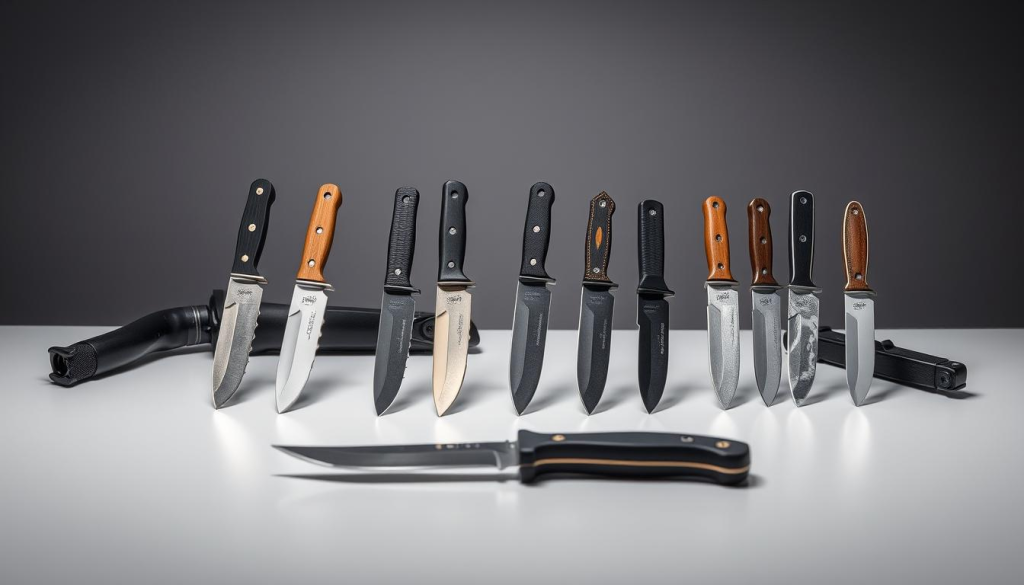
Selecting the right tool for your bug out bag involves weighing the benefits of multi-function tools against dedicated knives. Both options have their advantages and disadvantages, which are crucial to understand for making an informed decision.
Benefits of Multi-Tools
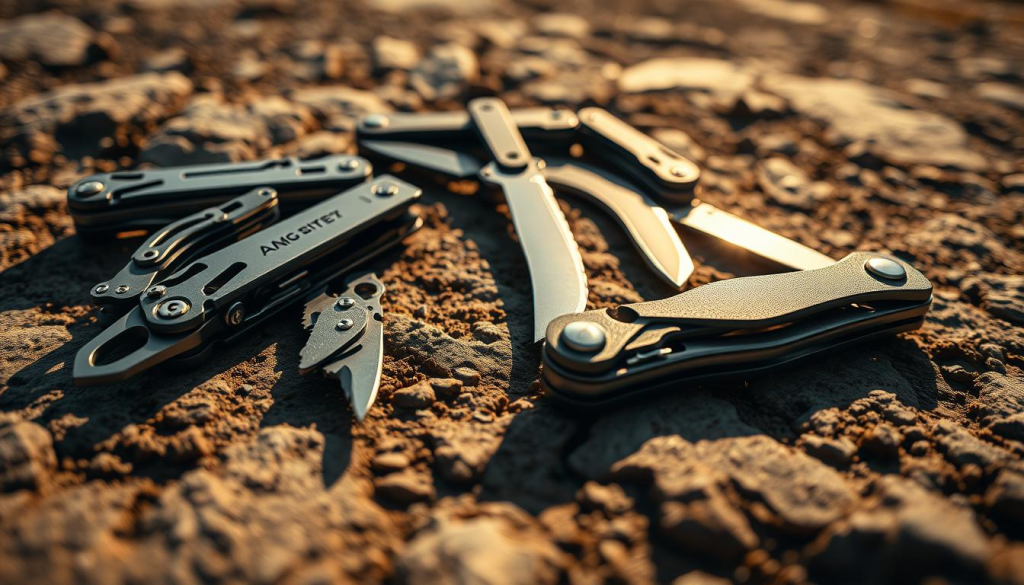
Multi-function tools offer versatility and convenience, combining several functions into one device. This can include knives, pliers, screwdrivers, and more, making them a practical choice for a bug out bag.
- Space-saving: Multi-tools can replace multiple items, reducing the overall weight and size of your bug out bag.
- Adaptability: With various functions, you’re better equipped to handle different tasks and emergencies.
When to Choose a Dedicated Knife
Dedicated knives, on the other hand, provide simplicity and focus on a single task—cutting. They are typically more robust and reliable than the knife component of a multi-tool.
| Feature | Dedicated Knife | Multi-Tool |
|---|---|---|
| Primary Function | Cutting | Multiple tasks |
| Reliability | High | Variable |
| Space Efficiency | Compact | Very Compact |
Ultimately, the choice between a multi-function tool and a dedicated knife for your bug out bag depends on your specific needs and preferences. If you prioritize versatility and are likely to use multiple functions, a multi-tool might be the better choice. However, if cutting is your primary concern and you value simplicity and reliability, a dedicated knife is likely the way to go.
Maintenance Tips for Your Bug Out Bag Knife
Proper maintenance of your bug out bag knife is crucial for its longevity and effectiveness in emergency situations. A well-maintained knife not only performs better but also lasts longer, making it a reliable tool when you need it most.
Cleaning and Sharpening
Cleaning your bug out bag knife regularly is vital to prevent the buildup of dirt and grime, which can compromise its functionality. Use mild soap and water to clean the blade and handle, and dry it thoroughly to prevent rust. For more stubborn grime, a soft brush can be used to gently scrub away debris.
Sharpening is another critical aspect of knife maintenance. A dull knife is not only less effective but also more dangerous, as it requires more force to cut, increasing the risk of accidents. Use a sharpening stone or a diamond file to maintain the edge of your knife. For high-carbon knives, a few strokes on a whetstone can restore the edge.
Storing Your Knife Properly
Proper storage is essential to maintain the condition of your bug out bag knife. When not in use, store your knife in a dry place, away from direct sunlight. If your knife comes with a sheath, use it to protect the blade and prevent accidents. For folding knives, ensure they are fully closed before storing to avoid putting unnecessary stress on the mechanism.
- Keep your knife dry to prevent rust.
- Store your knife in a protective sheath if available.
- Avoid storing your knife in humid environments.
By following these simple maintenance tips, you can ensure your bug out bag knife remains in top condition, ready to serve you effectively in any situation.
Legal Considerations for Carrying Knives
The legality of carrying knives varies widely, making it essential to understand the laws in your area. Whether you’re preparing a bug out bag or simply carrying a knife for everyday use, being aware of the legal landscape can help you avoid potential issues.
Understanding Knife Laws in the U.S.
Knife laws in the United States are not uniform; they differ significantly from state to state and even by locality. Some states have strict regulations on the types of knives that can be carried, their blade length, and how they are carried (open or concealed). For instance, certain types of knives, such as switchblades or automatic knives, are heavily regulated or outright banned in some jurisdictions.
To comply with these laws, it’s crucial to research the specific regulations in your state and any areas you plan to visit. This includes understanding the differences between open carry and concealed carry laws, as well as any specific restrictions on knife types and sizes.
Traveling with Knives
Traveling with knives, especially across state lines, requires additional consideration. When flying, the Transportation Security Administration (TSA) has specific guidelines for carrying knives on planes. Generally, knives are not allowed in carry-on bags, except for certain types like plastic or blunt-tipped knives, and even then, there are restrictions.
For road travel, it’s essential to be aware of the knife laws in each state through which you’ll be traveling. Some states have specific laws regarding the transportation of knives, so it’s wise to check these laws before embarking on your journey.
Key Considerations When Traveling with Knives:
- Check local laws regarding knife types and carrying methods.
- Be aware of TSA regulations when flying.
- Research state laws if traveling by car.
By understanding and adhering to these legal considerations, you can ensure that your bug out bag knife is both effective and legally compliant.
How to Use a Bug Out Bag Knife Effectively
To maximize the utility of your bug out bag knife, it’s essential to learn how to use it correctly. A bug out bag knife is a vital tool in emergency situations, and its effectiveness largely depends on the user’s ability to handle it properly.
Basic Cutting Techniques
Mastering basic cutting techniques is fundamental to using your bug out bag knife effectively. Start by practicing different grip styles, such as the hammer grip and the pinch grip, to understand what feels most comfortable and secure for you.
When cutting, maintain a firm grip and use controlled, smooth motions. Avoid applying too much pressure, which can cause the knife to slip. It’s also crucial to keep your fingers curled under and out of the blade’s path. As “The Knife Guide” suggests, “A good cut is not just about the knife, but also about the technique and control of the user.”
Safe Handling Practices
Safe handling practices are just as important as cutting techniques when it comes to using your bug out bag knife. Always be aware of your surroundings and the people around you when handling the knife.
- Keep the knife sheathed when not in use to prevent accidents.
- Regularly inspect your knife for any damage or wear that could affect its performance.
- Store your knife in a secure, accessible location within your bug out bag.
By following these guidelines and practicing regularly, you can ensure that your bug out bag knife is always ready and safe to use when you need it most.
Preparing Your Bug Out Bag with a Knife
A bug out bag isn’t complete without a durable knife that can handle various tasks. When emergencies arise, having the right gear is crucial, and a reliable knife is at the top of the list.
Essential Gear to Include
Alongside a knife, your bug out bag should contain other essential survival items. These include:
- First aid supplies to treat injuries
- Non-perishable food and a means to purify water
- A flashlight or other light source
- Extra batteries and a multi-tool or other utility devices
- Warm clothing and a means to start a fire
Including these items ensures you’re prepared for a variety of situations. Remember, the key to a successful bug out bag is having the right balance of gear without overloading it.
Organizing Your Bug Out Bag
Once you’ve gathered all the necessary items, organizing your bug out bag is the next critical step. Here are some tips:
- Place frequently used items in easy-to-reach locations.
- Use pouches or bags to compartmentalize your gear.
- Keep your knife in a designated, accessible sheath.
- Regularly check and update your bug out bag to ensure everything is in working order.
By carefully preparing and organizing your bug out bag, you’ll be better equipped to handle emergencies. A well-organized bag not only saves time but also reduces stress during critical situations.
Frequently Asked Questions about Bug Out Bag Knives
Bug out bag knives are essential gear for any survival situation, but many questions surround their use. Whether you’re a seasoned outdoorsman or just starting to prepare for emergencies, understanding the ins and outs of these knives is crucial.
Common Misconceptions
One common misconception about bug out bag knives is that they need to be large and intimidating. However, the most effective knives are often those that strike a balance between size, weight, and functionality. A good bug out bag knife should be compact enough to carry easily, yet robust enough to handle various tasks.
Another misconception is that any knife will do. In reality, a bug out bag knife needs to be made from high-quality materials that can withstand harsh conditions. Look for knives with durable blade materials and ergonomic handles that provide a secure grip, even when wet.
Tips for First-Time Buyers
For those buying their first bug out bag knife, the options can be overwhelming. Here are a few tips to consider:
- Assess your needs: Consider the types of tasks you’ll be performing with your knife.
- Research different brands: Look into reputable brands like KA-BAR, Benchmade, and ESEE Knives.
- Read reviews: Check out bug out bag knife reviews from other users to get a sense of how a particular knife performs in real-world situations.
Additionally, consider the legal implications of carrying a knife in your area. Understanding local knife laws can help you make an informed decision and avoid potential issues.
Conclusion: Choosing the Right Bug Out Bag Knife
Selecting the ideal bug out bag knife depends on several factors, including intended use, personal preference, and budget. By understanding these elements, you can make an informed decision.
Key Considerations
When choosing a bug out bag knife, consider the blade material, handle design, size, and weight. Top brands like KA-BAR, Benchmade, ESEE Knives, and Gerber offer high-quality options. Whether you prefer a folding or fixed blade knife, ensure it meets your needs.
Final Thoughts
The right bug out bag knife is one that is reliable, durable, and suitable for your emergency preparedness plan. By summarizing the key features and top recommendations, you can confidently select a knife that will serve you well in critical situations.
For a top bug out bag knife, consider your specific needs and preferences, and choose a knife that aligns with your bug out bag strategy.