
In emergency situations, having the right survival gear can be a matter of life and death. A bug out bag is a portable kit that contains essential items for survival, and a firearm is a crucial component for self-defense.
Including a gun in your emergency kit can provide a sense of security and protection. It’s essential to understand the importance of selecting the right firearm and knowing how to use it effectively.
This article will explore the critical role of a bug out bag gun in emergency situations, providing insights into preparing your survival gear.
Key Takeaways
- Understanding the importance of a bug out bag in emergency situations
- The role of a firearm in self-defense
- How to select the right gun for your bug out bag
- Tips for effectively using a firearm in emergency situations
- Additional survival gear to complement your bug out bag gun
Understanding the Concept of a Bug Out Bag
The concept of a bug out bag is simple: a portable collection of essential items to help you survive during emergencies. This bag is designed to be taken with you in case you need to evacuate quickly, providing you with the necessary tools to survive for a certain period.
What is a Bug Out Bag?
A bug out bag, also known as a 72-hour kit, is a bag that contains all the essential items you need to survive for at least 72 hours. It typically includes emergency survival gear such as food, water, first aid supplies, and means of communication. The idea is to have everything you need in one place, so you can grab it quickly and leave.
The contents of a bug out bag can vary depending on your specific needs and the types of emergencies you are preparing for. However, some common items include non-perishable food, a water filter, a first aid kit, and a means of self-defense.
Why Prepare a Bug Out Bag?
Preparing a bug out bag is crucial in today’s uncertain world. Natural disasters, personal threats, and other emergencies can occur at any time, and having a well-stocked bug out bag can be a lifesaver. It allows you to respond quickly and effectively, ensuring your safety and the safety of your loved ones.
Some of the key reasons to prepare a bug out bag include:
- Having essential supplies readily available
- Being able to evacuate quickly in case of an emergency
- Surviving for an extended period without external support
By preparing a bug out bag, you are taking a proactive step towards ensuring your safety and the safety of those around you.
| Essential Items | Description |
|---|---|
| Water and Food | Non-perishable food and a means of purifying water |
| First Aid Kit | A collection of medical supplies for treating injuries |
| Means of Communication | A phone, radio, or other device for staying informed |
| Self-Defense | A firearm or other means of protecting yourself |
Having a well-stocked bug out bag is an important part of disaster preparedness supplies. By understanding what a bug out bag is and why it’s crucial, you can take the necessary steps to prepare for any emergency.
Importance of Firearms in Survival Situations
The significance of firearms in emergency situations is multifaceted, encompassing self-defense against threats and hunting for sustenance. In a survival context, having the right firearm can be a decisive factor between safety and danger.
Self-Defense Against Threats
In survival situations, the primary concern is often personal safety. Tactical firearms can serve as an effective self-defense weapon, deterring potential threats and providing a means to protect oneself and loved ones.
The choice of firearm for self-defense is critical. Factors such as ease of use, reliability, and firepower must be considered. Handguns, for instance, are popular for self-defense due to their portability and ease of handling.
Hunting for Food
Besides self-defense, firearms are also crucial for hunting, providing a means to obtain food in survival situations. Rifles, with their accuracy and range, are often preferred for hunting larger game.
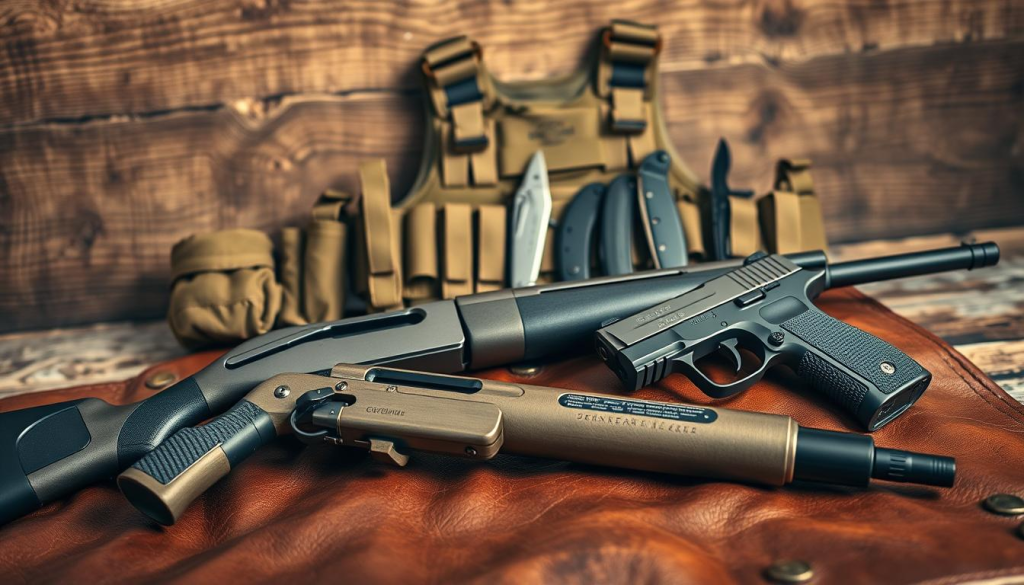
When selecting a firearm for hunting, considerations include the type of game being hunted and the terrain in which the hunting will take place. The table below outlines some common types of firearms used for hunting and their characteristics.
| Firearm Type | Caliber | Effective Range |
|---|---|---|
| Rifle | .223 Remington | Up to 500 yards |
| Shotgun | 12-gauge | Up to 100 yards |
| Handgun | .45 ACP | Up to 50 yards |
Understanding the capabilities and limitations of different firearms is essential for effective hunting and self-defense. Regular practice and training are also crucial to ensure proficiency with the chosen firearm.
Choosing the Right Firearm for Your Bug Out Bag
The right firearm can be a lifesaver in a survival situation, making it essential to choose wisely for your bug out bag. When deciding on a firearm, several factors come into play, including the type of firearm, its intended use, and personal comfort with the weapon.
For prepper essentials, the debate often centers around handguns versus rifles. Each has its advantages and disadvantages, which are crucial to understand when making your decision.
Handguns vs. Rifles
Handguns are typically more concealable and easier to maneuver in tight spaces, making them a popular choice for self-defense. However, they generally have less firepower and range compared to rifles.
Rifles, on the other hand, offer greater accuracy and range, making them ideal for hunting and longer-range engagements. They are, however, often bulkier and may require more skill to handle effectively.
Top Considerations for Selection
When choosing an emergency kit firearm, several key considerations come into play:
- Purpose: Will the firearm be primarily for self-defense, hunting, or both?
- Environment: Consider the terrain and environment in which you’ll most likely be using the firearm.
- Comfort and Familiarity: It’s crucial to choose a firearm you’re comfortable handling and have received training with.
- Size and Weight: The firearm should be compact and light enough to be carried comfortably in your bug out bag.
- Ammunition: Consider the availability and type of ammunition for your chosen firearm.
By carefully weighing these factors, you can make an informed decision that best suits your needs and enhances your overall preparedness.
Essential Accessories for Bug Out Bag Guns
To ensure your emergency bug out arsenal is effective, you need to focus on the right accessories. A well-prepared wilderness survival gun requires more than just the firearm itself; it demands a set of complementary accessories that enhance its utility and reliability in survival situations.
One of the critical aspects of maintaining your bug out bag gun is proper ammunition storage. This not only ensures that your ammunition remains in good condition but also makes it easily accessible when needed.
Ammunition Storage Solutions
Effective ammunition storage is crucial for the reliability of your firearm. Here are some solutions:
- Ammunition Boxes: Durable, waterproof boxes that protect your ammunition from the elements.
- Magazine Pouches: Pouches designed to carry extra magazines, keeping them organized and within reach.
- Ammunition Bandoliers: Bandoliers that allow you to carry ammunition in a convenient and accessible manner.
As noted by survival expert, “Ammunition is just as important as the firearm itself. Proper storage can be the difference between a successful hunt and going hungry.” –
| Storage Solution | Capacity | Water Resistance |
|---|---|---|
| Ammunition Box | 100 rounds | Yes |
| Magazine Pouch | 3 magazines | Yes |
| Ammunition Bandolier | 50 rounds | Partial |
Cleaning Kits and Maintenance Tools
Regular maintenance is key to ensuring your firearm remains in working condition. A cleaning kit should include:
- Cleaning Rod: For pushing patches and brushes through the barrel.
- Brushes: Various brushes for different parts of the firearm.
- Patches: For cleaning the barrel and other parts.
- Lubricant: To keep moving parts well-lubricated.
By focusing on these essential accessories, you can ensure that your bug out bag gun remains a reliable component of your emergency bug out arsenal.
Legal Considerations for Carrying Firearms
Carrying a firearm, especially in the context of a bug out bag, involves navigating a complex web of federal and state laws. Understanding these regulations is crucial for avoiding legal issues and ensuring that you remain compliant with all applicable laws.
Federal Laws to Know
At the federal level, there are several laws that govern the carrying of firearms. One of the key pieces of legislation is the Firearm Owners Protection Act (FOPA), which outlines the rights of firearm owners and the regulations surrounding the transportation of firearms across state lines.
It’s also important to be aware of the laws regarding the transportation of firearms in vehicles, as these can vary depending on whether you are traveling across state lines. Familiarizing yourself with these federal laws is a critical step in ensuring that you are in compliance.
State-Specific Regulations
In addition to federal laws, each state has its own set of regulations regarding the carrying of firearms. Some states have shall-issue laws, which require authorities to issue a concealed carry permit if certain conditions are met, while others have may-issue laws, which give authorities more discretion.
For instance, states like Arizona and Alaska have more lenient laws regarding the carrying of firearms, while states like California and New York have stricter regulations. It’s essential to research and understand the specific laws of the states you frequent or plan to visit.

When preparing your bug out bag, it’s not just about including a self-defense weapon; it’s also about understanding the legal framework that governs its use. Staying informed about both federal and state laws will help you make informed decisions and avoid potential legal pitfalls.
Packing Your Bug Out Bag Gun: Tips and Tricks
Packing a bug out bag with a firearm requires careful consideration of several key factors to ensure that it is both accessible and comfortable to carry.
Weight Distribution and Accessibility
When packing your bug out bag gun, it’s crucial to consider the distribution of weight. A well-balanced bag is easier to carry over long distances, reducing fatigue and increasing mobility. The firearm should be positioned in a way that it is easily accessible without having to unpack the entire bag.
Tips for Weight Distribution:
- Place the heaviest items, such as ammunition, close to your back.
- Use compartments and pockets to distribute weight evenly.
- Consider using a bag with a reinforced back panel for added support.
Accessibility is also paramount. The bug out bag gun should be in a secure yet easily accessible location. This might involve using a side pocket or a quick-access compartment.
Regularly Updating Contents
The contents of your bug out bag should be regularly reviewed and updated. This includes checking the firearm’s condition, ensuring that ammunition is not expired, and that all other survival gear is in working order.
| Item | Check Interval | Action |
|---|---|---|
| Firearm | Monthly | Clean and lubricate |
| Ammunition | Every 6 months | Check expiration dates, rotate stock |
| First Aid Kit | Every 3 months | Check expiration dates, replenish supplies |
Training and Proficiency with Your Firearm
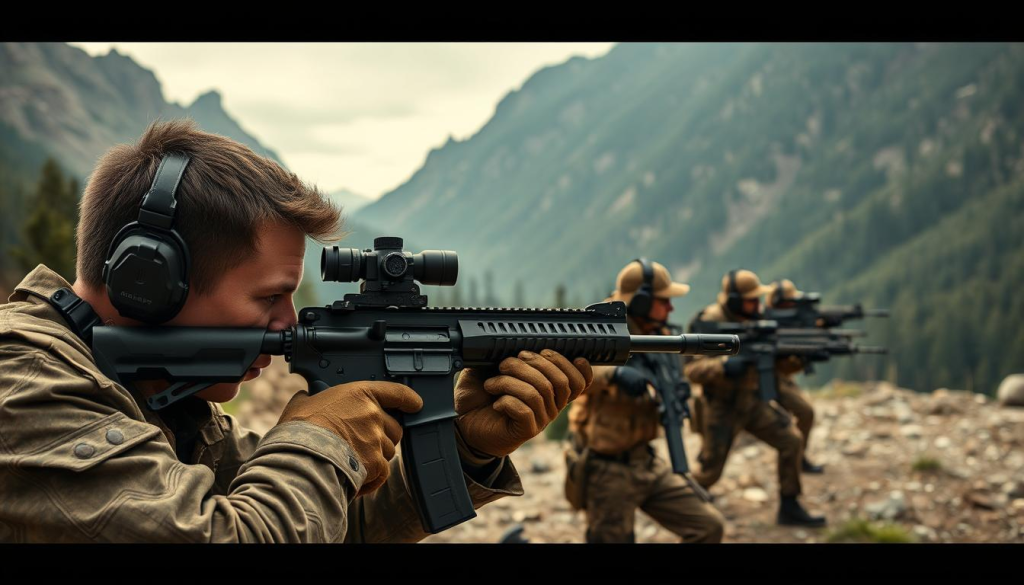
The key to confidently handling your firearm during emergencies lies in consistent practice and training. To be truly prepared, you must be proficient not just in the mechanics of your firearm, but also in how to use it effectively under stress.
Importance of Regular Practice
Regular practice is essential to maintain the level of proficiency required for self-defense. It helps in building muscle memory, improving accuracy, and reducing the time taken to react in critical situations. Without regular practice, skills can deteriorate, potentially leading to dangerous consequences.
To maintain and improve your skills, consider the following practice regimen:
- Regular range visits to practice shooting techniques
- Drills that simulate real-life scenarios to improve reaction time
- Mental preparation techniques to handle stress
Recommended Training Resources
To enhance your training, it’s beneficial to utilize a variety of resources. These can include professional training courses, online tutorials, and practice drills designed for tactical firearms.
Some recommended resources include:
| Resource Type | Description | Benefit |
|---|---|---|
| Professional Courses | Hands-on training with certified instructors | Personalized feedback and skill improvement |
| Online Tutorials | Video lessons covering various techniques | Flexible learning at your own pace |
| Practice Drills | Simulated scenarios for practical application | Enhanced reaction time and decision-making |
By incorporating these resources into your training regimen, you can significantly enhance your proficiency with your emergency bug out arsenal.
Creating a Comprehensive Bug Out Plan
Emergency preparedness begins with a solid bug out plan that includes essentialdisaster preparedness supplies. A bug out plan is more than just a list of items to pack; it’s a comprehensive strategy for responding to emergencies.
Assessing potential emergency scenarios is a critical component of a bug out plan. This involves considering various types of disasters, such as natural disasters, power outages, or other crises that could impact your area. By understanding the potential risks, you can tailor your plan to address specific needs.
Assessing Potential Emergency Scenarios
When assessing potential emergency scenarios, consider the following factors:
- The likelihood of different types of disasters in your region
- The potential impact on your home, family, and community
- The resources you would need to respond effectively
For instance, if you live in an area prone to hurricanes, your plan should include preparations for strong winds, flooding, and potential evacuations. As Max Brooks, author of “The Harvard Guide to Survival,” notes, “The key to survival is not just having the right gear, but also having a plan that incorporates that gear effectively.”
“The moment you have in your hands a good plan, you have a better chance of executing it successfully.”
Incorporating Your Bug Out Bag Gun
Your bug out bag gun is a crucial element of youremergency survival gear. When incorporating it into your plan, consider how it will be used in different scenarios. For example, in a self-defense situation, having a firearm can be a vital deterrent. However, it’s also important to consider the legal implications of carrying a firearm during an emergency.
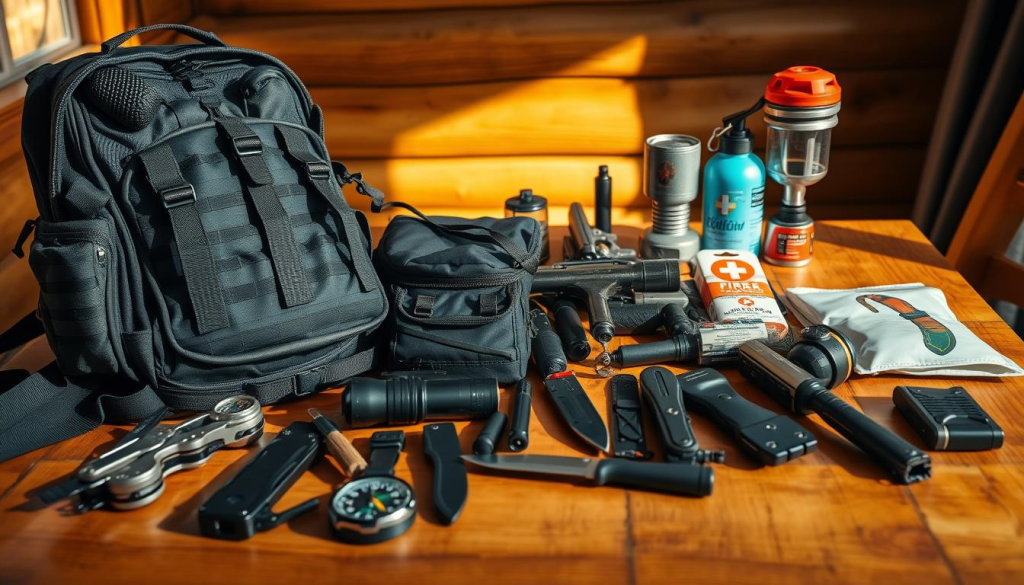
To effectively incorporate your bug out bag gun into your plan, you should:
- Ensure you are proficient in its use through regular practice
- Store it safely and securely when not in use
- Consider the legal requirements for carrying a firearm in your state or region
By integrating your bug out bag gun into your overall bug out plan, you can enhance your preparedness for a range of emergency scenarios.
Common Mistakes to Avoid with Bug Out Bags
When preparing a bug out bag, it’s crucial to avoid common pitfalls that can render your survival gear ineffective. A well-prepared bug out bag is a critical component of any emergency preparedness plan, and understanding the mistakes to avoid can significantly enhance its effectiveness.
Overpacking and Poor Organization
One of the most common mistakes preppers make is overpacking their bug out bags. While it’s essential to be prepared, carrying too much gear can be cumbersome and inefficient. Prioritize the essentials, such as a reliable self-defense weapon, first aid kit, and sufficient food and water for at least 72 hours.
Poor organization is another critical issue. Ensure that your bug out bag is organized in a way that allows you to quickly access the items you need. Use compartments, pouches, and clear labeling to keep your gear in order.
- Use a sturdy backpack with multiple compartments.
- Pack essentials in easily accessible pockets.
- Keep a list of contents and check it regularly.
Ignoring Local Laws
Another significant mistake is failing to comply with local laws regarding firearms and other survival gear. It’s crucial to understand the legal implications of carrying a self-defense weapon in your bug out bag. Research and stay updated on federal and state-specific regulations to avoid legal complications.
- Familiarize yourself with federal laws on firearm transportation.
- Check state-specific regulations on carrying firearms.
- Ensure compliance with laws regarding other survival gear, such as knives and tools.
By avoiding these common mistakes, you can ensure that your bug out bag is both effective and compliant with relevant laws, enhancing your overall preparedness for emergencies.
Final Thoughts: Being Prepared for Any Situation
Building a comprehensive emergency bug out arsenal is crucial for survival in unexpected situations. A well-prepared individual can respond effectively to emergencies, ensuring the safety of themselves and their loved ones.
Confidence Through Preparedness
Having a wilderness survival gun and other essential gear can significantly enhance one’s confidence in the face of uncertainty. Regular training and practice with these tools are vital to ensure proficiency and readiness.
Community Resources and Support
Connecting with like-minded individuals and communities can provide valuable resources and support for those preparing for emergencies. Sharing knowledge and experiences can help build a stronger, more resilient community.
By taking proactive steps to prepare an emergency bug out arsenal, individuals can ensure they are ready for any situation, fostering a sense of security and confidence in the face of uncertainty.