
Being prepared for emergencies is crucial in today’s unpredictable world. A bug out bag, also known as an emergency survival kit, is a portable collection of essential items that can help you survive for at least 72 hours during a disaster or crisis.
Having a well-stocked emergency survival kit is vital for disaster preparedness. It ensures you have the necessary disaster preparedness gear to respond effectively in emergency situations.
The concept behind a bug out bag is simple: to have a readily available kit that contains everything you need to survive and potentially evacuate from a dangerous situation. This guide will help you understand the importance of having such a kit and how to prepare one.
Key Takeaways
- Understand the importance of having a bug out bag.
- Learn the basic components of an emergency survival kit.
- Discover how to prepare your disaster preparedness gear.
- Know the essentials to include in your bug out bag.
- Understand how to maintain and update your kit.
What is a Bug Out Bag?
Understanding the concept of a bug out bag is essential for survival in unexpected situations. A bug out bag, also known as a 72-hour kit, is designed to help individuals evacuate quickly and safely during emergencies.
Definition and Purpose
A bug out bag is a portable collection of essential items that an individual can quickly grab in case of an emergency, allowing them to survive for at least 72 hours. The purpose of a bug out bag is to provide the necessary tools and supplies for self-sufficiency, mobility, and personal safety during crisis situations.
The contents of a bug out bag can vary depending on personal needs, geographical location, and the types of emergencies most likely to occur. However, the core idea remains the same: to be prepared with the bug out bag essentials that can make a significant difference in survival and comfort.
Importance in Emergencies
In emergency situations, having a bug out bag can be a lifesaver. It ensures that one is prepared to evacuate at a moment’s notice, with the necessary supplies to sustain themselves. The importance of a bug out bag lies in its ability to provide:
- Self-sufficiency by including essential supplies like food, water, and first aid kits.
- Mobility by being portable and easy to carry.
- Personal safety through items like flashlights, whistles, and potentially defensive tools.
To further illustrate the importance and the components of a bug out bag, consider the following table that outlines some of the key survival gear list items:
| Category | Essential Items | Importance |
|---|---|---|
| Water and Food | Water bottles, non-perishable food, water purification tablets | High |
| First Aid | First aid kit, bandages, antiseptic wipes | High |
| Shelter and Warmth | Tent, sleeping bag, emergency blanket | High |
| Communication and Light | Flashlight, extra batteries, whistle, cell phone with charger | Medium |
By understanding what a bug out bag is and its significance, individuals can better prepare themselves for emergencies, ensuring their safety and the safety of their loved ones.
Essential Items for Your Bug Out Bag
A well-prepared bug out bag is equipped with vital supplies that can make a significant difference in survival situations. The right equipment can help you navigate through emergencies with more ease and confidence.
Water Supply
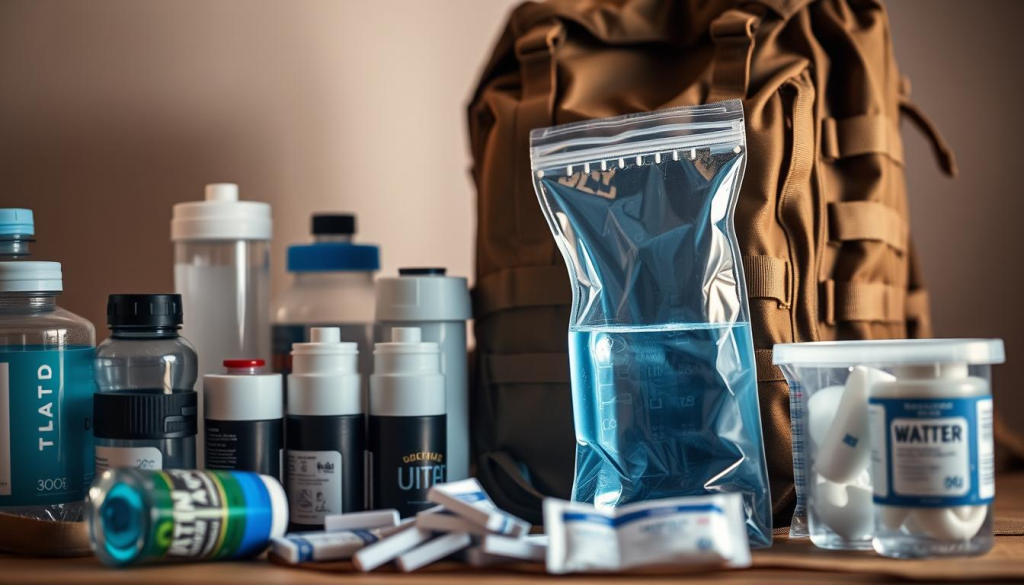
Having an adequate water supply is critical. It’s recommended to store at least one liter of water per person per day for drinking, cooking, and hygiene. Consider including water purification tablets or a portable filter to ensure access to safe drinking water.
Water storage containers should be durable and leak-proof. Options include hydration bladders or collapsible water bottles, which are both efficient and compact.
Food Options
When it comes to food options for your bug out bag, focus on non-perishable, high-calorie items that are easy to prepare. Canned goods, dried fruits, nuts, and MREs (Meals Ready to Eat) are excellent choices. Don’t forget a manual can opener if you include canned food.
Consider the nutritional value and the ease of preparation when selecting food items. Foods that require minimal cooking or can be consumed directly are ideal.
First Aid Kit
A first aid kit is a crucial component of any bug out bag. It should include basic medical supplies such as bandages, antiseptic wipes, pain relievers, and any personal medications. A well-stocked first aid kit can help you treat minor injuries and prevent more serious conditions from developing.
Customize your first aid kit based on your specific needs, including any medical conditions you or your family members may have.
Tools and Equipment
Tools and equipment are vital for a variety of tasks during an emergency. A multi-tool or pocket knife can assist with a range of tasks, from cutting to opening cans. Other useful items include a flashlight, extra batteries, a fire starter, and a whistle to signal for help.
Consider the environment you might be in and pack accordingly. For example, a compact tent or emergency blanket can provide shelter.
Choosing the Right Bag
When it comes to emergency preparedness, having the right bug out bag can make all the difference. A bug out bag, also known as a tactical backpack checklist or emergency evacuation bag, is a crucial component of any emergency preparedness plan.
Selecting the perfect bag involves considering several key factors. The first consideration is the bag’s size and capacity. It should be large enough to hold all your essential items, but not so large that it becomes cumbersome.
Size and Capacity
A good rule of thumb is to choose a bag that can hold around 20-30 liters of gear. This size is typically sufficient for a day or two of survival, depending on your needs.
Material and Durability
The material and durability of the bag are also critical. Look for a bag made from water-resistant and durable materials, such as nylon or polyester. A bag with reinforced stitching and heavy-duty zippers will be able to withstand the rigors of emergency situations.
Comfort and Adjustability
Finally, consider the comfort and adjustability of the bag. A bag with padded shoulder straps and a hip belt can help distribute the weight more evenly, making it more comfortable to wear for extended periods.
By considering these factors, you can choose a bug out bag that meets your needs and helps you stay prepared for any emergency.
Water Filtration and Storage
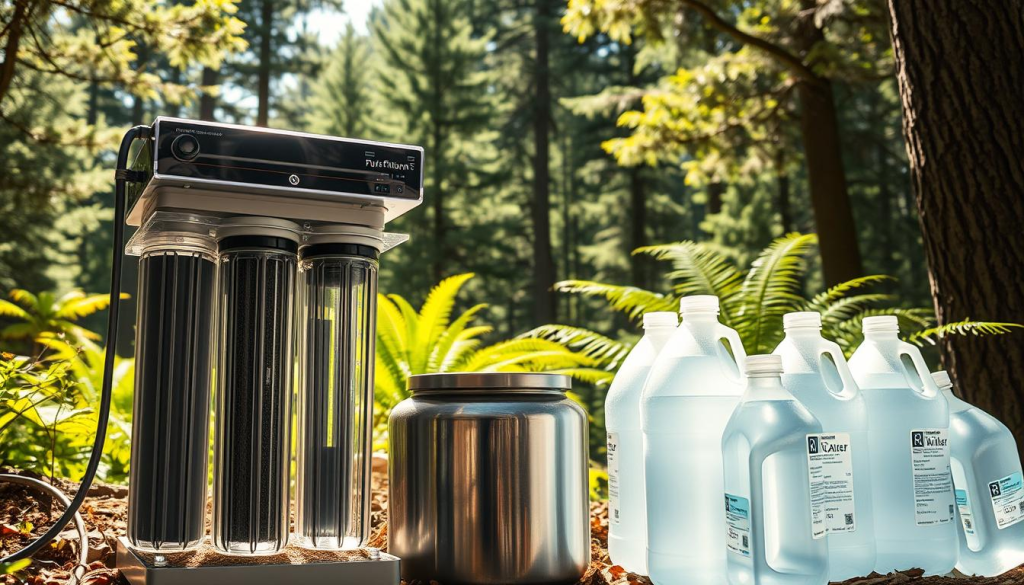
Water filtration and storage are critical components of any survival gear list. Having access to clean drinking water is crucial in emergency situations, and a reliable water filtration system can be the difference between life and death.
Types of Water Filtration
There are several types of water filtration systems available, each with its own advantages. One popular option is the Sawyer Mini, known for its effectiveness and portability. Other systems include gravity-fed filters, ceramic filters, and UV purifiers. When choosing a water filtration system, consider factors such as filter life, flow rate, and the types of contaminants it can remove.
Best Storage Solutions
Once you’ve filtered your water, it’s essential to store it properly. Look for storage containers that are durable, leak-proof, and BPA-free. Collapsible water containers are a great option for saving space in your bug out bag. Additionally, consider using water storage solutions with built-in filters or purification systems for added convenience.
Treating Water Safely
Even with a good filtration system, it’s still important to treat your water safely. Boiling water is one of the most effective methods for killing bacteria and viruses. Alternatively, you can use water purification tablets or liquid chlorine dioxide to disinfect your water. Always follow the manufacturer’s instructions when using these products to ensure your water is safe to drink.
Incorporating a reliable water filtration and storage system into your survival gear list is vital for emergency preparedness. By understanding the different types of filtration systems, storage options, and safe treatment practices, you can ensure access to clean drinking water when it matters most.
Food Choices for Emergency Preparedness
When preparing a bug out bag, selecting the right food is crucial for survival. The ideal emergency food should be high in calories, nutritious, and easy to prepare.
This ensures that you have the energy to respond to emergencies effectively. Long-lasting foods are essential for this purpose.
Long-lasting Foods
These include canned goods like vegetables, fruits, and meats, as well as dried legumes such as beans and lentils. Nuts and seeds are also valuable for their nutritional content and durability.
High-calorie Snacks
High-calorie snacks are vital for maintaining energy levels. Examples include energy bars, dried fruits and nuts, and jerky made from beef, turkey, or vegetarian options.
Portable Cooking Options
Portable cooking options enable you to prepare hot meals. Consider using portable stoves, camping grills, and appropriate cooking fuel.
A comparison of different emergency food options can help in making informed decisions.
| Food Type | Calories per Serving | Shelf Life |
|---|---|---|
| Energy Bars | 200-300 | Up to 2 years |
| Canned Goods | 100-200 | Up to 5 years |
| Dried Fruits and Nuts | 150-250 | Up to 1 year |
First Aid Essentials
First aid essentials are a critical component of any bug out bag, providing the necessary tools to treat injuries and manage medical emergencies. A well-prepared first aid kit can be the difference between a minor issue and a major problem.
Basic Supplies
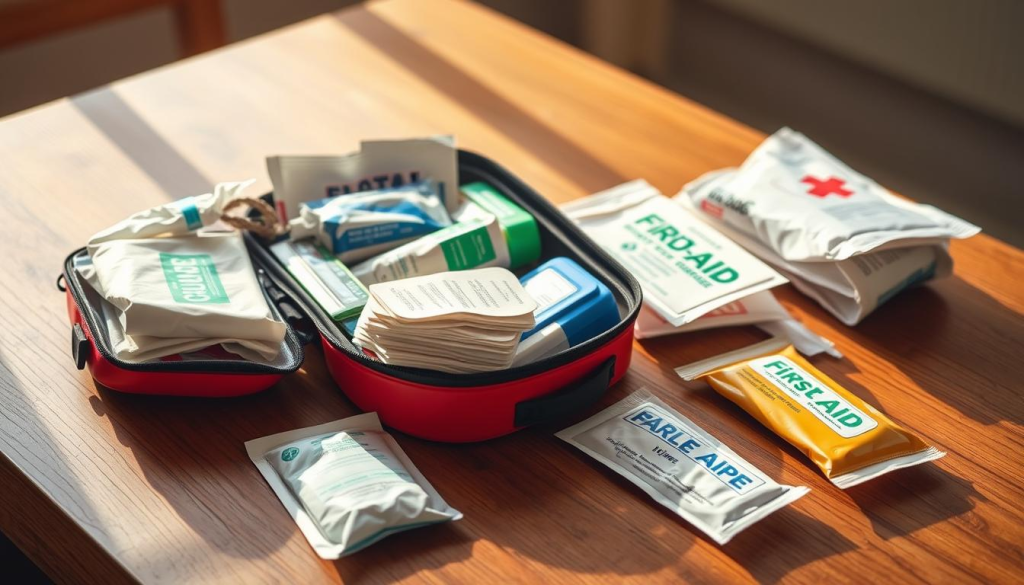
A basic first aid kit should include a variety of supplies to handle common injuries. These include bandages, antiseptic wipes, pain relievers, and any personal medications. It’s also essential to have medical tape, scissors, and tweezers on hand.
Having these basic supplies ensures that you can address minor injuries and prevent more serious conditions from developing.
Specialized Items
In addition to basic supplies, consider including specialized items in your first aid kit. These can include tourniquets, hemostatic agents, and blister care products. Such items can be crucial in more severe emergency situations.
It’s also a good idea to include a first aid manual or guide, which can provide valuable instructions on how to use the items in your kit.
First Aid Training Resources
Having the right supplies is only part of being prepared. It’s also important to have the knowledge and skills to use them effectively. Consider taking a first aid training course to learn how to respond to emergencies.
There are many resources available, both online and in-person, that can provide comprehensive training. Look for courses that cover CPR, wound care, and other essential first aid skills.
Clothing and Shelter Considerations
When preparing a bug out bag, it’s crucial to consider clothing and shelter needs. Layering clothing for different weather conditions is vital for survival. This includes packing lightweight, moisture-wicking base layers, insulating mid-layers, and waterproof outer layers.
Layering for Different Weather
Survival clothing should be versatile and adaptable. For cold weather, include thermal layers and insulated jackets. For warm weather, pack breathable clothing that protects against the sun.
Emergency Shelter Options
An emergency shelter can be a lifesaver. Compact tents and tarps provide protection from the elements. Emergency blankets, such as those made by Space Brand, are also essential for retaining body heat.
By incorporating these clothing and shelter considerations into your bug out bag, you’ll be better equipped to handle emergencies and survive in challenging environments with the right emergency shelter and survival clothing.