
In the context of emergency preparedness, having a well-stocked kit is crucial for survival. The concept of a “Bug Out Bag” refers to a portable collection of essential items to help individuals survive during emergencies.
A Bug Out Bag God Roll is about having the right survival gear. It’s not just about throwing together a few items; it’s about carefully selecting the most critical tools and supplies that can make a significant difference in a crisis.
Key Takeaways
- Understand the concept of a Bug Out Bag in the context of survival.
- Learn the importance of having the right survival gear.
- Discover the essential items to include in your emergency kit.
- Prepare for emergencies with a well-stocked Bug Out Bag.
- Enhance your chances of survival with the right preparation.
What is a Bug Out Bag?
A Bug Out Bag is a portable collection of vital items that can help you survive during a crisis. It’s designed to be grabbed quickly in case of an emergency, providing the necessary tools for survival until help arrives or until you can reach a safe location.
The concept of a Bug Out Bag is centered around emergency preparedness. It’s about being ready for any situation that may arise, whether it’s a natural disaster, a power outage, or any other crisis that requires immediate action.
Definition and Purpose
A Bug Out Bag is defined as a portable kit containing essential items that an individual can quickly grab in case of an emergency. The purpose of this bag is to provide the necessary tools and supplies for survival, such as food, water, first aid supplies, and communication devices.
The key to a successful Bug Out Bag is to ensure it contains a well-thought-out selection of items. This includes:
- Essential gear for survival
- Food and water provisions
- Clothing and personal items
Importance of Being Prepared
Being prepared is crucial in the face of uncertainty. Having a Bug Out Bag ready can make a significant difference in your ability to respond to emergencies effectively. It’s not just about having the right gear; it’s about having a plan and being ready to execute it at a moment’s notice.
Some key aspects of being prepared include:
- Knowing what to pack in your Bug Out Bag
- Regularly checking and updating your kit
- Having a clear understanding of your emergency plan
Key Components of an Effective Bug Out Bag
The effectiveness of a Bug Out Bag lies in its ability to provide essential supplies during crises. An effective Bug Out Bag is more than just a collection of items; it’s a carefully curated kit designed to sustain you through emergencies.
Essential Gear for Survival
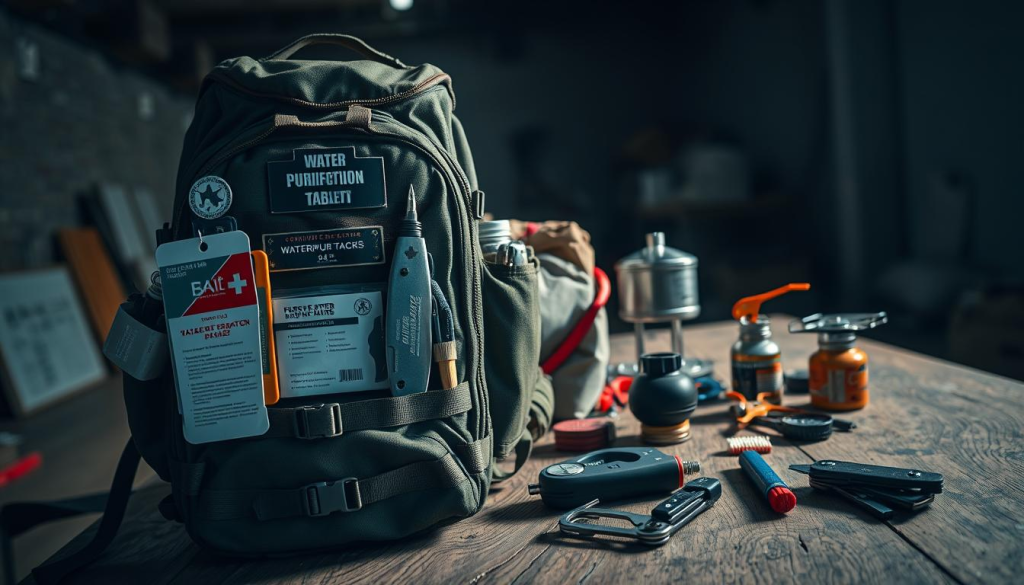
When assembling your Bug Out Bag, it’s crucial to include essential gear for survival. This includes:
- A first aid kit to treat injuries
- A multi-tool or pocket knife for various tasks
- Navigation devices such as a compass and map
- A fire starter, like matches or a lighter, to provide warmth and a means to cook food
Food and Water Provisions
Another critical component is food and water provisions. Your Bug Out Bag should contain:
- Non-perishable, high-calorie food items
- A water filter or purification tablets to ensure access to safe drinking water
- A means to cook food, such as a portable stove or camping equipment
Clothing and Personal Items
Clothing and personal items are also vital. Consider packing:
- Versatile, durable clothing suitable for various environments
- Personal hygiene items, such as toothbrushes and biodegradable soap
- Important documents, like identification and insurance cards, in a waterproof container
By focusing on these key components, you can create a Bug Out Bag that is truly effective in emergency situations.
Choosing the Right Backpack
A well-chosen backpack can make all the difference in a survival situation. It’s not just about throwing some gear into any bag; it’s about selecting a backpack that is durable, comfortable, and suitable for your needs.
Features to Consider
When choosing a backpack for your Bug Out Bag, several features are crucial. Durability is paramount; the material should be robust enough to withstand harsh conditions. Comfort is also key, as you’ll be carrying this pack potentially for long periods. Look for padded straps and a back panel that allows for airflow.
- Multiple compartments for organization
- Water-resistant material
- MOLLE (Modular Lightweight Load-carrying Equipment) system for attaching additional gear
Popular Brands for Bug Out Bags
Several brands are renowned for their high-quality backpacks suitable for Bug Out Bags. Here are a few popular brands and their characteristics:
| Brand | Model | Capacity | Notable Features |
|---|---|---|---|
| 5.11 Tactical | ABR Backpack | 30 liters | MOLLE system, durable nylon |
| CamelBak | BAO 25L | 25 liters | Hydration system, multiple pockets |
| Maxpedition | Fugitive 22L | 22 liters | Durable 1050D nylon, concealed carry pocket |
When selecting a brand and model, consider your specific needs and the environments you might encounter.
Ultimately, the best backpack for your Bug Out Bag is one that balances durability, comfort, and functionality. Take the time to research and compare different models, and don’t hesitate to invest in a high-quality pack that will serve you well in emergency situations.
Bug Out Bag God Roll Essentials
When it comes to assembling a Bug Out Bag, the right essentials can make all the difference in a survival situation. A well-stocked Bug Out Bag should include a variety of critical items to ensure you’re prepared for any emergency.
Multi-Tool Must-Haves
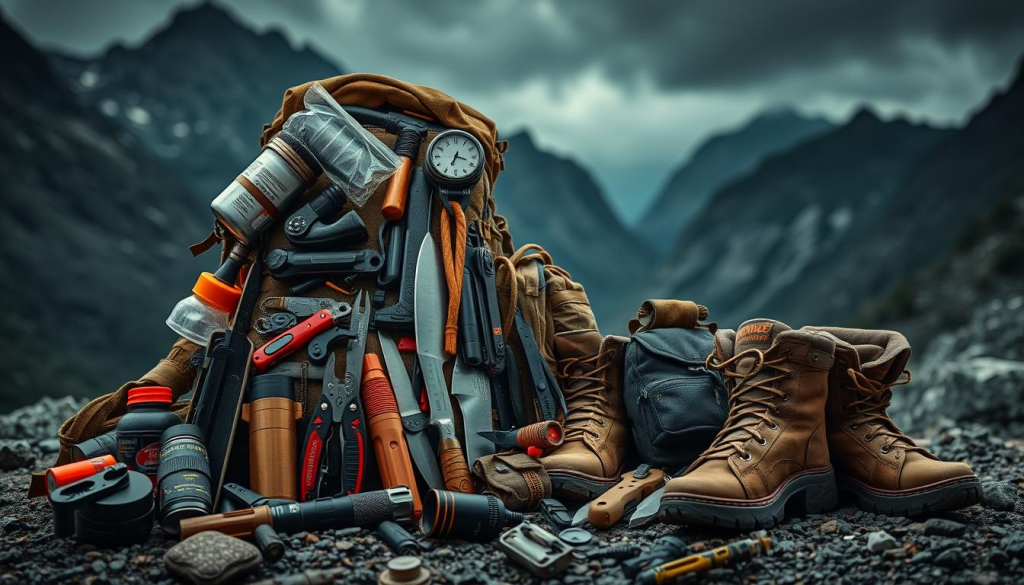
A multi-tool is an indispensable component of any Bug Out Bag. It typically includes a range of functions such as pliers, scissors, knives, and screwdrivers, making it a versatile tool for numerous tasks. When selecting a multi-tool, consider one that is durable and has a variety of functions to maximize its utility.
- Leatherman Wave: Known for its durability and wide range of functions.
- Victorinox SwissTool: Offers a compact design with multiple features.
First Aid Supplies to Include
A first aid kit is crucial for treating injuries and preventing infections. Essential items to include are bandages, antiseptic wipes, pain relievers, and any personal medications.
- Bandages and band-aids in various sizes.
- Antiseptic wipes and ointment.
- Pain relievers and antihistamines.
Navigation Tools and Gear
Navigation is key in a survival situation. Include a compass, a detailed map of your area, and a GPS device or smartphone with a GPS app.
- Compass: A reliable compass is essential for navigation.
- Topographic Map: Provides detailed information about the terrain.
- GPS Device: Offers precise location information.
Best Food Options for Your Bug Out Bag
In emergency situations, the food you carry can significantly impact your survival chances. A well-stocked Bug Out Bag should include a variety of food options that are not only nutritious but also easy to prepare.
High-Calorie Foods
High-calorie foods are essential for maintaining energy levels during stressful situations. Consider including energy bars, nuts, and dried fruits in your Bug Out Bag. These foods are not only high in calories but also compact and lightweight. For instance, a mix of almonds, cashews, and dried cranberries can provide a boost of energy and satisfy hunger.
Long Shelf-Life Options
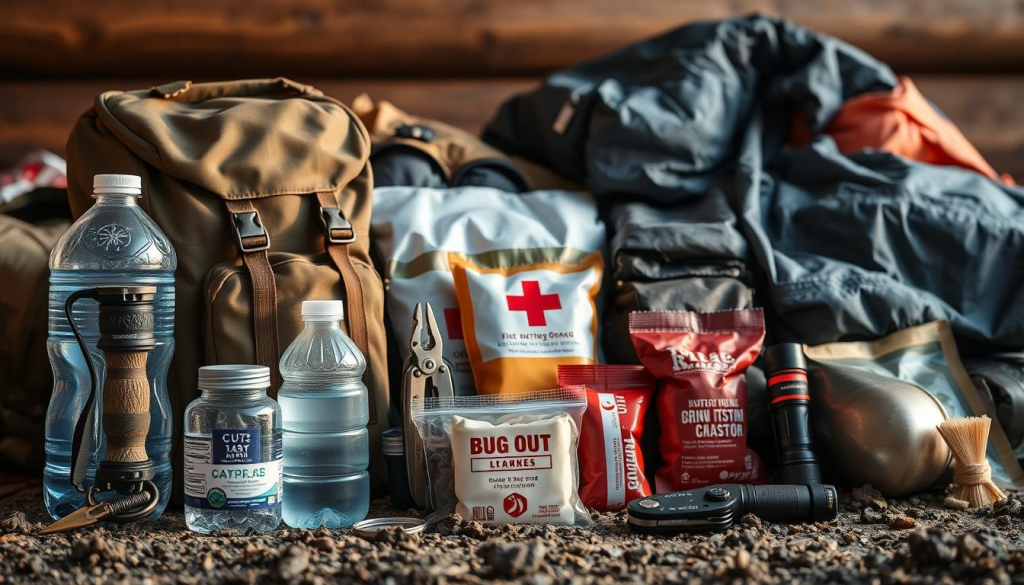
Foods with a long shelf life are crucial for a Bug Out Bag, as they can remain edible for extended periods. Canned goods, MREs (Meals Ready to Eat), and dried legumes are excellent choices. These options are not only durable but also provide a balanced diet. It’s essential to check expiration dates regularly and rotate your stock to ensure freshness.
Emergency Water Filtration
Having access to clean drinking water is as important as having food. Emergency water filtration systems can purify water from any source, making it safe to drink. Consider including a water filter or purification tablets in your Bug Out Bag. These tools can significantly reduce the risk of waterborne illnesses, ensuring you stay hydrated during emergencies.
In conclusion, the right food and water provisions are critical components of a well-stocked Bug Out Bag. By including high-calorie foods, long shelf-life options, and emergency water filtration systems, you can enhance your chances of survival during disasters or emergencies.
Shelter and Sleeping Equipment
In emergency situations, the importance of shelter and sleeping equipment cannot be overstated, making them essential Bug Out Bag items. Adequate shelter protects you from harsh weather conditions, wildlife, and other potential dangers, while proper sleeping gear ensures you get the rest needed to stay alert and responsive.
Compact Tents and Tarps
When it comes to shelter, both compact tents and tarps are valuable options. Compact tents offer a more structured form of shelter, providing better protection from the elements and wildlife. They are, however, generally heavier and more expensive than tarps. Tarps, on the other hand, are lightweight, versatile, and can be used in a variety of configurations to provide shelter. They can be more challenging to set up in a way that offers complete protection but are an excellent addition to any Bug Out Bag due to their compactness and multi-use potential.
- Consider a tarp with reinforced edges and grommets for durability.
- Look for compact tents that are waterproof and have good ventilation.
- Practice setting up your shelter options to determine the most efficient method.
Sleeping Bags vs. Emergency Blankets
The choice between sleeping bags and emergency blankets depends on several factors, including the expected climate, the weight you’re willing to carry, and your personal comfort preferences. Sleeping bags provide warmth and comfort, making them ideal for colder climates. They come in various insulation types, such as down or synthetic, each with its own advantages. Emergency blankets, often made of Mylar or similar materials, are designed to be lightweight and compact, reflecting body heat to keep you warm. While they are less comfortable than sleeping bags, they are a crucial backup option for emergencies.
- For colder environments, consider a sleeping bag with a comfort rating suitable for the expected low temperatures.
- In warmer climates, an emergency blanket can be a sufficient and lightweight alternative.
- Always check the durability and water resistance of your sleeping gear.
Ultimately, the best approach is to include a combination of these items in your Bug Out Bag, tailored to your specific needs and the environments you might encounter. By doing so, you’ll be better prepared to face unexpected situations with confidence.
Personal Safety and Self-Defense Items
Personal safety is a top priority in emergency preparedness, and the right self-defense tools can make all the difference. When assembling your Bug Out Bag, it’s essential to include items that not only help you survive but also protect you from potential threats.
Pepper Spray and Personal Alarms
Pepper spray is a popular self-defense tool due to its effectiveness and ease of use. When choosing a pepper spray, consider the concentration of the active ingredient (measured in Scoville Heat Units) and the spray’s range. A personal alarm is another valuable addition, emitting a loud noise to deter attackers and attract attention.
Key Features of Pepper Spray:
- High concentration of capsaicin
- Compact and easy to carry
- Effective range of at least 6 feet
Self-Defense Tools and Training
While tools are crucial, training is equally important. Knowing how to use your self-defense tools effectively can significantly enhance your safety. Consider taking self-defense classes to learn techniques and strategies for various scenarios.
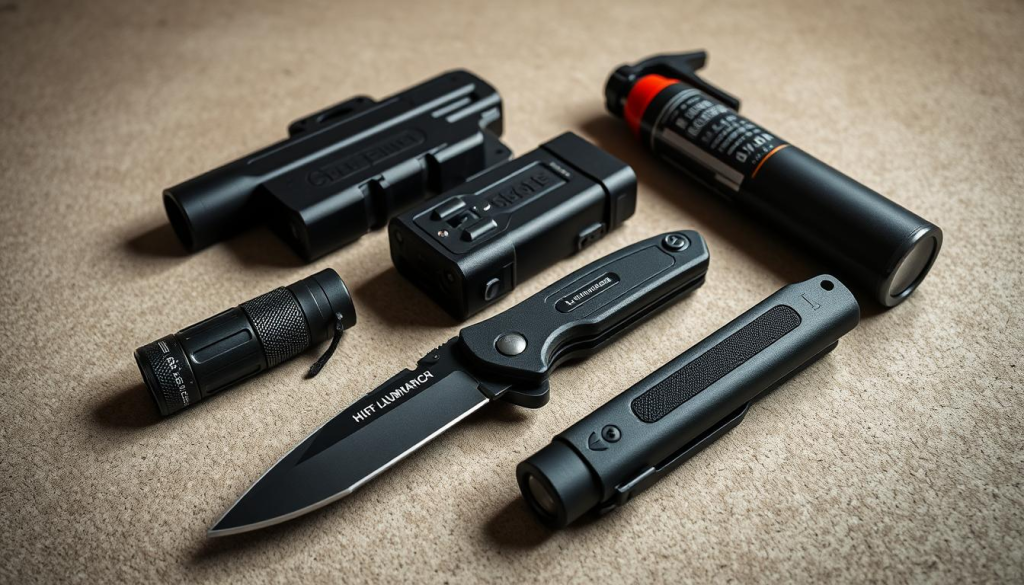
Some recommended self-defense tools include:
- Tactical flashlights
- Stun guns or tasers
- Personal defense knives
To help you make an informed decision, here’s a comparison table of popular self-defense tools:
| Tool | Effectiveness | Ease of Use | Price Range |
|---|---|---|---|
| Pepper Spray | High | Easy | $10-$30 |
| Stun Gun | High | Moderate | $20-$50 |
| Personal Alarm | Moderate | Easy | $5-$20 |
In conclusion, personal safety and self-defense are critical components of your Bug Out Bag. By including the right tools and training, you can significantly enhance your chances of staying safe during emergencies.
Communication Devices for Emergencies
Communication is crucial in emergency situations, and including the right devices in your Bug Out Bag can be lifesaving. Effective communication enables you to call for help, coordinate with family members, and stay informed about the situation.
Two-Way Radios
Two-way radios are a vital component of any emergency communication plan. They allow for real-time communication between family members or team members, which is especially important when other forms of communication like cell phones are down.
Key Features to Consider:
- Range and Coverage
- Battery Life and Power Options
- Durability and Water Resistance
Emergency Flashlights and Signal Devices
In addition to two-way radios, emergency flashlights and signal devices are critical for signaling your location to potential rescuers or for navigating in the dark.
Types of Signal Devices:
- Flare Guns
- Signal Mirrors
- LED Flashlights with SOS Function
Here’s a comparison of some popular emergency flashlights:
| Model | Lumens | Battery Life | Water Resistance |
|---|---|---|---|
| Fenix PD35 | 600 | Up to 50 hours | IPX8 |
| Streamlight Stylus Pro | 180 | Up to 5 hours | IPX8 |
| Pure Energy EL-3 | 350 | Up to 6 hours | IPX4 |
In conclusion, including the right communication devices in your Bug Out Bag is essential for emergency preparedness. Two-way radios, emergency flashlights, and signal devices can significantly enhance your ability to communicate and signal for help when needed.
Preparing for Different Environments
The right Bug Out Bag supplies can vary significantly depending on whether you’re in an urban or wilderness setting. Understanding these differences is crucial for effective survival.
Urban vs. Wilderness Survival Kits
When preparing for urban survival, your Bug Out Bag should include items that help you navigate through city environments, such as maps, communication devices, and self-defense tools. In contrast, a wilderness survival kit should focus on gear that aids in navigating natural terrain, like compasses, water purification tablets, and emergency shelter.
In urban settings, having a supply of non-perishable food, a first aid kit, and a means of self-defense are critical. For wilderness survival, it’s essential to include items like a portable stove, a hunting knife, and a means of starting a fire.
Climate Considerations for Packing
Climate plays a significant role in determining the contents of your Bug Out Bag. For cold climates, include warm clothing, insulated sleeping bags, and hand warmers. In hot and dry climates, prioritize hydration by packing water purification tablets, a hydration bladder, and electrolyte-rich drinks.
| Climate | Essential Items |
|---|---|
| Cold | Insulated sleeping bag, warm clothing, hand warmers |
| Hot and Dry | Water purification tablets, hydration bladder, electrolyte-rich drinks |
| Temperate | Layered clothing, rain gear, portable stove |
By tailoring your Bug Out Bag to the specific environment and climate you’ll be in, you can significantly enhance your chances of survival. It’s not just about having the right gear; it’s about having the right gear for the situation.
Maintenance and Regular Updates
The effectiveness of your Bug Out Bag depends on regular maintenance and updates. Ensuring that your kit is always ready requires consistent effort and attention to detail.
Checking Your Kit Regularly
Regular checks are vital to maintaining the integrity of your Bug Out Bag. It’s essential to:
- Inspect all items for damage or wear and tear.
- Check expiration dates of food, water, and medical supplies.
- Test batteries and electronic devices.
- Ensure that all documents are up to date.
Regular inspections help identify and replace items that are no longer usable, ensuring your kit remains functional.
Seasonal Adjustments to Your Gear
Different seasons bring different challenges, and your Bug Out Bag should be adjusted accordingly. Consider the following seasonal adjustments:
- Summer: Include sun protection, hydration packs, and lightweight clothing.
- Winter: Add warm clothing, hand warmers, and ensure your shelter and sleeping gear are suitable for cold weather.
- Spring/Autumn: Pack layers for changing weather conditions and consider including insect repellent.
Seasonal adjustments ensure that your Bug Out Bag is always prepared for the challenges of the current season.
By following these guidelines, you can ensure that your Bug Out Bag remains a reliable and effective tool for emergency preparedness. Regular maintenance and seasonal adjustments are key to being prepared for any situation.
Building Your Bug Out Bag on a Budget
Building a Bug Out Bag on a limited budget requires some planning and creativity. It’s about making smart choices and prioritizing essential bug out bag supplies that can help you survive in emergency situations.
One of the first steps is to identify the most critical components of your Bug Out Bag. This includes survival gear that is both effective and affordable. By focusing on the essentials, you can allocate your budget more efficiently.
Affordable Options for Supplies
When it comes to assembling your Bug Out Bag, there are several affordable options for bug out bag supplies. Consider purchasing items during sales or using coupons. You can also look for generic or store-brand versions of the products you need.
- Water purification tablets or filters can be found at a lower cost from brands like Sawyer or MSR.
- First aid kits can be assembled piece by piece, allowing you to spread the cost over time.
- Look for durable, second-hand backpacks or bags that can serve as your Bug Out Bag.
As Outdoor Life magazine suggests, “A good Bug Out Bag is not just about the price tag; it’s about the quality and relevance of the gear.”
DIY Solutions for Key Items
Some of the best bug out bag items can be made or improvised at home. For example, you can create your own first aid kit by purchasing individual components and packaging them in a waterproof container.
“The ability to improvise is a crucial survival skill. With a little creativity, you can turn everyday items into essential survival gear.” –
Other DIY solutions include:
- Creating a water filtration system using sand, charcoal, and other natural materials.
- Making a signaling device from a mirror or shiny surface to reflect sunlight towards any potential rescuers.
- Preparing your own emergency food supply by packaging dried goods and non-perishable items.
By combining affordable bug out bag supplies with DIY solutions, you can build a comprehensive Bug Out Bag that fits your budget. Remember, the key is to be prepared and flexible.
Conclusion: Empower Yourself with a Bug Out Bag God Roll
Having a well-prepared Bug Out Bag can significantly enhance one’s confidence in facing emergencies. It is a step towards being prepared for the unexpected. By assembling a comprehensive Bug Out Bag, individuals can ensure they are equipped to handle a wide range of situations, from natural disasters to personal crises.
Building Confidence Through Preparation
Emergency preparedness is not just about having the right gear; it’s about feeling secure and confident in one’s ability to respond to emergencies. A Bug Out Bag God Roll is tailored to meet the most critical needs, providing a foundation for effective emergency response.
Getting Started with Your Bug Out Bag
To start building your Bug Out Bag, consider the key components and essentials outlined in the previous sections. Look into bug out bag recommendations from trusted sources, and don’t hesitate to invest in quality gear that will serve you well in emergency situations. By taking these steps, you’ll be well on your way to achieving a high level of emergency preparedness.