
Emergency preparedness is crucial in today’s unpredictable world. A well-stocked emergency kit can be a lifesaver during natural disasters or unexpected emergencies, providing essential items for survival.
A portable emergency kit, often referred to as a bug out bag, is designed to sustain individuals for at least 72 hours. The basics include vital supplies such as food, water, shelter, and first aid equipment.
Building a comprehensive emergency kit requires careful planning and consideration of the essential gear needed for survival. Understanding the survival bag basics is the first step towards being prepared for any situation.
Key Takeaways
- Understand the importance of having a portable emergency kit.
- Know the essential items to include in your emergency kit.
- Plan for at least 72 hours of survival supplies.
- Consider the types of emergencies you might face.
- Customize your kit according to your specific needs.
What Is a Bug Out Bag?
A bug out bag, often abbreviated as BOB, is a self-contained emergency kit that is designed to help individuals survive during disasters or other emergency situations. It is typically stored in a backpack or other portable container, making it easy to carry in case of an evacuation.
Definition and Purpose
The definition of a bug out bag revolves around its role as a portable emergency kit. It is designed to provide the necessary items for survival, such as food, water, shelter, and first aid supplies. The purpose of a bug out bag is to enable individuals to survive for a certain period, usually 72 hours, until help arrives or until they can reach a safe location.
As Survival Life notes, “A bug out bag is your ticket to survival when disaster strikes.” This emphasizes the critical role that a well-prepared bug out bag plays in emergency preparedness.
Importance in Emergency Situations
The importance of a bug out bag in emergency situations cannot be overstated. In the event of a natural disaster, such as a hurricane, earthquake, or flood, having a bug out bag ready can be the difference between life and death. It provides individuals with the essential items needed to survive, such as food, water, and first aid supplies, until help arrives.
In the words of a renowned emergency preparedness expert, “Having a bug out bag is not just about being prepared; it’s about being proactive in the face of uncertainty.” This highlights the proactive role that a bug out bag plays in emergency preparedness.
In conclusion, a bug out bag is a vital component of emergency preparedness, providing individuals with the necessary bug out bag essentials to survive during emergency situations. By understanding its definition, purpose, and importance, individuals can better prepare themselves for the unexpected.
Essential Items for Your Bug Out Bag
Preparing for the unexpected requires a thoughtful and comprehensive bug out bag. A well-stocked bug out bag is crucial for survival in emergency situations, providing the necessary tools and supplies to navigate through challenging circumstances.
Shelter and Sleeping Gear
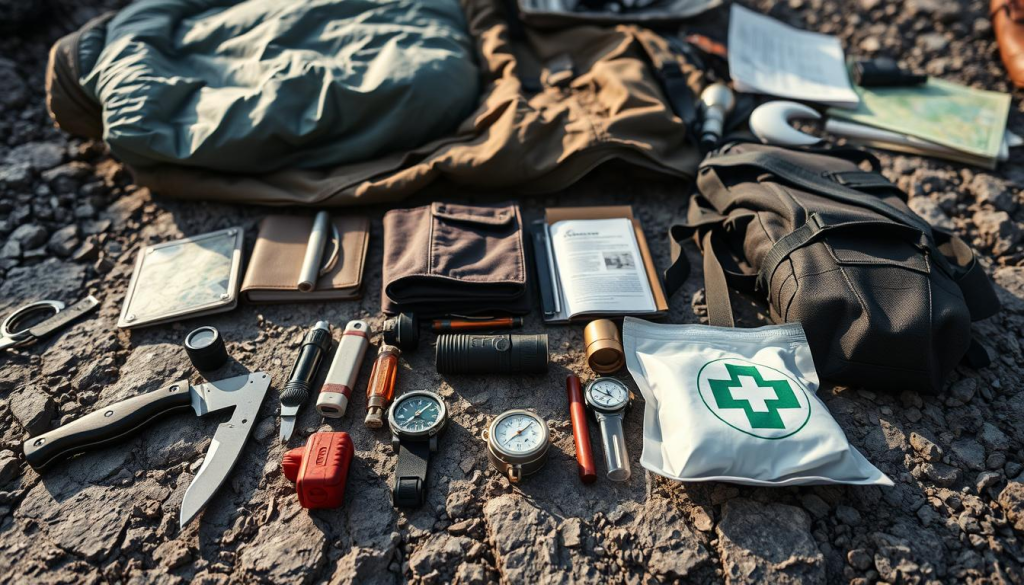
A bug out bag should include essential shelter and sleeping gear to protect against the elements. This includes a durable tent that can withstand various weather conditions, a sleeping bag rated for the expected low temperatures, and a sleeping pad for comfort and insulation.
When selecting a tent, consider one that is waterproof, has a sturdy frame, and is easy to set up. A sleeping bag with a waterproof and breathable shell can help keep you dry and comfortable. Don’t forget a sleeping pad to provide extra comfort and insulation from the ground.
Clothing and Footwear
Clothing and footwear are vital components of a bug out bag. Pack sturdy boots that are waterproof and have good traction, as well as comfortable clothing suitable for the expected weather conditions. Consider including a change of clothes in case the ones you’re wearing get wet.
Choose clothing that is versatile, durable, and suitable for various weather conditions. Moisture-wicking fabrics can help keep you dry, while layers can help regulate body temperature. Sturdy boots with good ankle support are essential for navigating rough terrain.
Cooking Supplies
Cooking supplies are another essential aspect of a bug out bag. Include a portable stove or a camp stove that is reliable and easy to use, along with cooking pots and utensils. Don’t forget a water filter or purification tablets to ensure access to safe drinking water.
When selecting cooking supplies, consider the type of fuel needed, the ease of use, and the durability of the equipment. A portable stove can be a convenient option, while a camp stove can provide more cooking flexibility.
Water: The Lifeblood of Your Kit
A bug out bag isn’t complete without a reliable means of accessing clean water. Water is essential for hydration, hygiene, and even cooling the body in hot environments. In a survival situation, dehydration can set in quickly, impairing judgment and physical abilities.
Water Filtration Options
Having a means to purify water is crucial. Water filtration options range from simple filters to advanced purification tablets. Water filters like those from LifeStraw or Sawyer Products can remove bacteria, viruses, and particulate matter, making water safe to drink.
When choosing a water filtration system, consider the following factors:
- Effectiveness against various contaminants
- Ease of use in the field
- Maintenance requirements
- Weight and portability
| Filtration Method | Effectiveness | Weight | Ease of Use |
|---|---|---|---|
| LifeStraw Personal Filter | Removes 99.99% of bacteria and viruses | 2 oz | Simple, intuitive design |
| Sawyer Mini Water Filtration System | Removes 99.97% of bacteria and viruses | 2 oz | Easy to use, requires occasional backwashing |
Water Storage Solutions
Once you’ve purified your water, you need a way to store it. Water storage solutions include water bottles, hydration bladders, and collapsible containers. These options vary in size, material, and convenience.
- Durability and resistance to leaks
- Capacity and size when full
- Weight when empty
- Ease of cleaning and maintenance
By incorporating effective water filtration options and suitable water storage solutions into your bug out bag, you significantly enhance your chances of survival during emergencies.
Food Sources: Nutritional Needs on the Go
Packing the right food in your bug out bag is essential for survival during extended emergencies. The key is to focus on non-perishable food choices that are not only nutritious but also lightweight and compact.
Non-Perishable Food Choices
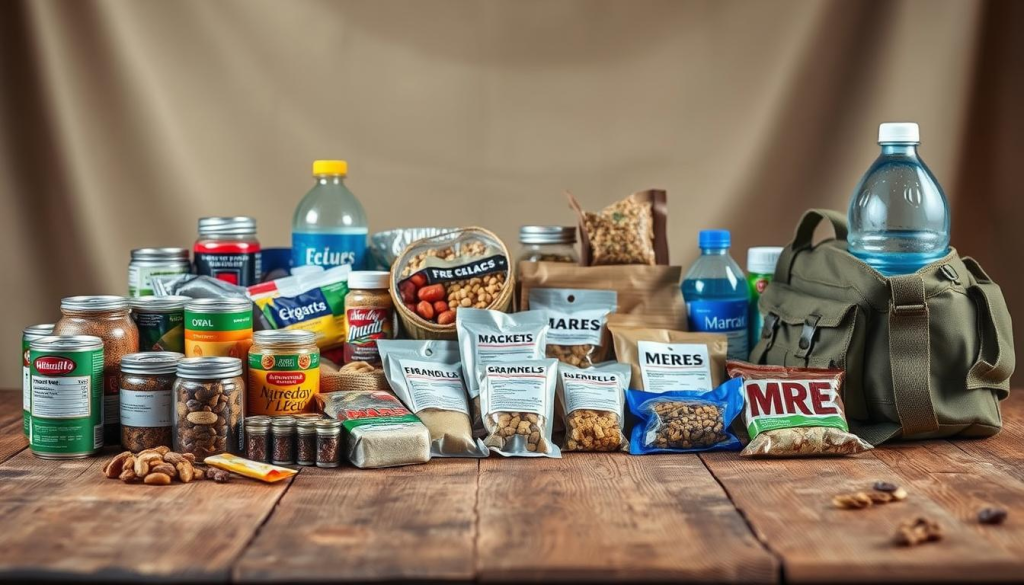
When it comes to stocking your bug out bag with food, the emphasis should be on items that have a long shelf life and can withstand various environmental conditions. Dried meals, canned goods, and high-calorie energy bars are excellent options. These foods are designed to provide sustenance without the need for refrigeration, making them ideal for emergency situations.
Some examples of non-perishable foods include:
- Dried fruits and nuts
- Canned tuna or chicken
- Ready-to-eat meals like MREs
- Energy bars
High-Calorie Energy Bars
High-calorie energy bars are a staple in many bug out bags due to their convenience and nutritional value. They are designed to provide a quick source of energy, which is crucial during emergency evacuations or survival situations. When selecting energy bars, look for ones that are high in calories, protein, and fiber.
| Brand | Calories per Serving | Protein Content |
|---|---|---|
| Clif Bar | 250 | 10g |
| RXBAR | 210 | 12g |
| Kind Bar | 200 | 6g |
In addition to energy bars, it’s also beneficial to include a variety of other non-perishable food items to ensure a balanced diet. This can help maintain morale and provide the necessary nutrients for survival.
First Aid Supplies: Staying Healthy
First aid supplies are a vital component of a bug out bag, providing the means to treat injuries and prevent infections. A well-prepared first aid kit can significantly enhance your ability to respond to emergencies effectively.
Basic First Aid Kit Essentials
A basic first aid kit should include a variety of supplies to address different types of injuries. Bandages and band-aids are essential for covering cuts and scrapes, while antiseptic wipes help prevent infection. It’s also important to include medical tape to secure bandages in place.
Other critical items include gauze pads for absorbing blood and other fluids, and scissors for cutting bandages or clothing. A tweezers can be useful for removing splinters, and pain relievers such as acetaminophen or ibuprofen can help manage pain and reduce fever.
Medications and Personal Health Items
In addition to basic first aid supplies, it’s crucial to include any personal medications or health items in your bug out bag. This may include prescription medications, as well as over-the-counter medications such as antihistamines or anti-diarrheal medication.
Consider including a first aid manual or guide to provide guidance on how to treat various injuries and illnesses. It’s also a good idea to include a list of emergency contact information, including phone numbers and any relevant medical conditions.
By carefully assembling your first aid kit and regularly checking its contents, you can ensure that you’re prepared to handle a range of medical situations that may arise during an emergency.
Tools and Gear for Survival
A well-stocked bug out bag includes a variety of tools and gear essential for survival in emergency situations. These items can help individuals perform critical tasks, from cutting and opening cans to providing light and starting fires.
Multi-Tools and Knives
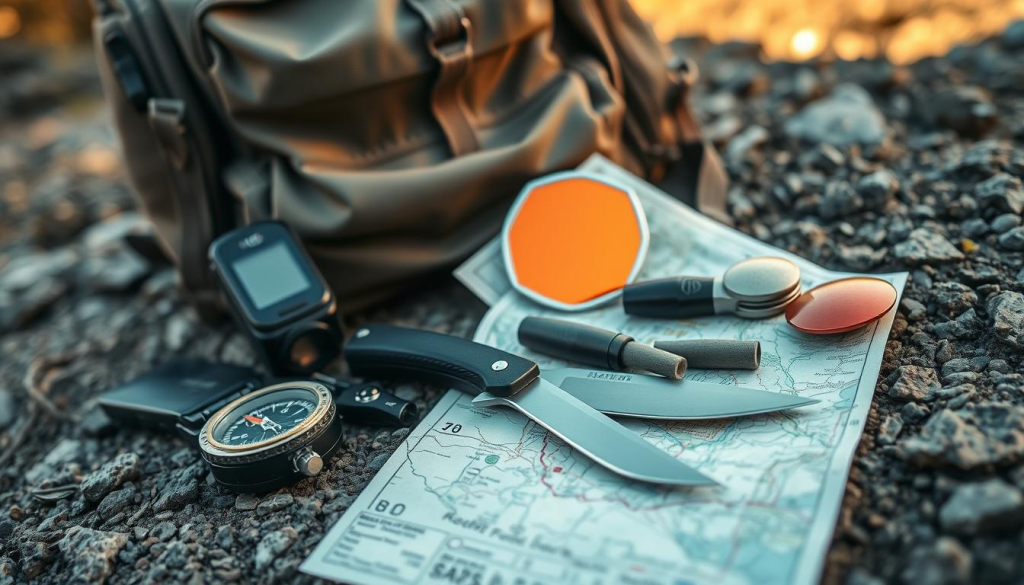
Multi-tools and knives are indispensable in a survival situation. They can be used for a range of tasks, including cutting branches for shelter, opening cans for food, and even self-defense if necessary. When selecting a multi-tool or knife, consider durability, versatility, and ease of use.
Key Features to Look for:
- Stainless steel or high-carbon construction for durability
- Multiple functions, such as blades, scissors, and bottle openers
- Ergonomic design for comfortable grip
Flashlights and Fire Starters
Light sources are critical in a survival situation, providing illumination and a means to start fires for warmth and cooking. Flashlights should be durable, water-resistant, and have a reliable power source. Fire starters, such as lighters or waterproof matches, are also essential.
| Item | Purpose | Recommended Features |
|---|---|---|
| Flashlight | Provides light in dark environments | Water resistance, adjustable brightness, long battery life |
| Fire Starter | Starts fires for warmth and cooking | Waterproof, reliable ignition, ease of use |
By including these tools and gear in your bug out bag, you can significantly enhance your ability to survive and thrive in emergency situations.
Navigation and Communication
Surviving an emergency requires more than just basic supplies; it demands effective navigation and communication strategies. A well-prepared individual must be able to navigate through unfamiliar territories and communicate with others to seek help or coordinate with family members.
Maps and Compasses
Maps and compasses are fundamental tools for navigation. A detailed topographic map can help identify terrain features, while a compass provides direction. Together, they enable individuals to chart their course and stay on track.
Key Features of a Good Map:
- Scale: Indicates the level of detail
- Legend: Explains symbols and markings
- Grid System: Helps in pinpointing locations
| Map Type | Usefulness | Features |
|---|---|---|
| Topographic | High | Terrain features, elevation |
| Road Map | Medium | Roads, highways |
| Satellite Imagery | Low | Real-time images |
Emergency Communication Devices
In addition to navigation tools, emergency communication devices are vital. Two-way radios, satellite phones, and whistles can be used to call for help or communicate with family members.
Two-way radios are particularly useful for short-range communication, while satellite phones can be used for longer-range calls, even in areas without cell service.
Clothing Considerations for Bugging Out
Clothing is a vital component of any bug out bag, providing comfort and protection in emergency situations. The right clothing can significantly impact your ability to survive and navigate through challenging environments.
Weather-Appropriate Attire
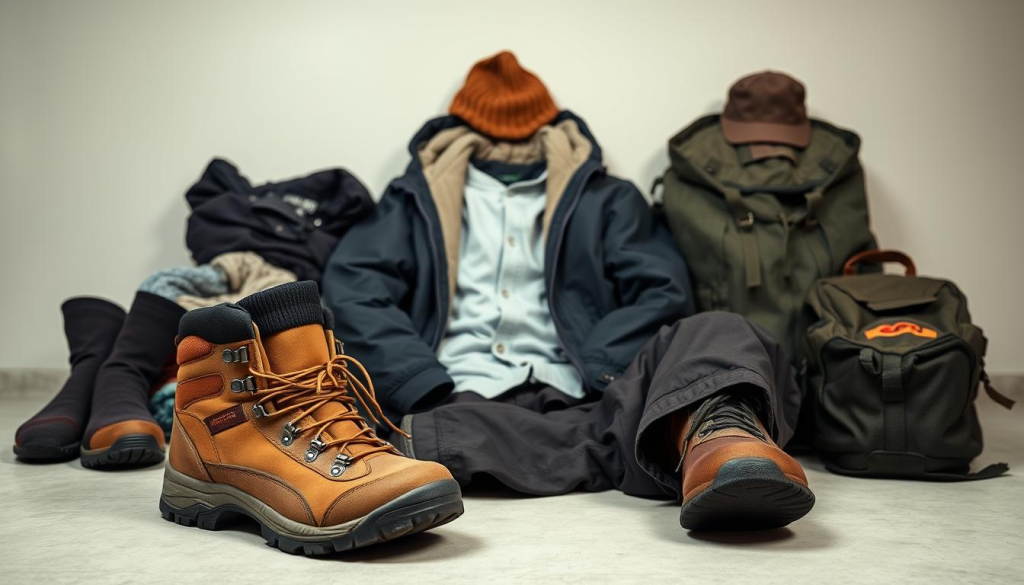
When selecting clothing for your bug out bag, it’s essential to consider the climate and weather conditions you might face. Layering is key, as it allows you to adjust your clothing according to the temperature. Include a mix of lightweight, breathable items for warm weather and insulating layers for cold conditions.
For cold climates, consider including thermal base layers, insulated jackets, and warm hats. In contrast, for warmer climates, pack lightweight, moisture-wicking clothing that can keep you cool and dry.
| Climate | Recommended Clothing |
|---|---|
| Cold | Thermal base layers, insulated jackets, warm hats |
| Warm | Lightweight, moisture-wicking clothing |
Layers and Quick-Dry Fabrics
The importance of quick-dry fabrics cannot be overstated. They help keep you dry and comfortable, reducing the risk of hypothermia in wet conditions. Look for clothing made from synthetic materials like polyester or nylon, which dry quickly and are often more durable than cotton.
“The ability to layer clothing is crucial for adapting to changing environmental conditions. It allows individuals to maintain a stable body temperature, which is vital for survival.”
When packing your bug out bag, remember to include a variety of clothing items that can be layered. This approach provides flexibility and helps ensure you’re prepared for different weather scenarios.
In conclusion, clothing considerations are a critical aspect of bug out bag preparation. By choosing weather-appropriate attire and incorporating layers and quick-dry fabrics, you can enhance your chances of survival in emergency situations.
Personal Safety and Defense Items
Incorporating personal safety and defense items into your bug out bag can significantly enhance your security in crisis situations. These items are designed to protect you from harm and provide a means of defense when needed.
Pepper Spray and Personal Alarms
Pepper spray and personal alarms are effective deterrents against potential threats.
- Pepper spray can incapacitate an attacker, providing time to escape.
- Personal alarms emit a loud noise, drawing attention to your situation and potentially scaring off the attacker.
Self-Defense Tools
Self-defense tools, such as knives or firearms, can provide a means of defense in dangerous situations. It’s crucial to:
- Choose the right tool: Select a tool that you’re comfortable using and have received proper training for.
- Understand local laws: Familiarize yourself with local laws regarding the possession and use of self-defense tools.
Including a variety of personal safety and defense items in your bug out bag can enhance your overall safety. Consider the following:
- Layered defense: Using a combination of deterrents and defense tools can provide a layered defense strategy.
- Maintenance: Regularly check your personal safety and defense items to ensure they are in working condition.
Maintenance and Regular Updates of Your Bag
Regular maintenance and updates of a bug out bag are crucial to ensure it remains effective and relevant in emergency situations. A well-maintained bug out bag can be the difference between life and death.
Checking Expiration Dates and Gear Condition
Individuals should regularly check their gear, updating or replacing items as necessary. This includes checking expiration dates of food and medical supplies, ensuring that all equipment is in good working condition, and that clothing and footwear are still suitable for their intended purpose.
By following these bug out bag tips and performing routine maintenance, individuals can ensure their emergency kit remains reliable and effective. Regular updates also help to reflect changes in personal needs and the environment, making the bug out bag a personalized and dynamic tool for emergency preparedness.
Effective maintenance and updates involve a thorough review of the bag’s contents, ensuring that all items are still usable and relevant. This process helps to identify areas that need improvement, allowing individuals to refine their bug out bag and make necessary adjustments.