
Understanding your spending habits is crucial for making informed financial decisions and achieving peace of mind. Creating a budget allows you to plan for the future effectively.
Determining the ideal frequency for creating and updating a budget is essential for financial stability. This involves considering various factors that influence your financial situation.
By establishing a routine for budgeting, you can make confident decisions and better manage your finances. This article will explore the importance of budgeting frequency and provide insights into how to create a budgeting schedule that works for you.
Key Takeaways
- Understanding the importance of budgeting for financial stability.
- Determining the ideal frequency for creating and updating a budget.
- Factors that influence your financial situation and budgeting needs.
- Creating a budgeting schedule that suits your needs.
- Making informed financial decisions through effective budgeting.
Understanding the Importance of a Budget
A budget serves as a roadmap for your financial decisions, helping you navigate through expenses and savings. It is a tool that allows you to track your income and expenditures, ensuring that you are making the most of your money.
What is a Budget?
A budget is a plan that outlines projected income and expenses over a specific period. It helps individuals manage their money more effectively by allocating resources to different areas such as housing, food, transportation, and entertainment. By having a clear picture of where your money is going, you can make informed decisions about how to adjust your spending habits.
Effective budgeting involves tracking budget usage and understanding your budget utilization rate. This means monitoring how much of your allocated budget is being used and making adjustments as necessary to stay on track.
- Identify your income sources
- List your fixed expenses (rent, utilities, etc.)
- Account for variable expenses (groceries, entertainment, etc.)
- Set financial goals (saving for a big purchase, paying off debt, etc.)
Why Budgeting Matters
Budgeting matters because it helps you achieve financial stability and reduce stress related to money management. By creating a budget, you can prioritize your spending, avoid unnecessary debt, and work towards your long-term financial goals. Moreover, budgeting allows you to respond more effectively to financial emergencies and make the most of unexpected opportunities.
Some key benefits of budgeting include:
- Improved financial control
- Reduced financial stress
- Increased savings
- Better decision-making regarding large purchases
By understanding and implementing a budget, individuals can take significant steps towards securing their financial future. It’s about making conscious choices that align with your financial goals and values.
Factors That Influence Budgeting Frequency
Budgeting frequency is not a one-size-fits-all solution; it’s influenced by various personal financial factors. Understanding these factors is crucial to determining how often you should budget.
Income Variability
One significant factor that affects budgeting frequency is income variability. Individuals with irregular incomes, such as freelancers or those on commission-based jobs, may need to budget more frequently to manage their finances effectively.
Impact of Irregular Income on Budgeting:
| Income Type | Budgeting Frequency | Reason |
|---|---|---|
| Regular Income | Monthly | Predictable income allows for less frequent budgeting. |
| Irregular Income | Weekly or Bi-Weekly | Unpredictable income requires more frequent budgeting to adjust to changes. |
Life Changes
Life changes, such as getting married, having children, or switching jobs, can also impact your budgeting frequency. These events often bring about significant financial changes that may require adjustments to your budget.
Examples of Life Changes Affecting Budgeting:
- Marriage: Combining finances and potentially increasing expenses.
- Having Children: Adding new expenses for childcare and education.
- Job Change: Changes in income level or benefits.
By understanding how income variability and life changes affect your financial situation, you can adjust your budgeting frequency to better manage your money and optimize your budget allocation frequency.
Monthly Budgeting: A Common Approach
For many individuals, managing finances on a monthly basis is a straightforward and effective strategy. This approach aligns with the typical billing cycle and pay schedule, making it easier to track expenses and stay on top of financial obligations.
Establishing a Monthly Routine
To effectively implement monthly budgeting, it’s crucial to establish a consistent routine. This involves reviewing financial statements at the beginning of each month to understand the current financial standing, categorizing expenses into needs and wants to prioritize spending, and setting realistic financial goals for the month.
By following this routine, individuals can ensure that they are monitoring budget usage effectively and making adjustments as needed.
Benefits of Monthly Budgeting
Monthly budgeting offers several benefits, including improved financial tracking, better financial planning, and reduced financial stress.
- Improved Financial Tracking: Regular monitoring of expenses helps in identifying areas where costs can be cut down.
- Better Financial Planning: Aligning budgeting with the monthly pay cycle makes it easier to plan for the future.
- Reduced Financial Stress: Knowing exactly how much money is available for spending reduces financial stress and anxiety.
| Aspect | Description | Benefit |
|---|---|---|
| Financial Review | Reviewing financial statements monthly | Understanding current financial standing |
| Expense Categorization | Categorizing expenses into needs and wants | Prioritizing spending effectively |
| Goal Setting | Setting realistic financial goals | Achieving specific financial objectives |

In conclusion, monthly budgeting is a practical approach to managing finances. By establishing a monthly routine and understanding the benefits of this approach, individuals can better manage their financial resources.
Weekly and Bi-Weekly Budgeting
For individuals with irregular income or expenses, adopting a weekly or bi-weekly budgeting approach can be particularly beneficial. This method allows for more frequent tracking and adjustments, enabling better management of financial fluctuations.
The Case for Shorter Timeframes
Budgeting on a weekly or bi-weekly basis can provide several advantages, especially for those whose financial situations are not static. It enables individuals to closely monitor their expenditures and make timely adjustments to stay within their means.
Key benefits include:
- Improved tracking of expenses
- Enhanced financial flexibility
- Better management of irregular income
Tips for Effective Weekly Budgets
To make the most of weekly or bi-weekly budgeting, consider the following tips:
- Set clear financial goals for the period.
- Use a budgeting app or spreadsheet to track expenses.
- Regularly review and adjust your budget as needed.
Here’s an example of how a weekly budget might be structured:
| Category | Weekly Budget | Actual Spending |
|---|---|---|
| Groceries | $100 | $90 |
| Transportation | $50 | $55 |
| Entertainment | $200 | $180 |
By adopting a weekly or bi-weekly budgeting strategy, individuals can gain more control over their financial situation, making it easier to achieve long-term financial stability.
Annual Budgeting: Planning for the Year Ahead
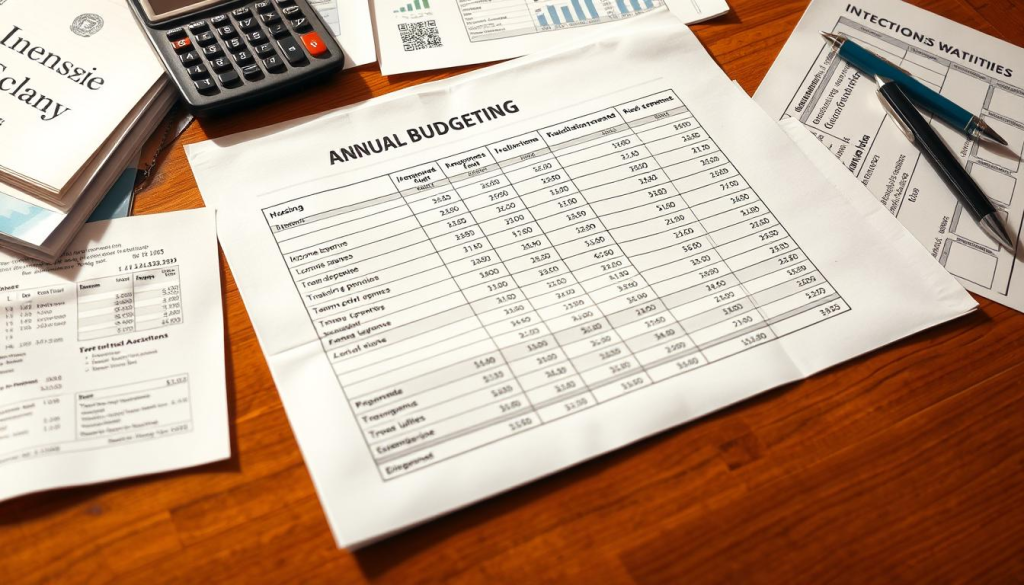
Annual budgeting is a strategic approach to financial planning that involves setting long-term goals and evaluating spending patterns over a year. This method allows individuals to have a broader perspective on their financial health, making it easier to achieve stability and success.
Setting Long-Term Financial Goals
Setting long-term financial goals is a crucial aspect of annual budgeting. It involves identifying what you want to achieve in the future, whether it’s saving for a major purchase, paying off debt, or building wealth. Clear goals help guide your financial decisions throughout the year, ensuring that your spending aligns with your objectives.
To set effective long-term goals, consider the following steps:
- Assess your current financial situation to understand where you stand.
- Define specific, measurable, achievable, relevant, and time-bound (SMART) goals.
- Prioritize your goals based on importance and urgency.
Evaluating Yearly Spending Trends
Evaluating your yearly spending trends is essential for understanding your budget spending pattern. This involves tracking your income and expenses over the year to identify areas where you can improve. By analyzing your spending habits, you can make informed decisions about budget adjustments for the upcoming year.
To effectively evaluate your spending trends, consider:
- Categorizing your expenses to understand where your money is going.
- Comparing your actual spending with your budgeted amounts to identify discrepancies.
- Adjusting your budget based on your findings to better align with your financial goals.
By adopting an annual budgeting approach and focusing on long-term goals and spending trends, individuals can take control of their financial future, making progress towards financial stability and success.
Adapting Your Budgeting Frequency
The key to effective budgeting lies in adapting your budgeting frequency to match your financial stability and goals. As financial situations change, the need to adjust budgeting cycles becomes paramount. This adaptability ensures that your budget remains a relevant and powerful tool in managing your finances.
When to Change Your Budgeting Schedule
Recognizing when to adjust your budgeting frequency is crucial. Significant life changes, such as a new job, marriage, or having children, often necessitate a shift in budgeting frequency. For instance, if you receive irregular income, a weekly or bi-weekly budget might be more effective than a monthly one.
Some key indicators that it’s time to change your budgeting schedule include:
- Income Variability: If your income becomes more or less predictable, it’s time to reassess your budgeting frequency.
- Major Purchases: Planning for large expenses, like a car or home, may require adjusting your budget to accommodate savings goals.
- Financial Goals: Changes in short-term or long-term financial objectives, such as saving for a vacation or retirement, can also signal the need for a budgeting adjustment.
Recognizing Financial Stability
Financial stability is not just about having enough money; it’s about having a consistent financial situation that allows for effective budgeting. Signs of financial stability include:
- A steady income
- A manageable debt-to-income ratio
- A growing savings account
When you’ve achieved financial stability, you may find that you can switch to a less frequent budgeting cycle, such as monthly or even annually, depending on your financial goals and needs.
Ultimately, the frequency of your budgeting should be guided by your financial situation and goals. By being attentive to changes in your financial landscape and adapting your budgeting frequency accordingly, you can ensure that your budget remains a useful tool in achieving financial stability and success.
Tools and Apps for Budgeting
With the rise of financial technology, individuals now have access to a wide range of budgeting tools and applications. These digital solutions have transformed the way people manage their finances, making it easier to track expenses, create budgets, and achieve financial goals.
Popular Budgeting Apps in the Market
Several budgeting apps have gained popularity due to their user-friendly interfaces and comprehensive features. Some of the notable apps include:
- Mint: Known for its ability to track spending, create a budget, and set financial goals.
- YNAB (You Need a Budget): Focuses on assigning jobs to every dollar earned, helping users manage their finances proactively.
- Personal Capital: Offers a holistic view of one’s financial situation, including investments and expenses.
These apps simplify the budgeting process by providing real-time tracking, automated savings, and personalized financial advice.

How Technology Can Simplify Budgeting
Technology has revolutionized budgeting by offering tools that automate financial tracking and analysis. By leveraging these tools, individuals can:
- Monitor their spending habits more effectively.
- Set realistic financial goals and track progress.
- Receive alerts and notifications about unusual transactions or overspending.
The following table highlights some key features of popular budgeting apps:
| App Name | Key Features | Budgeting Frequency Support |
|---|---|---|
| Mint | Expense tracking, budget creation | Monthly, Weekly |
| YNAB | Proactive budgeting, job assignment for dollars | Daily, Weekly |
| Personal Capital | Holistic financial view, investment tracking | Monthly, Quarterly |
By utilizing these budgeting tools and apps, individuals can better manage their finances, track their budget usage, and adjust their budget frequency as needed to achieve financial stability.
Common Budgeting Mistakes to Avoid
Achieving financial goals requires a well-planned budget, free from common pitfalls. Effective budgeting is not just about tracking expenses; it’s about making informed financial decisions that align with your goals.
To maximize your budget utilization rate, it’s essential to avoid mistakes that can derail your financial plans. Two significant errors to watch out for are overcomplicating your budget and ignoring small expenses.
Overcomplicating Your Budget
Many people make the mistake of overcomplicating their budgets by including too many categories or tracking every single transaction. While detail can be helpful, too much complexity can lead to frustration and abandonment of the budget altogether.
- Simplify your budget categories to focus on main areas like housing, food, and entertainment.
- Use a budgeting app or spreadsheet that fits your comfort level with technology.
- Regularly review and adjust your budget to ensure it remains aligned with your financial goals.
Ignoring Small Expenses
Another common mistake is ignoring small expenses, which can collectively have a significant impact on your budget. Regularly tracking and accounting for these expenses can improve your budget allocation frequency and overall financial health.
- Keep a record of small purchases to understand where your money is going.
- Set aside a small buffer in your budget for unexpected expenses.
- Use the 50/30/20 rule as a guideline to allocate your income towards necessities, discretionary spending, and savings.
By avoiding these common budgeting mistakes, you can create a more effective and sustainable budget. This involves regularly reviewing your budget, making adjustments as needed, and staying committed to your long-term financial goals.
In conclusion, a well-planned budget is crucial for achieving financial stability. By simplifying your budget and tracking all expenses, you can improve your financial health and make progress towards your goals.
Conclusion: Finding Your Ideal Budgeting Frequency
Effective budgeting is crucial for maintaining financial health, and finding the right budgeting frequency is key to achieving this goal. By understanding your income variability, life changes, and financial goals, you can determine the best approach for managing your budget cycles.
Personalizing Your Budget Approach
Tailoring your budget to your individual needs involves monitoring budget usage and adjusting your budget expenditure frequency accordingly. This personalized approach enables you to make informed decisions about your budget spending pattern, ensuring that you stay on track with your financial objectives.
Sustaining Your Budgeting Habit
Managing budget cycles effectively requires consistent effort and dedication. By leveraging tools and apps designed for budgeting, you can simplify the process and maintain a sustainable budgeting habit. Regularly reviewing and adjusting your budget will help you stay focused on your long-term financial goals.
By adopting a budgeting frequency that suits your lifestyle and financial situation, you can achieve greater control over your finances and make progress towards your financial goals.