
In times of crisis, having a well-prepared emergency kit can be a lifesaver. A bug out bag is an essential component of any emergency preparedness plan, providing the necessary tools and supplies to help you navigate through challenging situations.
Preparing a bug out bag doesn’t have to break the bank. With a little planning and creativity, you can assemble an effective emergency kit without overspending. This article will guide you through the process of creating a budget-friendly bug out bag, highlighting the most essential items to include and how to source them affordably.
Key Takeaways
- Essential items to include in a bug out bag
- Tips for sourcing affordable emergency supplies
- Budget-friendly alternatives for common bug out bag items
- Strategies for assembling an effective emergency kit on a budget
- Importance of having a well-prepared emergency kit
Understanding the Importance of a Bug Out Bag
Understanding the importance of a bug out bag is key to being prepared for unexpected situations. A bug out bag is not just a collection of random items; it’s a carefully curated kit designed to help you survive and thrive during emergencies.
What is a Bug Out Bag?
A bug out bag, often abbreviated as BOB, is a portable kit containing essential items that can help you evacuate quickly and safely in the event of a natural disaster, civil unrest, or other emergencies. The concept is simple: pack a bag with the most critical supplies you need to survive for at least 72 hours.
The contents of a bug out bag can vary greatly depending on your personal needs, the type of emergencies you are most likely to face, and your budget. However, some common items include food, water, first aid supplies, shelter materials, and communication tools.
When Should You Use It?
You should use your bug out bag in situations where you need to evacuate quickly. This could be due to a natural disaster like a hurricane, earthquake, or wildfire, or other emergencies such as civil unrest or a personal safety threat. The key is to be prepared to leave at a moment’s notice.
Scenarios where a bug out bag is essential:
- Natural disasters (hurricanes, earthquakes, floods)
- Civil unrest or political instability
- Personal safety threats
- Environmental hazards (wildfires, toxic spills)
Why a Budget-Friendly Option is Key
Being prepared doesn’t have to break the bank. There are numerous ways to assemble a effective bug out bag on a budget. By focusing on budget bug out essentials and cheap bug out gear, you can create a reliable kit without overspending.
Some strategies for frugal bug out preparedness include buying in bulk, repurposing household items, and shopping during sales. By being mindful of your budget, you can ensure that you’re prepared for emergencies without financial strain.
- Buy non-perishable food and water in bulk.
- Utilize household items that can serve multiple purposes.
- Look for discounts and sales on essential gear.
By understanding the importance of a bug out bag and how to assemble one on a budget, you can take a significant step towards being prepared for whatever comes your way.
Essential Items for Your Bug Out Bag
A well-stocked bug out bag doesn’t have to break the bank if you know what to include. The right supplies can make all the difference in an emergency, and focusing on the essentials is key to staying within budget.
Food and Water Supplies
When it comes to food and water, the priority is on non-perishable items that are high in calories and nutrients. Consider packing energy bars, dried fruits, and nuts, as these are not only affordable but also provide the necessary energy. For water, a water purification system or water purification tablets can be a cost-effective way to ensure access to safe drinking water.
Additionally, including a manual can opener and reusable containers can be useful. The goal is to have at least a three-day supply of food and water per person, which can be achieved on a budget by buying in bulk and planning meals in advance.
Shelter and Clothing
Shelter and clothing are critical for protection against the elements. A lightweight tent or tarp can provide adequate shelter, while a sleeping bag or emergency blanket can keep you warm. For clothing, focus on layering with items like moisture-wicking base layers, insulating mid-layers, and waterproof outer layers. Thrift stores and sales can be great resources for affordable clothing.
First Aid Basics
A basic first aid kit should include bandages, antiseptic wipes, pain relievers, and any personal medications. It’s also wise to include blister care and snake bite kits if you’re in an area where those are relevant. Creating your own first aid kit allows you to customize it to your needs and can be more budget-friendly than buying pre-made kits.
By focusing on these essential items and being mindful of your budget, you can assemble a comprehensive bug out bag that meets your needs without overspending.
Finding Affordable Food Options
When it comes to building a budget-friendly bug out bag, one of the most critical components is food. Having the right food supplies can make a significant difference in survival situations.
Non-Perishable Food Ideas
Non-perishable foods are ideal for bug out bags due to their long shelf life and nutritional value. Some examples include:
- Dried fruits and nuts
- Canned goods (vegetables, fruits, meats)
- MREs (Meals Ready to Eat)
- Energy bars
- Dried legumes (lentils, chickpeas)
These foods are not only affordable but also provide a good balance of nutrients.
Bulk Buying Strategies
Buying food in bulk is an effective way to save money. Consider purchasing from wholesale stores or online retailers that offer discounts on bulk purchases.
| Item | Bulk Price | Unit Price |
|---|---|---|
| Dried Lentils (20 lbs) | $30 | $1.50/lb |
| Canned Beans (12-pack) | $15 | $1.25/can |
| Energy Bars (24-pack) | $40 | $1.67/bar |
DIY Snack Packs
Creating your own snack packs is a cost-effective way to ensure you have ready-to-eat meals. Mix nuts, dried fruits, and a few chocolate chips in a resealable bag for a quick snack.
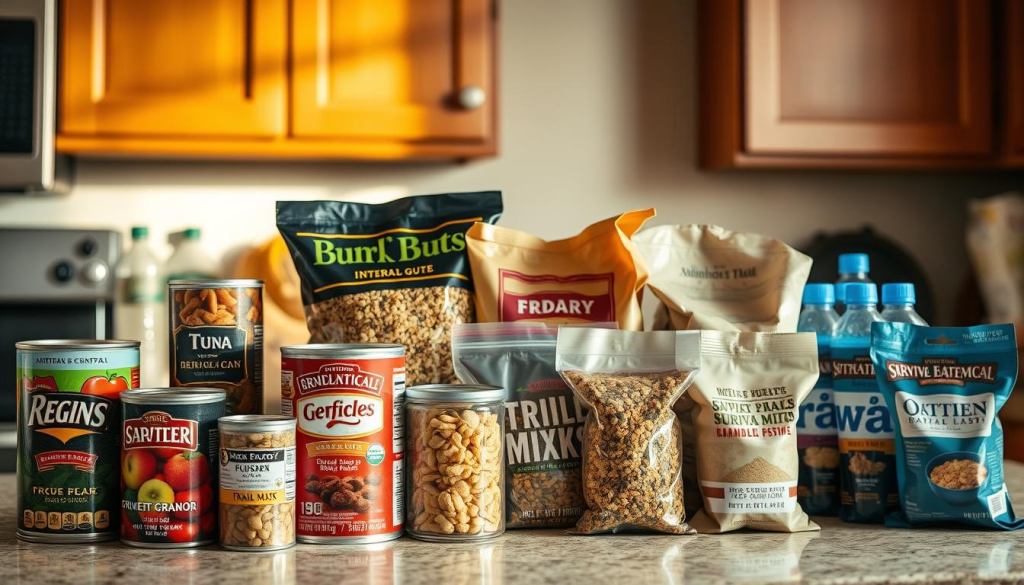
By incorporating these strategies, you can stock your bug out bag with nutritious and affordable food options.
Choosing a Shelter Solution on a Budget
When it comes to bug out bags, shelter is a critical component that shouldn’t break the bank. A good shelter can protect you from the elements and provide a sense of security in emergency situations.
Tarp or Tent?
Deciding between a tarp and a tent is a crucial decision when it comes to shelter. A tarp is lightweight and versatile, offering protection from rain and wind. However, it may not provide the same level of privacy or structural integrity as a tent. On the other hand, a tent offers more comprehensive protection and can be more comfortable, but it is generally heavier and more expensive.
For budget-conscious individuals, a tarp can be an economical choice, especially when paired with some DIY skills to create a makeshift shelter. Consider the environment you’ll be in; for example, a tarp might be sufficient in dry conditions but less ideal in wet or cold weather.
Finding Used Equipment
One way to save money on shelter is by finding used equipment. Websites like Craigslist, eBay, or local outdoor gear forums often have gently used tents or tarps at a fraction of the cost of new items. When purchasing used, ensure that the item is in good condition and consider any necessary repairs or cleaning.
Thrift stores and garage sales can also be sources for affordable shelter materials, though they may require some creativity to repurpose.
DIY Shelter Options
For those with some DIY skills, creating your own shelter can be a cost-effective and rewarding option. Using materials like PVC pipes, rope, and plastic sheeting, you can construct a simple yet effective shelter. There are many online tutorials and guides that can help you get started.
Another DIY option is to repurpose existing structures or materials. For example, a large piece of plastic or a waterproof blanket can be used to create a simple lean-to shelter. Being resourceful and flexible with your shelter options can significantly reduce costs.
Budget-Friendly Clothing Choices
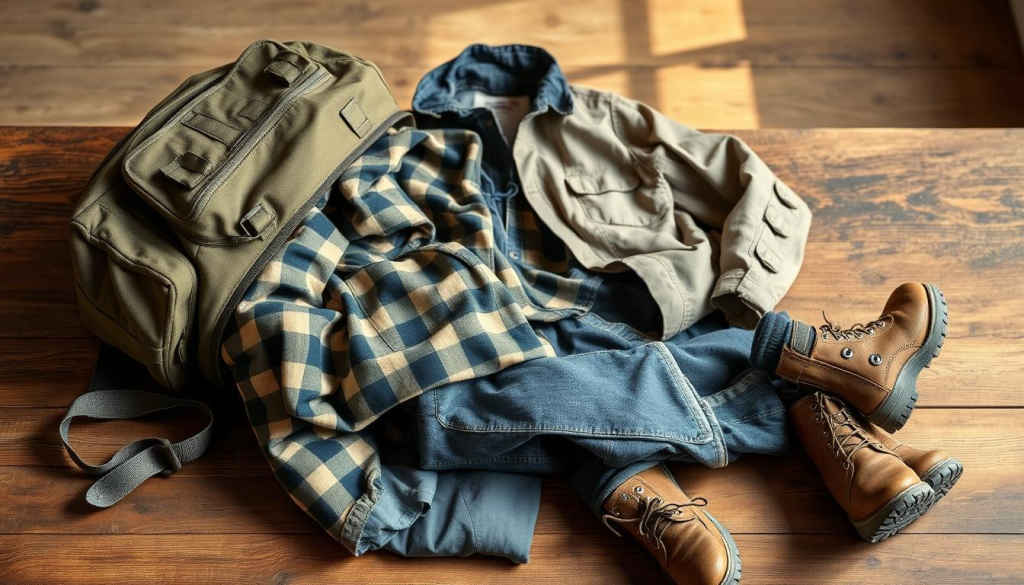
Assembling a budget-friendly bug out bag requires careful consideration of clothing choices. The right clothing can be the difference between comfort and distress in emergency situations.
Layering for Versatility
One of the most effective strategies for budget-friendly clothing is layering. By choosing items that can be layered, you can adapt to different weather conditions without needing a separate outfit for each scenario.
Layering Tips:
- Start with a breathable base layer.
- Add insulating layers for colder conditions.
- Use a waterproof outer layer to protect against the elements.
Thrift Store Finds
Thrift stores can be a treasure trove for affordable bug out gear. You can often find gently used clothing at a fraction of the cost of new items.
When shopping at thrift stores, look for durable, versatile pieces that fit well. Consider the condition of the clothing and whether it can withstand the rigors of outdoor use.
Quality Footwear at Low Prices
Footwear is a critical component of any bug out bag. You need shoes that are not only comfortable but also durable and suitable for various terrains.
To find quality footwear at low prices, consider the following:
- Look for sales or discounts at outdoor gear stores.
- Consider last season’s models, which are often discounted.
- Shop online for deals on gently used or refurbished footwear.
By focusing on layering, thrift store finds, and quality footwear, you can assemble a frugal bug out preparedness clothing kit that is both practical and affordable.
Gathering First Aid Supplies
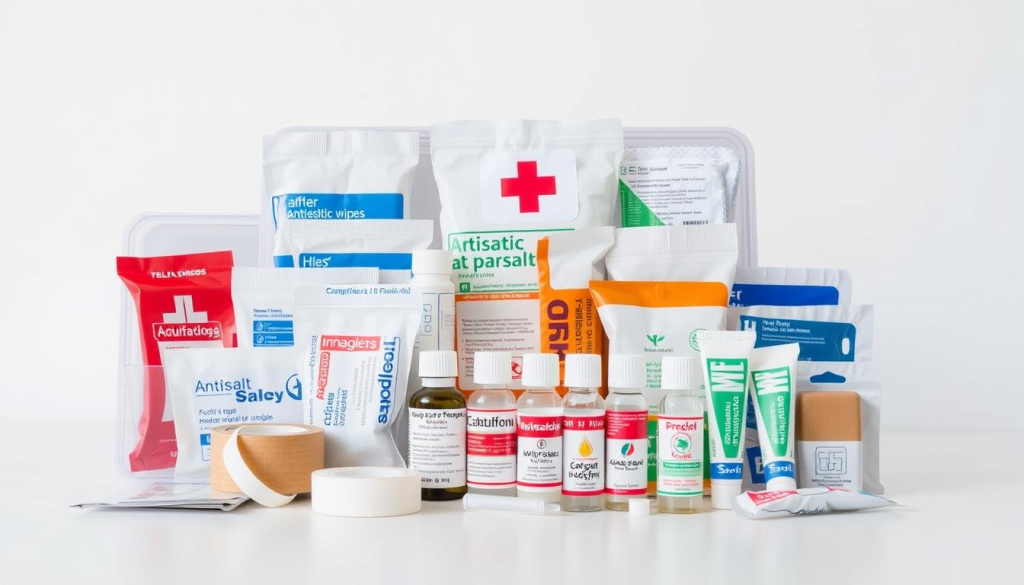
Building a first aid kit on a budget requires careful planning and resourcefulness. A well-stocked first aid kit is essential for any bug out bag, as it enables you to respond to medical emergencies effectively.
Essentials for Your Kit
When assembling your first aid kit, it’s crucial to include a variety of supplies to address different types of injuries. Bandages and band-aids in various sizes, antiseptic wipes, and medical tape are must-haves for wound care. Additionally, consider including pain relievers, antihistamines, and any personal medications.
For a budget bug out bag checklist, prioritize items that serve multiple purposes or are used frequently. For instance, a multi-tool can be invaluable in various emergency situations.
Creating Your Own First Aid Kit
Creating your own first aid kit allows you to tailor it to your specific needs while being mindful of your budget. Start with the essentials and gradually add more items as needed. Consider repurposing containers you already have at home to save on costs.
- Use a durable, water-resistant container to store your supplies.
- Organize your kit with smaller pouches or bags for different categories of supplies.
- Regularly check and update your kit to ensure all items are still usable and not expired.
Where to Find Cheap Supplies
Finding economical bug out bag items for your first aid kit can be achieved through smart shopping. Consider the following sources:
- Discount stores and dollar stores for basic supplies.
- Online retailers for bulk purchases of items like band-aids and antiseptic wipes.
- Pharmacies during sales or with coupons for medications and other health products.
By being resourceful and planning ahead, you can assemble a comprehensive first aid kit without breaking the bank, ensuring you’re prepared with low-cost bug out supplies.
Tools and Gear on a Budget
Preparing a bug out bag on a shoestring budget involves identifying the most valuable tools and gear that can enhance survival chances without breaking the bank. The right equipment can make a significant difference in emergency situations, and it’s possible to acquire it affordably.
Multi-tools and Their Value
Multi-tools are indispensable in a bug out bag due to their versatility. They combine several functions into one device, such as knives, pliers, and screwdrivers, making them a valuable asset in various survival scenarios. When selecting a multi-tool, consider the material, durability, and the number of functions it offers.
Top Features to Look for in a Multi-tool:
- High-carbon steel for durability
- Multiple functions (e.g., knife, saw, pliers)
- Ergonomic design for comfortable grip
A good multi-tool can be found for under $50. Brands like Leatherman and Gerber offer reliable options. For instance, the Leatherman Wave+ is a popular choice among outdoor enthusiasts, offering 18 tools in one device.
Affordable Lighting Solutions
Lighting is crucial for navigation and tasks during nighttime or in dark environments. LED flashlights and headlamps are efficient and can be found at affordable prices. Consider options with adjustable brightness and red light modes to preserve night vision.
| Product | Price Range | Features |
|---|---|---|
| LED Flashlight | $10-$30 | Adjustable brightness, waterproof |
| Headlamp | $15-$40 | Red light mode, rechargeable |
As noted by outdoor expert,
“A good light source can be a lifesaver in dark situations. Look for options that are both durable and energy-efficient.”
DIY Gear Solutions
Creating your own gear can be a cost-effective way to prepare for emergencies. For example, you can make a paracord bracelet that serves as a cordage source or create a DIY first aid kit tailored to your needs.
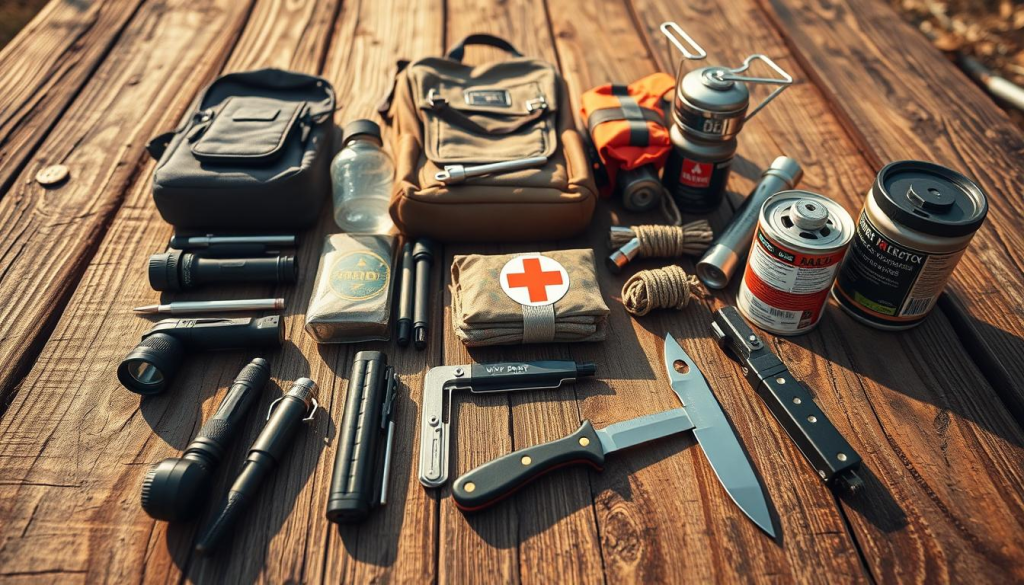
DIY projects not only save money but also provide a sense of accomplishment and readiness. Consider repurposing household items for survival uses, such as using a plastic bottle as a water filter or creating a makeshift shelter.
Effective Water Purification Methods
Having access to clean drinking water is crucial in emergency situations, and there are several budget-friendly methods to achieve this. Water purification is a vital component of any bug out bag, ensuring that you have a reliable source of drinking water regardless of the circumstances.
Best Budget Water Filters
When it comes to water purification, filters are a popular choice due to their effectiveness and relatively low cost. Some of the best budget water filters include:
- LifeStraw Personal Water Filter: Known for its portability and ease of use, it’s a great addition to any bug out bag.
- Sawyer Mini Water Filtration System: This filter is not only affordable but also highly effective against bacteria, viruses, and contaminants.
These filters are not only budget-friendly but also lightweight, making them ideal for inclusion in a bug out bag.
DIY Purification Techniques
In the absence of commercial water filters, DIY purification techniques can be lifesaving. One of the simplest methods is boiling water, which is effective against most pathogens.
Boiling: Bringing water to a rolling boil for 1-3 minutes can kill most bacteria, viruses, and other microorganisms.
Another method is using natural materials like sand and charcoal to create a simple filter. While not as effective as commercial filters, these methods can significantly improve water quality.
Emergency Water Collection Strategies
In emergency situations, knowing how to collect water is just as important as knowing how to purify it. Some effective strategies include:
- Collecting dew or rainwater using tarps or other waterproof materials.
- Identifying sources of water such as streams, rivers, or ponds, and purifying the water before consumption.
“In a survival situation, every drop counts, and being able to collect and purify water can be the difference between life and death.”
By incorporating these water purification methods into your bug out bag, you can ensure access to clean drinking water, even in the most challenging situations.
Planning Your Bug Out Route
Understanding how to plan a bug out route is essential for effective emergency preparedness. A well-planned route can significantly enhance your ability to respond quickly and safely in the face of danger.
Identifying Safe Routes
When identifying safe routes, consider factors such as road conditions, potential hazards, and alternative paths. It’s crucial to have multiple routes planned to account for varying scenarios.
- Use online maps and local knowledge to identify the safest and most efficient routes.
- Avoid areas prone to natural disasters or other hazards.
- Consider the time of day and potential traffic congestion.
Budget Navigation Tools
Navigating your bug out route effectively requires reliable and affordable navigation tools. Options include:
| Tool | Cost | Features |
|---|---|---|
| Compass | $10-$30 | Direction indication, durable |
| GPS Device | $50-$100 | Satellite navigation, real-time updates |
| Smartphone App | $0-$10 | GPS navigation, offline maps, real-time traffic updates |
Practice Runs and Drills
Once you have planned your bug out route, it’s essential to conduct practice runs and drills to ensure you’re familiar with the route and can execute it under pressure.
Tips for effective drills:
- Conduct drills at different times of day and in various weather conditions.
- Test your navigation tools and ensure you have backups.
- Practice with your bug out bag to simulate real conditions.
By planning your bug out route carefully, using budget-friendly navigation tools, and practicing your route, you can significantly enhance your emergency preparedness and ensure a safe evacuation when needed.
Storing and Organizing Your Bug Out Bag
To ensure your bug out bag is ready when you need it, proper storage and organization are key. A well-maintained bug out bag can make a significant difference in emergency situations.
Affordable Storage Solutions
When it comes to storing your bug out bag, you don’t have to break the bank. Consider using affordable storage solutions like plastic bins or bags that are waterproof and durable.
- Use airtight containers to keep contents dry and fresh.
- Label your storage containers for easy identification.
- Store your bug out bag in an easily accessible location.
Packing Strategically
Packing your bug out bag strategically is crucial for maximizing space and efficiency. Start by making a budget bug out bag checklist to ensure you include all economical bug out bag items.
- Pack essentials like food, water, and first aid supplies.
- Use packing cubes or small bags to organize items.
- Keep frequently used items easily accessible.
Regular Maintenance Tips
Regular maintenance of your bug out bag is vital to ensure it remains functional and up-to-date. Check your bag periodically to update supplies and replace expired items.
“A bug out bag is only as good as its maintenance. Regular checks can save lives.”
- Check expiration dates of food and medical supplies.
- Update your bug out bag according to seasonal changes.
- Practice carrying your bug out bag to ensure you’re familiar with its contents.
By following these tips, you can create a well-organized and functional bug out bag without breaking the bank. Remember, the key is to be prepared with low-cost bug out supplies that meet your needs.
Staying Informed on Emergency Preparedness
Emergency preparedness requires more than just a bug out bag; it demands staying informed. In today’s fast-paced world, being prepared for emergencies means having access to the right information at the right time.
Resources for Learning
There are numerous resources available for individuals looking to enhance their emergency preparedness knowledge. From online forums to printed guides, the options are vast. For instance, the American Red Cross offers a wealth of information on disaster preparedness, including guides on creating emergency plans and building disaster supply kits.
For those on a budget, resources like the Federal Emergency Management Agency (FEMA) website provide free information on various aspects of emergency preparedness, including affordable bug out bag options and cheap bug out gear.
Community Workshops and Groups
Community involvement is a crucial aspect of emergency preparedness. Participating in local workshops and joining emergency preparedness groups can provide valuable hands-on experience and networking opportunities. Many communities offer free or low-cost workshops on topics such as first aid, emergency shelter construction, and food preservation.
These community-based initiatives not only enhance individual preparedness but also foster a sense of community resilience. By engaging with local groups, individuals can learn about budget-friendly bug out bag options and other cost-effective preparedness strategies.
| Resource | Description | Cost |
|---|---|---|
| American Red Cross Guides | Comprehensive guides on disaster preparedness | Free – $10 |
| FEMA Online Resources | Information on emergency planning and preparedness | Free |
| Local Workshops | Hands-on training in emergency skills | $0 – $50 |
Online Courses and Tutorials
In addition to community resources, online courses and tutorials offer a flexible way to learn about emergency preparedness. Websites like Coursera and Udemy offer a range of courses on topics related to emergency preparedness, from disaster response to survival skills.
These online resources can be particularly useful for those who prefer self-paced learning or have limited access to local workshops. By leveraging these resources, individuals can gain a comprehensive understanding of emergency preparedness, including strategies for assembling an affordable bug out bag.
Final Thoughts on Budget-Friendly Bug Out Bags
Creating a bug out bag on a budget is a practical and achievable goal. By focusing on essential items and low-cost supplies, individuals can be better prepared for emergencies without breaking the bank.
Key Takeaways
Throughout this article, we’ve explored various strategies for assembling a bug out bag on a budget. From finding affordable food options and shelter solutions to gathering first aid supplies and tools, the key is to prioritize and be resourceful. Frugal bug out preparedness is about making smart choices that enhance your safety and well-being.
Getting Started
If you’re just starting out, don’t be overwhelmed by the task. Begin with the basics: food, water, shelter, and first aid. As you progress, you can add more items to your bug out bag. Remember, the goal is to be prepared, not to spend a fortune. Low-cost bug out supplies can be just as effective as their more expensive counterparts.
The Importance of Preparedness
Being prepared for emergencies is invaluable. A well-stocked bug out bag can make a significant difference in your ability to respond to unexpected situations. By investing time and effort into creating a bug out bag on a budget, you’re taking a proactive step towards safeguarding yourself and your loved ones.