
Whether you’re worried about a sudden layoff, home invasions, car accidents, or natural disasters, it’s critical to start getting prepared now. Being prepared can make a significant difference in how you and your loved ones cope with unexpected events.
Creating an emergency preparedness checklist is a crucial step in ensuring you’re ready for any situation. This guide will walk you through the essential steps to take, from basic preparations to more advanced strategies, helping you to be better equipped to handle emergencies.
Key Takeaways
- Understand the importance of having an emergency preparedness plan.
- Learn the basic steps to create an effective emergency prep strategy.
- Discover how to tailor your preparations to your specific needs.
- Get started with simple and practical tips for emergency preparedness.
- Explore advanced strategies to enhance your emergency preparedness.
Understanding Emergency Preparedness
In today’s unpredictable world, understanding emergency preparedness is more crucial than ever. The whole point of prepping is to reduce the chances of major life disruptions and to better recover from disruptions when they do happen.
What is Emergency Preparedness?
Emergency preparedness refers to the steps taken to prepare for and respond to emergencies, such as natural disasters, power outages, or other crises. It involves having a plan, the necessary supplies, and the knowledge to act quickly and effectively. An emergency preparedness list typically includes basic supplies like food, water, and first aid kits, as well as plans for communication and evacuation.
- Creating a comprehensive emergency plan
- Stockpiling essential supplies
- Staying informed about potential hazards
Why It’s Important for Everyone
Being prepared for emergencies is not just about having the right equipment; it’s about being proactive to ensure safety and well-being. An emergency readiness guide can provide valuable insights and tips for beginners. For those new to prepping, following beginner prepper tips can make a significant difference in how effectively they can respond to emergencies.
Some key benefits of emergency preparedness include:
- Reducing the risk of injury or harm
- Minimizing property damage
- Facilitating a quicker recovery
By understanding and implementing emergency preparedness measures, individuals can significantly enhance their resilience to unexpected events.
Key Components of an Emergency Preparedness Checklist
Creating an emergency preparedness checklist is a crucial step in ensuring your safety during unexpected events. A well-structured checklist helps you stay organized and focused on the essential supplies and plans needed to navigate emergencies effectively.
Basic Supplies to Include
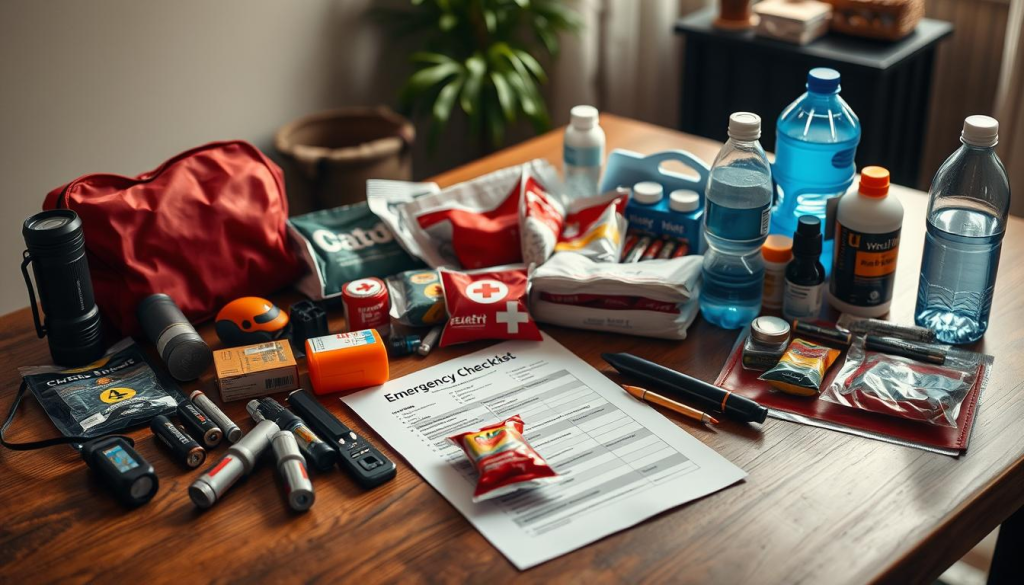
At a minimum, your emergency supplies checklist should include basic items such as a flashlight, battery-powered radio, and extra batteries. These tools will help you stay informed and navigate through your home or during evacuations.
- A reliable flashlight and extra batteries
- A battery-powered or hand-crank radio
- A whistle to signal for help if needed
- Dust mask or bandana to help filter the air
- Moist towelettes, garbage bags, and plastic ties for personal hygiene
Food and Water Considerations
Having an adequate supply of non-perishable food and clean water is critical. Aim for at least three days’ worth of supplies, but ideally, you should have enough for two weeks.
- Water: at least one gallon per person per day for drinking, cooking, and hygiene
- Non-perishable food: energy bars, canned goods, dried fruits, and nuts
- Manual can opener
- Food preparation equipment: camping stove or cooking pot
First Aid Kit Essentials
A well-stocked first aid kit is a fundamental component of any emergency preparedness checklist. It should include supplies to treat minor injuries and prevent infections.
- Bandages and band-aids
- Antiseptic wipes and ointment
- Pain relievers and antihistamines
- Prescription medications and necessary medical equipment
- First aid guide or manual
By focusing on these key components, you can create a comprehensive emergency preparedness checklist that meets your needs and helps ensure your safety during disasters.
Assessing Your Unique Needs
Assessing your unique needs is crucial for a successful emergency preparedness plan. Every household is different, with varying requirements based on factors like family size, age, and health conditions.
Family Considerations
When creating an emergency preparedness checklist, it’s essential to consider the specific needs of each family member. This includes:
- Medical supplies for individuals with chronic conditions or allergies
- Baby supplies such as diapers, formula, and baby food
- Special dietary needs for family members with specific requirements
- Comfort items for children, like favorite toys or blankets
By tailoring your emergency kit to your family’s needs, you can ensure that everyone is better prepared to face unexpected situations.
Pet Preparedness
Pets are an integral part of many families, and their needs should not be overlooked. Consider the following when preparing for emergencies:
- Pet food and water for at least three days
- Pet carriers or crates for safe transportation
- Medications and vaccination records for your pets
- Comfort items like pet beds or favorite toys
Pet preparedness is just as important as preparing for human needs, ensuring that your pets remain safe and comfortable during emergencies.
Creating a Communication Plan
Creating a communication plan is a crucial step in ensuring that you and your loved ones stay connected during emergencies. A well-thought-out plan can help reduce confusion and anxiety, making it easier to respond to and recover from disasters.
Connect with Family and Friends
In the event of an emergency, it’s vital to have a plan for contacting family members and friends. This includes designating a primary contact person who can act as a point of reference for everyone. Make sure all family members know the contact information and have it stored in their phones or written down in an easily accessible place.
Consider creating a group chat or messaging thread for quick updates and information sharing. This can be particularly useful if you are separated during an emergency. Ensure that everyone understands how to use the chosen communication method.
Emergency Contacts and Meeting Points
Part of an effective emergency readiness guide involves identifying emergency contacts and establishing meeting points. Identify key contacts such as local emergency services, your utility company, and insurance provider. Keep their contact information handy.
Designate both a local meeting point (e.g., your home or a nearby landmark) and a regional meeting point (e.g., a friend’s house or a designated shelter outside your immediate area) in case you get separated. Make sure all family members are aware of these locations.
By having a comprehensive communication plan in place, you can significantly enhance your family’s ability to respond to emergencies effectively. This plan is a critical component of a broader disaster preparedness plan, ensuring you’re better equipped to handle unexpected situations.
Preparing Your Home Environment
A well-prepared home environment can significantly reduce risks during emergencies. To achieve this, it’s crucial to understand the potential hazards in and around your home and take steps to mitigate them.
Assessing Risks and Hazards
Begin by assessing the risks and hazards specific to your home and location. This includes understanding the types of emergencies that could occur, such as earthquakes, floods, or fires, and identifying potential hazards within your home, like loose objects that could fall or electrical hazards.
- Identify potential entry points for water or intruders.
- Check for structural weaknesses in your home.
- Be aware of the location of emergency exits.
Home Safety Improvements
Once you’ve identified potential risks and hazards, you can start making safety improvements. This can include securing heavy furniture and objects, installing safety devices like smoke detectors and carbon monoxide detectors, and having a plan for emergency evacuations.
| Safety Improvement | Description | Benefit |
|---|---|---|
| Securing Furniture | Use anti-tip brackets to secure heavy furniture and appliances. | Prevents injury from falling objects. |
| Smoke Detectors | Install smoke detectors on every level of your home. | Early warning in case of fire. |
| Emergency Exits | Ensure all family members know at least two ways out of each room. | Facilitates quick evacuation. |
Beginner prepper tips include starting with simple, cost-effective measures like securing your home and having a basic emergency kit. As you become more comfortable with prepping basics, you can expand your efforts to include more comprehensive emergency preparedness lists.
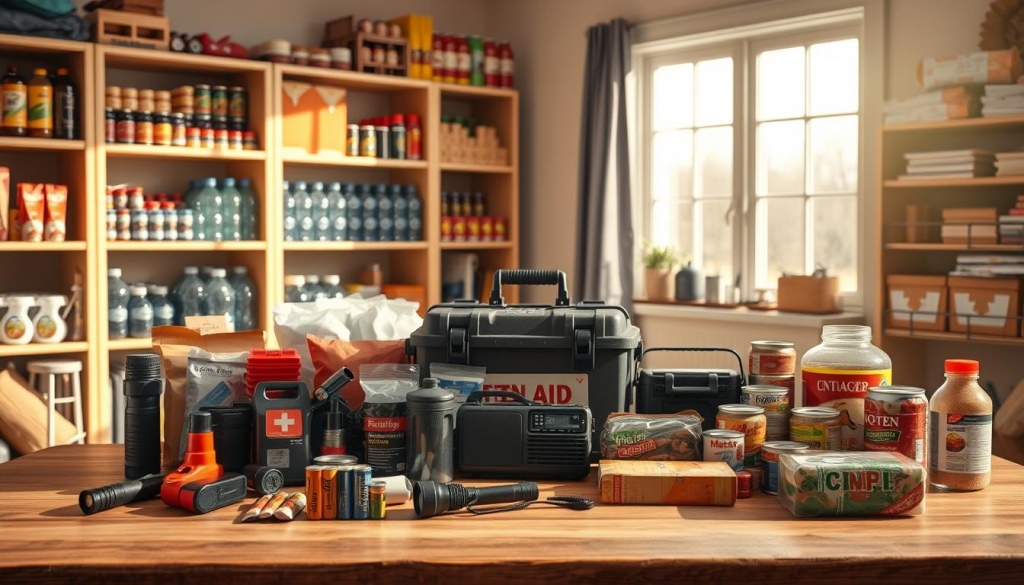
By taking these steps, you can significantly enhance your home’s safety and your family’s readiness for emergencies. Remember, emergency preparedness is an ongoing process that requires regular checks and updates to your safety measures and emergency plans.
The Role of Local Resources
When it comes to emergency readiness, local resources are indispensable, providing essential services and information. Being aware of and utilizing these resources can significantly enhance your emergency preparedness checklist and overall disaster preparedness plan.
Community Emergency Services
Community emergency services are a critical component of any emergency readiness guide. These services include fire departments, emergency medical services (EMS), and police departments. Understanding how to access these services is vital.
- Know the emergency contact numbers for your area.
- Familiarize yourself with the locations of emergency services near your home and workplace.
- Participate in community emergency preparedness initiatives to stay informed.
For more information on emergency preparedness, you can visit GetPrepared.ca, a resource provided by the Government of Canada, to learn more about enhancing your emergency preparedness.
Local Emergency Contacts
Having a list of local emergency contacts is an essential part of your disaster preparedness plan. This list should include:
- Emergency services contact numbers.
- Utility company contacts (e.g., electricity, water, gas).
- Neighborhood watch or community emergency response team (CERT) contacts, if applicable.
By integrating local resources into your emergency planning, you can ensure a more effective response to emergencies, thereby enhancing your overall emergency readiness guide.
Training and Skills Development
Being prepared for emergencies requires not just the right equipment, but also the knowledge and skills to use it effectively. As a beginner prepper, understanding the importance of training and skills development is crucial for enhancing your emergency preparedness.
First Aid and CPR Training
One of the most critical skills to acquire is first aid training, including CPR (Cardiopulmonary Resuscitation). These skills can be lifesaving in emergency situations. Organizations like the American Red Cross offer comprehensive training programs that cover a wide range of first aid techniques and CPR.
Key benefits of first aid and CPR training include:
- Ability to respond effectively in medical emergencies
- Confidence in handling crisis situations
- Enhanced capability to assist others in need
Emergency Response Drills
Conducting regular emergency response drills is essential for ensuring that you and your family are prepared to react appropriately during a crisis. These drills help identify potential weaknesses in your emergency plan and improve response times.
Steps to conduct effective emergency response drills:
- Develop a clear emergency response plan
- Schedule regular drills (e.g., every 6 months)
- Debrief after each drill to identify areas for improvement
| Training Component | Description | Frequency |
|---|---|---|
| First Aid Training | Comprehensive first aid techniques | Every 2 years |
| CPR Training | CPR certification course | Every 2 years |
| Emergency Drills | Practice emergency response plans | Every 6 months |
By focusing on training and skills development, you can significantly enhance your emergency preparedness and ensure a more effective response to crises. For more beginner prepper tips and guidance on creating an emergency supplies checklist, continue to the next section.

Keeping Your Preparedness Updated
An effective emergency preparedness plan is one that is regularly reviewed and updated. This ensures that your plan remains relevant and effective in the face of changing circumstances.
Regular Checklist Reviews
Regularly reviewing your emergency preparedness checklist is crucial. This involves checking that all necessary supplies are still usable and that your plan still meets the needs of your household. It’s recommended to review your checklist at least twice a year, or whenever there are significant changes in your household, such as a new family member or a change in your living situation.
During these reviews, consider the following:
- Have there been any changes in your household that could affect your emergency needs?
- Are all members of your household aware of the emergency plan and their roles within it?
- Have you updated your contact information and communication plan?
Expiration Dates on Supplies
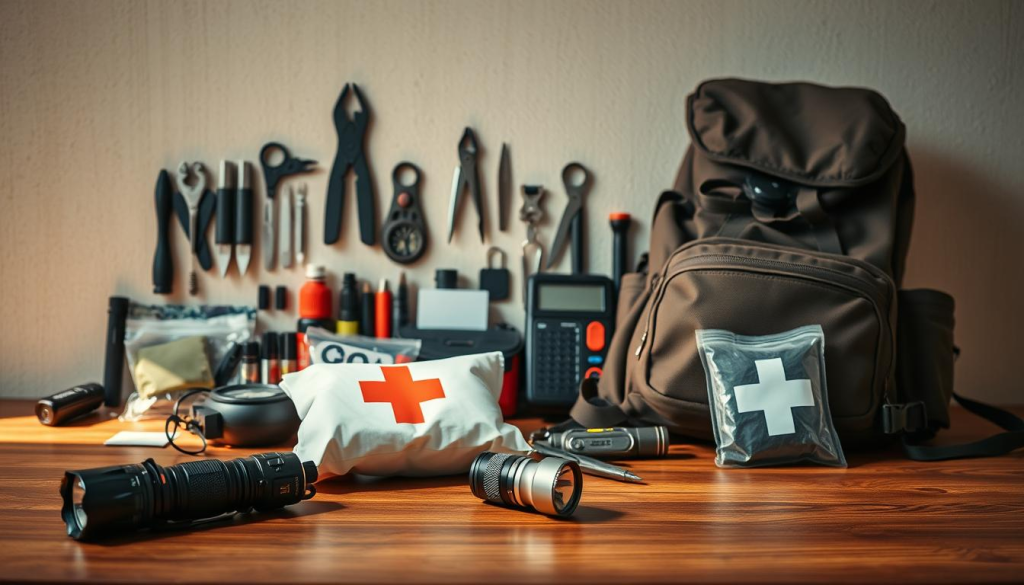
One critical aspect of maintaining your emergency preparedness is checking the expiration dates of your supplies. This includes food, water, medications, and any other perishable items. Expired supplies can be ineffective or even dangerous, so it’s essential to replace them as needed.
- Keep a log of the purchase dates and expiration dates of your supplies.
- Regularly inspect your supplies and replace them as necessary.
- Consider setting reminders for when supplies are nearing their expiration dates.
By staying on top of these tasks, you can ensure that your emergency preparedness plan remains effective and that you’re always ready to face any challenges that come your way.
Utilizing Technology for Preparedness
In today’s digital age, technology plays a vital role in emergency preparedness. By leveraging the right tools and resources, individuals can enhance their emergency readiness guide and stay ahead of potential disasters.
Emergency Apps and Alerts
Emergency apps, such as those offering real-time weather alerts and disaster notifications, are invaluable resources for prepping101. These apps can provide critical information during emergencies, helping individuals make informed decisions.
Online Resources and Communities
Online forums and communities dedicated to emergency preparedness offer a wealth of knowledge and support. By engaging with these communities, individuals can refine their emergency supplies checklist and stay updated on best practices.
By integrating technology into their emergency preparedness plan, individuals can ensure they are better equipped to handle unexpected situations. Staying informed and connected through emergency apps and online resources is a crucial step in maintaining a robust emergency readiness guide.