
In the face of unexpected emergencies, having a well-prepared emergency survival kit is crucial for families.
A disaster preparedness bag is a portable kit that contains essential items needed to survive for at least 72 hours in a SHTF scenario.
Preparing a kit for your family is a critical step in ensuring safety during disasters. It provides the necessary tools and supplies to navigate through various scenarios.
When assembling your kit, consider the specific needs of your family, including medical requirements, food, water, and shelter necessities.
Key Takeaways
- A well-prepared emergency kit is essential for family safety.
- The kit should contain essentials to survive for at least 72 hours.
- Consider the specific needs of your family when assembling the kit.
- A disaster preparedness bag provides necessary tools and supplies.
- Having a kit prepared can help navigate through various disaster scenarios.
What is a Bug Out Bag?
A bug out bag serves as a portable emergency kit that can help you and your family survive for at least 72 hours. It’s designed to be taken with you in case of an evacuation or disaster, providing essential items for survival.
Definition and Purpose
A bug out bag is defined as a long-term survival kit with the core purpose of getting you away from danger as fast and as safely as possible. Its primary goal is to provide the necessary supplies to sustain you and your family until help arrives or until the danger has passed.
Importance of Preparation
Preparation is key to survival. Having a well-thought-out bug out bag can be the difference between safety and peril. It’s not just about throwing some supplies into a bag; it’s about carefully selecting items that cater to your family’s specific needs, including clothing, first aid supplies, food, and water.
Key Features of a Good Bug Out Bag
A good bug out bag should be tailored to your family’s needs, considering factors such as durability, comfort, and accessibility. Here are some key features to look for:
| Feature | Description | Importance Level |
|---|---|---|
| Durability | The bag should be made of sturdy material that can withstand rough handling. | High |
| Comfort | Padded straps and back support can make a big difference during long evacuations. | Medium |
| Accessibility | Easy access to essential items without having to unpack the entire bag. | High |
By understanding the definition, purpose, and key features of a bug out bag, you can better prepare for emergencies and ensure your family’s safety.
Essential Items for a 4-Person Bug Out Bag
Preparing a 4-person bug out bag involves selecting the right emergency gear for 4 people to ensure your family’s survival. The key to a successful bug out bag lies in its contents, which should be carefully chosen to sustain your family for at least 72 hours.
Food and Water Supplies
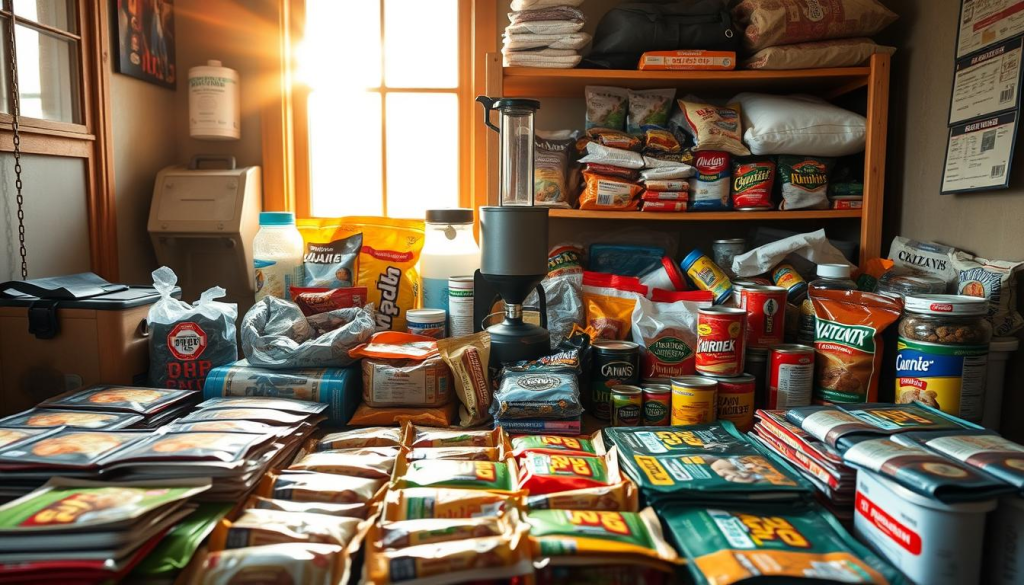
When it comes to food and water supplies, it’s crucial to pack non-perishable items that are high in calories and protein. Consider including canned goods, dried fruits, nuts, and energy bars. Don’t forget a manual can opener if you’ve included canned food. For water, store at least one gallon per person per day for drinking, cooking, and hygiene. Water purification tablets or a portable filter can also be a lifesaver, ensuring access to clean drinking water.
Shelter and Clothing Essentials
Shelter and clothing essentials are vital for protecting your family from the elements. Pack a sturdy tent, sleeping bags, and sleeping pads to ensure comfortable rest. Clothing should be versatile and suitable for varying weather conditions. Include layers such as t-shirts, long-sleeved shirts, pants, and outerwear like waterproof jackets and insulated layers. Don’t forget hats, gloves, and sturdy footwear.
- Lightweight tent
- Sleeping bags and pads
- Extra clothing layers
- Rain gear
Medical Supplies You Can’t Forget
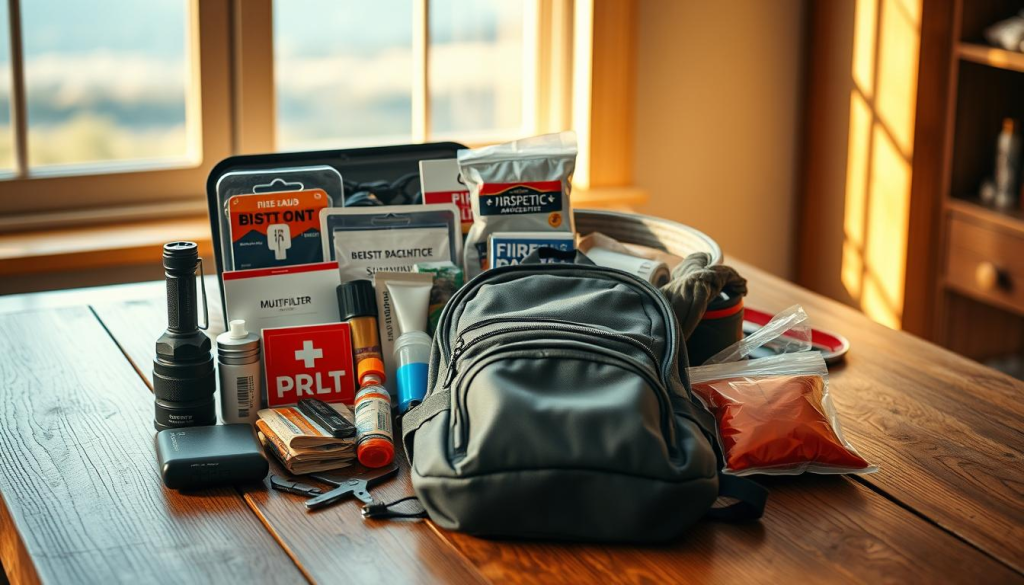
A comprehensive first aid kit is indispensable in a bug out bag. It should include bandages, antiseptic wipes, pain relievers, and any prescription medications your family members may need. Consider adding items like tweezers, scissors, and a thermometer. Don’t overlook personal hygiene items and a guide to basic first aid.
- Bandages and band-aids
- Antiseptic wipes and spray
- Pain relievers and antihistamines
- Prescription medications
How to Choose the Right Bug Out Bag
When it comes to choosing a bug out bag, several key factors come into play. Selecting the right bag is crucial for ensuring that you and your family are prepared to evacuate quickly and comfortably in case of an emergency.
Size and Capacity Considerations
The size and capacity of your bug out bag are critical factors to consider. A 4-person bug out bag needs to be spacious enough to hold essential supplies for everyone, including food, water, first aid kits, and clothing. However, it should not be so large that it becomes unwieldy or difficult to carry.
A good rule of thumb is to choose a bag with a capacity of at least 40 liters per person. This allows for enough space to pack necessary items without overloading the bag. Consider a bag with multiple compartments to help organize your supplies and make them easier to access.
| Family Size | Recommended Bag Capacity |
|---|---|
| 4 people | 160 liters or more |
| 3 people | 120 liters or more |
| 2 people | 80 liters or more |
Durability and Weather Resistance
A bug out bag must be durable and able to withstand various weather conditions. Look for bags made from heavy-duty, water-resistant materials such as nylon or polyester. The bag should also have reinforced stitching and sturdy zippers to ensure that it can handle rough handling.
Weather resistance is also crucial. A bag with a waterproof or water-resistant coating can help keep your supplies dry in wet conditions. Some bags also come with a rain cover or poncho, which can provide additional protection.
Comfort and Ergonomics
Comfort and ergonomics are vital considerations, especially if you anticipate having to carry your bug out bag for extended periods. Look for a bag with padded shoulder straps and a back panel to help distribute the weight evenly.
A bag with multiple carrying options, such as shoulder straps and a waist belt, can also enhance comfort. Consider a bag with a hip belt to transfer some of the weight to your hips, reducing strain on your shoulders.
- Padded shoulder straps for comfort
- Back panel for ventilation and support
- Multiple carrying options for versatility
- Hip belt to distribute weight
By considering these factors, you can choose a bug out bag that meets your family’s needs and helps ensure your safety and comfort in emergency situations.
Creating a Customized Bug Out Bag Kit
Creating a personalized emergency supplies kit ensures that your family’s unique requirements are met. A well-tailored bug out bag is more than just a collection of supplies; it’s a lifeline during emergencies, providing your family with the necessary tools to survive and stay together.
Personalizing Your Family’s Needs
To create an effective bug out bag, you must consider the specific needs of each family member. This includes medical supplies tailored to individual health conditions, such as medications, bandages, and any necessary equipment like EpiPens or inhalers. Additionally, the bag should contain a variety of non-perishable food items that cater to different dietary needs and preferences.
Clothing is another critical aspect; pack clothing that is suitable for the climate and terrain you might encounter. Include a mix of durable, comfortable items that can be layered for different weather conditions. Don’t forget to add personal hygiene items and sanitation supplies to maintain health and morale.
Including Special Items for Pets
If you have pets, it’s crucial to include special items for them in your bug out bag. This should comprise pet food, water, and any necessary medication. A pet first aid kit is also a good idea, including supplies like bandages, antiseptic wipes, and tweezers. Don’t forget to pack your pet’s favorite toys or blankets to provide comfort during stressful situations.
Adding Comfort Items for Morale
Including comfort items in your bug out bag can significantly boost morale during emergencies. These can be as simple as favorite snacks, books, or games for children. For adults, items like coffee or tea can provide a sense of normalcy. Personal items such as photos or small mementos can also offer emotional comfort.
By thoughtfully customizing your bug out bag, you can ensure that your family is better prepared to face unexpected situations, maintaining both physical and emotional well-being.
Storage and Accessibility Tips
Effective disaster preparedness requires not just assembling a bug out bag, but also ensuring it’s stored and accessed properly. A well-organized disaster preparedness bag can be the difference between safety and chaos during emergencies.
Organizing Each Family Member’s Supplies
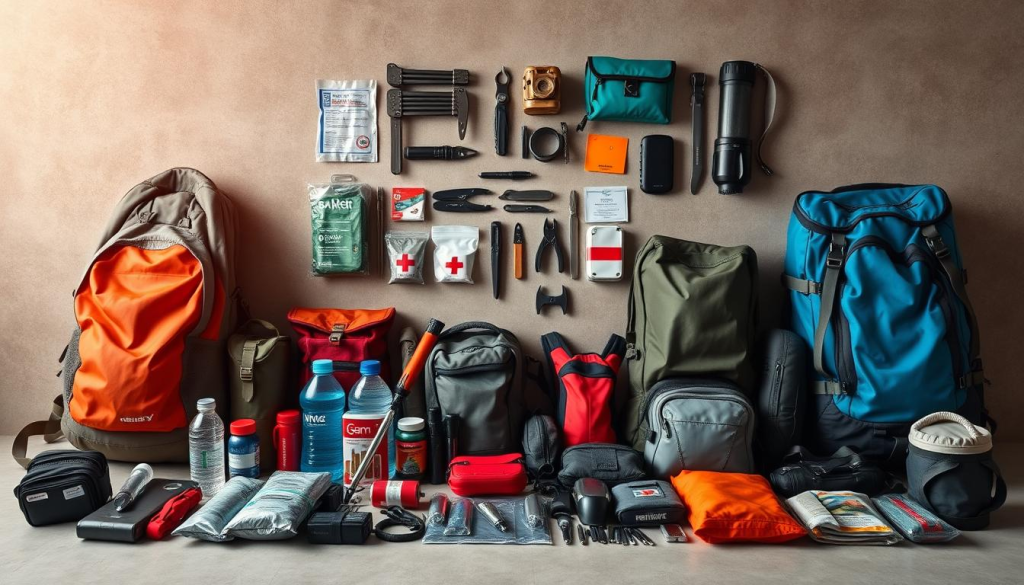
Within your emergency gear for 4 people, it’s essential to organize supplies for each family member. This includes personal documents, medications, and specific needs like diapers or formula. Using color-coded bags or labels can help quickly identify who the supplies are for.
Designating a Bug Out Location
Having a designated bug out location is crucial. This should be a place where your family can reunite if you get separated during an emergency. Ensure all family members know the location and understand how to get there. It’s also wise to have a backup location in case the primary one is inaccessible.
Frequent Inventory Checks
Regularly checking the inventory of your go bag for family is vital. This involves checking expiration dates of food and medical supplies, ensuring batteries are charged, and that all equipment is in working order. A simple table can help track these checks:
| Item | Last Checked | Status |
|---|---|---|
| Water Supplies | 2023-02-15 | Good |
| First Aid Kit | 2023-03-01 | Needs Restocking |
| Batteries | 2023-02-20 | Good |
By maintaining your bug out bag and staying organized, you can ensure that your family’s emergency preparedness is always ready to go.
Training and Practice for Emergency Situations
The key to successfully navigating emergency situations lies in comprehensive training and regular practice. Having a well-prepared emergency survival kit is just the first step; knowing how to use it effectively during a crisis is equally crucial.
Drills for Family Communication
Conducting regular drills for family communication can ensure that everyone knows how to stay in touch during an evacuation. This includes designating meeting points, establishing a communication protocol, and practicing the use of emergency contact devices.
Effective Communication Strategies:
| Strategy | Description | Benefits |
|---|---|---|
| Designated Meeting Points | Identify safe locations for family members to gather in case of separation. | Ensures everyone can be accounted for. |
| Communication Protocol | Establish a clear method for family members to communicate during emergencies. | Reduces confusion and ensures timely updates. |
| Emergency Contact Devices | Use of two-way radios, satellite phones, or other communication tools. | Facilitates real-time communication. |
Practicing Bug Out Routes
Practicing bug out routes in advance can significantly reduce the risk of getting lost during an actual emergency. It’s essential to familiarize all family members with the evacuation routes and to periodically review and update them as necessary.
Emergency First Aid Training
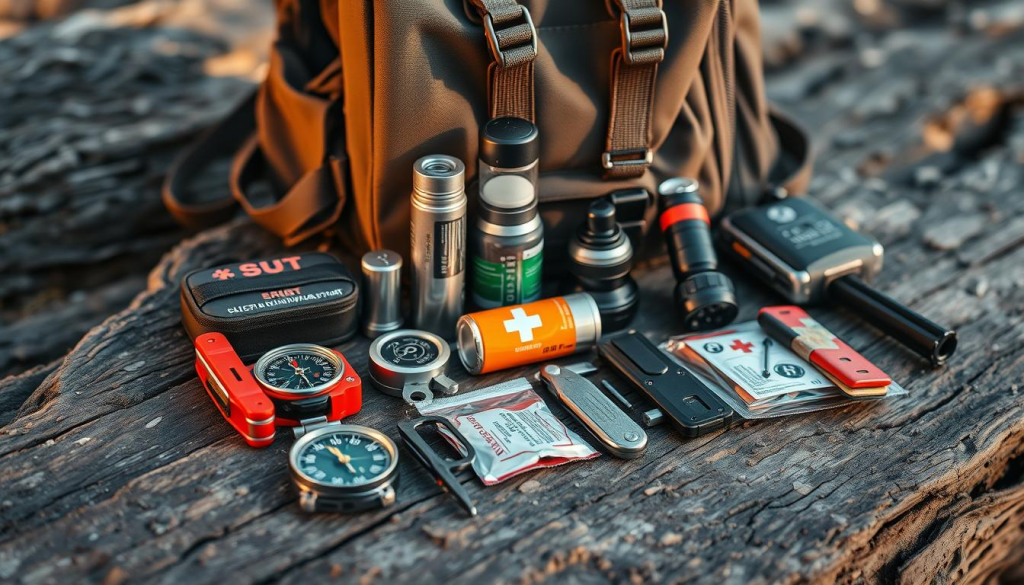
Emergency first aid training equips family members with the skills needed to respond to medical emergencies. This includes learning basic first aid techniques, understanding how to use the medical supplies in your survival backpack for family, and knowing when to seek professional medical help.
By incorporating these training and practice elements into your emergency preparedness plan, you can significantly enhance your family’s ability to respond effectively during crises.
Maintenance of Your Bug Out Bag
To ensure your bug out bag remains effective, regular maintenance is key. A well-maintained bug out bag can be the difference between safety and danger during emergencies.
Regular maintenance involves several crucial tasks. First, it’s essential to regularly check the expiration dates of the supplies in your bag. This includes food, water, and medical supplies, which can expire or degrade over time.
Regularly Checking Expiration Dates
Checking expiration dates is a critical task to ensure that your emergency supplies kit remains usable. Make it a habit to inspect your supplies every six months, replacing any items that are near or past their expiration dates.
Expired or spoiled supplies can render your bug out bag ineffective. For instance, expired food or medicine can be unsafe for consumption, while spoiled water can lead to health issues.
Cleaning and Repacking Procedures
Cleaning and repacking your disaster preparedness bag periodically is vital for maintaining its organization and functionality. Remove all items from the bag and clean it according to the manufacturer’s instructions.
Once the bag is clean and dry, repack the items, ensuring they are organized and easily accessible. This is also a good opportunity to check the condition of the bag itself and make any necessary repairs.
Updating Gear as Family Needs Change
As your family’s needs change, it’s essential to update the gear in your bug out bag. This might include adding new items for a growing family or removing items that are no longer relevant.
Regularly review your bug out bag’s contents to ensure it remains tailored to your family’s current needs. This includes considering changes in family size, health conditions, or other factors that might impact your emergency preparedness.
By following these maintenance tips, you can ensure that your bug out bag remains a reliable resource during emergencies, providing your family with the necessary supplies to stay safe.
Real-Life Scenarios for Using a Bug Out Bag
Understanding the various emergency scenarios where a bug out bag can be utilized is crucial for effective family preparedness. A well-prepared emergency gear for 4 people can make a significant difference in the outcome of such situations.
Natural Disasters Preparedness
Natural disasters such as hurricanes, earthquakes, and wildfires require immediate action and the right equipment. A survival backpack for family should include essentials like food, water, first aid supplies, and a means of communication. For instance, having a portable water purification system can ensure access to clean drinking water, while a battery-powered radio can keep you informed about the situation.
Civil Unrest and Evacuations
In cases of civil unrest or when evacuations are ordered, having a go bag for family ready can provide a safe and efficient way to leave the area. The bag should contain vital documents, cash, and supplies that can sustain your family for at least a few days. It’s also wise to include a map of the area and a compass to help navigate through unfamiliar territories.
Long-Term Camping or Survival Situations
Even in long-term camping or survival situations, a well-prepared bug out bag can be an invaluable resource. It should include gear for shelter, such as tents and sleeping bags, as well as tools for starting a fire and purifying water. Additionally, having a supply of non-perishable food and a means of cooking it can sustain your family over an extended period.
In conclusion, a bug out bag is a versatile tool that can be used in a variety of emergency scenarios, from natural disasters to civil unrest and survival situations. By understanding the different situations in which it can be used, families can better prepare themselves for the unexpected.
Conclusion: Stay Prepared with Your 4-Person Bug Out Bag
A well-prepared 4-person bug out bag is crucial for family safety during emergencies. It’s not just about having the right gear, but also about being prepared for any situation that may arise.
Family Safety First
Emphasizing family safety is vital when creating an emergency survival kit. Ensure all family members know the contents and purpose of the disaster preparedness bag.
Regularly reviewing and updating your bug out bag is essential. Stay informed about potential hazards and practice emergency drills to ensure a smooth evacuation.
Ongoing Preparation
Staying prepared is an ongoing process. Continuously update your 4-person bug out bag to reflect changes in your family’s needs. Encourage ongoing learning and adaptation to stay ahead of any potential disaster.
By following these tips and maintaining your bug out bag, you can ensure your family’s safety and well-being in the face of uncertainty.